
Tag

Memory Integration

All articles tagged with #memory integration

Memory-based thalamus–brainstem circuit biases decisions across trials
science1 month ago

Memory-based thalamus–brainstem circuit biases decisions across trials

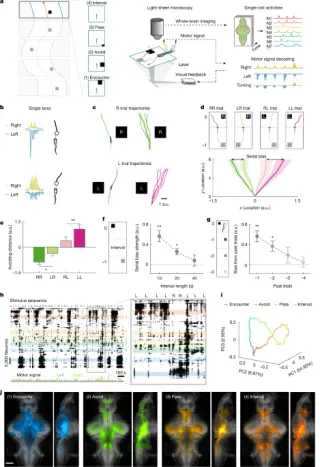
In larval zebrafish, researchers uncover a hierarchical thalamus–hindbrain circuit where discrete attractor dynamics in the dorsal thalamus maintain the position of the most recent obstacle for 10–20 seconds, creating a categorical memory that biases subsequent choices. A downstream hindbrain integrator combines this history with current sensory cues to produce graded motor outputs, enabling history-biased decisions across multiple trials. Optogenetic perturbations show the dorsal thalamus can either suppress or induce serial bias, while a whole-brain computational model links these attractor dynamics to multi-trial memory via NMDA-mediated processes. The findings propose a general, modular mechanism for history-dependent decision making and demonstrate how persistent history signals can be flexibly integrated with present sensory information.
"The Impact of Likability on Learning and Memory Retention"
cognitive-neuroscience2 years ago

"The Impact of Likability on Learning and Memory Retention"

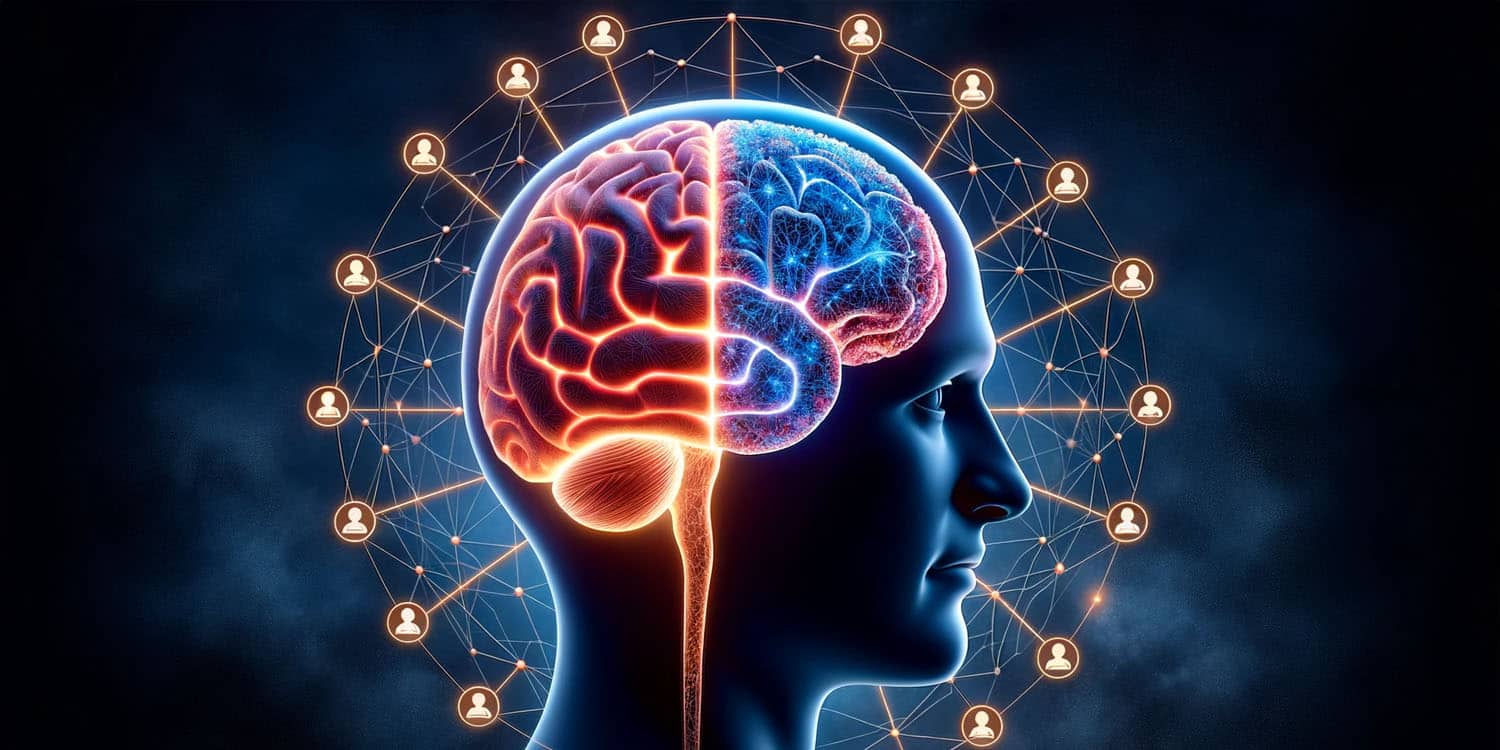
A recent study in cognitive neuroscience reveals that our ability to learn and make connections between information is significantly influenced by our feelings towards the person presenting the information. Participants were found to be more adept at remembering and connecting information when it was presented by personas they liked, potentially leading to the reinforcement of polarized beliefs within social groups. The study sheds light on how our social biases might extend into our cognitive processes, particularly memory integration, and suggests that favored groups can provide information that aligns with our pre-existing beliefs, potentially reinforcing polarized viewpoints.

"The Influence of Affection on Learning: Insights from Brain Studies"
neuroscience2 years ago

"The Influence of Affection on Learning: Insights from Brain Studies"

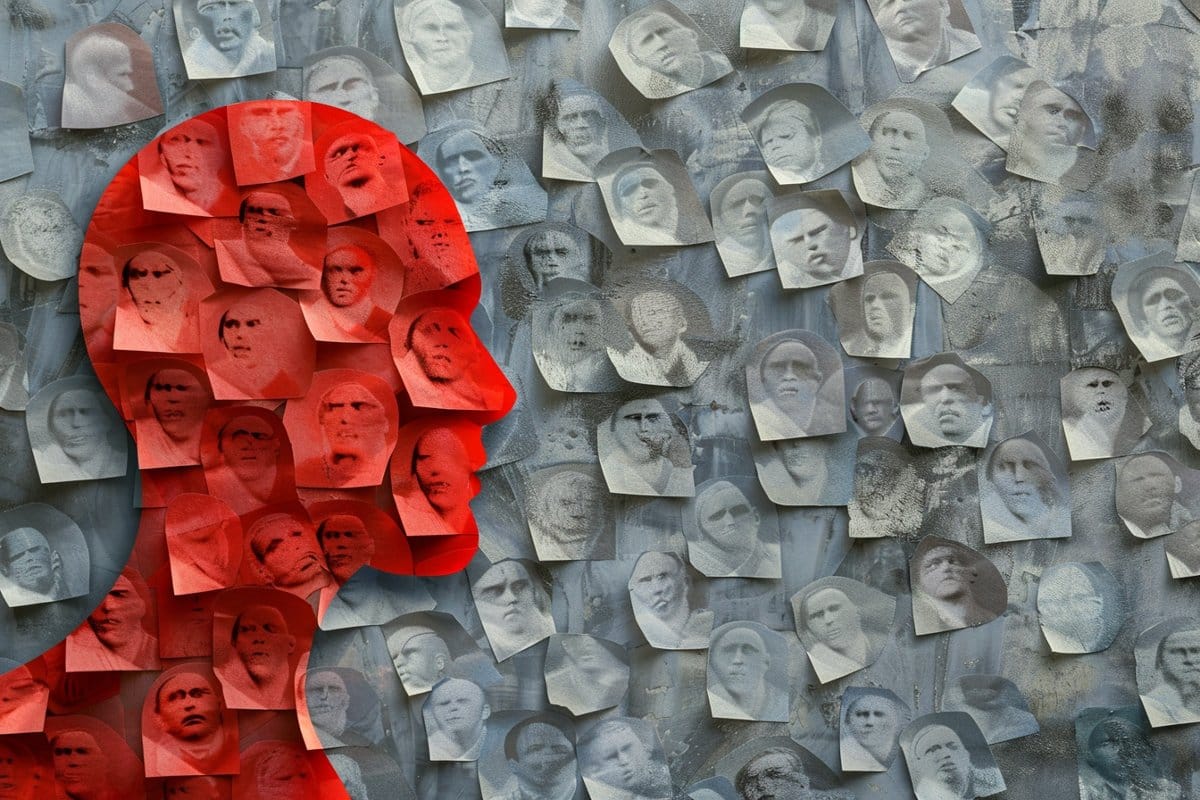
A study in cognitive neuroscience reveals that our brains favor learning from individuals we like over those we dislike, impacting memory integration and potentially reinforcing polarization in society. The research demonstrates that personal preferences significantly affect our ability to connect information and form new inferences, highlighting the fundamental role of likability in learning processes and its potential impact on beliefs and perceptions.