Tag

Meteor Shower Viewing

All articles tagged with #meteor shower viewing

Lyrid Meteor Shower Peaks With Bright Fireballs This Week
space1 month ago

Lyrid Meteor Shower Peaks With Bright Fireballs This Week

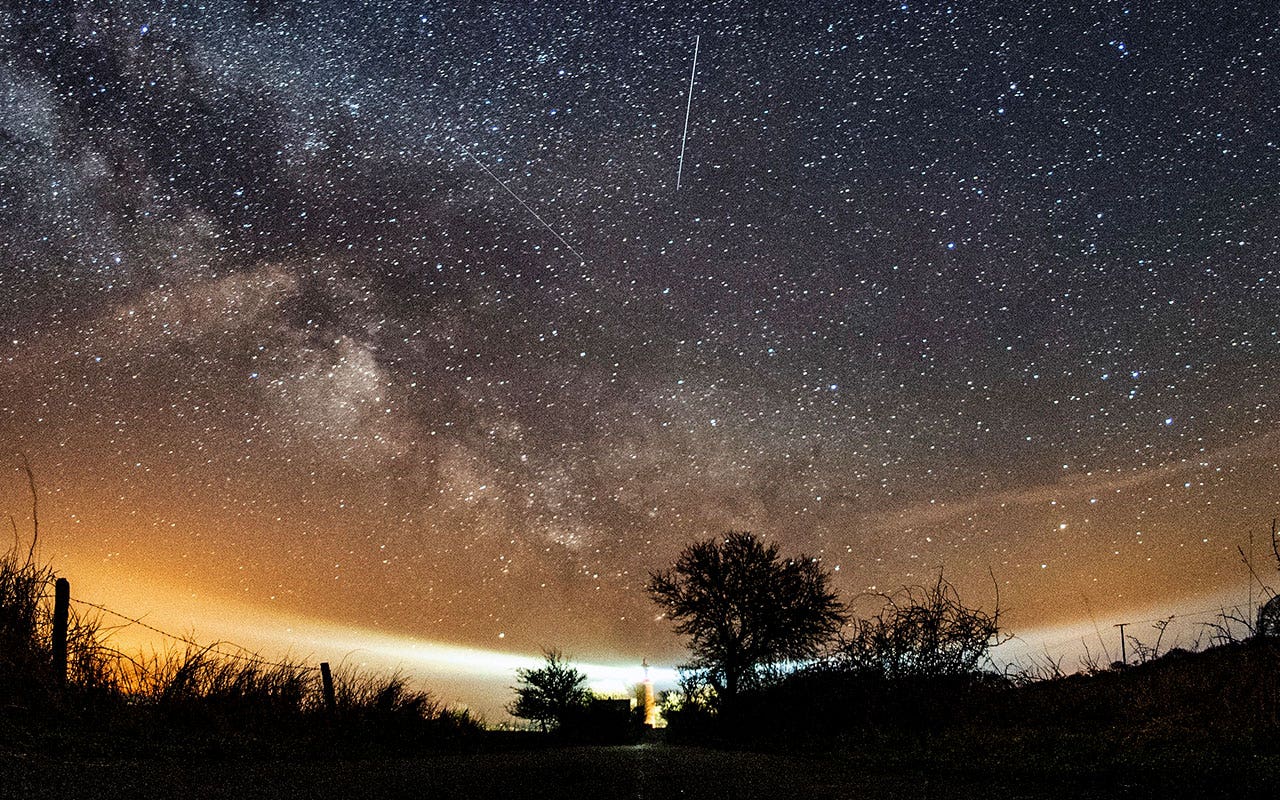
The Lyrid meteor shower peaks on April 22–23, offering 10–20 bright shooting stars per night under a dim crescent moon, best viewed from dark skies in the Northern Hemisphere. Meteors radiate from the Lyra constellation and are debris from comet Thatcher, which last visited the solar system in 1861; the display is notable this year due to favorable viewing conditions and little moonlight, with the next major shower not arriving until Eta Aquarids in May.

Lyrid meteor shower peaks April 21–22: tips for prime viewing
science1 month ago

Lyrid meteor shower peaks April 21–22: tips for prime viewing

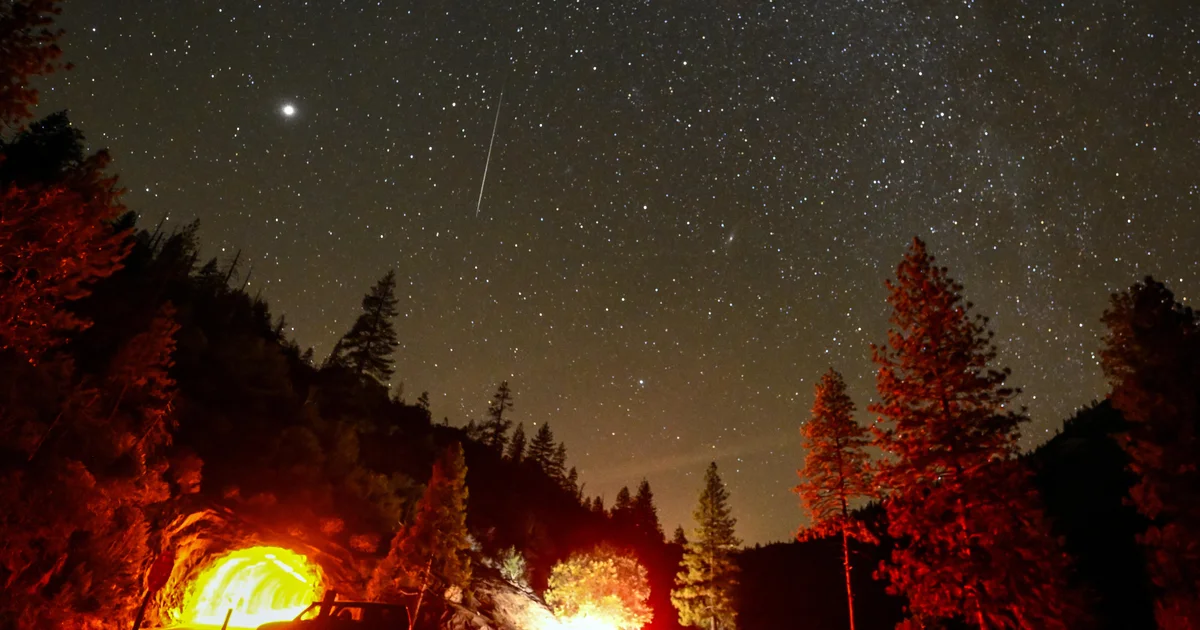
The Lyrid meteor shower, one of the oldest recorded, peaks the night of April 21–22, offering about 10–15 meteors per hour in dark skies after moonset. The debris comes from Comet Thatcher, with the radiant in the Lyra constellation near Vega; for best viewing, find a dark location away from city lights, lie back facing east, and give your eyes 15–20 minutes to adjust, watching in the predawn hours when the radiant is high.

Catch the Spectacular Geminid Meteor Shower Tonight
science1 year ago

Catch the Spectacular Geminid Meteor Shower Tonight

The Geminid meteor shower, one of the year's most reliable, peaks tonight but will be hindered by a nearly full moon, reducing visibility by 50-75%. Despite this, bright meteors may still be visible, with optimal viewing away from city lights. The Geminids, originating from asteroid 3200 Phaethon, are known for their bright yellow meteors and can be seen worldwide. Observers in the U.S. might see around 15 meteors per hour during the peak.

"2024 Lyrid Meteor Shower: Peak Viewing Tips and Best Places to Watch"
astronomy2 years ago

"2024 Lyrid Meteor Shower: Peak Viewing Tips and Best Places to Watch"

The annual Lyrid meteor shower is currently underway, peaking Sunday into Monday with an expected 10 to 20 meteors per hour. To observe the event, look to the northeast and maintain focus on the same spot in the sky, although the nearly full moon may hinder visibility. Meteor showers originate from comet debris and can be seen without special equipment, with the next major shower being the Eta Aquarids in early May.