Myanmar shifts Suu Kyi to house arrest from prison
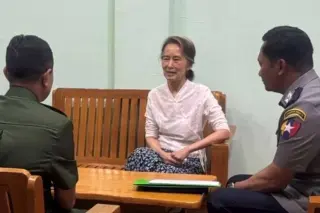
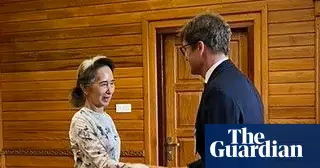
Myanmar's former leader Aung San Suu Kyi has been moved from prison to house arrest, signaling ongoing detention under the military government as political and legal proceedings continue.
All articles tagged with #military coup

Myanmar's former leader Aung San Suu Kyi has been moved from prison to house arrest, signaling ongoing detention under the military government as political and legal proceedings continue.

Myanmar's state media says ex-leader Aung San Suu Kyi has been moved to house arrest, with the remaining sentence to be served at a designated residence after more than five years in detention since the 2021 coup; the announcement, shown on state TV, has drawn skepticism from her son and little communication from lawyers and family, and could indicate the junta preparing further changes in her status.

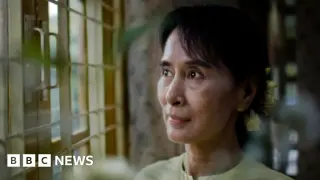
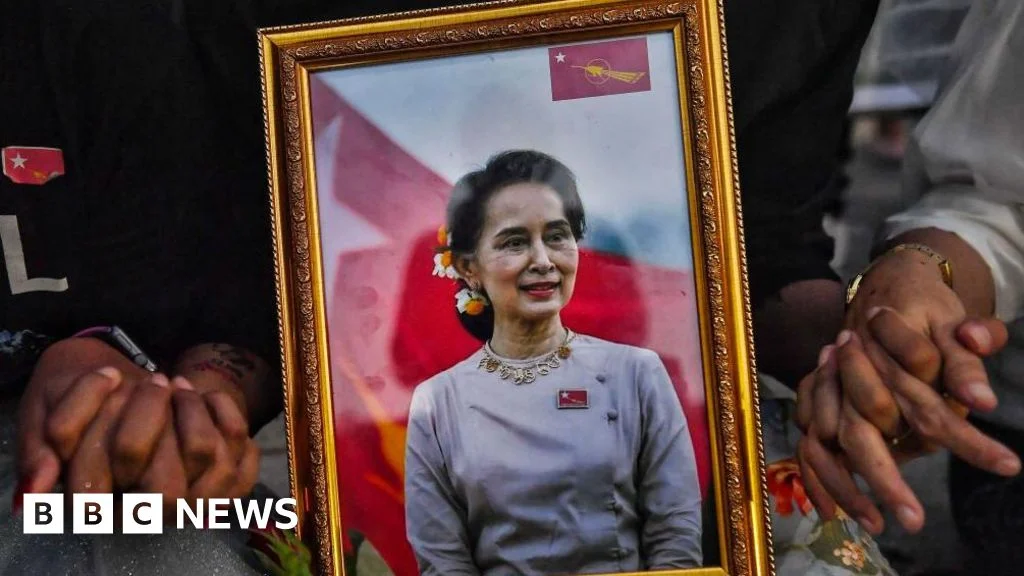
From a Nay Pyi Taw prison, Aung San Suu Kyi has spent about 20 years in detention—five of them since the 2021 coup—while health and conditions remain unknown and contact with lawyers scarce. Yet she remains Myanmar's defining political symbol, fueling calls for her release and highlighting the country’s deepening civil conflict as the military tightens its grip. The piece contrasts past reform-era hopes with the current stalemate created by the 2008 constitution and the ejected path to democracy, noting that even if released, her influence is uncertain due to age and health.

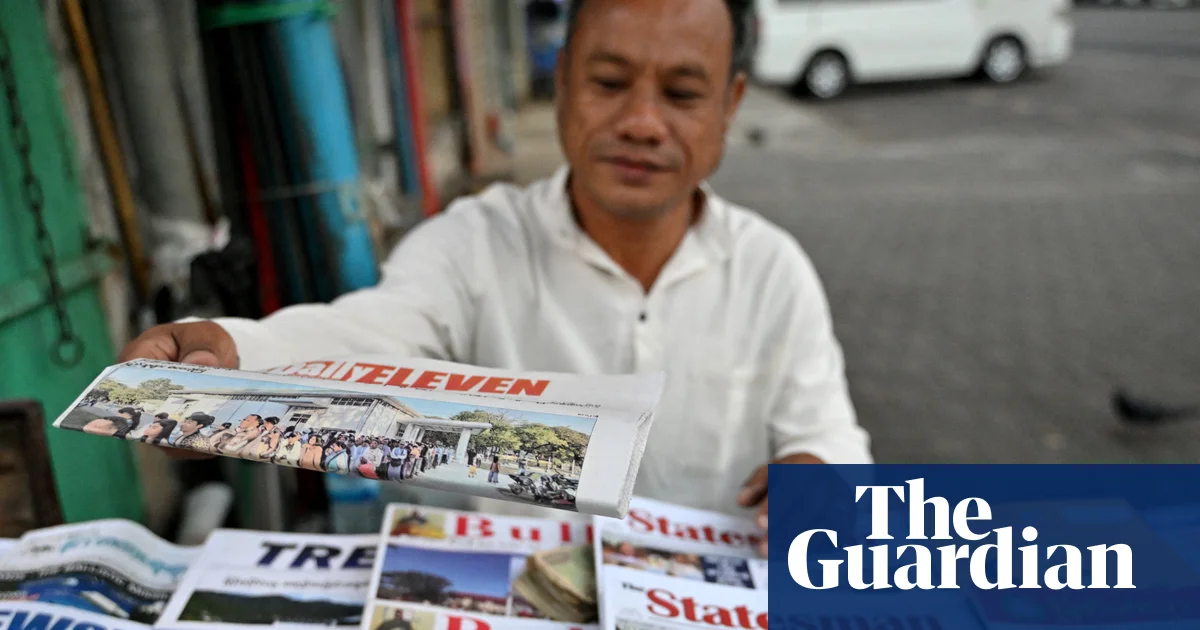
Nearly five years after Myanmar's military coup, life remains tense and fearful for its citizens, with a widely condemned sham election underway amidst ongoing conflict, economic collapse, and suppression of dissent, leaving many to feel that true democracy is still out of reach.

Guinea's military leader Mamady Doumbouya has been declared the winner of the presidential election with 86.72% of the vote, marking a move towards civilian rule after a military coup in 2021. The election was boycotted by main opposition leaders, and the results are pending validation by the Supreme Court.

Myanmar's military has regained momentum in its conflict, aided by shifting Chinese support, despite ongoing civil war and international condemnation of its elections, which are largely controlled by the military's proxy party. China plays a complex role, supporting the military while also engaging with opposition groups, and is likely to continue backing the military as long as it aligns with its strategic interests, including infrastructure projects and regional stability.

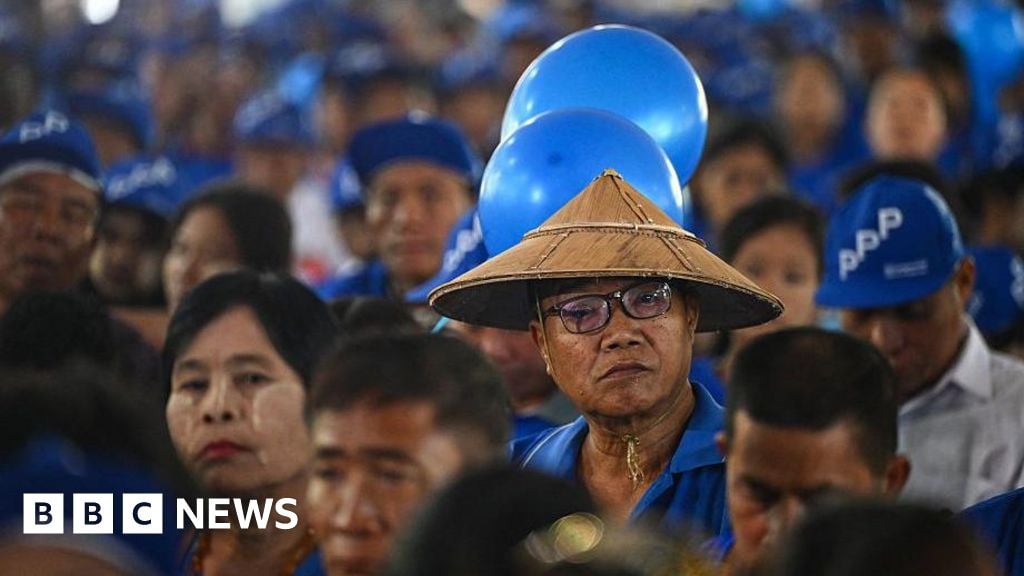
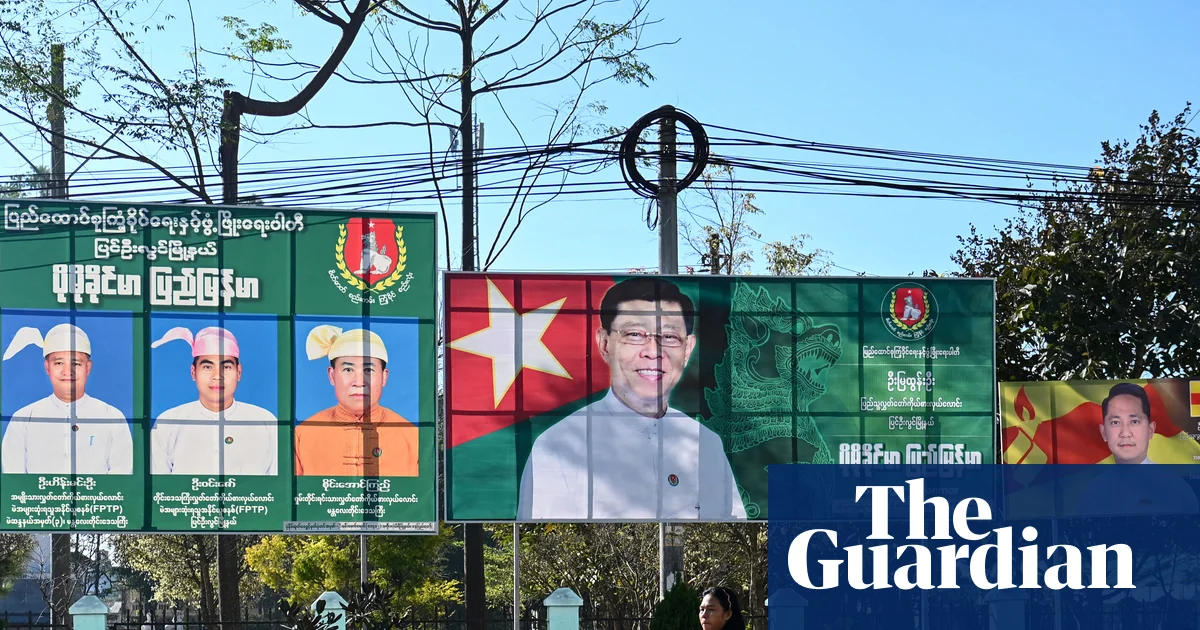
Myanmar is holding a controversial election amid ongoing civil war, with widespread criticism, political repression, and logistical challenges, as the military seeks to legitimize its rule despite significant opposition and violence.

Myanmar is holding a controversial election under military rule, widely seen as illegitimate and designed to reinforce the military's grip on power amid ongoing conflict, repression, and territorial losses, with international criticism and limited genuine opposition.

Guinea-Bissau's electoral commission cannot finalize the presidential election results after armed men stole vote tally sheets during a period of political instability marked by a military coup and disputed election outcomes, with the country experiencing ongoing political turmoil and violence.

The Myanmar military has raided KK Park, a notorious scam hub linked to Chinese mafia and human trafficking, as part of its efforts to regain control amid ongoing civil conflict, revealing ongoing illegal activities and international connections.

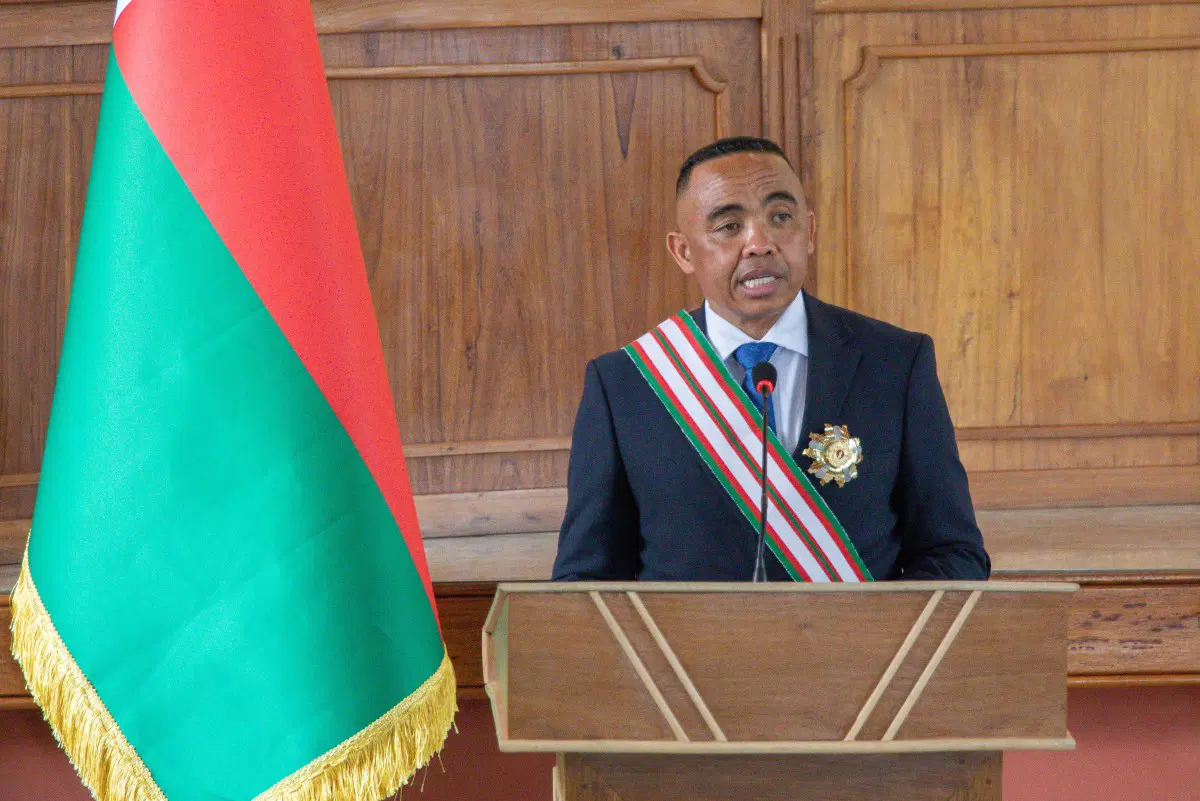
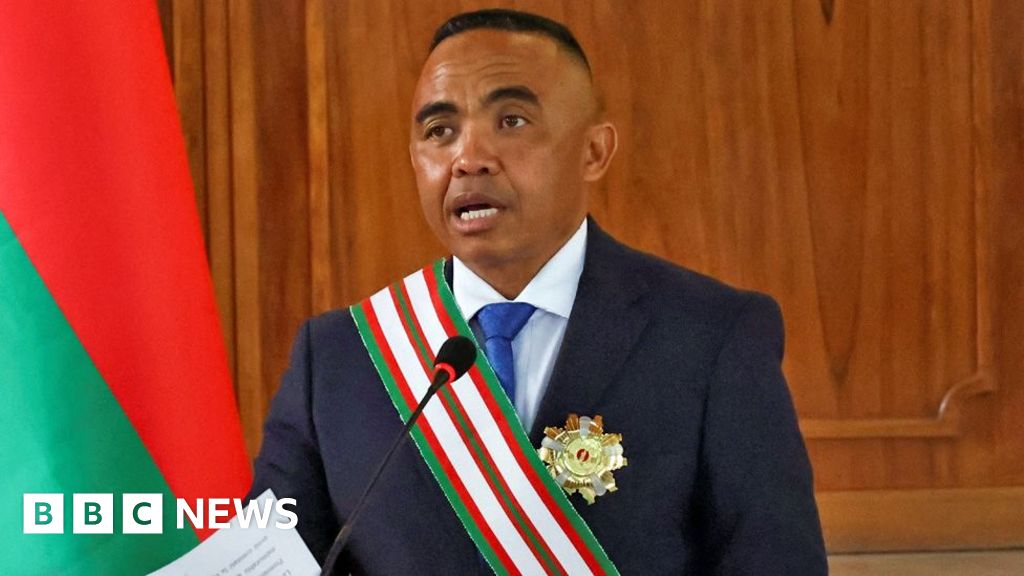
Army colonel Michael Randrianirina was sworn in as Madagascar's president following a military takeover after the impeachment and flight of ex-president Andry Rajoelina, amid ongoing protests and international concern for stability and democracy.

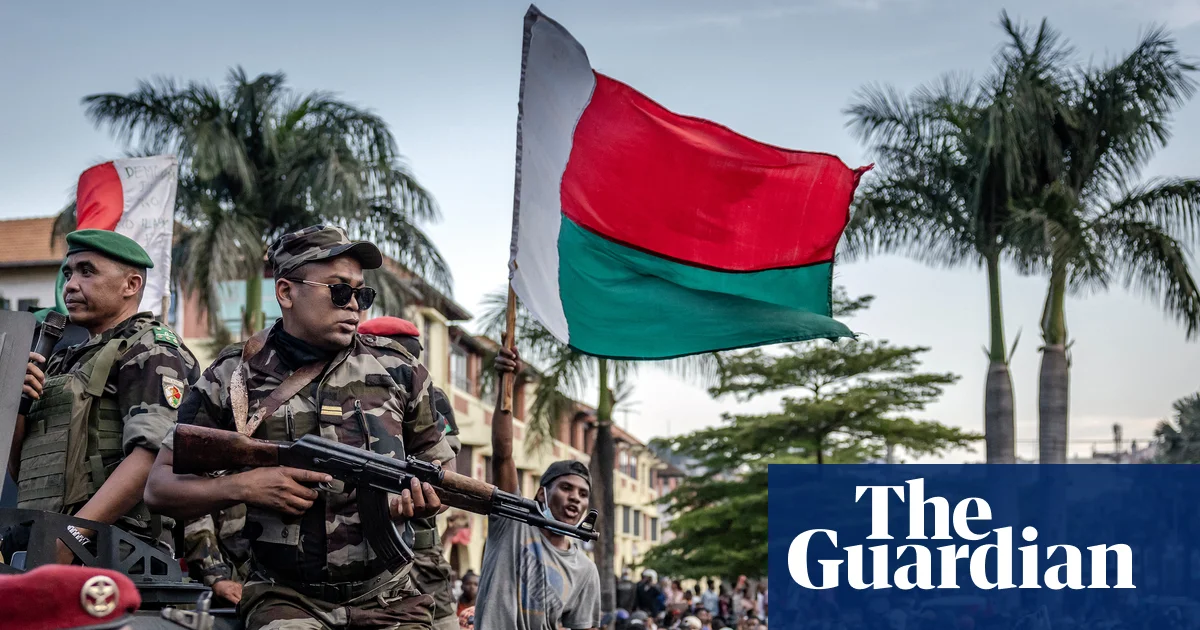
Young protesters in Madagascar, inspired by global youth movements, successfully ousted President Rajoelina through mass demonstrations, with military support from Capsat, leading to a military-led transitional government. The protests were driven by frustration over corruption, poor living conditions, and lack of political inclusion, highlighting the significant role of Madagascar's youth in shaping the country's future.

Madagascar's military leader Colonel Michael Randrianirina has been sworn in as president following a military takeover prompted by protests against the previous government, with promises of electoral reforms and national unity during a transitional period, amid international criticism and potential shifts in foreign relations.

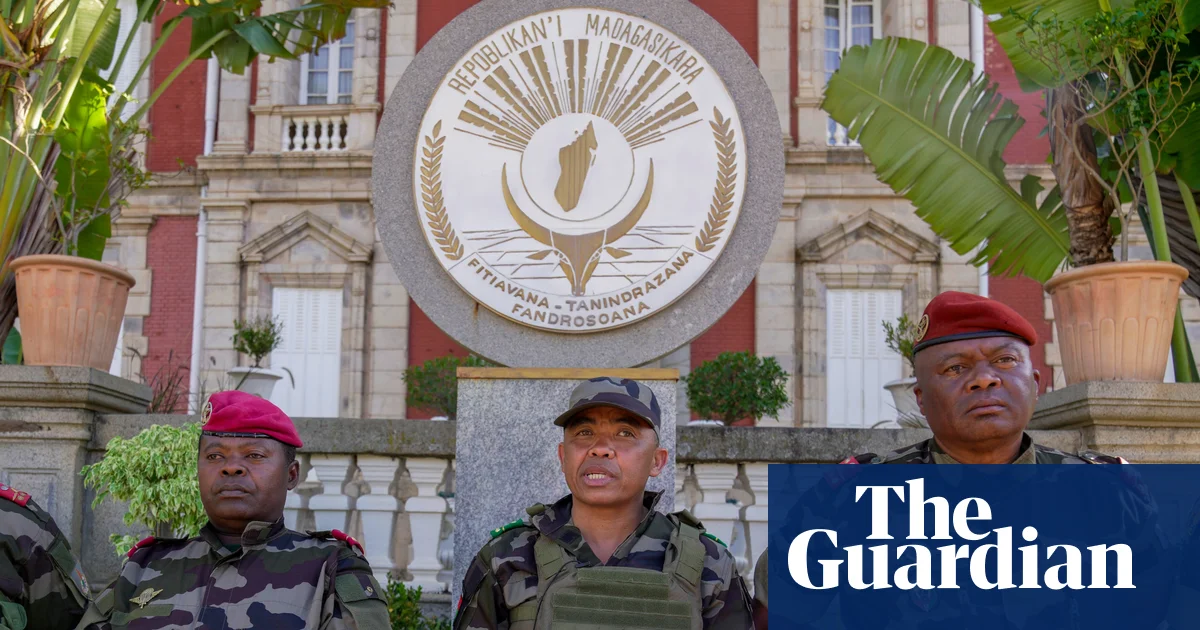
Madagascar's military has taken control, ousting President Rajoelina, and the military leader is set to be sworn in as president, prompting the African Union to suspend the country and international concern over the unconstitutional change of power.

Madagascar experienced mass protests over water and power shortages, leading to President Rajoelina's resignation and a military takeover, with widespread public demand for systemic change and better living conditions.