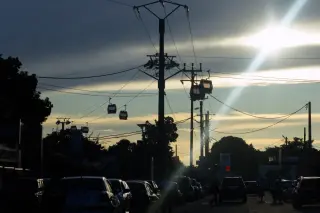
In Madagascar’s capital, millions were spent on a cable-car system meant to ease commuter gridlock, but the project did not deliver the expected traffic relief, underscoring the challenges of solving congestion with a single transportation fix.
Madagascar detained a former French serviceman on charges of criminal conspiracy and plotting to destabilise the country, including sabotage of power lines and thermal plants, with other suspects including a Malagasy army officer charged; the plot reportedly aimed for April 18. Madagascar also expelled a French diplomat, prompting France to protest while Paris denies involvement. Prosecutors said the group spread false information, harboured wanted individuals, and evidence cited a WhatsApp group named 'Revolution of the Brave Citizens' linked to plans for power cuts, inciting security forces, and mobilising youths.
Madagascar has placed former French national serviceman Guy Baret in pretrial detention and expelled a French embassy official amid an investigation into a purported destabilisation plot. Prosecutors say the group, which includes a Malagasy army officer, planned to spread false information, sabotage infrastructure such as Jirama power facilities, harbour wanted individuals, and conspire against the state; some suspects face judicial supervision while the mastermind status remains contested. France protested the expulsion and summoned its envoy, amid a broader backdrop of Madagascar-France tensions.
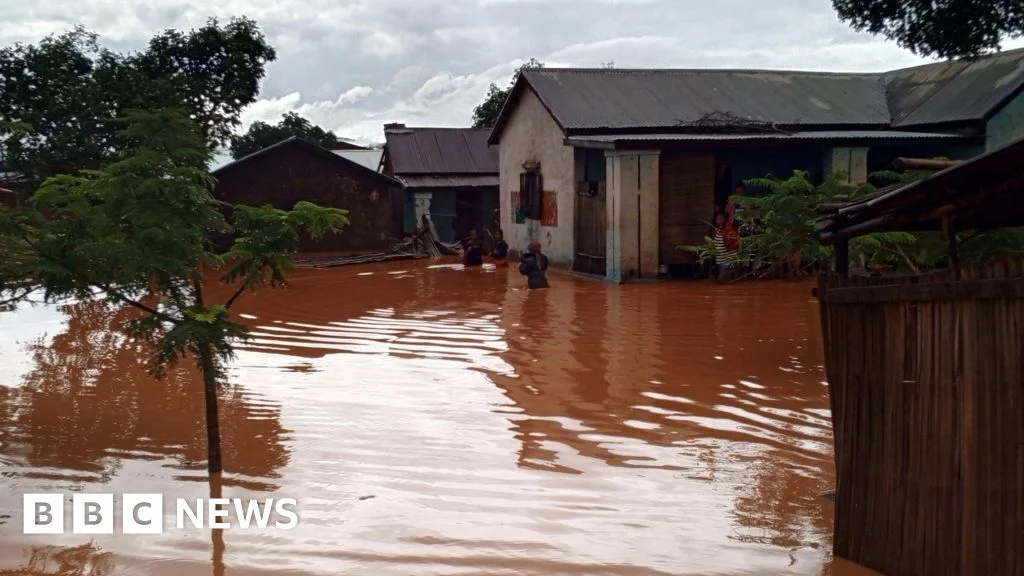
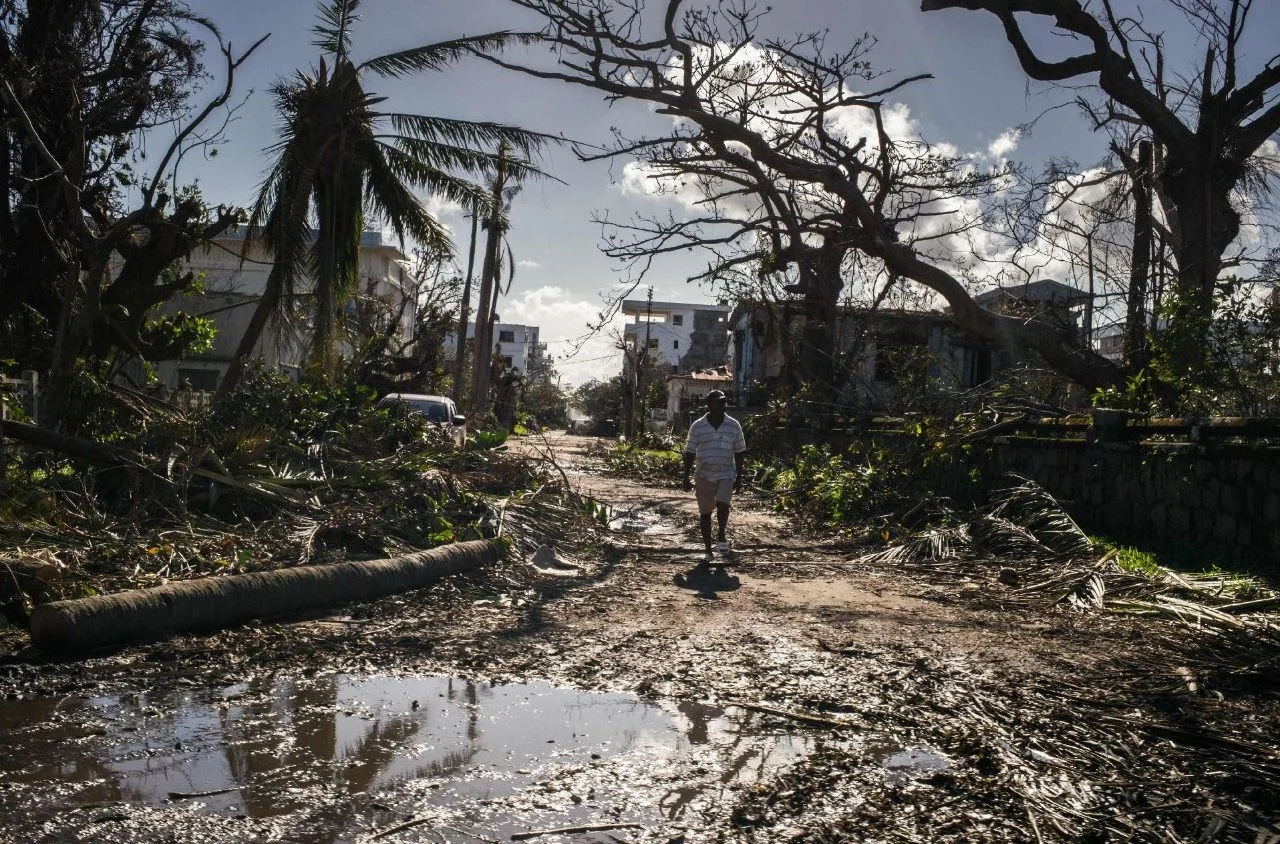
Conservation charity Durrell says their Madagascar field teams have been caught up in two February cyclones (Fytia and Gezani), leaving communities without homes, food or clean water and damaging facilities for tortoises and lemurs. It is raising more than £50,000 for relief, with emergency aid delivered alongside Jersey Overseas Aid to help families rebuild and support conservation work.
After the Angelus, Pope Leo XIV expressed solidarity with Madagascar’s people as back-to-back cyclones Gezani and Fytia cause displacement (about 16,000 people) and fatalities (at least 40 dead), with authorities and the UN directing search-and-rescue, evacuation, shelter and food aid while Madagascar appeals for international assistance; the Pope also offered Lunar New Year blessings.
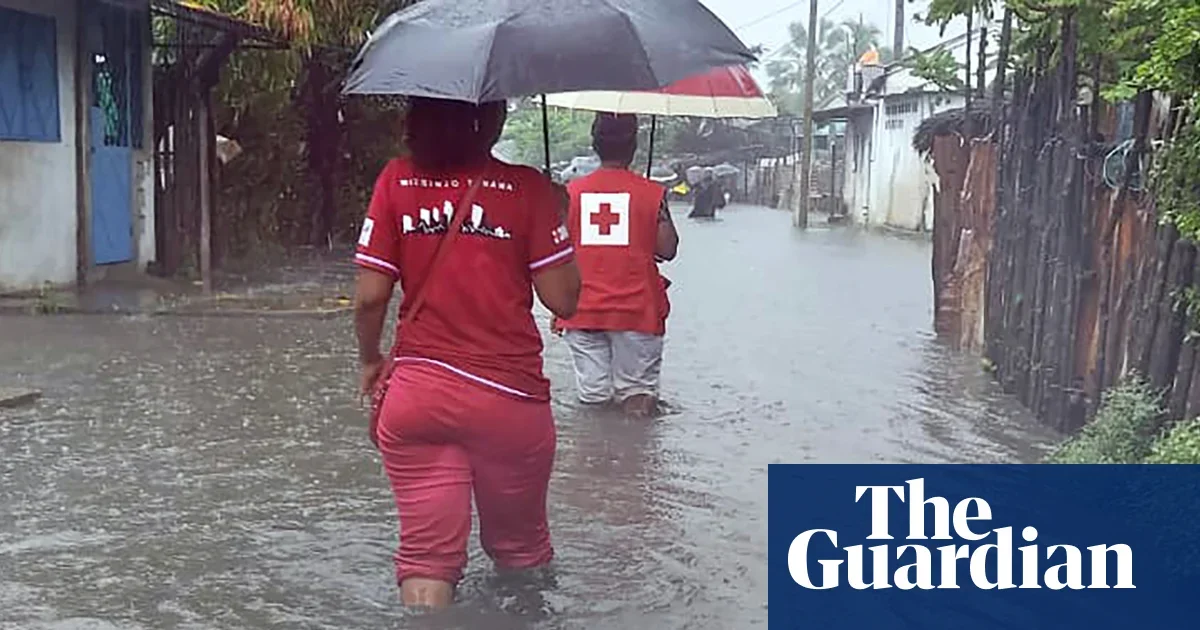
Madagascar's first tropical cyclone of the season, Fytia, brought heavy rain and strong winds that killed at least three people and affected about 28,000 others; officials warned of flooding and landslides as up to 150mm of rain per day was forecast and red alerts were issued, with travel disruption anticipated.
A tiny Darwin’s bark spider in Madagascar builds webs spanning rivers up to 80 feet long, using dragline silk that absorbs energy far better than Kevlar—about ten times tougher—setting a new benchmark for natural materials and prompting questions about the silk’s molecular basis.
The US has issued a Level 3 travel advisory for Madagascar due to rising crime, protests, and political unrest, warning travelers to reconsider trips, avoid demonstrations, and stay vigilant amid ongoing violence and instability.
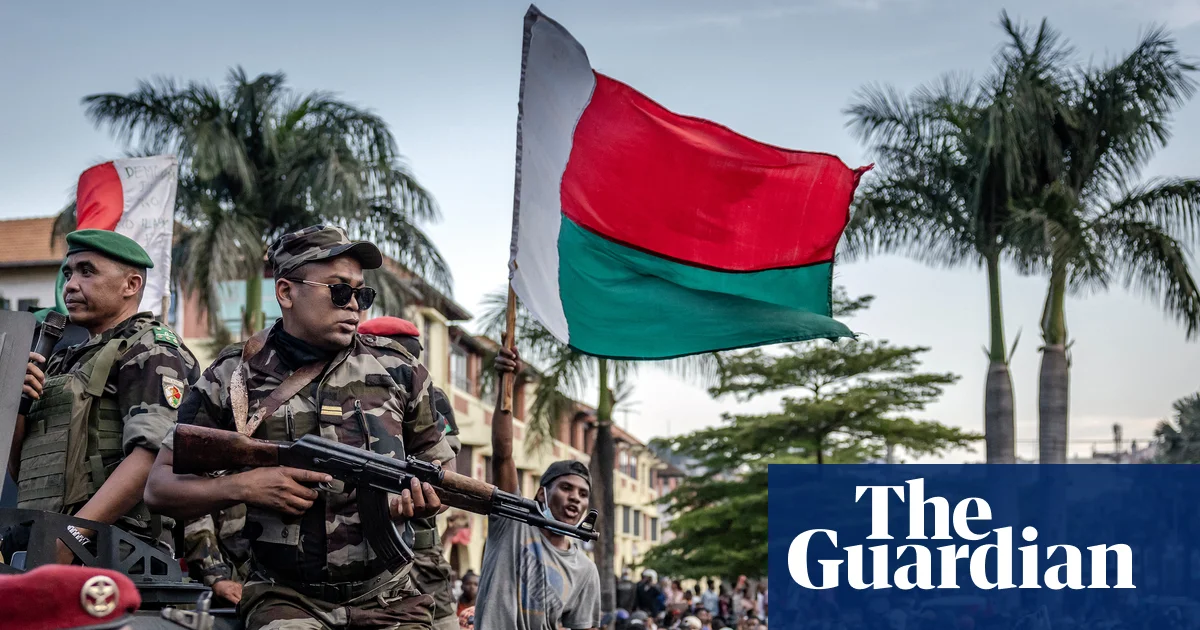
Madagascar's youth-led protests, primarily organized via social media, resulted in the military ousting President Rajoelina, reflecting a broader trend of Gen Z activism across Africa and other regions, where young people are demanding political change amid economic and governance issues. These movements pose a challenge to established leaders, with potential for more widespread unrest if underlying issues remain unaddressed.
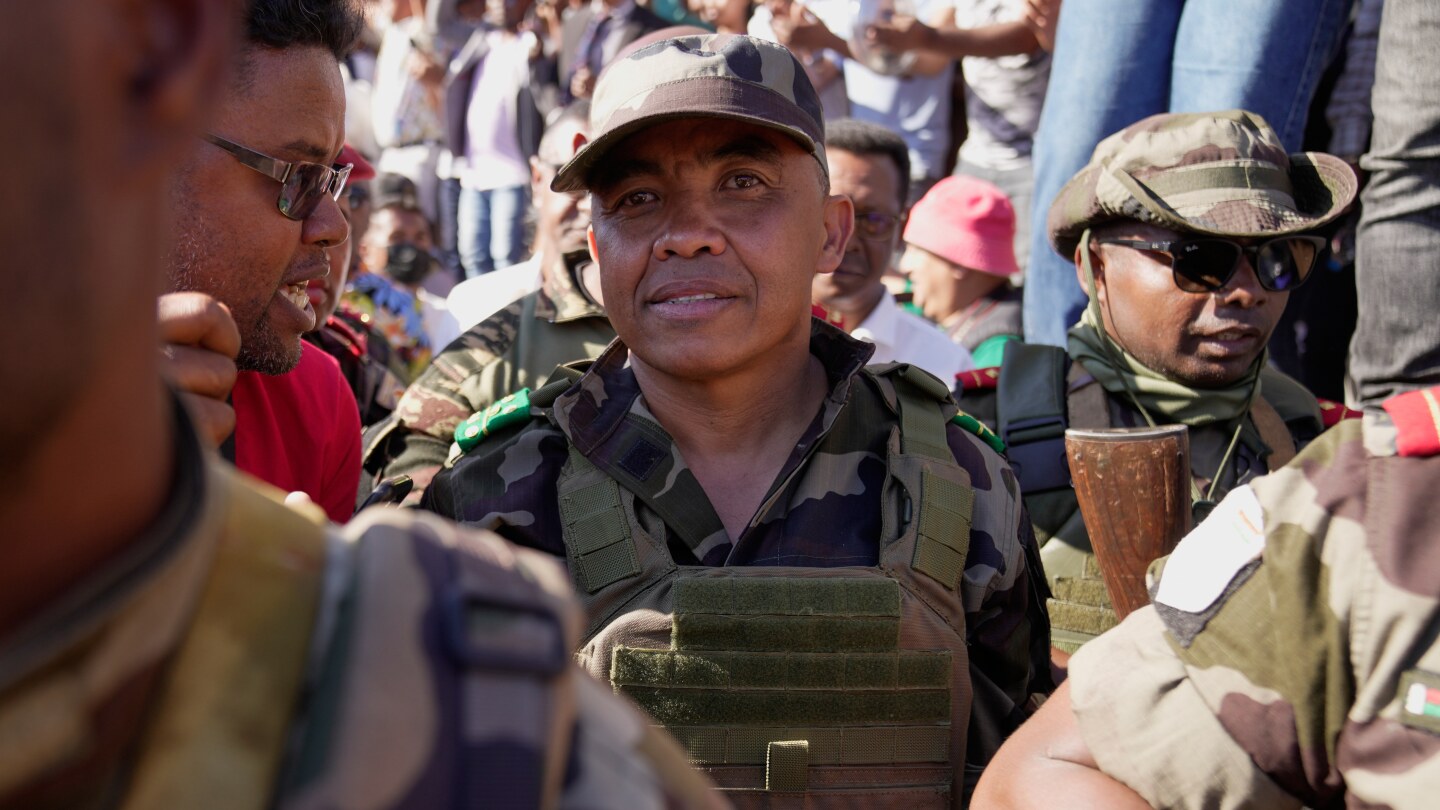
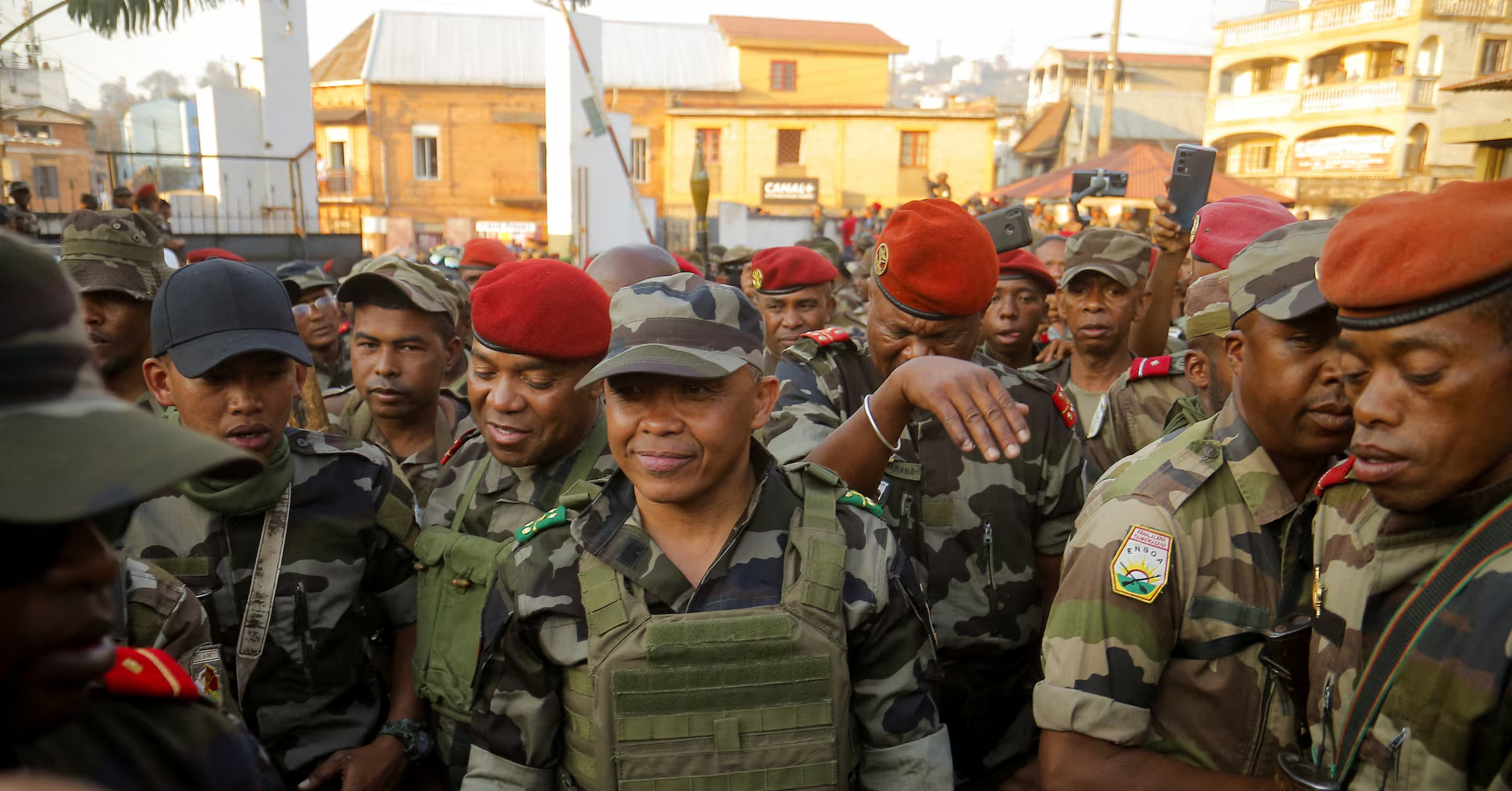
Colonel Michael Randrianirina became Madagascar's leader after a swift military coup, following weeks of protests and his previous detention for mutiny. He emerged as the figurehead of the uprising, which has been condemned internationally, including by the UN and African Union.
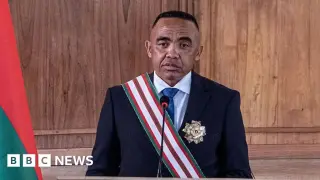
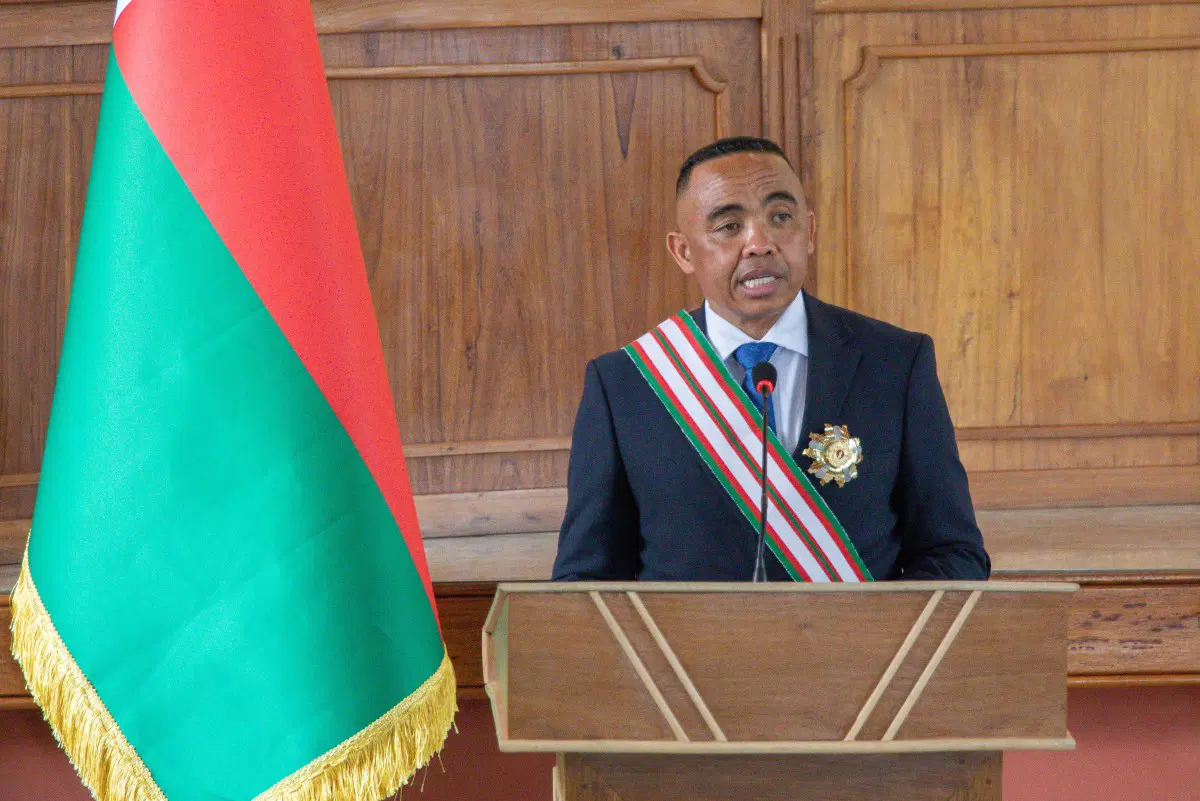
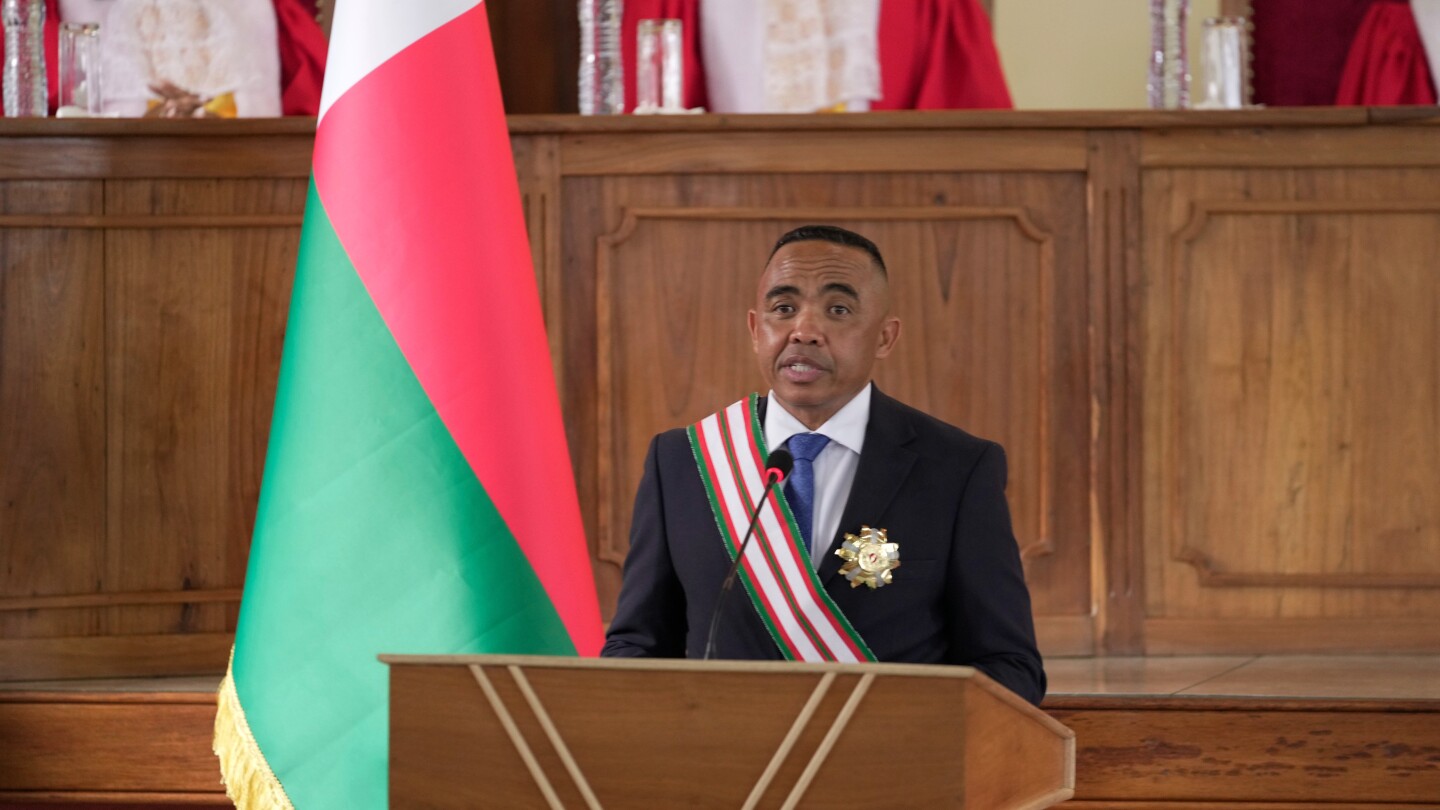
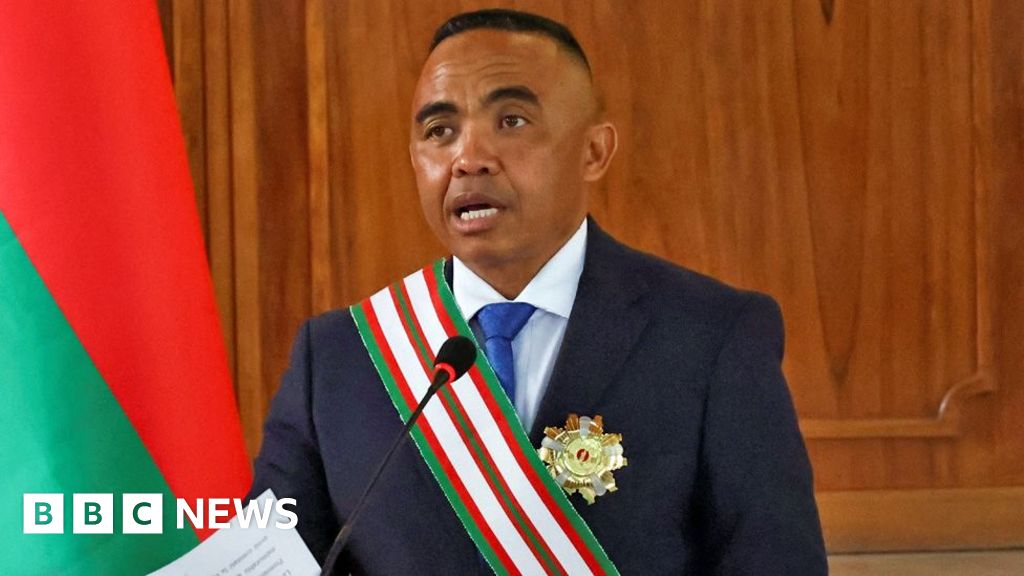
Army colonel Michael Randrianirina was sworn in as Madagascar's president following a military takeover after the impeachment and flight of ex-president Andry Rajoelina, amid ongoing protests and international concern for stability and democracy.
Young protesters in Madagascar, inspired by global youth movements, successfully ousted President Rajoelina through mass demonstrations, with military support from Capsat, leading to a military-led transitional government. The protests were driven by frustration over corruption, poor living conditions, and lack of political inclusion, highlighting the significant role of Madagascar's youth in shaping the country's future.
An army colonel, Michael Randrianirina, seized power in Madagascar through a military coup, was sworn in as president, and announced a military-led government for 18 months to two years amid international condemnation and ongoing protests.
Madagascar's military leader Colonel Michael Randrianirina has been sworn in as president following a military takeover prompted by protests against the previous government, with promises of electoral reforms and national unity during a transitional period, amid international criticism and potential shifts in foreign relations.
Madagascar's military has ousted President Rajoelina, with Colonel Michael Randrianirina taking power and planning to lead a transitional government for up to two years, prompting the African Union to suspend the country and call for the restoration of civilian rule amid widespread protests and political instability.