
Tag

Minimal Genome

All articles tagged with #minimal genome

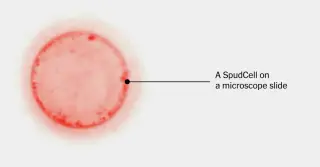
SpudCell: the Open-Source Synthetic Cell That Feeds, Grows and Divides
science14 hours ago

SpudCell: the Open-Source Synthetic Cell That Feeds, Grows and Divides

Scientists at the University of Minnesota created SpudCell, a manmade, liposome-encased system that can feed, grow, reproduce and compete for nutrients using a 36-gene gene set derived from a virus and E. coli; though not fully alive, it shows key life‑like traits and can evolve in mixed cultures. Researchers aim to add ribosomes and longer-term self-replication, and they've launched Biotic—a nonprofit to foster open collaboration while addressing biosafety.

Rethinking the human genome: aiming for a minimal, learnable blueprint
science28 days ago

Rethinking the human genome: aiming for a minimal, learnable blueprint

A Nature World View piece argues that advances in DNA synthesis, genome assembly, and AI now make a synthetic human genome more feasible, but a shift in goals is needed: instead of pursuing an ultrasafe, full-genome rewrite, scientists should aim to define a minimal human genome to identify essential elements and gain deeper biological understanding, with growing funding interest (including a UK effort to build a fully synthetic human chromosome) signaling a real rethinking of the project’s scope.

Unveiling the Power of Evolution in Artificial Cells
science3 years ago

Unveiling the Power of Evolution in Artificial Cells

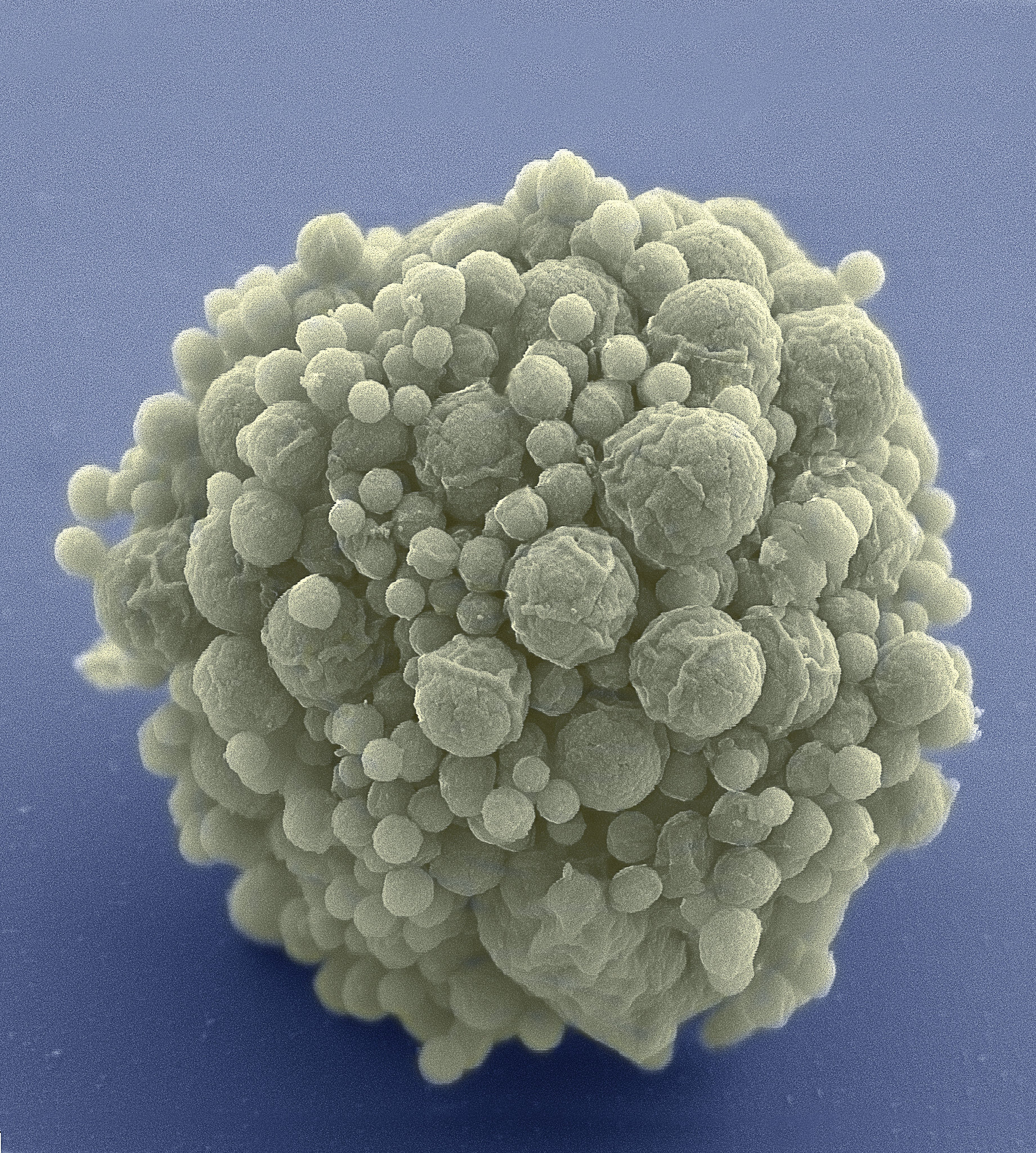
Researchers studying a synthetically constructed minimal cell, stripped of all but its essential genes, have found that the streamlined cell can evolve just as fast as a normal cell, demonstrating the capacity for organisms to adapt even with an unnatural genome that would seemingly provide little flexibility. The study used a synthetic organism with the smallest known set of genes required for autonomous cellular life, and after allowing it to evolve freely for 300 days, the researchers found that the evolved minimal cells performed better and recovered lost fitness, highlighting the power of natural selection and the robustness of life. The findings have implications for understanding the evolution of cellular complexity and have potential applications in various fields, including clinical treatment and the origin of life.