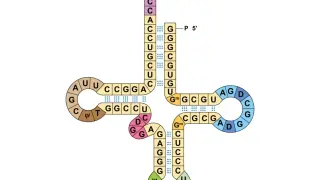
Two genetic codes run in parallel, opening new frontiers in synthetic biology
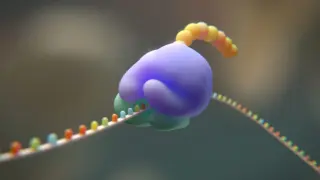
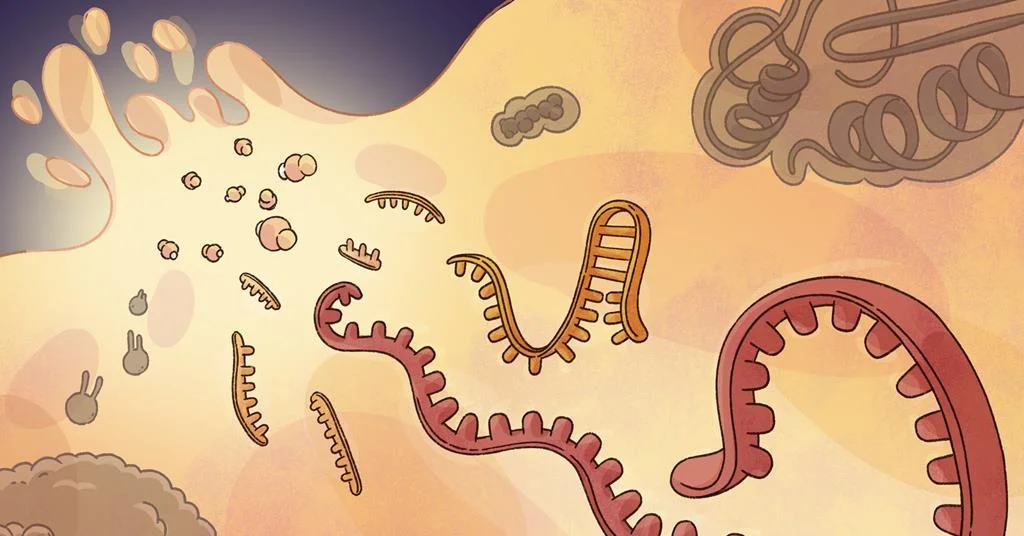
Researchers led by George Church demonstrate a cell‑free system where two distinct genetic codes operate in parallel, using separate ribosome–tRNA pairs to translate the same mRNA into different proteins. This bypasses the need to rewrite an organism’s entire genome and could accelerate synthetic biology, though it hasn’t been tested in living cells and could cause unintended protein misfolding or cell death if attempted in vivo.