More than 200 vendors at the 2026 Minnesota State Fair donated over 10,000 pounds of leftover food to Second Harvest Heartland and partner organizations. This consolidated donation effort aims to support over 1,000 families across Minnesota, marking a new logistical approach for fair waste reduction.
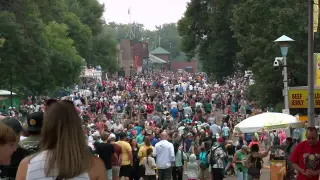
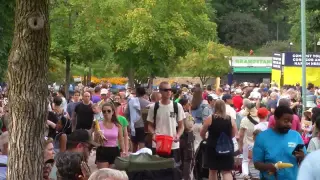
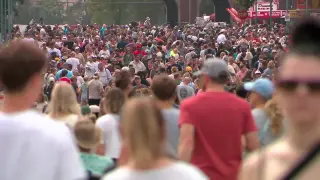
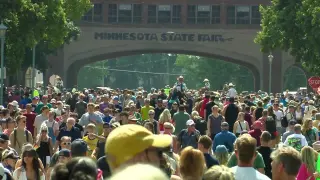
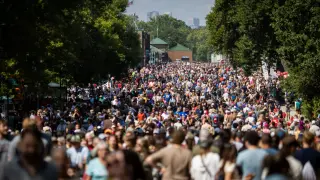
The 2026 Minnesota State Fair concluded with 1,923,325 total visitors, a decrease of 17,544 from the previous year. Although the fair opened with record-breaking crowds, overall attendance lagged in the second week, marking the first year-over-year drop since 2021. The event remains the seventh-largest in fair history, with weekend attendance slightly above recent averages despite a slower mid-week performance.
Federal agents seen at the Minnesota State Fair are Transportation Security Administration (TSA) Federal Air Marshal Service personnel focused on transit security, not immigration enforcement. Officials clarified that these agents have no partnership with ICE and are deployed to secure bus drop-off areas and public transportation hubs, a practice that has continued for four years.
The 2026 Minnesota State Fair recorded its lowest daily attendance yet on Tuesday, with 112,836 visitors. Despite the dip, the fair has welcomed 964,873 people in its first six days. Wednesday features Kids Day and Theater Day, with AJR headlining the Grandstand. Weather remains warm and dry, with highs in the mid-80s.
The 2026 Minnesota State Fair has recorded its highest attendance in the first four days of its history, drawing over 729,000 visitors. While the fair faces logistical challenges, including shuttle delays and potential late-week storms, public health officials report low mosquito activity. Current projections suggest the event may approach, but likely not surpass, the 2019 all-time attendance record due to expected weekend dips.
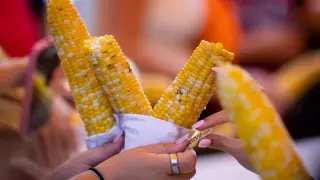
Jerry Untiedt, the 77-year-old founder of Untiedt Farm and sole supplier of sweet corn for the Minnesota State Fair’s Corn Roast for two decades, died in July from heart complications. His family continues the operation, maintaining the rigorous pre-dawn harvesting and delivery schedule required for the fair’s 12-day run. Untiedt was known for his unwavering commitment to quality, often personally harvesting replacement crops at night to ensure customer satisfaction. The Corn Roast, a fair staple for over 40 years, sold nearly 250,000 ears this year, with fairgoers praising the consistent quality of the corn despite the absence of its long-time supplier.
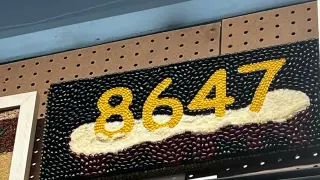
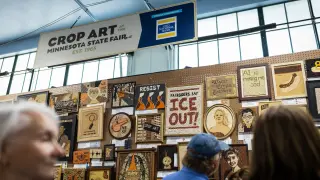
The Minnesota State Fair removed a crop art piece reading '8647' after the artist requested its removal due to harassment and doxxing. The phrase references President Trump, the 47th president, and the slang term '86,' meaning to remove or eject. While the fair confirmed the removal was at the artist's request, crop artist Ike Whiting reported that the artist faced threats, including people appearing near her home, after far-right media outlets publicized her identity. This incident is described as unprecedented for the competition, which typically displays all submissions unless they violate specific rules. Other artists reported similar online harassment, though the '8647' piece was the only one removed. The fair has not issued a public explanation for the removal, leading some visitors to call for transparency.
Record-breaking attendance at the 2026 Minnesota State Fair has caused severe delays and overcrowding on Metro Transit shuttle services, with some riders waiting hours for transport. Metro Transit is adding resources to manage the surge, though specific issues at Blaine and Cottage Grove park-and-ride locations have exacerbated wait times.
The 2026 Minnesota State Fair achieved back-to-back attendance milestones, with Friday's crowd of 204,065 surpassing the previous record by over 30,000. Favorable weather and a late Labor Day are driving record-breaking turnout, with the fair continuing through September 7.
The 2026 Minnesota State Fair opened with a record-breaking 155,185 attendees, surpassing the 2024 mark by a significant margin. Favorable weather and a packed schedule, including 'Weird Al' Yankovic's performance, drove the surge. The event also featured a record 594 crop art pieces, many addressing the federal immigration enforcement surge, alongside 36 new food offerings.
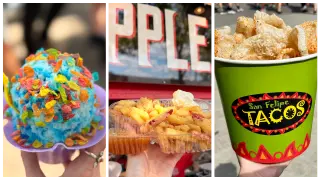
The 2026 Minnesota State Fair introduced 36 new foods and eight new vendors, with attendance records broken on the first day. Reviews highlight standout items like Apple Fries and Hmong Corndogs, while criticizing overpriced or poorly executed dishes.
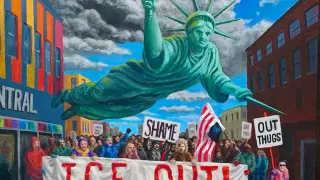
The 2026 Minnesota State Fair art exhibitions reflect a shift toward political resistance, with record submissions focusing on the federal immigration enforcement surge. Artists used seed mosaics and fine art to depict local incidents, protest symbols, and historical parallels, marking a departure from the fair’s traditional apolitical fine arts focus.
The Minnesota State Fair’s crop art exhibit has reached a new record with 594 submitted pieces, up from 451 last year. The surge in entries has created long lines and space constraints, prompting officials to joke about needing a $10 million donation for a dedicated building. Themes this year include local sports teams, recent pop culture, and federal policy, while rules require all seeds to be Minnesota-grown, leading to the upcoming ban of quinoa.
The 2026 Minnesota State Fair opened on August 27 with ideal weather and massive crowds, potentially challenging the 2024 attendance record. Gates opened at 7 a.m., with nine-year-old MaryJane Burgett claiming the first-in-line title after camping near the entrance for 24 hours. The fair runs for 12 days, featuring new food items like 'Moo-sota Apple Pie' ice cream and a reorganized crop art line to manage congestion. Bonnie Raitt headlined the Grandstand on opening night, while Jena Hanson was crowned the 73rd Princess Kay of the Milky Way. Baked goods submissions hit a record 4,135, reflecting a 30% increase from previous years.
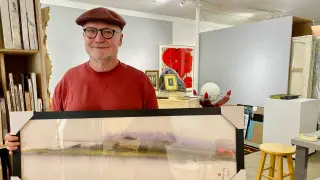
The 2026 Minnesota State Fair Fine Arts Competition accepted only 340 of 3,185 submissions, resulting in an acceptance rate below 10 percent. This high rejection rate has fueled a thriving secondary market for excluded works, with two local galleries hosting dedicated exhibitions for rejected pieces. Minneapolis artist Bob Schmitt, who has never been accepted since 1969, is participating in these alternative shows for the first time, emphasizing that rejection does not define an artist's skill or value.