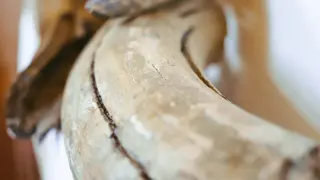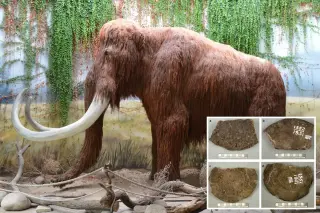
Archaeologists in Alaska have corrected a misidentification: bones initially identified as ancient mammoths are actually whale remains located about 250 miles away, changing the interpretation of the discovery.
Alaskan fossils long labeled as mammoth bones were found to be two whale species (minke whale and North Pacific right whale) after radiocarbon dating showed ages of 2,000–3,000 years — far younger than mammoths. Isotopic and DNA testing confirmed cetacean origin and marine diets, and the remains, stored for seven decades in a museum, were likely mislabeled or misattributed since the 1950s. The discovery prompts questions about how coastal whale remains ended up inland and adds to a growing pattern of fossil misidentification.
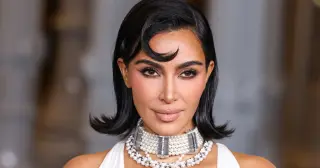
A New York man named Ivan Cantu was ordered to pay Kim Kardashian’s attorneys over $167,000 in legal fees after he sued over her mistaken Instagram post that wrongly identified him as a Texas death-row inmate. The suit was dismissed on an anti-SLAPP basis, and Kardashian’s fee request was largely granted (reduced from $186,320).
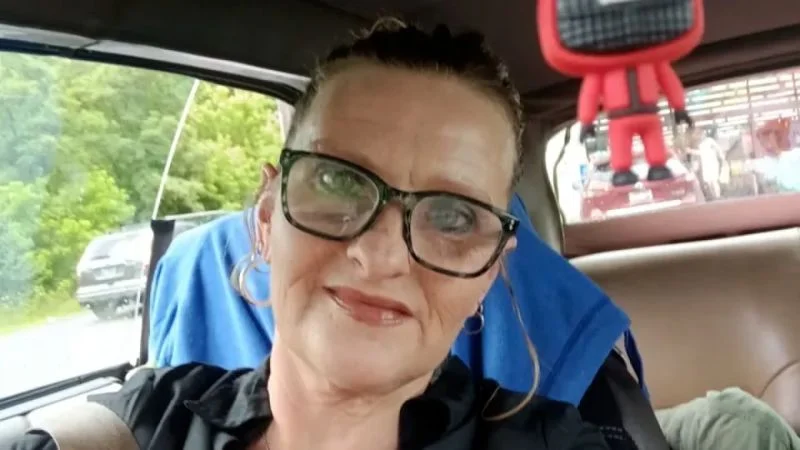
A Tennessee grandmother with no North Dakota travel history was arrested after Fargo police relied on a neighboring agency’s facial-recognition system and Clearview AI to link her to Fargo bank frauds; she spent more than five months jailed in Tennessee before charges were dismissed when exculpatory evidence showed she was in Tennessee, and authorities acknowledged errors and pledged procedural changes to prevent similar misidentifications in the future.
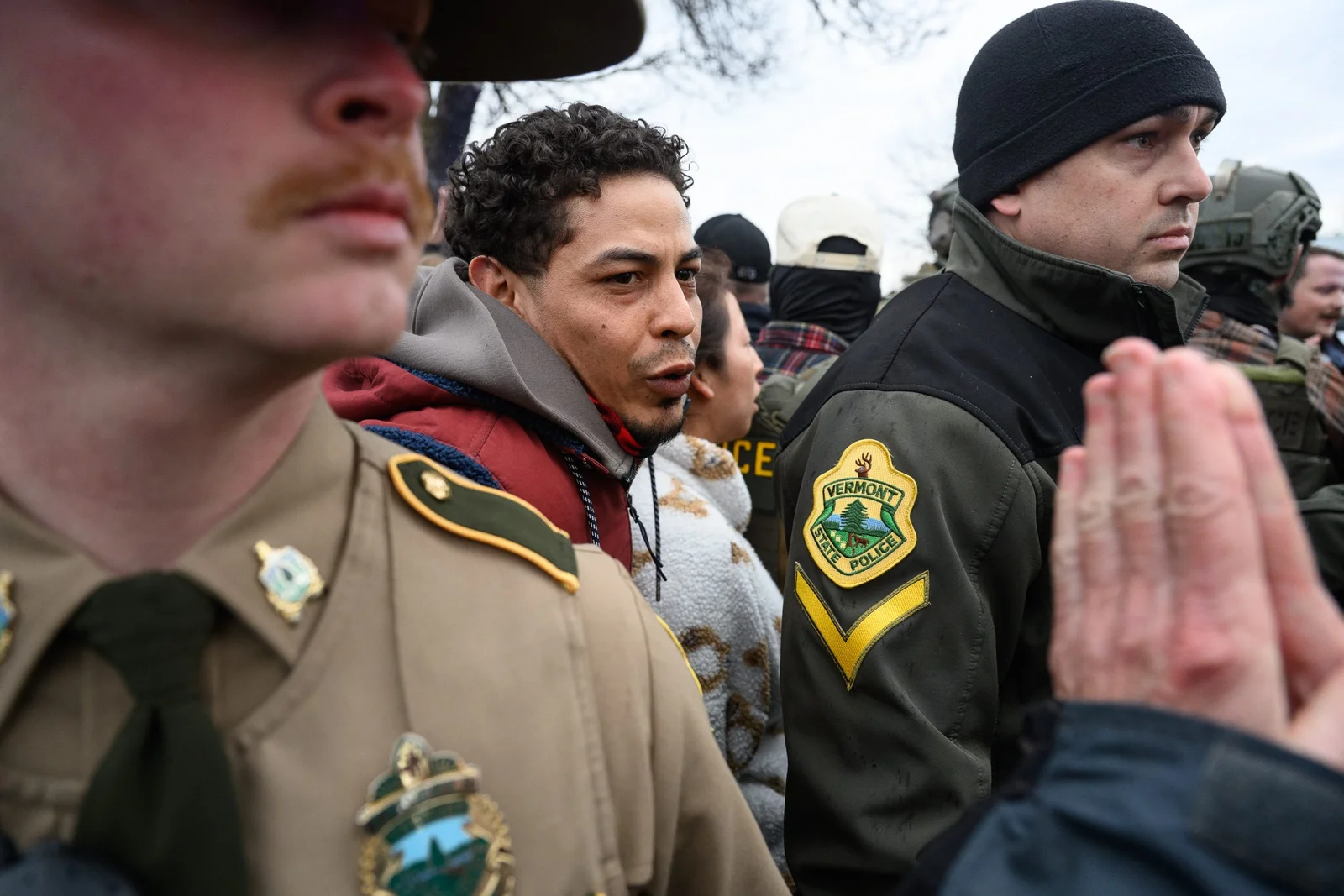
Federal ICE agents attempted to arrest Deyvi Daniel Corona-Sanchez in South Burlington, but the man was not in the home and was not arrested; three others were detained on unrelated charges after a daylong standoff that drew protesters, and a 3-year-old child was removed earlier. Authorities say faulty surveillance led to misidentification and detentions of bystanders; Corona-Sanchez remains at large. Vermont police criticized how the operation was handled.
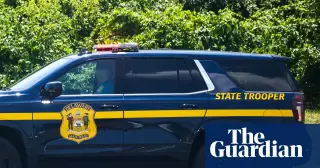
A man wrongly identified as a suspect in the Brown University shooting was detained and later released after evidence showed he was not involved, highlighting issues with premature public announcements and investigative procedures by the FBI and local authorities.
A UK newspaper falsely quoted a man claiming to be former NY mayor Bill de Blasio, who later denied the quotes and clarified he was a wine importer using ChatGPT to respond, highlighting the importance of verifying sources and the risks of AI in journalism.
A man named Bill DeBlasio, a Long Island wine importer, was mistakenly identified as a de Blasio impersonator by British journalists during a political article, but he clarified he is not the former mayor and was simply responding to an email in a humorous exchange.
A mistaken identity at the U.S. Open led to online harassment of a Polish businessman, Roman Szkaradek, who was confused with Piotr Szczerek, the CEO of a different company with a similar name, resulting in reputational damage and emotional distress for Szkaradek.
A Mexican immigrant, Ramon Morales-Reyes, who was falsely accused of threatening President Trump and detained by ICE, has been granted bond by a Chicago court, as authorities acknowledge he is not a danger to the community and the allegations against him were based on a criminal scheme by a fellow inmate. The case highlights issues of misidentification and the complexities of immigration enforcement.
The FBI and Department of Homeland Security have found that many reported drone sightings in New Jersey are actually manned aircraft misidentified as drones. Investigations have revealed no evidence of illegal activity, national security threats, or foreign involvement related to these sightings. The reports, which have been under investigation since mid-November, include sightings near President-elect Donald Trump's golf course and a military research facility.
A Kansas man is suing US congressman Tim Burchett for falsely identifying him as a shooter at the Kansas City Chiefs’ celebration parade. Denton Loudermill Jr, who was wrongly labeled as an "illegal alien" and "shooter" in social media posts, experienced death threats and emotional distress as a result. Loudermill, who was not involved in the shooting and was in the country legally, is seeking $75,000 in damages. Burchett's office declined to comment on the pending litigation.
Denton Loudermill, a Kansas City Chiefs fan, was wrongly identified as a gunman in the deadly shooting at the team's Super Bowl victory parade. He was detained for being intoxicated and not moving away from the crime scene but was released without being arrested or cited. His lawyer emphasized that he had nothing to do with the shooting and has received death threats due to misinformation. Two minors have been charged in connection with the shooting, which left one person dead and 22 others injured.
Target will no longer sell a civil rights activity kit that misidentified prominent Black leaders after a high school U.S. history teacher's viral TikTok video. The kit by Bendon Publishing mixed up the names of Carter G. Woodson, W.E.B. Du Bois, and Booker T. Washington. The misidentification comes amid a culture war over discussing race and racism. The kit included magnets of notable civil rights leaders and was available ahead of Black History Month. The misidentification prompted outrage online, leading to Target pulling the product from its shelves.
Target has removed a Black History Month product, the 'Civil Rights Magnetic Learning Activity', from its shelves after it incorrectly identified W.E.B. Du Bois, Booker T. Washington, and Carter G. Woodson. The errors were brought to light by a U.S. history teacher on TikTok, prompting Target to take action and ensure the publisher is aware of the mistakes.