Tag

Neural Regeneration

All articles tagged with #neural regeneration

Engineered injectable scaffold spurs brain repair after stroke in mice
health1 month ago

Engineered injectable scaffold spurs brain repair after stroke in mice

Duke University engineers report a microporous annealed particle scaffold (MAPS) that can be injected into the stroke cavity to create a favorable repair environment. By attaching astrocyte-derived extracellular vesicles to the scaffold, they concentrate signals that recruit immune cells, promote new blood vessel growth, and support neural remodeling. IL-4 and C1q signaling drew immune cells (including macrophages and neutrophils) to the area; neutrophils appeared to support healing when in the right context. The scaffold was essential—EVs alone did not reproduce the effects—and treated mice showed improved motor function and axonal growth, with outcomes approaching those of healthy controls by eight weeks. The work is preclinical and in mice, with future steps needed to assess safety and efficacy in larger models and human-derived signals.
Tiny Anthrobots: Human Cell-Based Robots Repair Neural Damage
science-and-technology2 years ago

Tiny Anthrobots: Human Cell-Based Robots Repair Neural Damage

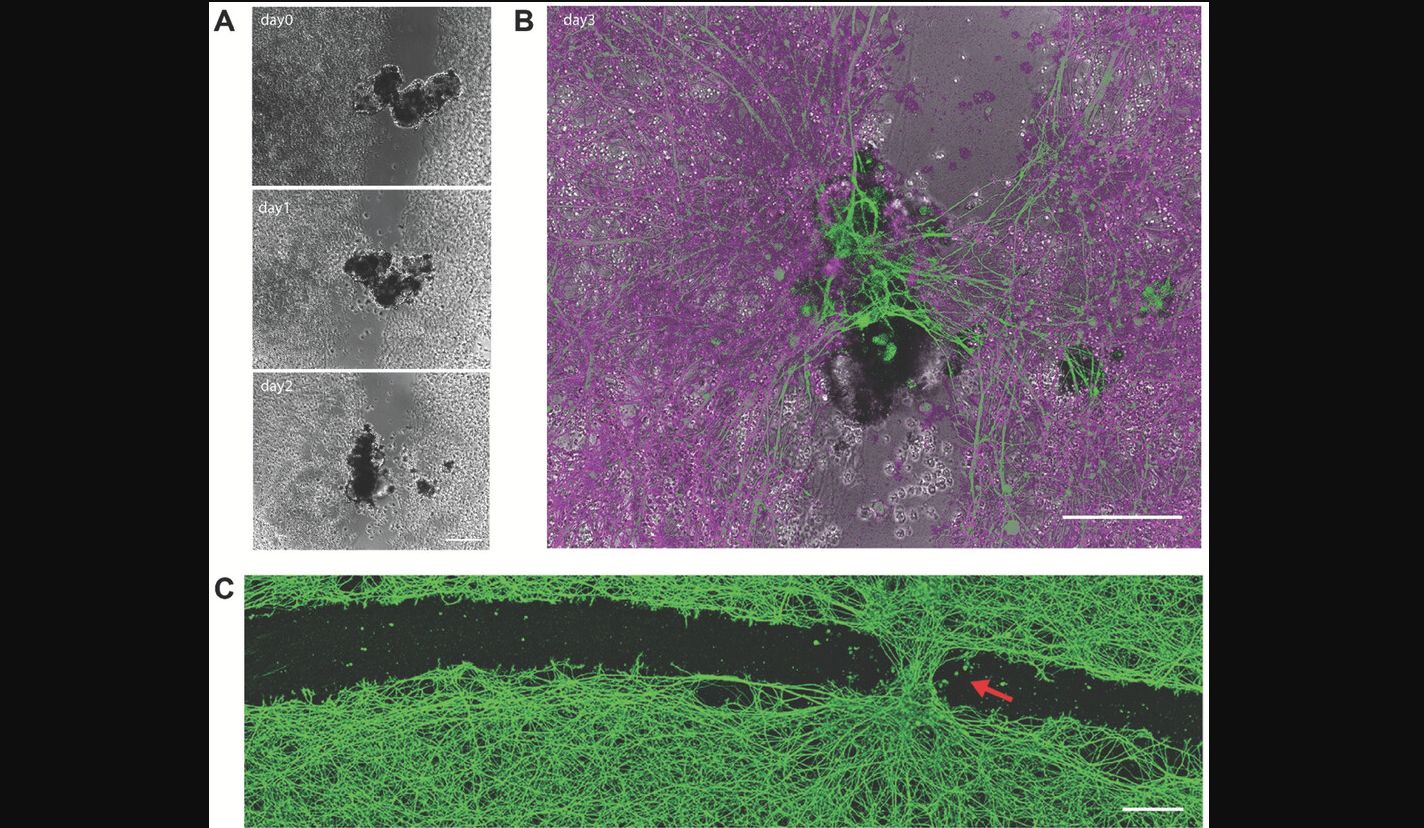
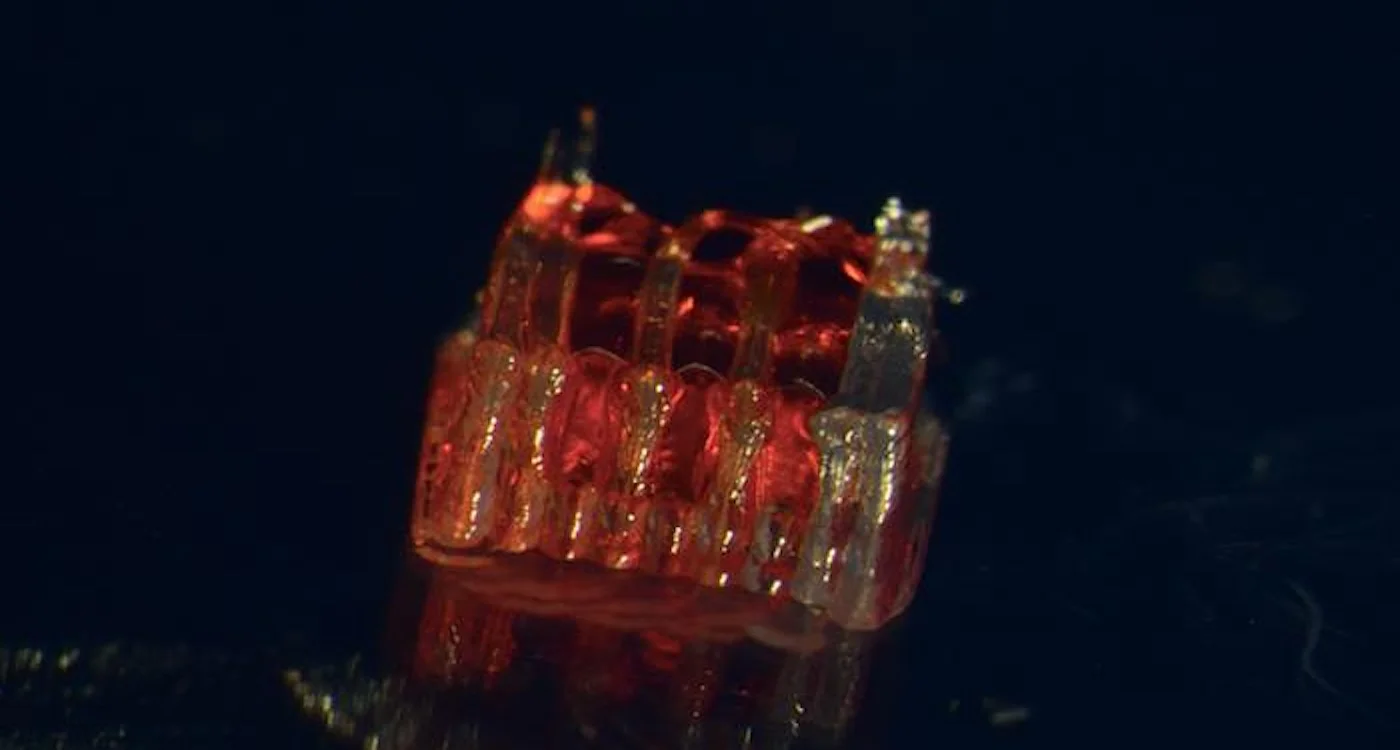
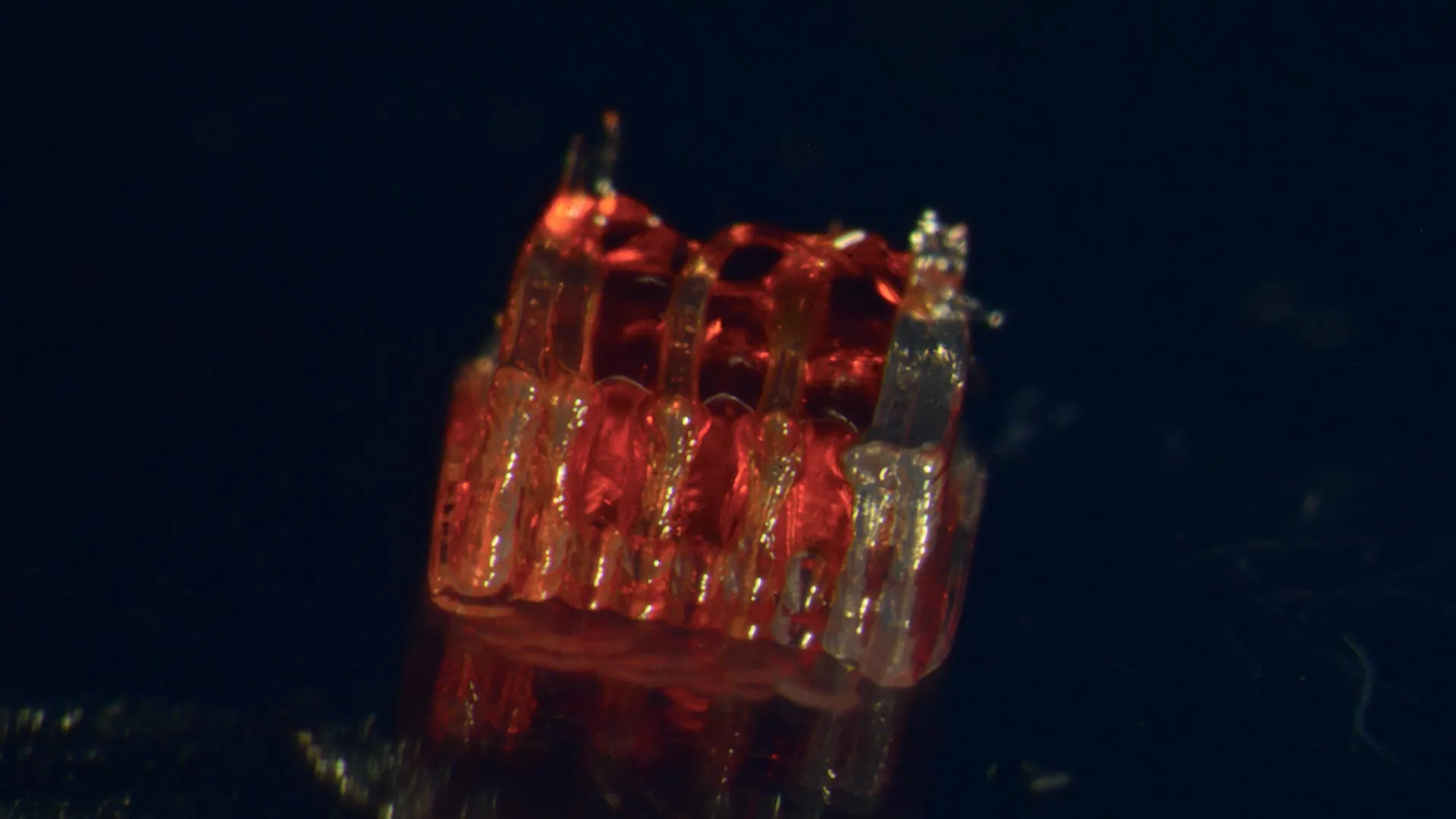
Scientists have discovered that adult human epithelial cells recovered from the trachea, when cultured in a specific environment, can form motile spheroids called anthrobots. These anthrobots have the ability to move using outward-facing cilia and can be used to bridge gaps in damaged neural tissue, promoting neural regeneration. This research offers exciting possibilities for repairing neural damage and assembling biological robots from our own cells.

Kinesthetic Sense Key to Restoring Movement After Spinal Cord Injury
science3 years ago

Kinesthetic Sense Key to Restoring Movement After Spinal Cord Injury

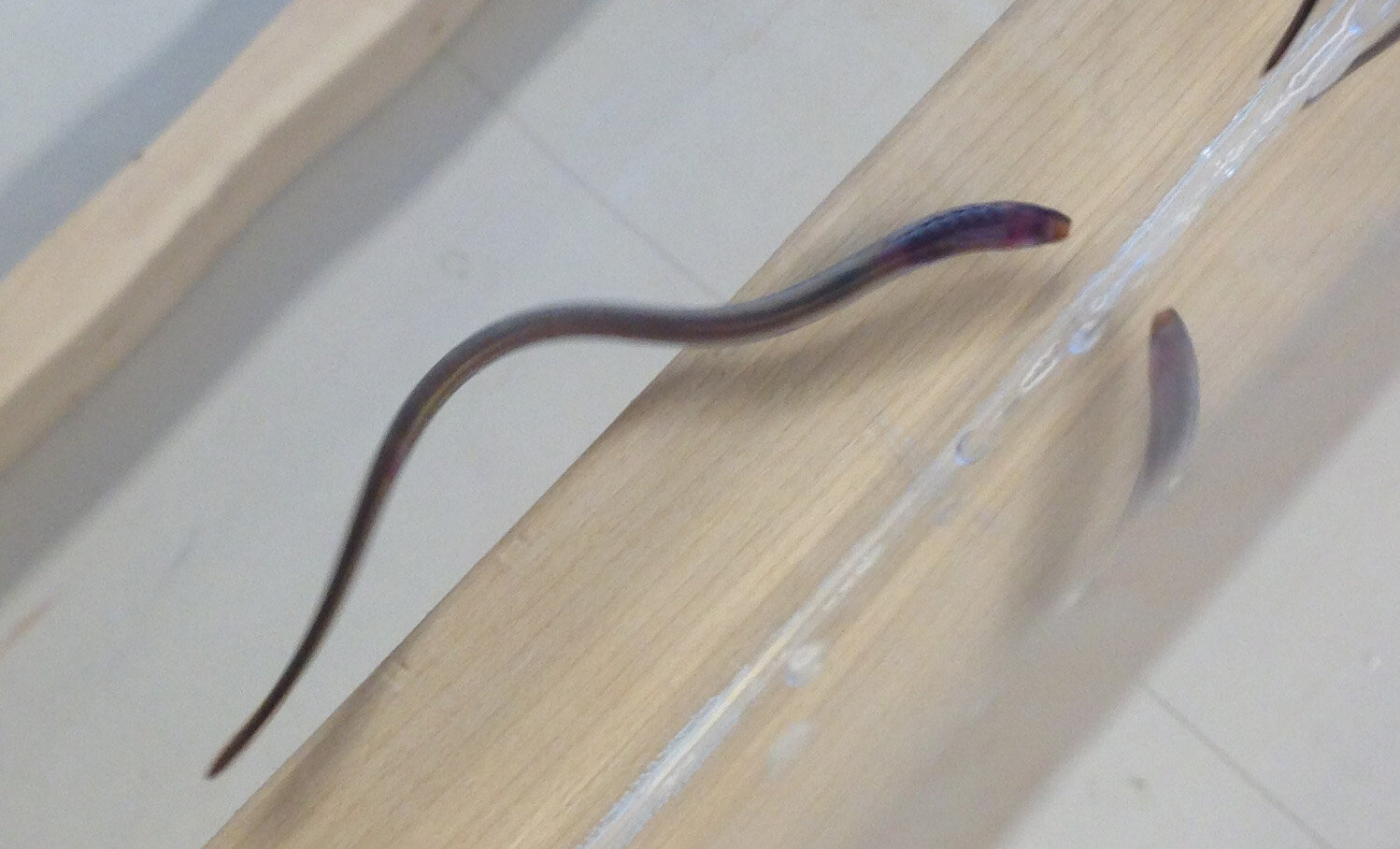
Lampreys may use body-sensing feedback to regain swimming abilities after spinal injury, according to a mathematical model developed by researchers at Bucknell University and the Marine Biological Laboratory. The model showed that even in the absence of descending command across the spinal lesion, boosting sensory feedback could restore locomotion. Lampreys recover quickly and almost completely after severe lesions high up in the spinal cord, despite only a small percentage of neurons and neuronal connections being restored across the injury. The study could inspire new therapeutic approaches in humans or algorithms for locomotion in soft robots.