Brain Repair Mechanism: Astrocytes Send Nuclei to Rebuild Damaged Tissue
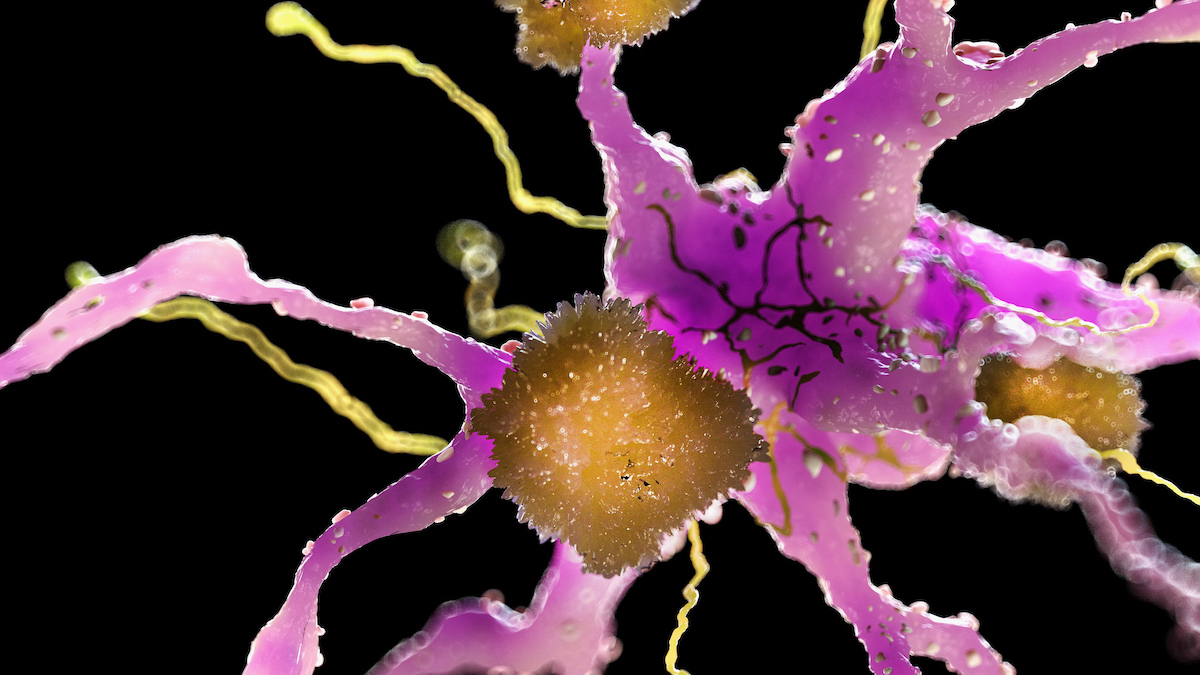
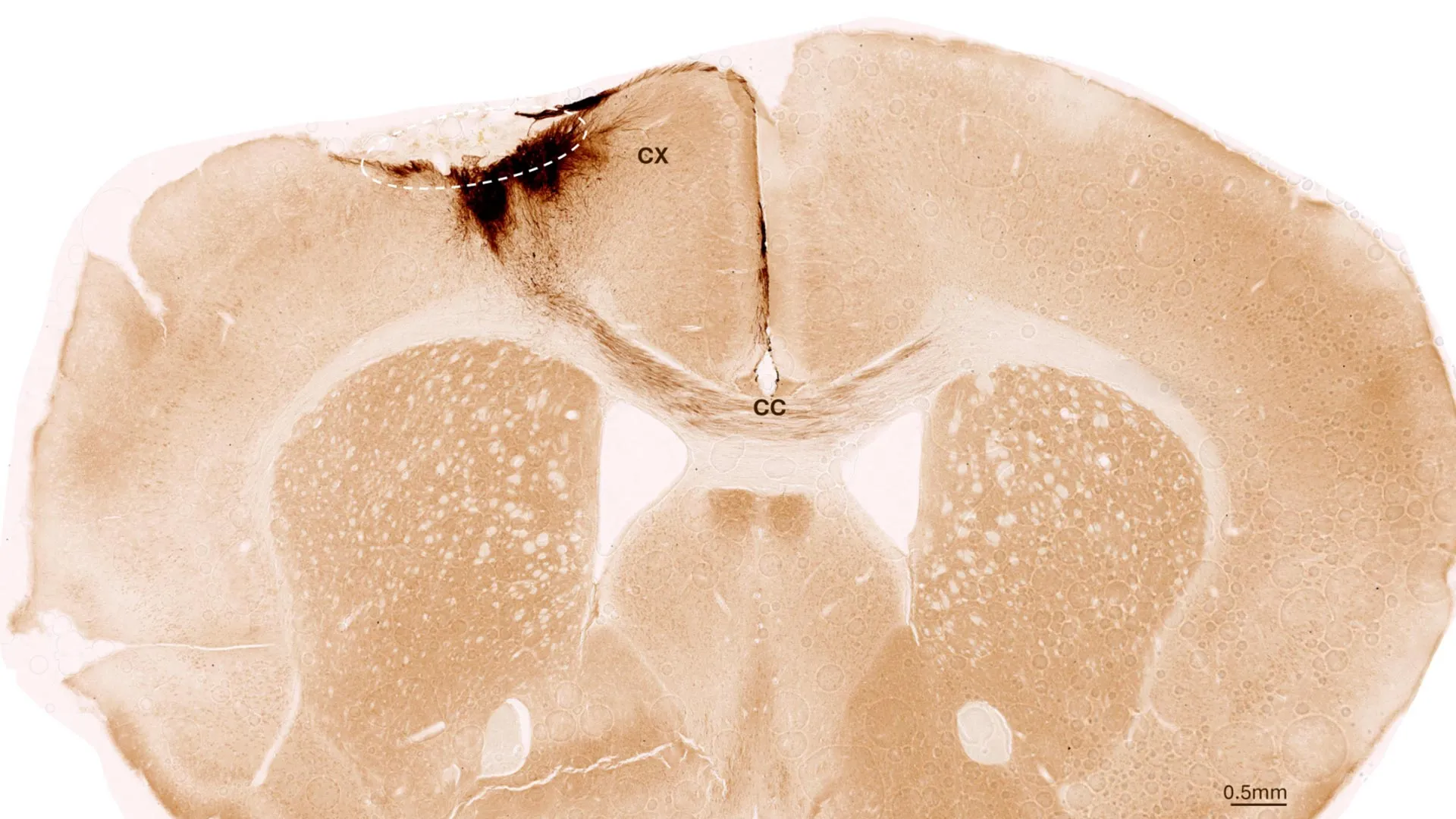
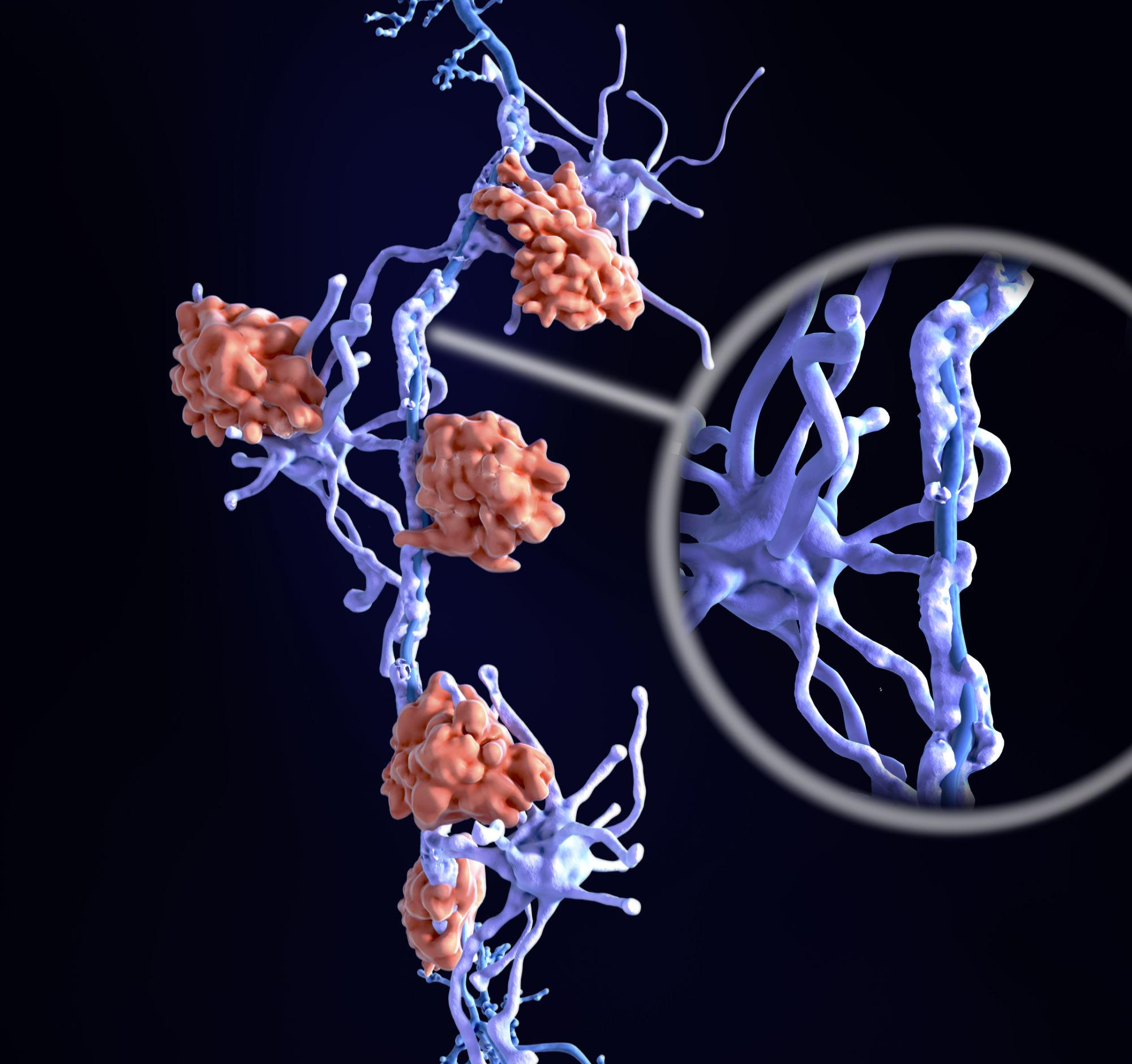
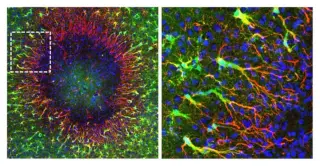
Researchers at the University of Zurich have identified a previously unknown mechanism for brain repair in adult mammals. A specialized population of astrocytes, located at the perimeter of brain lesions, does not simply divide to replace lost cells. Instead, these 'regenerative' astrocytes send newly formed cell nuclei gliding through their long, star-shaped extensions into the damaged core. This process repopulates the lesion and restores the astrocyte network, which is critical for neuronal survival, nutrient supply, and blood flow regulation. The discovery overturns the long-held belief that the adult brain cannot fully replace lost glial cells after injury or autoimmune damage. The findings, published in Nature Neuroscience, identify specific genes and signaling pathways involved in this nuclear migration, offering potential therapeutic targets for conditions like traumatic brain injury and neuromyelitis optica spectrum disorder (NMOSD).