Tag

Biomaterials

All articles tagged with #biomaterials

Split-second slime: hagfish defense clogs predators' gills
science11 days ago

Split-second slime: hagfish defense clogs predators' gills

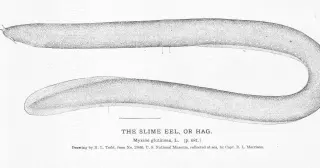
When pressed by a predator, hagfish release two cargoes of proteins and mucus into seawater, where they rapidly unravel into a fibrous slime that clogs a predator’s gills in a fraction of a second, often causing the attacker to back off. A full slime-out can reach about a liter from a small amount of exudate; the defense is triggered by direct contact rather than sight. Hagfish can shed slime and clean themselves by knotting and sneezing, and researchers study this fast, water-based slime as inspiration for new materials.

Darwin’s Bark Spider Spins Ultra-Tough Silk and Bridges Rivers Across Madagascar
science18 days ago

Darwin’s Bark Spider Spins Ultra-Tough Silk and Bridges Rivers Across Madagascar

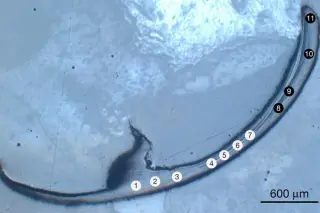
A Madagascan spider, Darwin’s bark spider (Caerostris darwini), weaves dragline silk that is the toughest biological material measured to date, absorbing more energy than Kevlar by roughly tenfold; its webs span rivers with bridge lines up to 25 meters. The toughness arises from a mix of solid strength and unusually high elasticity, and researchers note the silk isn’t yet mass-producible due to the impossibility of farming spiders. The work also highlights bioprospecting as a targeted approach to discovering extraordinary natural materials.

NIH funds UCLA biomaterials breakthroughs for eye repair and wound healing
science27 days ago

NIH funds UCLA biomaterials breakthroughs for eye repair and wound healing

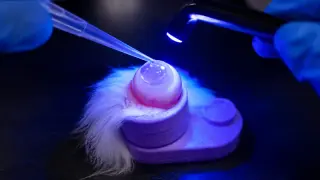
UCLA chemical engineering associate professor Nasim Annabi has secured nearly $2.5 million in NIH grants to develop tunable regenerative biomaterials: a four-year, light-curable hydrogel that encapsulates mesenchymal stem cells to treat corneal injuries, and a two-year, roughly $368,000 award to improve UgiGel, a gelatin-based self-healing bioadhesive dressing with anti-inflammatory properties for chronic wound healing. The corneal project aims to enhance cell retention and tissue regeneration with two hydrogel variants (softer adhesive for epithelium growth and stronger adhesive for tissue repair), while the wound-dressing work seeks stronger adhesion, antioxidant improvements, and temperature-responsive removal, in collaboration with dermatology and medicine researchers at UCLA.

Regenerative OA Therapies Rebuild Joints in Weeks, Near Clinical Trials
health1 month ago

Regenerative OA Therapies Rebuild Joints in Weeks, Near Clinical Trials

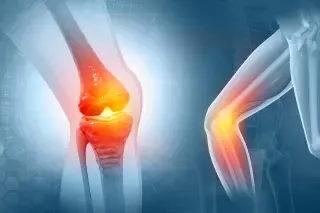
In animal studies, two regenerative approaches—a single injectable that releases medication over months and a biomaterial scaffold that recruits body’s progenitor cells—repaired damaged cartilage and bone within 4–8 weeks, with ARPA-H funding advancing the project toward clinical trials in about 18 months, aiming for affordable, minimally invasive, single-visit therapies that could eventually reduce the need for joint replacement.

Hagfish Slime Sparks a Sustainable Materials Revolution
science4 months ago

Hagfish Slime Sparks a Sustainable Materials Revolution

Hagfish slime rapidly expands into a dense gel when seawater is present, using ultra-thin protein threads that self-assemble into a fibrous network and can clog predators’ gills in seconds. Produced at room temperature in seawater with no toxic byproducts, this slime is inspiring researchers to develop sustainable biomaterials—self-assembling fibers that could rival spider silk. Scientists aim to isolate the slime proteins’ genes for production in microbes, but scaling, control of assembly, and durability remain key hurdles.

Innovative Heart Patch Promises Improved Recovery Post-Heart Attack
health8 months ago

Innovative Heart Patch Promises Improved Recovery Post-Heart Attack

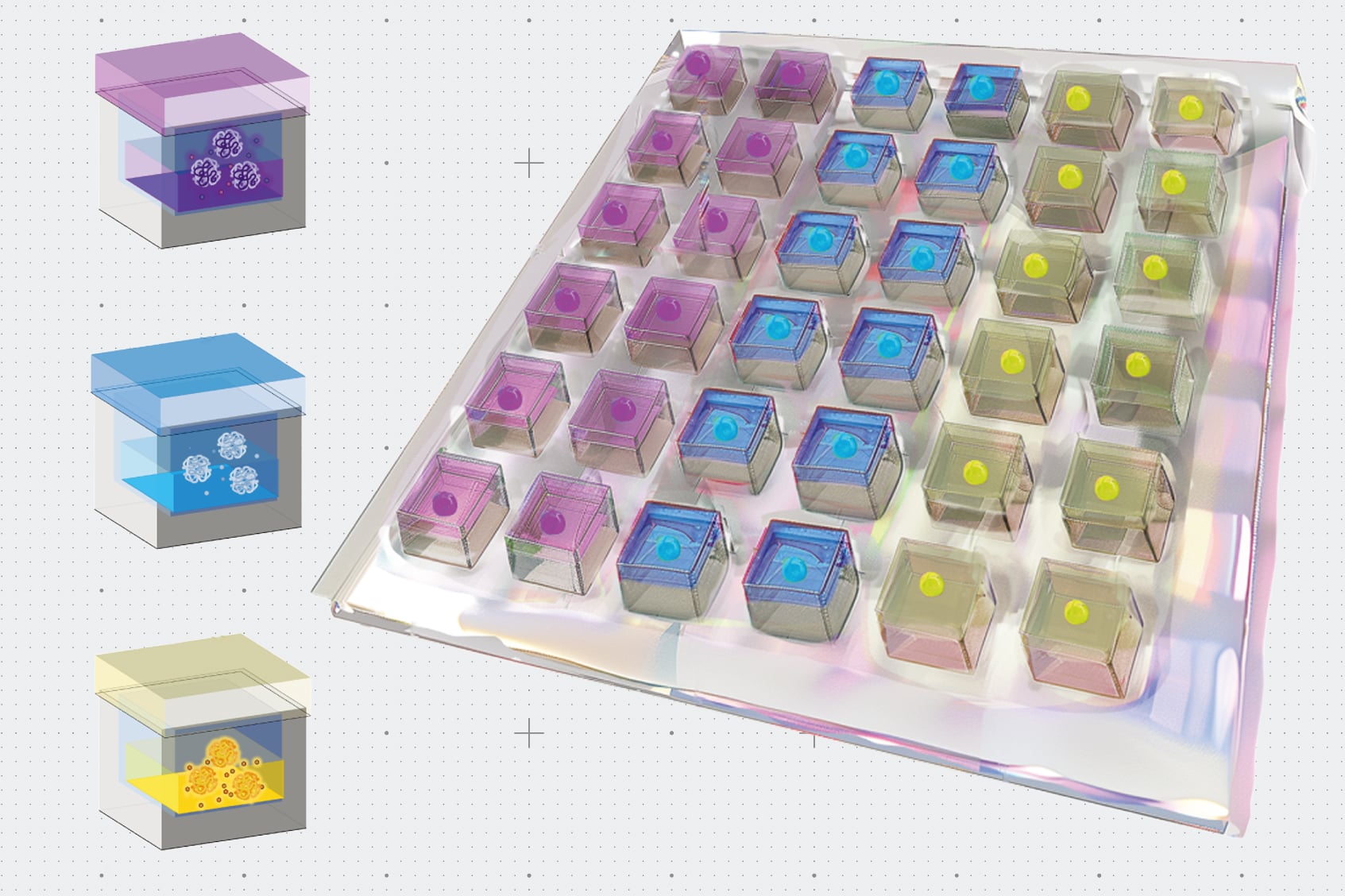
MIT engineers have developed a flexible, programmable drug-delivery patch that can be applied to the heart after a heart attack to promote tissue healing and regeneration, showing promising results in rat studies by reducing damaged tissue and improving heart function. If approved for humans, it could significantly enhance recovery outcomes for heart attack patients.