Tag

Neutrino Astronomy

All articles tagged with #neutrino astronomy

Francis Halzen Wins 2026 Nobel Prize for IceCube Neutrino Telescope
science5 days ago

Francis Halzen Wins 2026 Nobel Prize for IceCube Neutrino Telescope

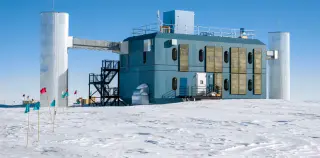
Belgian astrophysicist Francis Halzen has been awarded the 2026 Nobel Prize in Physics for his development of the IceCube Neutrino Observatory. The detector, embedded in a cubic kilometer of Antarctic ice, was the first to detect high-energy neutrinos from deep space, establishing a new field of neutrino astronomy. Halzen, a professor at the University of Wisconsin–Madison, is the first sole awardee in the physics category since 1992.
Francis Halzen wins 2026 Nobel Prize for IceCube neutrino telescope
science6 days ago

Francis Halzen wins 2026 Nobel Prize for IceCube neutrino telescope

Francis Halzen, a professor at the University of Wisconsin–Madison, has been awarded the 2026 Nobel Prize in Physics for his development of the IceCube Neutrino Observatory. The detector, embedded in a cubic kilometer of Antarctic ice, uses 5,160 light sensors to detect high-energy neutrinos from cosmic sources. Halzen’s work established a new field of neutrino astronomy, allowing scientists to trace cosmic rays to their origins, such as supermassive black holes and active galaxies. The prize recognizes his vision for using clear glacial ice as a massive telescope to capture these 'ghost particles' that rarely interact with matter.

Francis Halzen Wins 2026 Physics Nobel for IceCube Neutrino Breakthroughs
science7 days ago

Francis Halzen Wins 2026 Physics Nobel for IceCube Neutrino Breakthroughs

Francis Halzen, a physicist at the University of Wisconsin-Madison, has been awarded the 2026 Nobel Prize in Physics for his foundational role in developing the IceCube Neutrino Observatory. The prize recognizes his vision for using a cubic kilometer of Antarctic ice to detect high-energy neutrinos from distant cosmic events, a breakthrough that opened the field of neutrino astronomy and enabled the first identification of specific extragalactic sources for these particles.

Mapping the Cosmos: Astronomers Harness Neutrinos for Sight
astronomy3 years ago

Mapping the Cosmos: Astronomers Harness Neutrinos for Sight

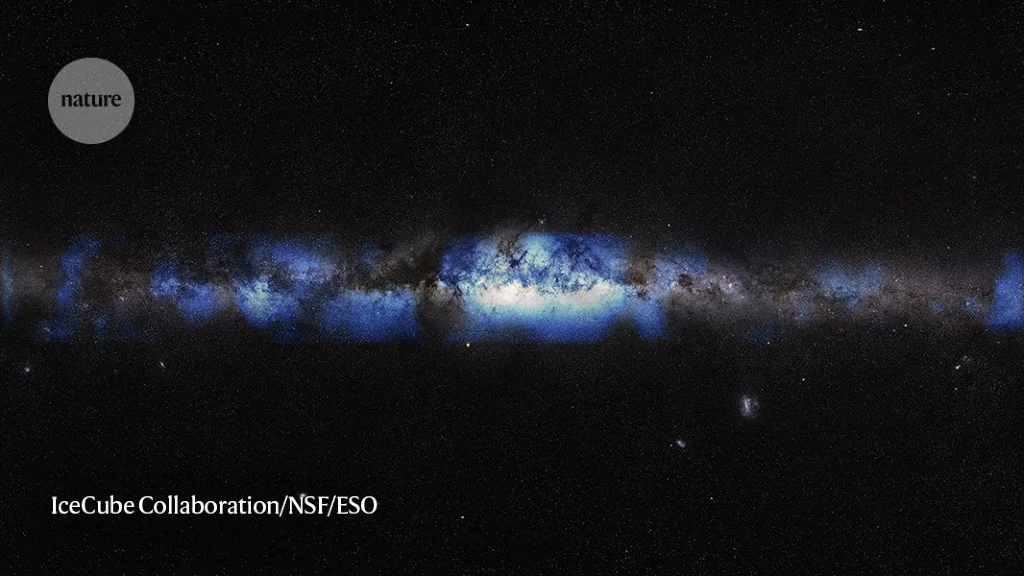
Astronomers have created the first map of the Milky Way using neutrinos, marking a milestone in the field of neutrino astronomy. The IceCube observatory at the South Pole detected neutrinos over a ten-year period and determined their origin to be the center of the Milky Way. Neutrinos, which are the lightest elementary particles in the universe, can provide insights into inaccessible areas such as the dense matter swirling around supermassive black holes. The study also revealed that most high-energy neutrinos come from interstellar space rather than the Milky Way itself. Further data and upgrades to the observatory may help uncover the sources of cosmic rays and reveal new physics.