Tag

Neutrino Oscillation

All articles tagged with #neutrino oscillation

JUNO sharpens neutrino-oscillation picture, edging toward mass hierarchy
physics1 month ago

JUNO sharpens neutrino-oscillation picture, edging toward mass hierarchy

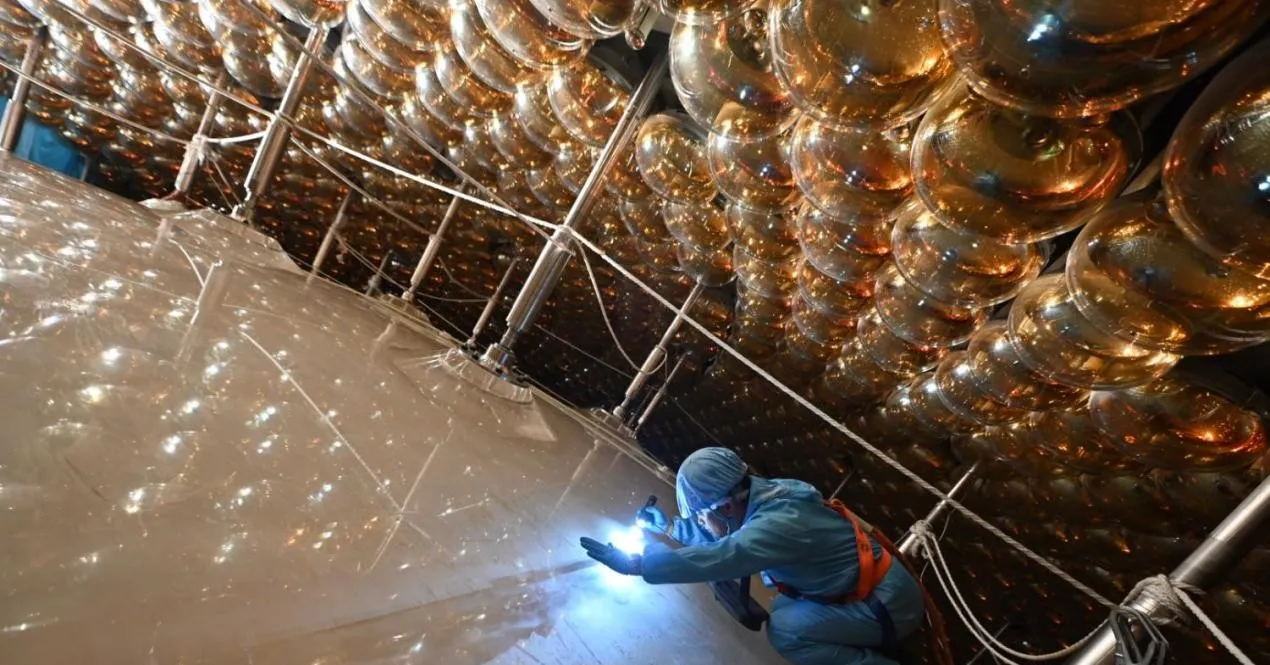
With about two months of data, the Jiangmen Underground Neutrino Observatory (JUNO) measured two key reactor-neutrino oscillation parameters with 1.6× better precision than decades of previous experiments. The results, published in Nature, advance the effort to determine the neutrino mass ordering and shed light on the origin of neutrino masses, using a 20,000‑ton scintillator detector instrumented with 43,000 photomultiplier tubes observing reactor antineutrinos ~53 km away.
First JUNO Data Pinpoints Neutrino Oscillation Parameters with High Precision
science1 month ago

First JUNO Data Pinpoints Neutrino Oscillation Parameters with High Precision

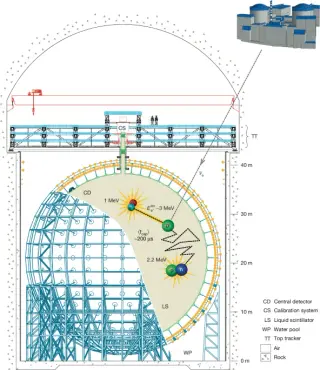
JUNO's first 59.1 days of data from a 20-kton detector at 52.5 km from reactors yield a simultaneous, high-precision measurement of sin^2θ12 = 0.3092 ± 0.0087 and Δm21^2 = (7.50 ± 0.12)×10^-5 eV^2 for the normal mass ordering, improving precision by a factor of 1.6 over previous measurements and validating JUNO's design and energy calibration while showing readiness to determine the neutrino mass hierarchy with more data.

Neutrinos and the Universe's Mysteries: Unlocking the Secrets of Matter
science8 months ago

Neutrinos and the Universe's Mysteries: Unlocking the Secrets of Matter

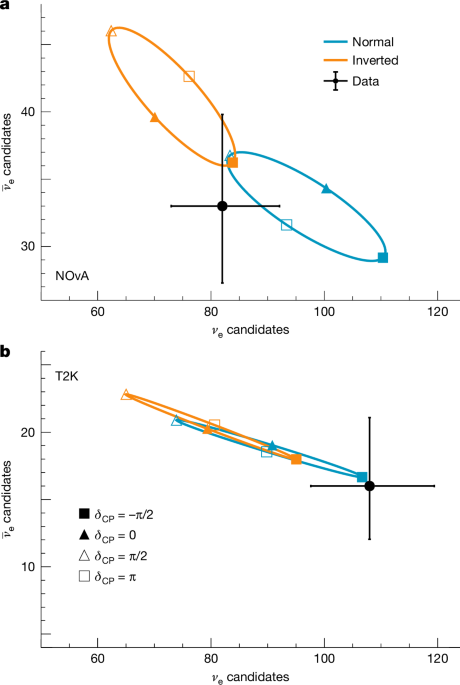
A joint study by the NOvA and T2K experiments has provided the most detailed observations of neutrino flavor changes, shedding light on their properties and potential implications for understanding the universe's matter-antimatter imbalance, although more data is needed to answer fundamental questions about neutrinos' role in the cosmos.

Global Study Unveils New Insights into Neutrinos and Matter's Existence
science8 months ago

Global Study Unveils New Insights into Neutrinos and Matter's Existence

A joint analysis of neutrino oscillation data from the T2K and NOvA experiments provides improved constraints on oscillation parameters, including the mixing angle θ23, mass-squared difference Δm32², and the CP-violating phase δCP, with no significant preference for either mass ordering but evidence suggesting potential CP violation, especially under the inverted mass ordering assumption.