Lab studies show mosquitoes carrying Nipah or rabies vaccines can inoculate bats (and mice), triggering neutralizing antibodies and protection in some models; researchers also explored saline drinking stations to deliver vaccines to fruit bats. While results are promising, experts caution about ethical, ecological, and logistical hurdles before real-world use.
The article surveys six fictional diseases from films and TV—The Last of Us’ fungus-driven apocalypse, the Rage virus from 28 Days Later (a lab-made Ebola variant), rabies in REC/Quarantine, Cooties, The Bay’s mutated isopods, and Contagion’s MEV-1 inspired by Nipah—pairing them with real-world pathogens and outbreaks. It also notes real science threads like climate-driven fungal adaptations, Nipah’s ongoing outbreaks with high fatality, and persistent rabies and foodborne illness risks, grounding horror in plausible biology.
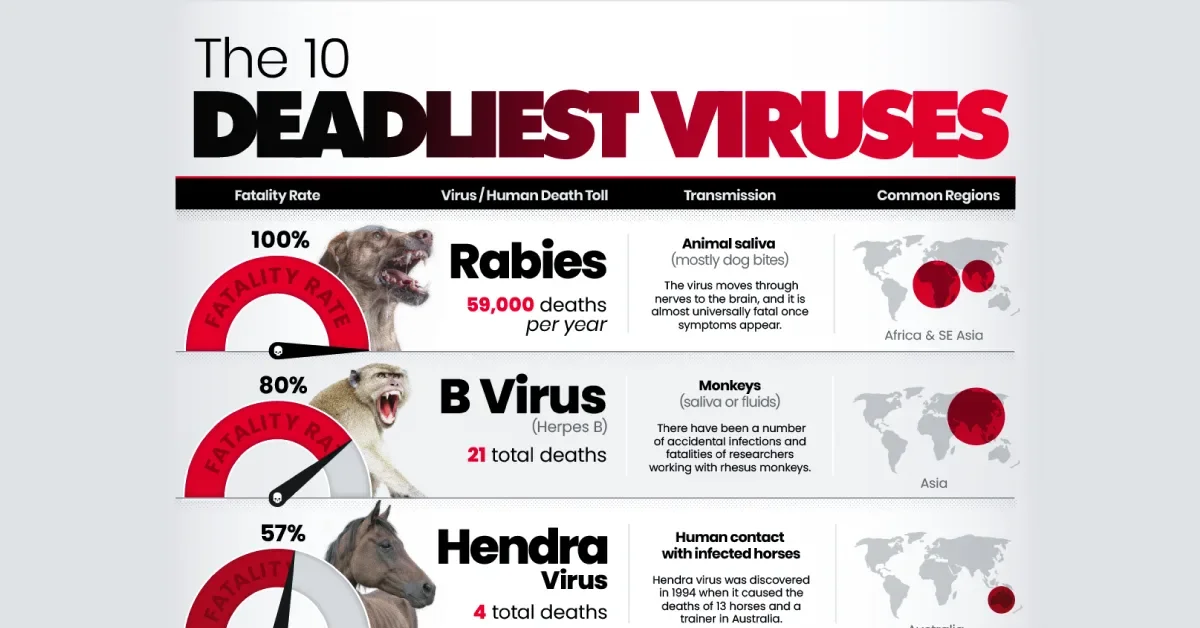
A visualization ranks ten viruses by case fatality rate, led by rabies (nearly 100% fatal once symptoms appear) and including Lujo (80%), Nipah (40–75%), Hendra (57%), Ebola and Marburg (~50%), H5N1 (50%), Crimean-Congo hemorrhagic fever (10–40%), and MERS-CoV (36%). The list highlights that most deadly viruses originate in animals, with some causing highly lethal outbreaks even if infections are relatively rare.
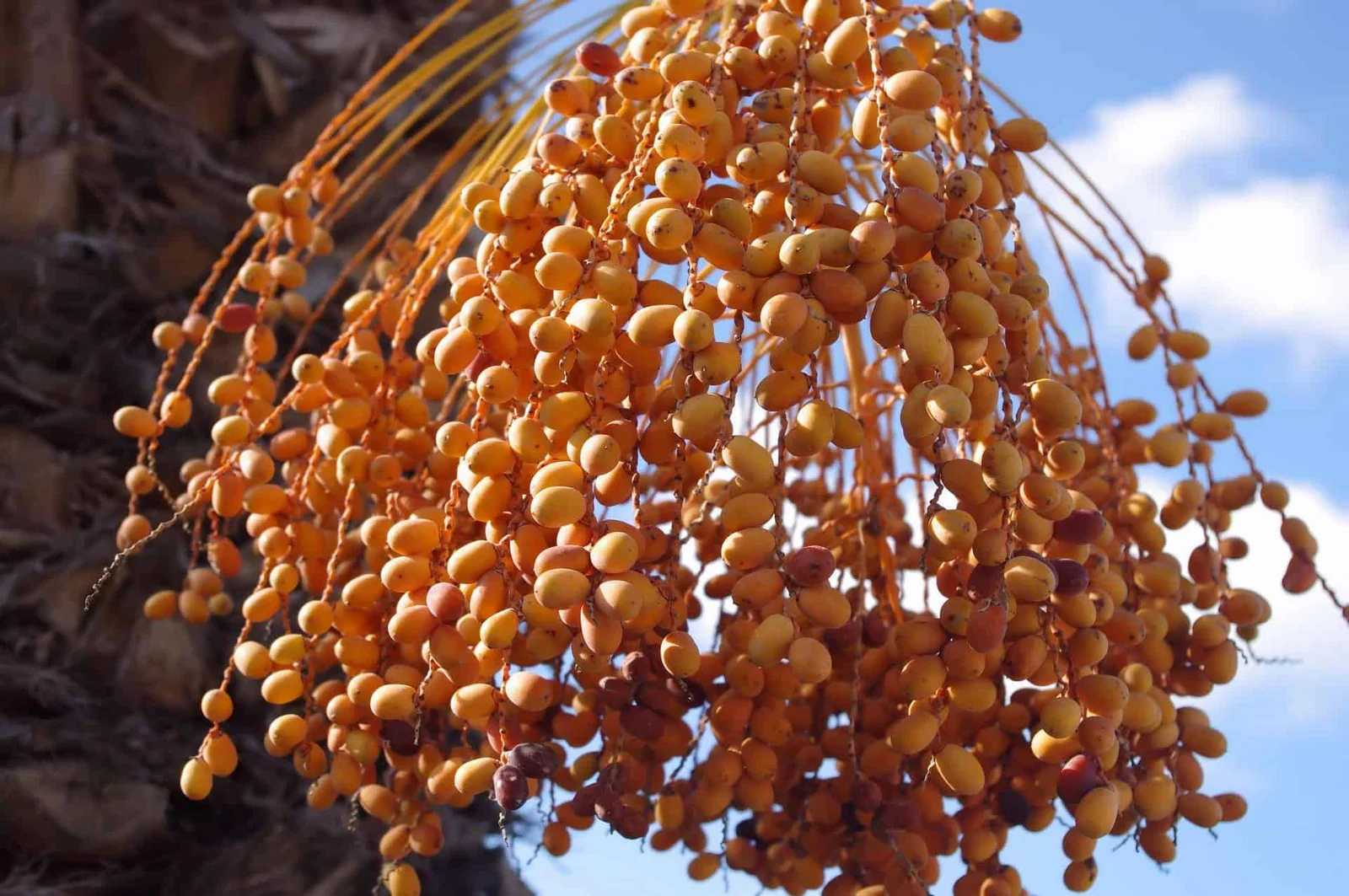
The WHO reports a Bangladeshi woman in her 40s died in January from Nipah virus; she had no travel history but consumed raw date palm sap. Thirty-five contacts are being monitored and all tested negative; no additional cases have been detected and international risk is considered low with no travel restrictions advised. Nipah is bat-borne and can be fatal, but human-to-human transmission is limited; Bangladesh also reported four lab-confirmed fatal Nipah cases in 2025.
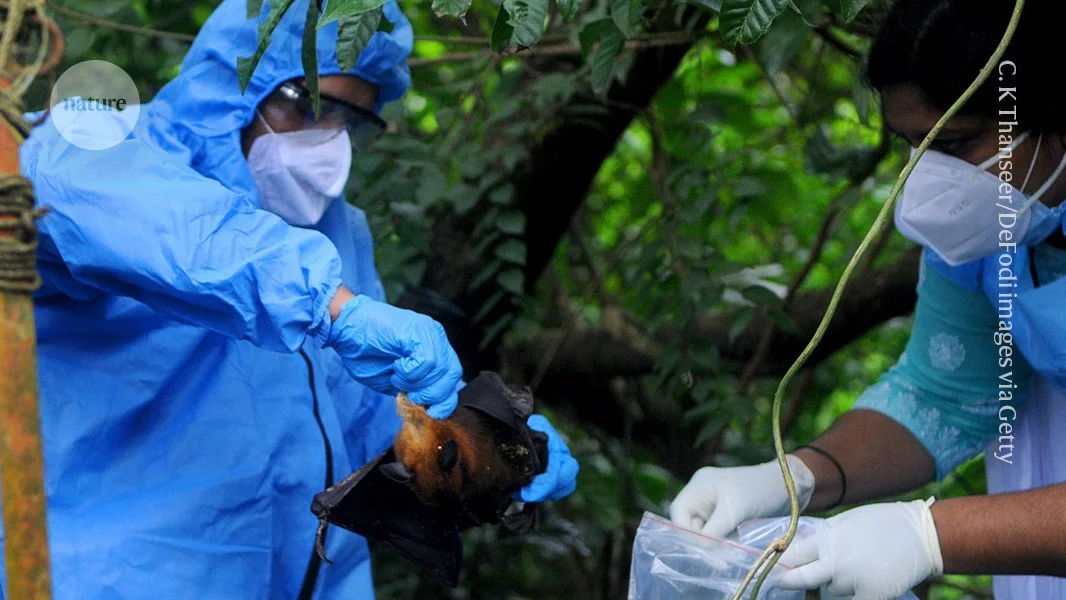
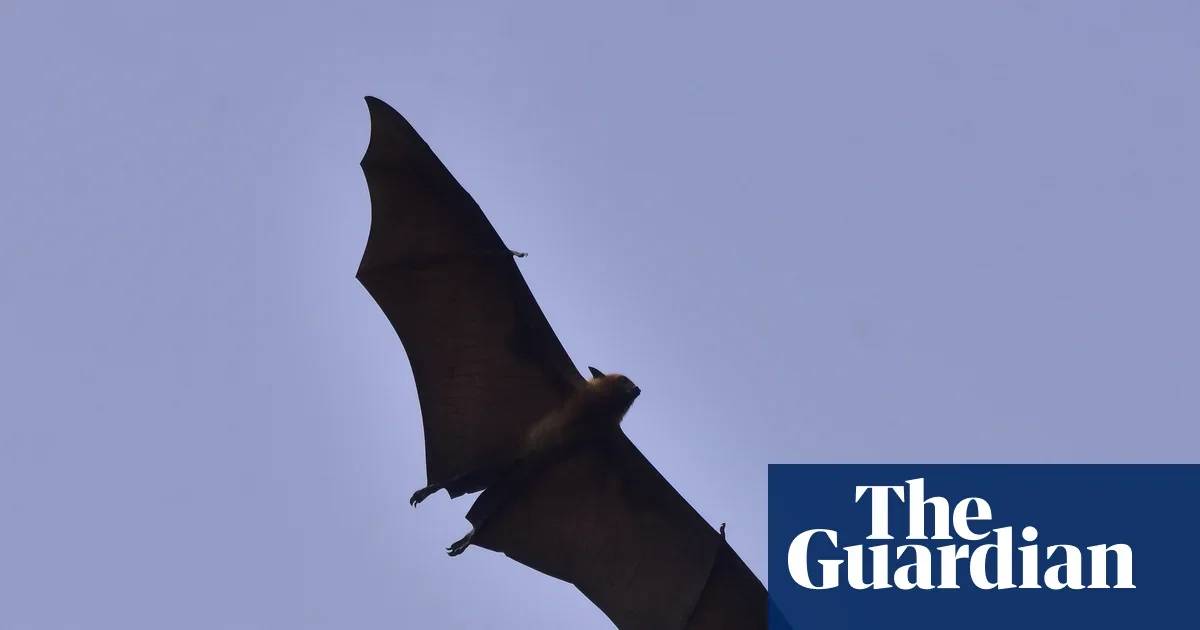
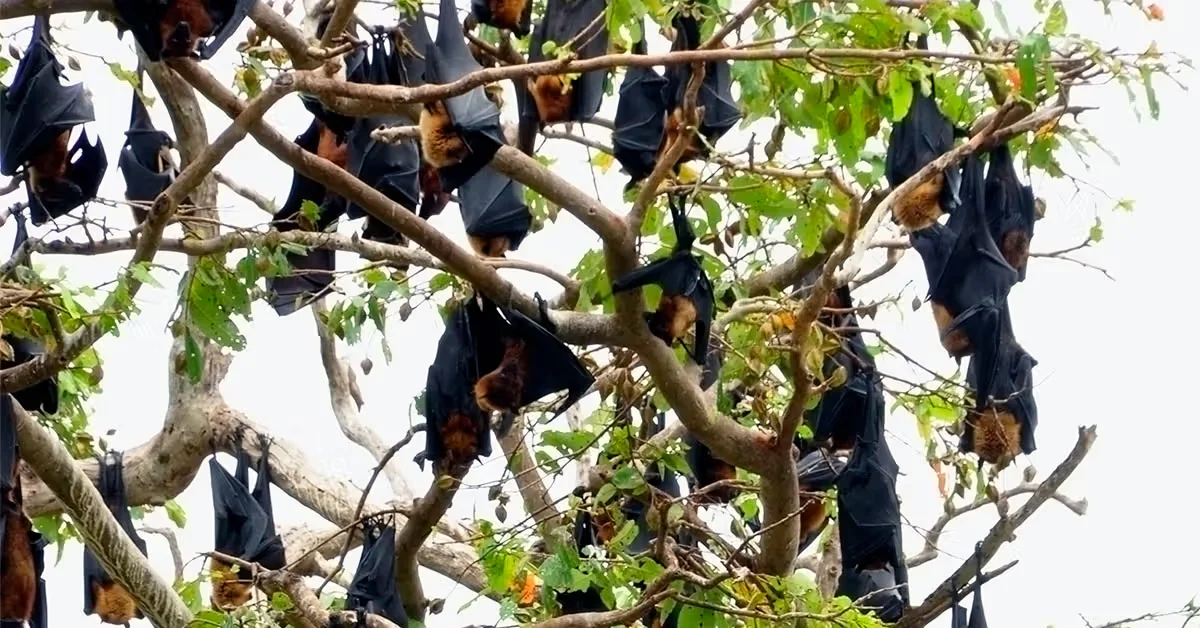
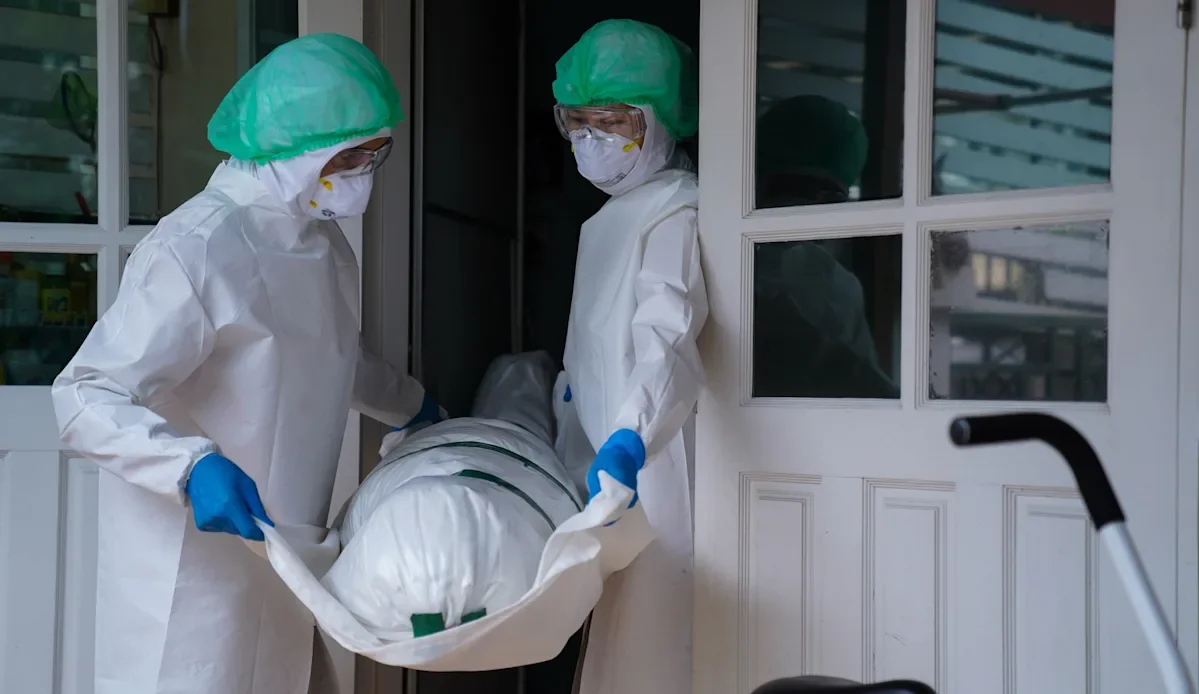
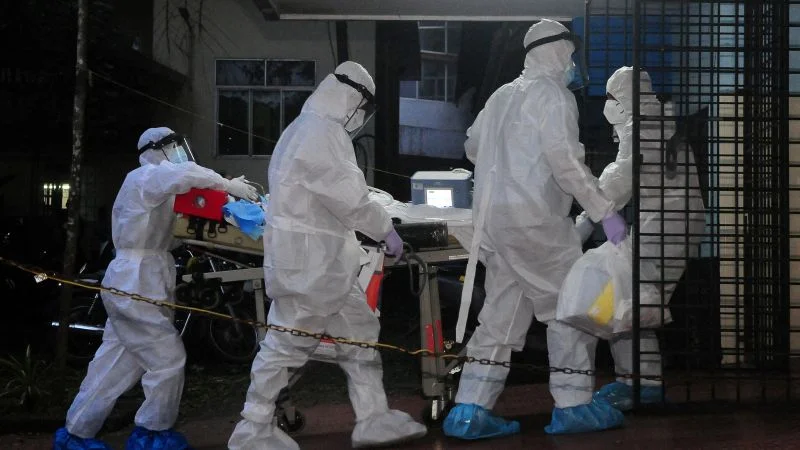
Two Nipah virus cases in West Bengal, India have triggered cautious monitoring: Nipah is a deadly zoonotic virus carried by fruit bats and can spread to people via contaminated products or close contact, but the WHO currently sees low national/global risk; there is no approved vaccine yet, though vaccines and antibody trials are underway; outbreaks are seasonal and linked to bat behavior and habitat loss, and prevention emphasizes avoiding bat exposure, boiling raw date palm sap, and strict biosecurity and PPE, with the current cases contained through rapid tracing and isolation.
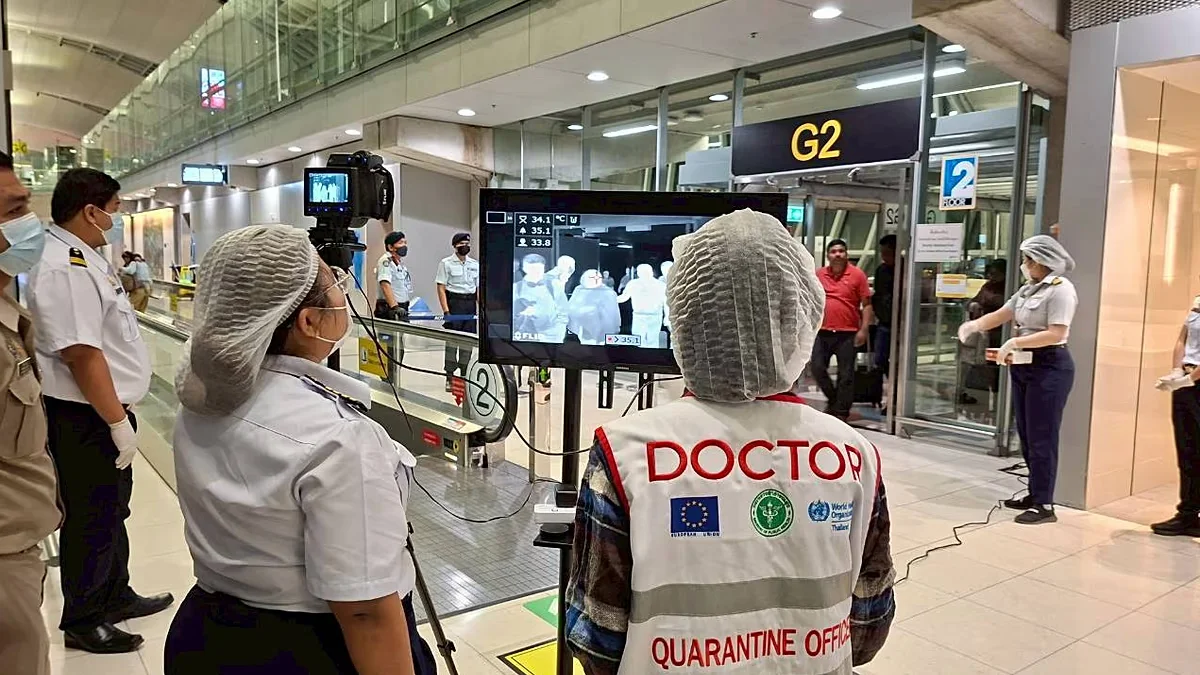
An Nipah outbreak in India's West Bengal has prompted Australian infectious-disease experts to urge planning and vigilance, including monitoring travellers and being ready to act if a case arrives in Australia. Nipah has no approved vaccine and can cause severe pneumonia or encephalitis with high fatality in serious cases; transmission occurs via bats, pigs, contaminated foods (notably date palm sap), and can spread between people. The World Health Organization says international spread risk is currently low and there have been no confirmed Nipah cases outside India. Australia is watching closely and airport screening has increased, with public health units ready to manage suspected cases. While there are early studies for treatments, no vaccine exists yet. Travellers are advised to avoid implicated foods, practice good food hygiene, and check Smartraveller/DFAT guidance before traveling.
Five Bangladeshi patients with Nipah-like symptoms were found to be infected with Pteropine orthoreovirus (PRV), linked to consumption of raw date palm sap frequented by fruit bats; the finding shifts attention to PRV’s potential for severe disease beyond mild colds and underscores the need for broad surveillance of bat-borne viruses.
Two Nipah virus cases in West Bengal have prompted intensified border checks and health screenings at Koshi Province crossings and other Nepal border routes, as authorities fight a disease with no approved vaccine or cure and the WHO designates Nipah as a priority pathogen.
A Nipah virus outbreak in India's West Bengal has prompted heightened health screening and alerts across Asia. Nipah is a highly fatal, zoonotic virus with transmission from animals, contaminated foods, and limited human-to-human spread; there is currently no vaccine, though a treatment (m102.4) is in early trials. The immediate public health risk remains low for regions outside the affected area, but authorities are closely monitoring cases.
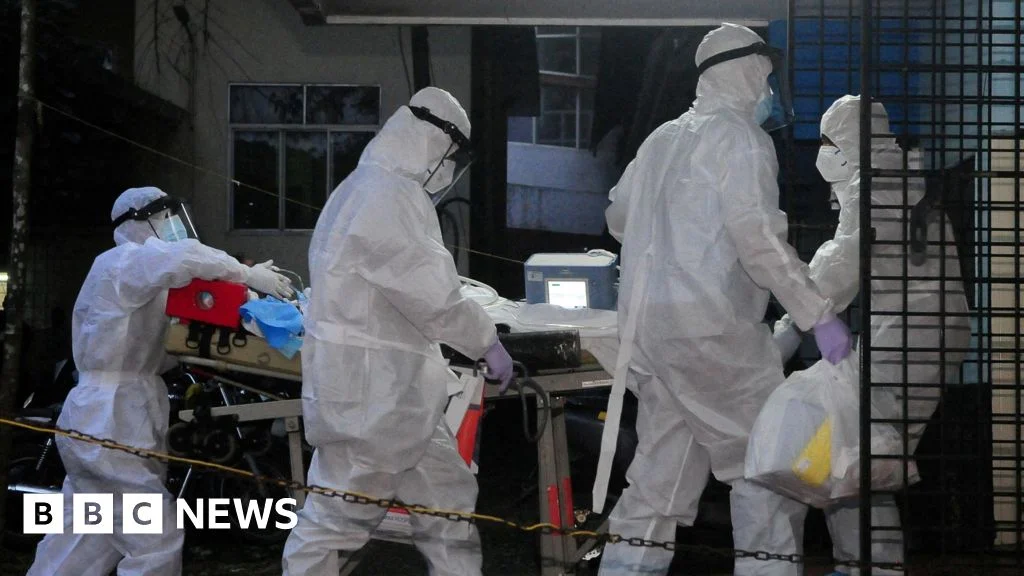
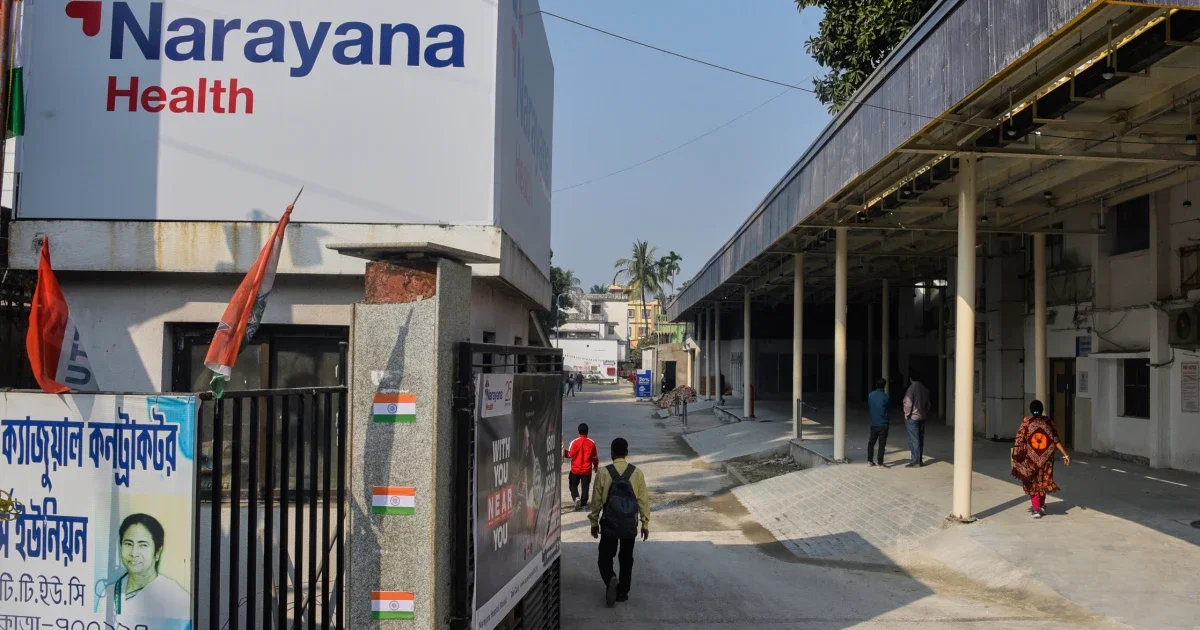
WHO reports two laboratory-confirmed Nipah virus infections among healthcare workers in Barasat, West Bengal, India; one patient remained critically ill while the other improved, over 190 contacts tested negative, and no additional cases have been detected as investigations into the exposure continue; enhanced IPC and surveillance are in place, with WHO noting low public health risk at national/global levels and no licensed vaccines or treatments for Nipah.
Jersey’s health authorities say they are closely watching India's Nipah outbreak, where two lab-confirmed cases have been reported in West Bengal. The WHO classifies Nipah as a top-priority disease due to its epidemic potential and lack of a vaccine. There is no evidence of transmission beyond India and no cases reported in the UK, with the travel risk deemed very low if precautions are followed. Travellers returning with symptoms should seek medical advice and mention recent travel; authorities are coordinating with international partners and monitoring cross-border activity.
Two Nipah virus cases were confirmed in eastern India, according to the WHO. Nipah is a highly deadly zoonotic virus that can spread from animals (bats, pigs) and, with close contact, between people. Incubation is about 4–14 days and many patients can progress from flu‑like symptoms to severe neurological disease; there is no vaccine or specific treatment, so prevention focuses on reducing animal‑to‑human transmission and strict infection control. Nipah outbreaks occur mainly in parts of Asia, with Bangladesh often most affected, and globally there have been about 754 reported cases as of 2024.
Two healthcare workers in West Bengal have tested positive for Nipah virus, triggering international alerts. India says 196 contacts are asymptomatic and have tested negative, while neighbouring countries like Thailand and Nepal have stepped up traveller checks and surveillance. Nipah can cause severe disease with high mortality (40–75%) and currently has no specific treatment or vaccine; the WHO considers the immediate international spread risk to be low but calls for continued monitoring.
Pakistan ordered enhanced Nipah virus screening at all entry points after India confirmed two infections, joining a regional trend of tightened checks by Thailand, Singapore, Hong Kong, Malaysia, Indonesia and Vietnam. Nipah has a high mortality rate, no vaccine, and transmission between people is not easy; Pakistan's plan includes thermal screening, clinical assessments, and a 21-day transit-history requirement for travelers.
India reports two Nipah cases in West Bengal have been contained, with 196 contacts traced and all tests negative; several Asian countries have intensified airport screenings and traveler checks for arrivals from India as authorities monitor a deadly virus with no vaccine and a high fatality rate.