During his Jimmy Kimmel Live! appearance, Jelly Roll fought back tears as he rejected political labels, stressing that human dignity, compassion, and mercy are nonpartisan, reflecting on his Grammys moment and revealing he’ll vote in November to represent the voiceless.
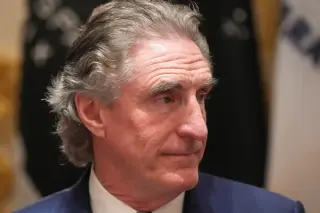
Doug Burgum, the Trump administration’s Interior Secretary, said the United States’ 250th anniversary in 2026 should be celebrated in a nonpartisan, unifying way that emphasizes shared heritage over political divisions.
Martina McBride is the latest artist to drop out of the Freedom 250 celebration after saying the event was pitched as nonpartisan but turned out not to be. She announced on Instagram she will not perform at the Great American State Fair on June 25, explaining she was assured the event would celebrate all 50 states and bring people together, but that portrayal was misleading. Other performers including Morris Day, Young MC, The Commodores and Milli Vanilli have also pulled out of the June 25–July 10 event on the National Mall. Freedom 250 is a Trump administration–backed effort to mark the United States' 250th anniversary; a spokesperson says the focus remains on celebrating history and uniting Americans, with more performers to be announced.
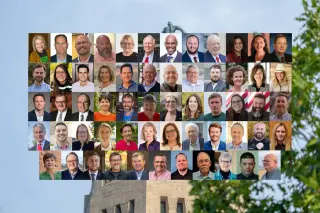
Nebraska’s 2026 Legislature races feature 61 candidates across 25 districts, with 11 districts hosting three or more primary contenders. As counting nears completion, two incumbents trailed, and several races could flip in November under Nebraska’s nonpartisan, top-two system. About $4.1 million had been raised by the end of April. Republicans hold 33 seats to Democrats’ 15 (plus one progressive nonpartisan). The slate includes notable contests in Omaha-area districts and a special election in LD 41, highlighting a competitive path forward despite the GOP’s numerical edge.
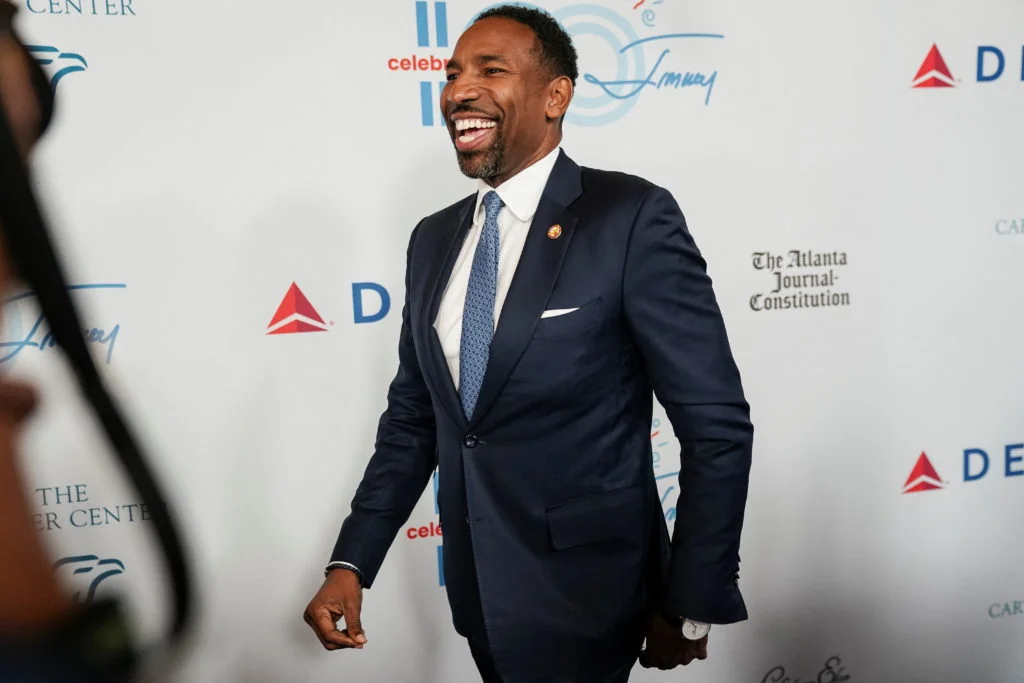
Andre Dickens was reelected as Atlanta's mayor, winning more than 50% of the vote and defeating three challengers, securing a second term in a city traditionally led by Democrats.
The article discusses President Trump's recent speech at Marine Corps Base Quantico, where he suggested military focus on major U.S. cities like San Francisco, Chicago, New York, and Los Angeles instead of NATO allies, raising concerns about the tradition of a nonpartisan military and the implications for national security.
The Congressional Budget Office (CBO), established in 1974 to provide Congress with objective budget impact analyses, faces criticism from Republicans who dispute its projections, especially regarding legislation's effect on deficits. Despite accusations of partisanship, the CBO maintains it is a nonpartisan agency designed to offer unbiased, expert analysis to aid legislative decision-making, though its forecasts are inherently challenging and sometimes controversial.
Taylor Swift encouraged her 282 million Instagram followers to vote in the presidential primaries on Super Tuesday, emphasizing the importance of choosing representatives who align with their values. The nonpartisan message did not endorse any specific candidate and targeted voters in states and territories holding primaries. Swift's involvement in politics has evolved since 2018, when she endorsed Tennessee Democrats and began speaking out in support of L.G.B.T.Q. rights.
Vice President Kamala Harris praised a "nonpartisan" poll worker named Vasu Abhiraman in a tweet, but it backfired when it was revealed that he is actually a liberal advocate promoting the progressive movement through his work at the Alliance for Justice. Social media users criticized Harris for the oversight, calling it a "major self-own" and questioning the credibility of her staff's vetting process. Abhiraman's role in training poll workers and promoting diversity in the judiciary was also highlighted, sparking further debate about his supposed nonpartisanship.
The mayoral runoff election in Houston, a nonpartisan race between two longtime Democrats, Sheila Jackson Lee and John Whitmire, has seen low enthusiasm and turnout from voters. While crime is on the decline and the economy is doing well, Houstonians have complaints about issues such as housing costs and infrastructure. Jackson Lee, a fixture in Democratic politics, faces opposition due to her partisan fights and tough reputation, while Whitmire has been leading in polls and actively courting Republican support. The race has not seen a clear divide on issues, with both candidates emphasizing effective management, public safety, and attracting new businesses to Houston.
Charleston, South Carolina, has elected a Republican mayor, William Cogswell, for the first time since the 1870s. The city, which has historically leaned left, elected Cogswell in a tight runoff election against the Democratic incumbent. While the mayor's office is technically nonpartisan, Cogswell's election marks a shift for the city. He emphasized his experience in real estate and preservation during his campaign, promising to prioritize development that maintains Charleston's historic character. Cogswell also addressed rising living costs and the need for regional and government support to manage population growth. His top priorities include making Charleston safer and modernizing the city's operations.
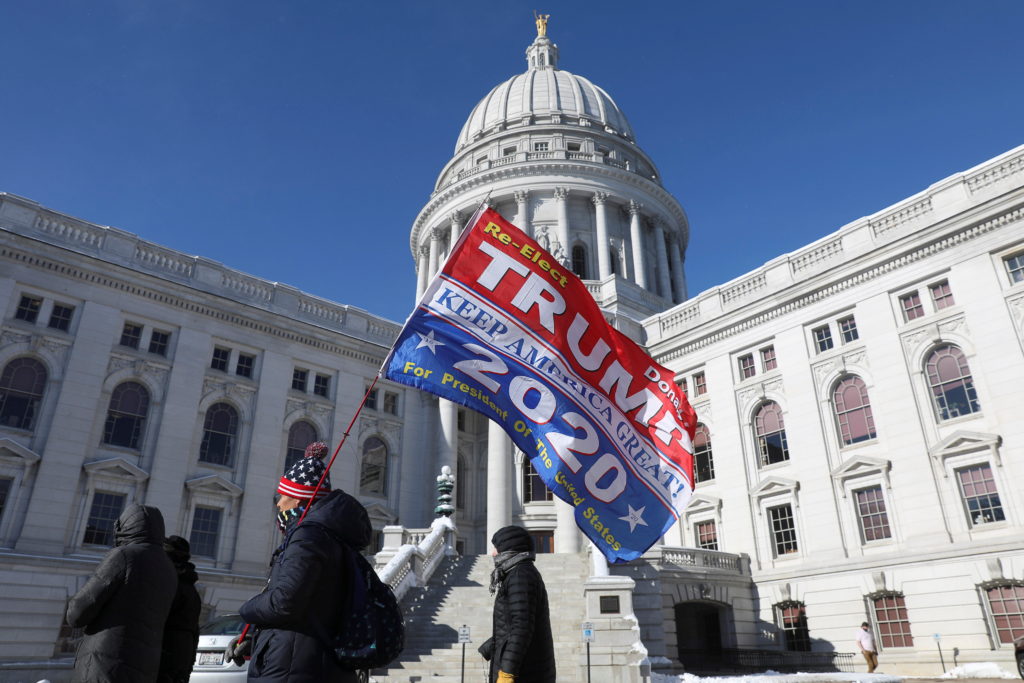
The Republican-led Wisconsin Senate voted to fire the state's nonpartisan top elections official, Meagan Wolfe, ahead of the 2024 presidential election. Democrats argue that the vote was improper and that lawmakers lack the authority to remove Wolfe. The move comes amid ongoing misinformation about the 2020 election and raises concerns about stability and the integrity of future elections. Wolfe has faced conspiracy theories and threats from election skeptics, and GOP leaders cited these concerns as justification for the vote. The issue is expected to result in a legal battle.
Wisconsin Republicans in the Senate are attempting to force a vote on the reappointment of Megan Wolfe, the state's nonpartisan top elections official, before the 2024 presidential election. Democrats walked out in protest, objecting to the unscheduled vote. The move comes after Democrats on the Wisconsin Elections Commission tried to block the Senate from voting on Wolfe's confirmation. Republicans are accused of ignoring the law, while Democrats fear that Wolfe's confirmation will be rejected, effectively firing her. The question of Wolfe's reappointment will now go through a public hearing, a Senate committee vote, and ultimately a vote by the full Senate.