
Tag

Orientation

All articles tagged with #orientation

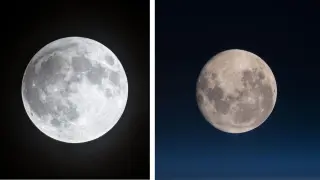
The Moon Looks Different Depending on Where You Stand
space3 hours ago

The Moon Looks Different Depending on Where You Stand

Not at all—the Moon’s face isn’t identical from every spot on Earth. While the Moon keeps roughly the same face due to synchronous rotation, its orientation and the appearance of its phases change with latitude and time: the same full Moon can look rotated by about 180 degrees between the Northern and Southern Hemispheres, observers in Wellington vs. Los Angeles see a ~97° difference, and near the equator the crescent can appear vertical or boat-shaped. Lunar phases also shift slightly by hemisphere and season, and even which symbol for quarters you use depends on your view. In short, perspective matters more than the Moon’s actual shape.
Questioning the existence of magnetic sensing in fruit flies
science2 years ago

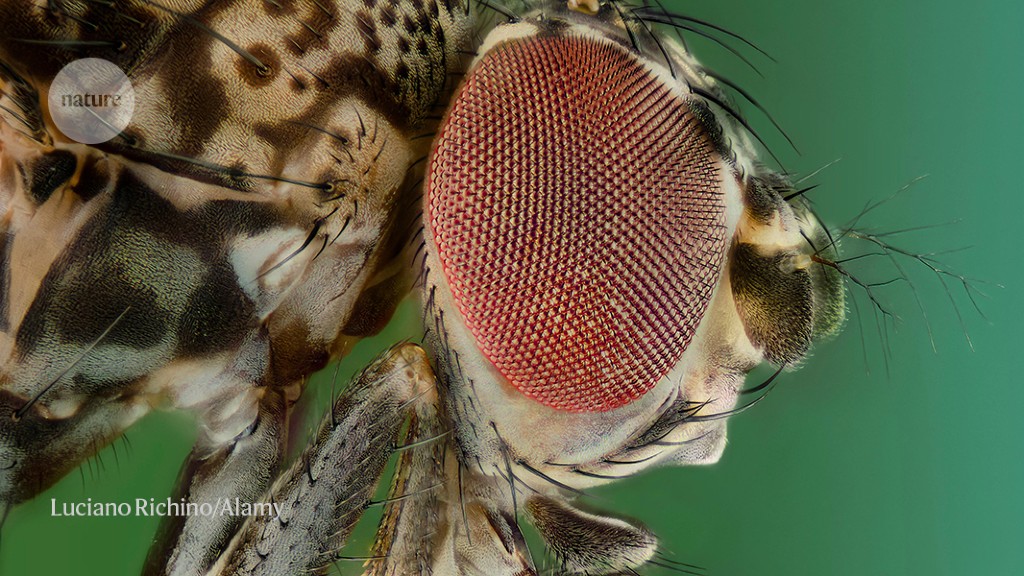
Questioning the existence of magnetic sensing in fruit flies

A replication study has cast doubt on the long-held belief that the fruit fly Drosophila melanogaster can detect Earth's magnetic field. The study, which examined around 110,000 flies, failed to replicate the results of previous studies that suggested the existence of a magnetic sense in the species. This challenges the idea that Drosophila could be an ideal system for studying this enigmatic sense due to its small and experimentally accessible nervous system.

The Science Behind Insects' Attraction to Artificial Lights.
science2 years ago

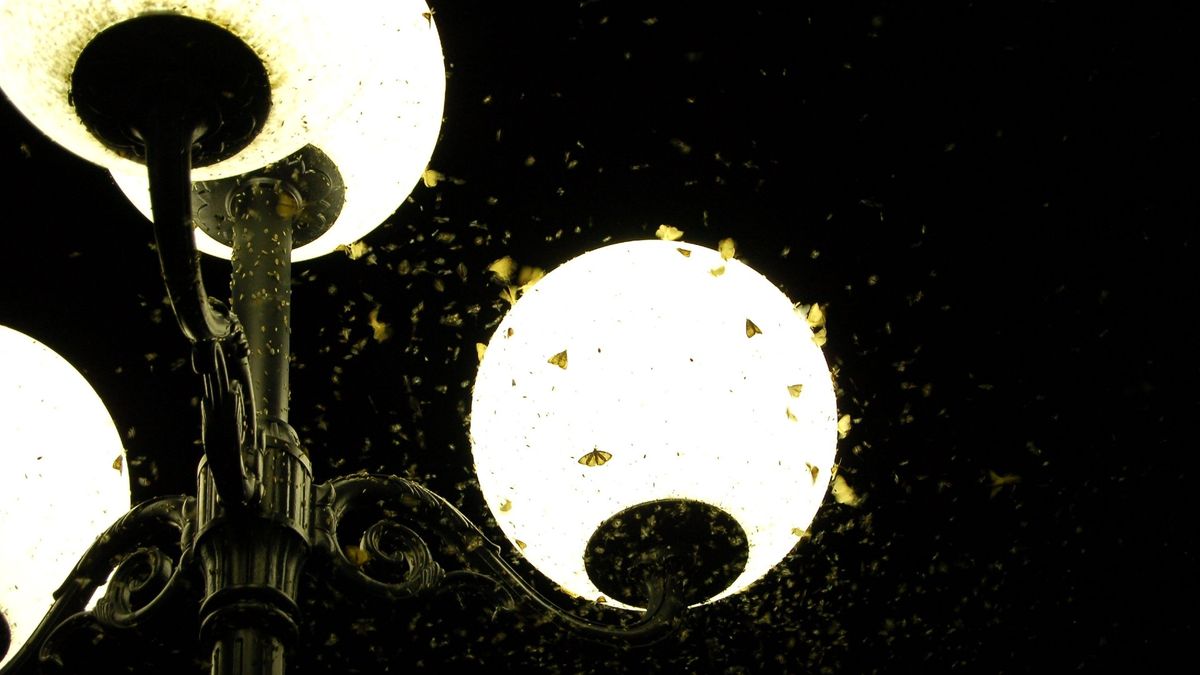
The Science Behind Insects' Attraction to Artificial Lights.

Insects are attracted to artificial lights due to an older evolutionary response, but flying around them can have deadly consequences. Theories suggest that insects may mistake lights for the moon, use them to escape towards the light or find the dark, or that lights mimic mating pheromones. New research suggests that some insects fly to light as a way to orient themselves, as light usually means up and dark means down. However, the question of how some insects find lights over long distances or why some get stuck and others don't remains unanswered. Researchers recommend reducing lights and avoiding up lighting to protect insects.