Utah’s Fentanyl Task Force, formed in 2024, targets both large trafficking networks and smaller dealers; a Cedar City overdose highlighted the deadly reach of fentanyl, leading to federal sentences for two dealers in 2025. Officials report rising seizures and a decline in fentanyl deaths statewide as prosecutions continue across agency lines.
Utah’s opioid and fentanyl task forces detected medetomidine, a veterinary sedative, in the state’s illicit drug supply. First seen in U.S. street drugs in 2022, medetomidine is more potent than xylazine and cannot be reversed by naloxone, since it isn’t an opioid; naloxone remains essential for opioid overdoses like fentanyl. Officials urge quick overdose response—call 911, administer naloxone, and support breathing—while continuing surveillance and public health guidance to save lives.
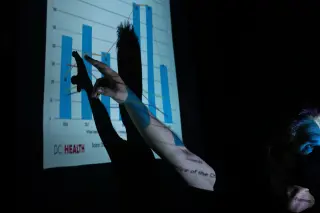
New CDC data show the US death rate dropped to a record low of 689.2 deaths per 100,000 in 2025, a 4.6% decline driven mainly by continued falls in fatal overdoses and COVID-19 deaths across most age groups and demographics; however, deaths from influenza and pneumonia rose to move into the top 10 causes of death for the first time since 2020, while Black Americans have the highest death rate and men die at higher rates than women, indicating broad improvements across most groups but ongoing disparities.
Provisional CDC data show the U.S. death rate fell to a record low last year, helped by fewer overdose deaths, while flu and pneumonia rose to become the eighth-leading cause of death; heart disease and cancer remain the top killers.
An experimental fentanyl vaccine developed by ARMR Sciences showed promising results in an early human trial, marking the first fentanyl vaccine tested in people and offering potential to prevent overdoses and aid addiction treatment if effectiveness is confirmed in larger studies.
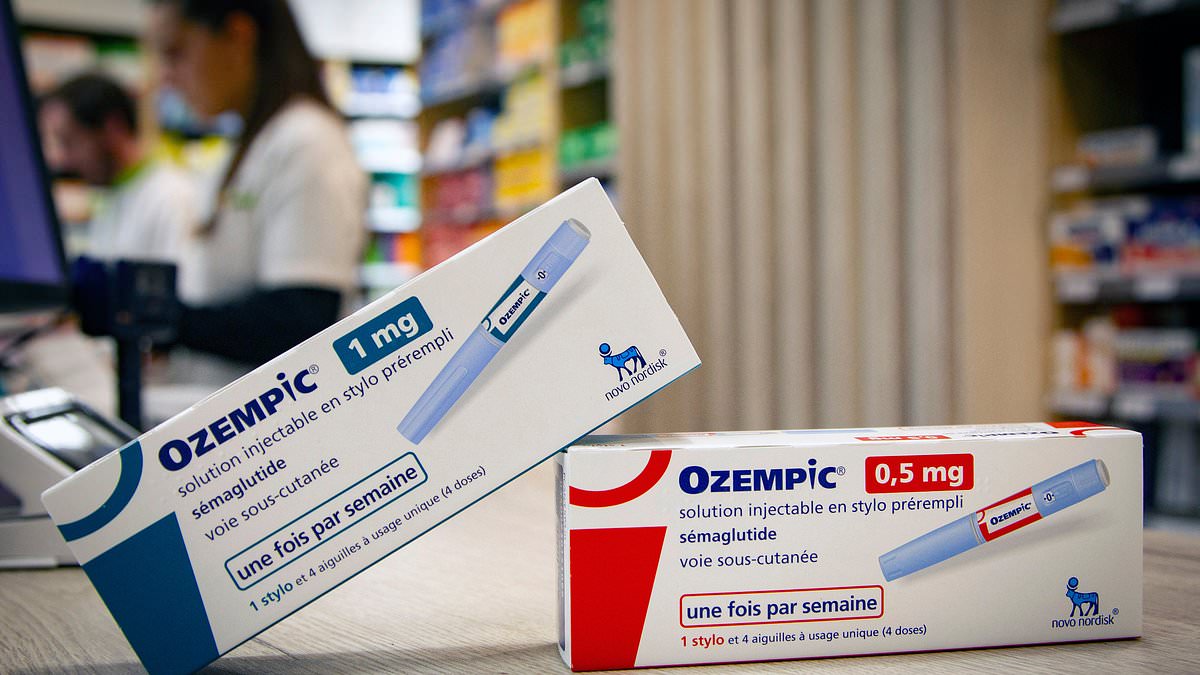
GLP-1 diabetes/weight‑loss drugs are seeing a rise in life‑threatening overdoses as use has surged since 2021 and telehealth lowers barriers to access, sometimes bypassing in-person care. Poison‑control calls jumped from about 100 monthly in 2021 to roughly 1,000 by 2025, with patients suffering severe vomiting, dehydration, seizures, and even vomiting blood. Compounded or online‑sourced versions can have inconsistent dosing and less doctor oversight, prompting FDA warnings about unregulated products. Experts urge caution, proper dosing, and urgent care for severe symptoms, noting risks like pancreatitis and hypoglycemia, with children also at risk.
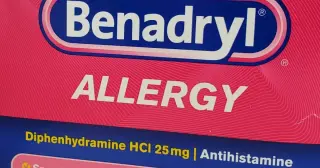
Georgia’s poison center reports a sharp rise in diphenhydramine (Benadryl) overdoses among teens, with 278 cases year-to-date in 2026 versus 170 in 2025 (63% higher). Nationwide calls for 13- to 19-year-olds have doubled in early 2026. Experts link the trend to social media hype about using the drug to get high, warning of severe risks including seizures, abnormal heart function, coma, and death. Parents are urged to monitor social media and talk to children about the dangers of OTC medications, especially Benadryl.
A report from California's Legislative Analyst's Office reveals that the mortality rate for young adults aged 15 to 44 remains significantly higher than pre-pandemic levels, primarily due to drug overdoses, particularly involving fentanyl. The overdose crisis, exacerbated by the pandemic, is linked to the widespread availability of fentanyl, reduced participation in medication-assisted treatment, and increased homelessness. The report highlights the need for legislative action to address the rising mortality rate among young adults.
U.S. drug gangs are mixing the potent sedative medetomidine into street drugs like fentanyl, causing a surge in overdoses and severe health complications. This new combination, which began causing mass overdoses in late April, is difficult to detect and treat, complicating medical responses. Public health officials are issuing warnings as the toxic drug supply grows more dangerous, with similar outbreaks reported in Chicago, Pittsburgh, and Toronto. Experts are urging better preparedness for emergency treatments and cautioning drug users about the heightened risks.
Life expectancy in the United States has risen to 77.5 years after a two-year decline, but still lags behind other developed nations. Child deaths have spiked, with infant mortality and death rates among children 1-14 increasing. Heart disease and cancer remain the top causes of death, while drug overdoses have reached record levels. COVID-19 death rates dropped significantly, but the overall health status of Americans, especially children, remains a concern.
American Medical Response reported a total of 49 suspected opioid overdoses in Manchester and Nashua in February, with 36 in Manchester and 13 in Nashua, four of which were fatal. This marks the third consecutive month of a decrease in total suspected opioid overdoses compared to the monthly average.
A recent study found that the mortality rate for homeless individuals in the US has more than tripled between 2011 and 2020, with overdoses being a major cause of death. Other contributing factors include lack of access to preventative medical care, exposure to harsh weather, and an aging homeless population. The study highlights the urgent need for state and local efforts to combat the crisis, as being homeless has become significantly more deadly. Researchers emphasize the importance of providing housing as a means to prevent these deaths and improve the health outcomes of homeless individuals.
A recent study found that the mortality rate for homeless individuals in California more than tripled between 2011 and 2020, with overdoses being a major cause of death. Other contributing factors include lack of access to preventative medical care, exposure to extreme weather, and an aging homeless population. The study highlights the urgent need for state and local efforts to combat the crisis, emphasizing the potential to prevent many of these deaths by providing housing for homeless individuals.
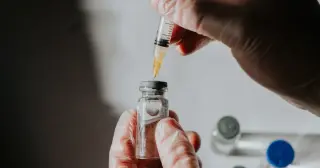
Overdoses involving weight-loss drugs like Ozempic have increased by 1,500% over the past five years, with America's Poison Centers receiving nearly 3,000 calls related to these medications in 2021 compared to just 196 in 2019. Most of the cases were linked to compounded versions of the drug, rather than the manufactured product. Overdosing on Ozempic can lead to severe symptoms such as nausea, diarrhea, abdominal pain, and constipation. The issue is attributed to errors in dosing, particularly with pharmacy-made versions that are distributed in glass vials, making it easier for patients to accidentally overdose. The surge in demand for weight loss drugs has led to shortages, prompting pharmacies to produce their own versions, which has raised concerns from the FDA about unapproved doses and ingredients.
Poison control centers in the United States have seen a 1,500% increase in calls related to overdoses of semaglutide drugs like Ozempic, primarily due to dosage errors. The popularity of semaglutide, used for diabetes and weight loss, has led to overwhelming demand, prompting the FDA to allow compounding pharmacies to produce the drug. However, compounded versions often come in glass vials with multiple doses, increasing the risk of confusion and accidental overdoses. Manufacturers like Novo Nordisk, the maker of Ozempic, have taken steps to ensure patient safety, but the FDA has sent warning letters to online sellers and legal action has been taken against unauthorized sellers.