
Tag

P21

All articles tagged with #p21

Eliminating senescent macrophages reverses fatty liver in mice
science1 month ago

Eliminating senescent macrophages reverses fatty liver in mice

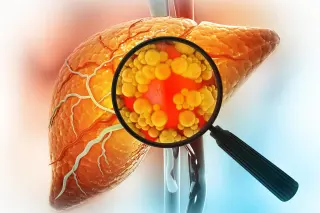
UCLA researchers identify a population of p21+ TREM2+ senescent macrophages that drive liver inflammation and fatty liver; removing them in mice on a fatty/high-cholesterol diet reverses liver damage and inflammation without changing diet, using the senolytic drug ABT-263. However, ABT-263 is too toxic for humans, so researchers are seeking safer therapies, and human liver data show higher senescent macrophage signatures in diseased livers, suggesting potential relevance to people and other aging-related diseases.
p21+TREM2+ Senescent Macrophages Drive Inflammaging and MASLD, Reversed by Senolytics
science1 month ago

p21+TREM2+ Senescent Macrophages Drive Inflammaging and MASLD, Reversed by Senolytics

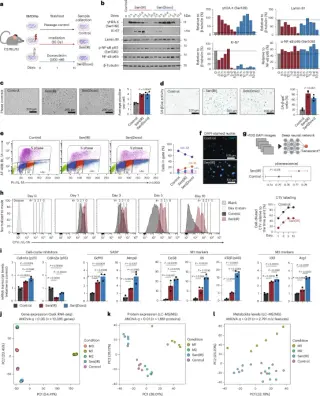
A Nature Aging study identifies a distinct population of p21+ Trem2+ senescent macrophages as major drivers of inflammaging. These cells exhibit a SASP and type I interferon signaling driven in part by cytosolic mitochondrial DNA, accumulate in aging livers and in metabolic dysfunction-associated steatotic liver disease (MASLD), and are distinct from classic M1/M2 macrophages. In both mouse models and human tissue, senolytic treatment with ABT-263 reduces liver inflammation and steatosis, supporting macrophage senescence as a tractable target for aging-related liver disease.

"Breakthrough Discovery Offers Hope in Preventing Cancer Recurrence"
health2 years ago

"Breakthrough Discovery Offers Hope in Preventing Cancer Recurrence"

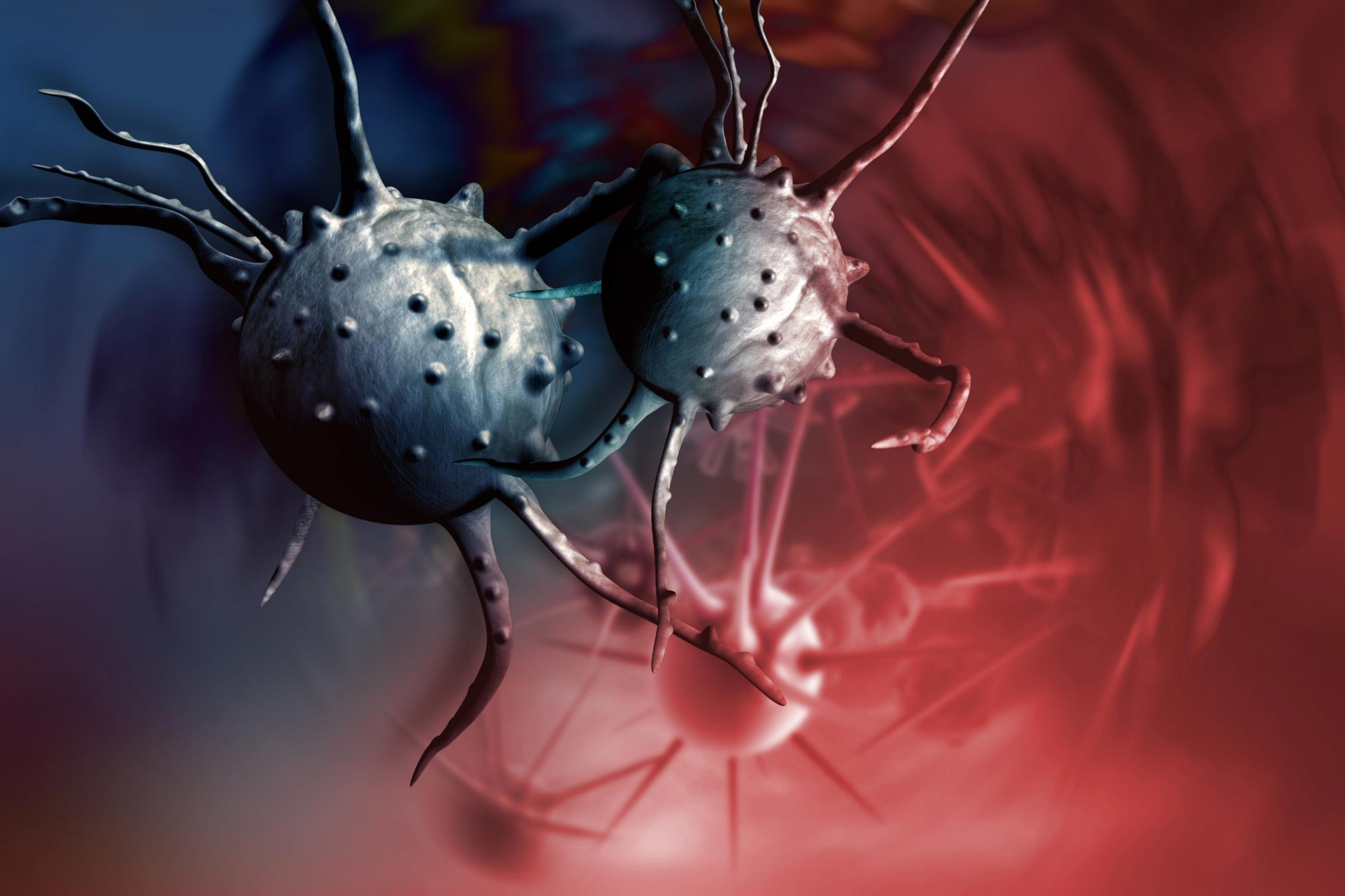
Scientists at MUSC Hollings Cancer Center have identified polyploid giant cancer cells (PGCCs) as key to cancer recurrence post-therapy. These cells adapt to treatment stress and later divide, causing tumor regrowth. Targeting PGCCs with specific inhibitors like p21 during therapy could improve treatment outcomes by preventing these cells from generating daughter cells responsible for tumor relapse. Further research is needed to explore the effectiveness of existing drugs like tamoxifen and statins in blocking PGCC pathways.