Tag

Parasitism

All articles tagged with #parasitism

Nine Weird Crabs: Toxic Killers, Giant Shellade Barbarians, and Other Ocean Oddities
science25 days ago

Nine Weird Crabs: Toxic Killers, Giant Shellade Barbarians, and Other Ocean Oddities

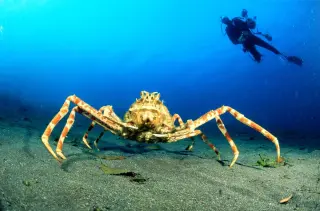
Nine ocean crustaceans nicknamed crabs—many aren’t true crabs—showcase toxic defenses, colossal sizes, and unusual adaptations: from the toxic xanthid crabs and the car-sized Japanese spider crab to porcelain and hermit crabs, boxer crabs that wield anemone “gloves,” spiny spider crabs’ debris camouflage, devil crabs’ neurotoxins, spanner crabs’ tool-like claws, and zebra crabs that parasitize venomous urchins; the piece also explains what defines a true crab and how evolution can reshape crustaceans.
Parasite Turns a Fish’s Mouth Into a Working Tongue
science1 month ago

Parasite Turns a Fish’s Mouth Into a Working Tongue

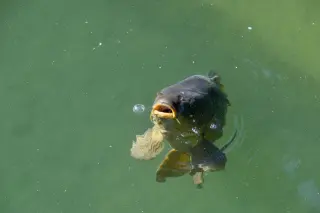
A tongue-eating isopod, Cymothoa exigua, enters a fish through its gill slit, attaches to the tongue, and feeds until the tongue withers away, after which it sits on the bone where the tongue used to be and functions as a replacement tongue for the fish—allowing the fish to eat while the parasite reproduces. Scientists debate whether the replacement is a true, complete substitution or a partial one, but the arrangement is a rare, striking example of a parasite manipulating a host.

Remoras: From Helpful Hitchhikers to Potential Parasites
science2 months ago

Remoras: From Helpful Hitchhikers to Potential Parasites

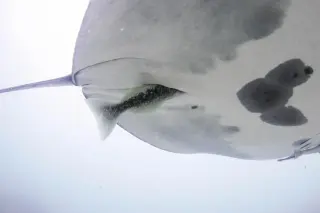
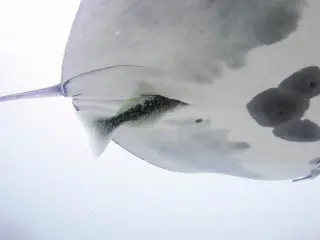
Remoras, long seen as mutualistic hitchhikers that clean and shield their hosts, may be more parasitic than previously thought. New research notes reduced grazing by hosts with remoras present and rare cases of remoras entering manta rays’ cloacae, a behavior dubbed “cloacal diving” that challenges the traditional view of a beneficial relationship and highlights the parasite-like potential of these clingy fish.

Remoras Dive Deep: New Findings Reframe Hitchhiking With Manta Rays
science2 months ago

Remoras Dive Deep: New Findings Reframe Hitchhiking With Manta Rays

A new study documents remoras diving into manta ray cloacas and attaching beneath gill slits across manta species, suggesting these hitchhikers may be more invasive than previously thought. While remoras can help by cleaning parasites, their aggressive attachment can increase drag and cause injuries, pushing the relationship along a spectrum from mutualism to parasitism and raising concerns for manta rays already facing threats from fishing, habitat loss, and climate change. Researchers emphasize the interaction is nuanced and context-dependent, potentially beneficial in some cases and costly in others.

Parasitic barnacle hijacks deep-sea sharks in a Norwegian fjord
science4 months ago

Parasitic barnacle hijacks deep-sea sharks in a Norwegian fjord

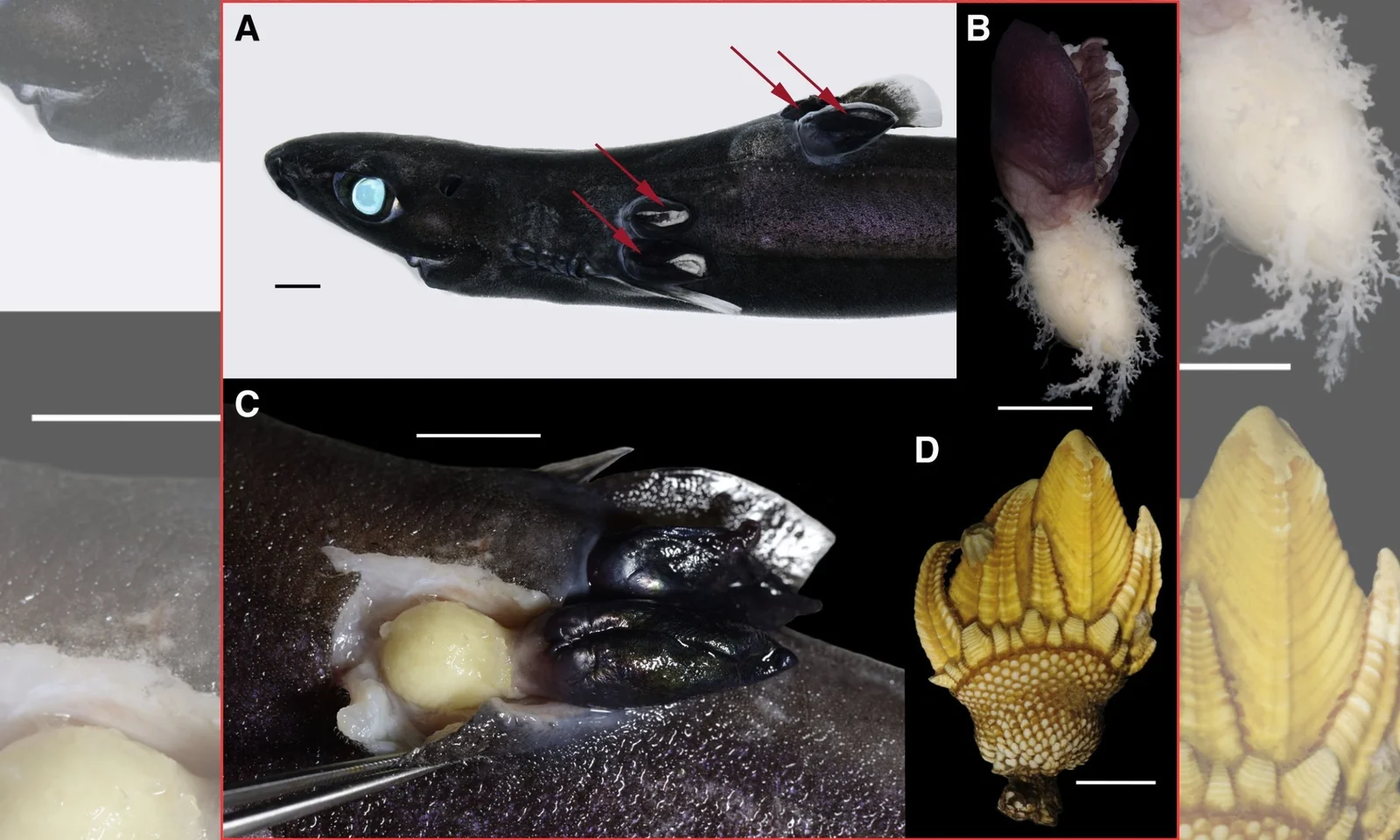
Earth.com reports that Anelasma squalicola, a barnacle, has evolved into a parasite that pierces lantern sharks in Norway's Sognefjord, feeding directly from host tissue and marking a rare evolutionary shift from plankton-feeding to a blood/tissue-feeding lifestyle. The finding provides a living snapshot of dramatic biological change and raises questions about whether this parasitic relationship could spread to other oceans beyond the fjord.