A Tiny Lipid Switch Could Revive Cellular Powerhouses and Slow Aging
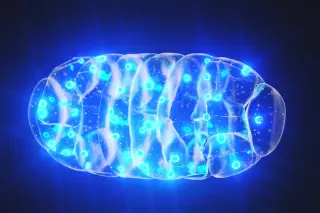
A study led by researchers at the Leibniz Institute on Aging links age-related mitochondrial decline to dropping levels of the membrane lipid phosphatidylcholine. As phosphatidylcholine wanes, mitochondria lose flexibility and efficiency, contributing to aging. Across human cells and the worm C. elegans, the team found that supplying choline or phosphatidylcholine can partially restore youthful mitochondrial function, suggesting that targeting this lipid pathway might slow—or even reverse—aspects of aging.