Tag

Phosphorylation

All articles tagged with #phosphorylation

Phage T7 kinase triggers genome-wide phosphorylation to disable bacterial defenses
science6 days ago

Phage T7 kinase triggers genome-wide phosphorylation to disable bacterial defenses

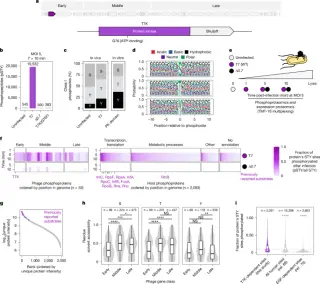
New work reveals bacteriophage T7 encodes a hyperpromiscuous dual‑specificity kinase (T7K) that rapidly phosphorylates most host and phage proteins with high stoichiometry and no motif preference, biased toward nucleic‑acid–binding substrates via a DNA‑binding C‑terminal domain. This widespread phosphorylation disables DNA‑targeting bacterial defence systems, notably Retron‑Eco9 and DarTG1, and is effective across diverse E. coli isolates, suggesting a general phage‑encoded anti‑defence mechanism. The activity hinges on a divergent motif enabling hyperactivity, with T7K homologues found across Autographiviridae, highlighting an underappreciated layer of phage–bacteria arms races.
"Uncovering the Formation of Earth's First Cells: A Breakthrough in Scientific Discovery"
science2 years ago

"Uncovering the Formation of Earth's First Cells: A Breakthrough in Scientific Discovery"

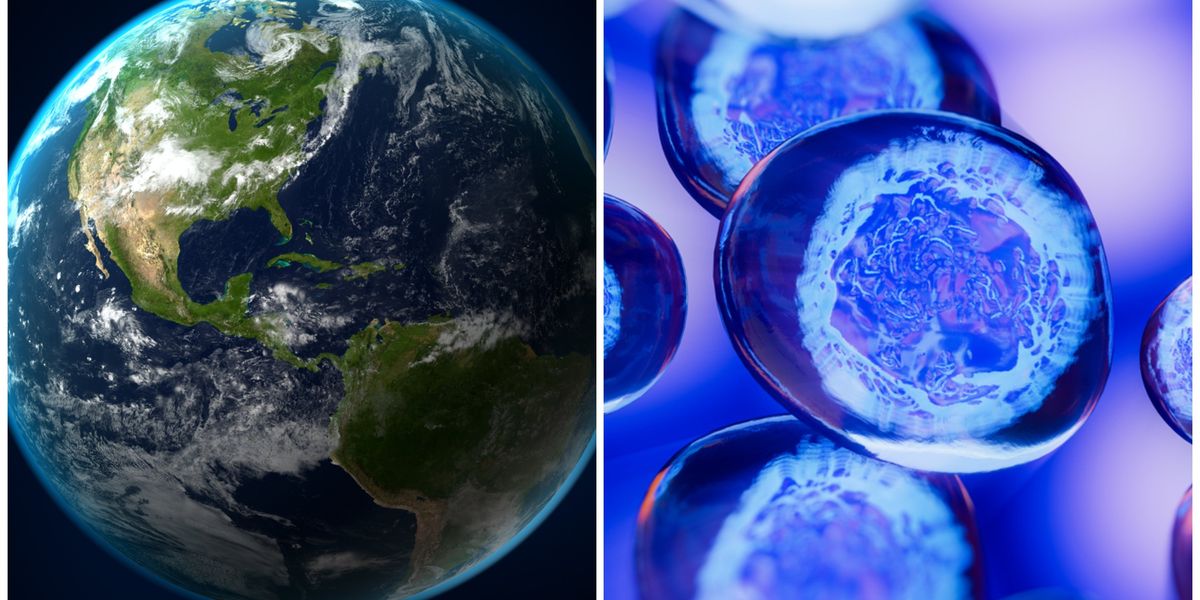
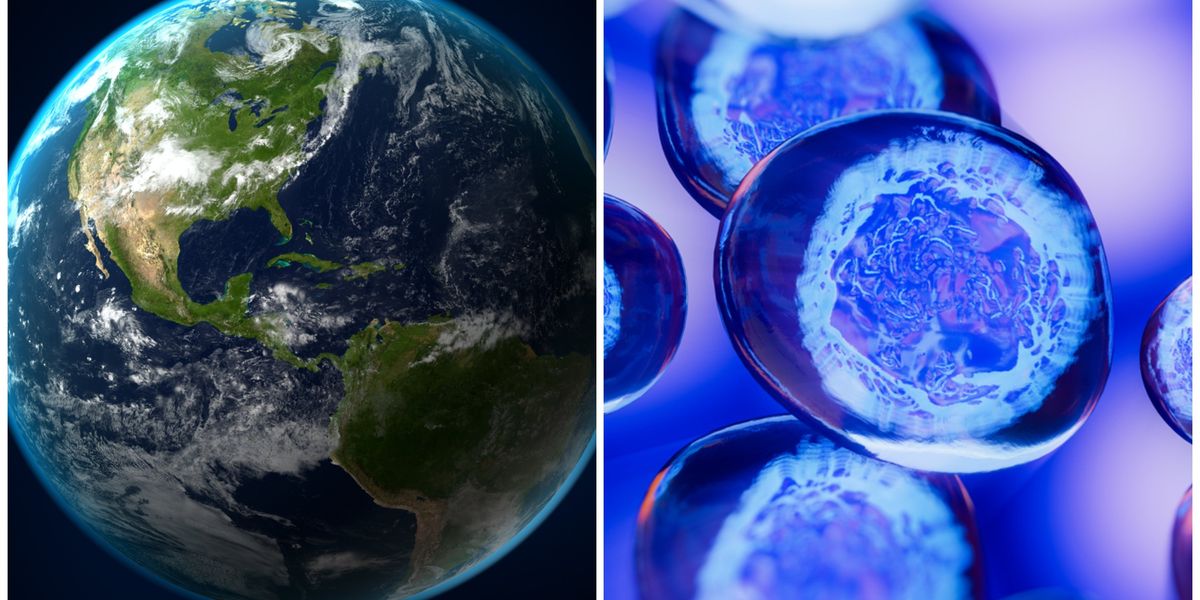
Scientists at The Scripps Research Institute in California have proposed a groundbreaking explanation for the emergence of protocells, the precursors to modern living cells, on early Earth. Their findings suggest that phosphorylation, a key chemical process, occurred earlier than previously thought, leading to the formation of more stable protocells capable of diverse functionalities. By mimicking prebiotic conditions, the researchers demonstrated how fatty acids and glycerol may have undergone phosphorylation to create these protocells, shedding light on the chemical environments of early Earth and the origins of life.

Unraveling the Mystery of Earth's First Cells
science2 years ago

Unraveling the Mystery of Earth's First Cells

Scientists at The Scripps Research Institute in California have proposed a groundbreaking explanation for the emergence of protocells, the precursors to modern living cells, on early Earth. Their findings suggest that phosphorylation, a key chemical process, occurred earlier than previously thought, leading to the formation of more stable and complex protocells capable of harboring chemical reactions and dividing with a diverse range of functionalities. By mimicking prebiotic conditions, the researchers demonstrated how fatty acids and glycerol may have undergone phosphorylation to create these protocells, shedding light on the chemical environments of early Earth and the origins of life.

Revealing the Birth of Earth's First Cells
science2 years ago

Revealing the Birth of Earth's First Cells

Researchers from The Scripps Research Institute have proposed a plausible pathway for the formation of the membranes of the first cells on Earth, suggesting that a chemical process called phosphorylation may have played a crucial role in the development of protocells more than 3.5 billion years ago. By replicating early Earth conditions in the lab, the team was able to demonstrate that phosphorylation could have been involved in the creation of more complex vesicles, similar to protocells. This finding sheds light on the chemical environments of early Earth and provides insights into the origins and evolution of life, while also offering implications for the study of life on other planets.