PJM has issued a maximum generation alert for October 13, 2026, and extended a capacity advisory through October 14. The Sunday Guardian reports this emergency order affects 13 US states and Washington DC, citing blackout risks. PJM Inside Lines confirms the alert status but does not specify the number of affected states or the cause of the strain.
After roughly 3,800 MW of data-center load tripped offline in northern Virginia on July 22—the largest PJM event—PJM is weighing ride-through standards and other reliability rules for 'computational loads' like data centers and crypto-mining facilities. The disturbance caused voltage and frequency swings; PJM recovered the balancing error in nine minutes (versus the 30-minute NERC target) and deployed reactive power. Similar 1,500 MW transfers occurred in Dominion's zone in 2024 and 2025. With NERC moving to set standards for computational loads and FERC directing finalization of criteria by year-end and a plan by March, PJM says these requirements should be in place before new loads come online.
PJM’s 2028-2029 capacity auction cleared at the $325/MW-day price cap, leaving about a 6.8 GW shortfall versus its 20% installed reserve margin (up from 6.5 GW), with only roughly 525 MW of new resources and nearly 2 GW of additional forecast demand driven by data centers. The grid operator plans a backstop capacity auction and a ‘connect and manage’ framework for data centers, with a filing due this month for a September auction. Without the cap, clearing prices would have run about $555/MW-day across PJM and $777/MW-day in the ComEd zone, implying about $29.7B in potential costs versus the actual $16.4B spent. Demand response fell by about 277 MW, and while ratepayers may see little bill change in 2028, large industrial customers could face sharply higher capacity charges. Analysts expect reforms to lower prices and address resource adequacy, while stakeholders debate data-center costs and permitting barriers.
PJM, the largest U.S. power-grid operator, activated a federal alert to cut electricity use amid generator outages and heavy air-conditioning demand during a heatwave, ordering utilities to curtail load as transmission lines become congested and wholesale prices surge.
As a brutal heat wave drives air-conditioning use, Energy Secretary directs mid-Atlantic data centers served by PJM to run on backup generators instead of drawing power from the grid, freeing capacity for residents. DOE estimates more than 35 GW of available backup generation nationwide; New York City is not part of PJM. While this can relieve grid stress, it raises emissions and air-quality concerns, and the PJM region has fewer large batteries to store peak energy.
Amid a brutal heat wave, the Energy Department authorized PJM to direct large-load customers, including data centers, to rely on their own backup power as a last resort to prevent blackouts, tapping an estimated 35 GW of unused backup generation (enough to power ~26 million homes) while exempting critical facilities; the measure is limited to emergency conditions through Friday and has raised concerns about emissions from backup generators.
Regulators and grid operator PJM are assessing how surging data-center electricity demand should be met, including options for direct connections to power plants or on-site generation, in a debate that could reshape grid investment, electricity prices, and AI development as FERC prepares a key ruling in the coming months.
A Monitoring Analytics report finds PJM wholesale power prices rose about 76% in early 2026 due to AI data-center load, averaging $136.53/MWh vs. $77.78/MWh; with demand outstripping capacity, prices and transmission costs are expected to stay high through 2028, and the fuel mix shifted toward oil and natural gas while coal and wind declined.
PJM Interconnection proposed three broad frameworks to reform its markets to ensure adequate future power supplies: Path A would stabilize the capacity market with long-term contracts, Path B would formalize reliability differentiation across customer classes or regions, and Path C would pivot toward an energy-and-ancillary-services market with capacity acting as a backstop. Stakeholders will discuss these options through 2026 to build regional consensus, with a multi-track rollout possible (A in 2026–2029, B 2027–2030, C 2028+). Analysts expect reforms before the May 2027 capacity auction, amid pressures from rising load (notably data centers) and regulatory price caps.
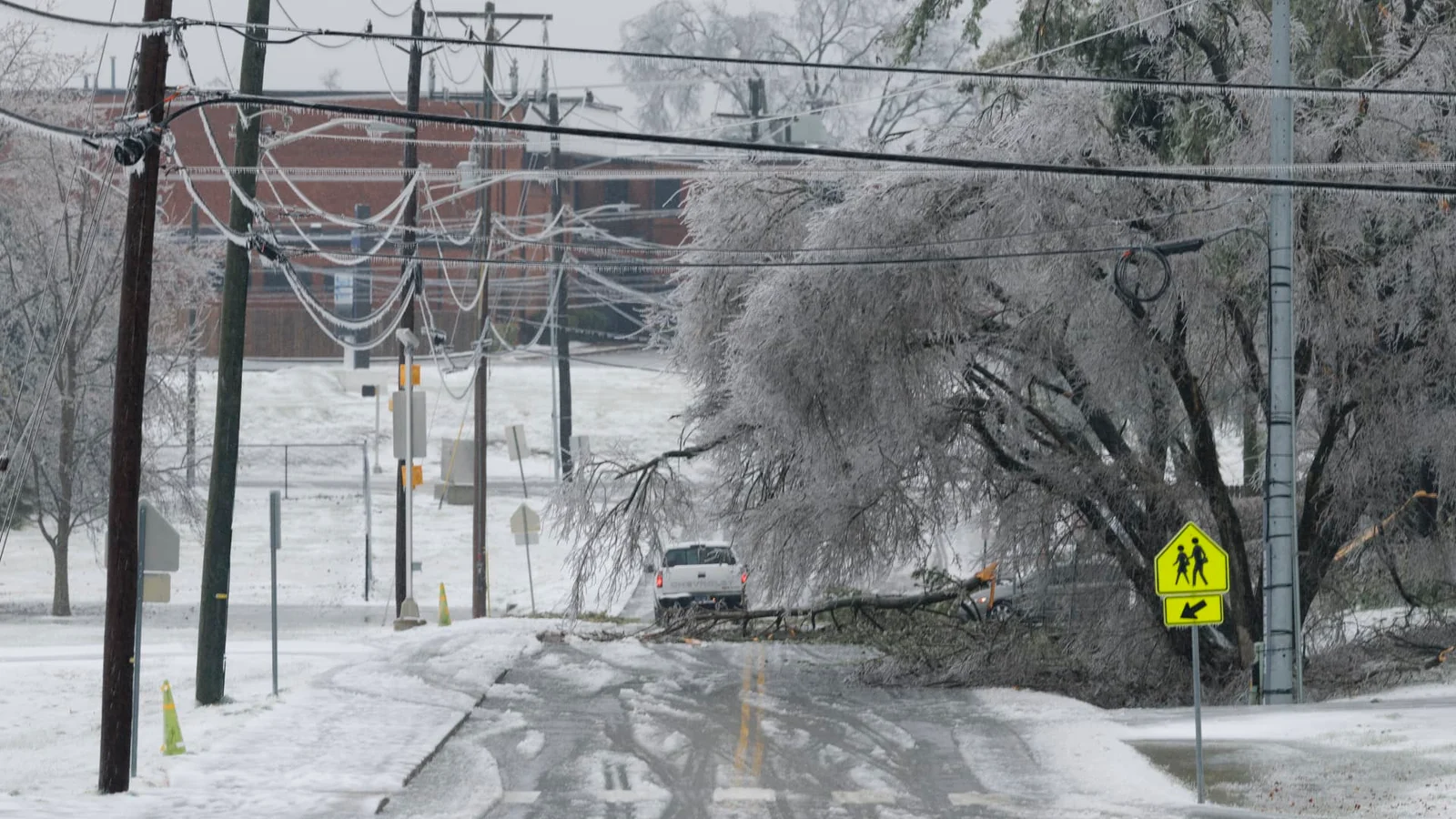
Winter Storm Fern knocked out power for more than a million customers across the South as frigid conditions loom, pressuring the electric grid. PJM projected record winter demand and the Energy Department allowed full operation of grid resources while utilities mobilized tens of thousands of workers; gas prices surged and authorities warned the system could remain stressed through the week amid ice and falling temps.
A massive winter storm boosted electricity demand in the PJM region, pushing Virginia real-time prices above $1,800/MWh as data centers—the world’s largest cluster—drive usage; PJM forecasts a record winter demand while outages leave hundreds of thousands without power across several states.
PJM, which runs the grid for 13 states and DC, issued Cold Weather Alerts and Advisories ahead of a weekend Arctic cold front that could push temperatures into single digits (and possibly below zero in its Western Region). The surge could drive peak demand above 130,000 MW for seven straight days, with a potential new winter peak on Jan. 27. PJM also declared Conservative Operations for Jan. 24–27 and ordered a generator maintenance outage recall to boost available capacity. Forecasts for Jan. 23–30 show rising loads (roughly 125,900 MW to 146,000 MW), and PJM outlines winter-preparedness steps under its Manual 14D guidelines, citing cross-region impacts and ongoing winter operations planning.
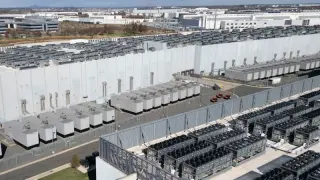
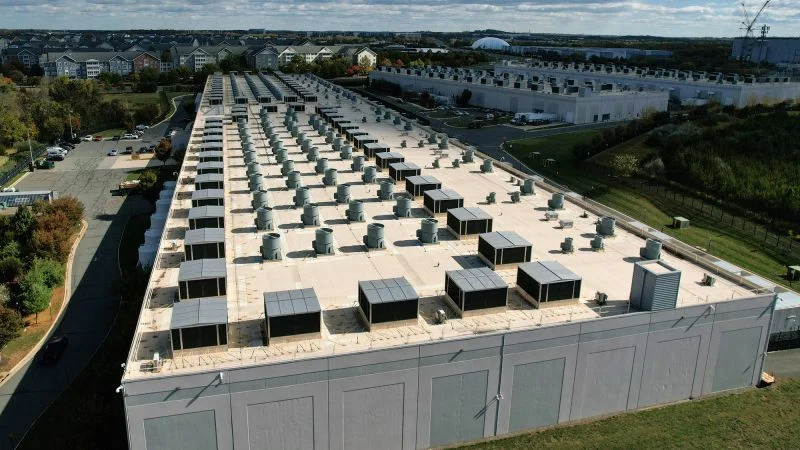
AI data centers are expanding rapidly, with Virginia hosting the world’s largest cluster and major investments from Meta, Microsoft, and Amazon, but the U.S. electrical grid is aging and may struggle to meet rising energy demand. Officials have floated an emergency electricity auction through PJM to cover growing costs from these centers, while residential rates have climbed and utilities are exploring higher charges for large customers. Projections suggest data centers could consume about 6.7%–12% of US electricity by 2028, and cooling needs could push water use up by about 170% by 2030, highlighting the challenge of coexisting data centers and households.
The Trump administration, citing reliability concerns and rising electricity costs in the Mid-Atlantic, urges PJM to temporarily overhaul market rules and hold an emergency procurement auction to finance more than $15 billion of new baseload power, offering 15-year revenue certainty, rate protections for residential customers, and data-center cost allocations to speed reliable, affordable power for industry and families.
PJM’s Board outlined a 2026 package of proposals to integrate large-load customers (including data centers) while preserving reliability and affordability. The plan includes load-forecast improvements, options for loads to own a generation or participate in a connect-and-manage framework, an accelerated interconnection track for state-backed projects, a backstop generation procurement process, and a market-review to guide investments. Several actions would be filed with FERC and implemented with ongoing stakeholder input as the region’s supply-demand balance evolves.