Tag

Colonoscopy

All articles tagged with #colonoscopy

Young Americans Battle Insurance Hurdles as Colon Cancer Rates Rise
health19 days ago

Young Americans Battle Insurance Hurdles as Colon Cancer Rates Rise

Colon cancer rates are rising among people in their 20s and 30s in the US, but adults under 45 often struggle to get insurance coverage for colonoscopies since the ACA mainly covers preventive screenings for those 45 and older. Diagnostic colonoscopies can be denied or costlier, leading to delays and out-of-pocket expenses (one case cited around $2,000). Doctors note referral loops and misattributions of symptoms contribute to late evaluations. Some experts suggest stool tests like Cologuard to expedite access, while the debate about lowering screening age continues due to capacity and disparities. Researchers also advocate broader study of cancer causes (the exposome) to inform policy and screening strategies.

Early Screening Urged for High-Risk Groups Before Age 45
health1 month ago

Early Screening Urged for High-Risk Groups Before Age 45

Colorectal cancer is increasingly affecting adults under 50, prompting doctors to call for earlier screening in high-risk groups even before 45. Official guidance still starts average-risk screening at 45, but those with strong family history, hereditary syndromes (such as Lynch syndrome, FAP, MAP, Peutz–Jeghers, Juvenile Polyposis), or inflammatory bowel disease may need earlier and/or more frequent colonoscopies. Colonoscopy remains the gold standard for detection and prevention by removing precancerous polyps, while stool tests exist as alternatives but are not ideal for high-risk individuals. Red flags like rectal bleeding, persistent changes in bowel habits, abdominal pain, anemia, or unexplained weight loss warrant prompt evaluation regardless of age. Insurance coverage generally aligns with screening guidelines, though diagnostic testing prompted by symptoms can affect costs.

Missed symptoms spark a young mom's colorectal cancer wake-up call
health1 month ago

Missed symptoms spark a young mom's colorectal cancer wake-up call

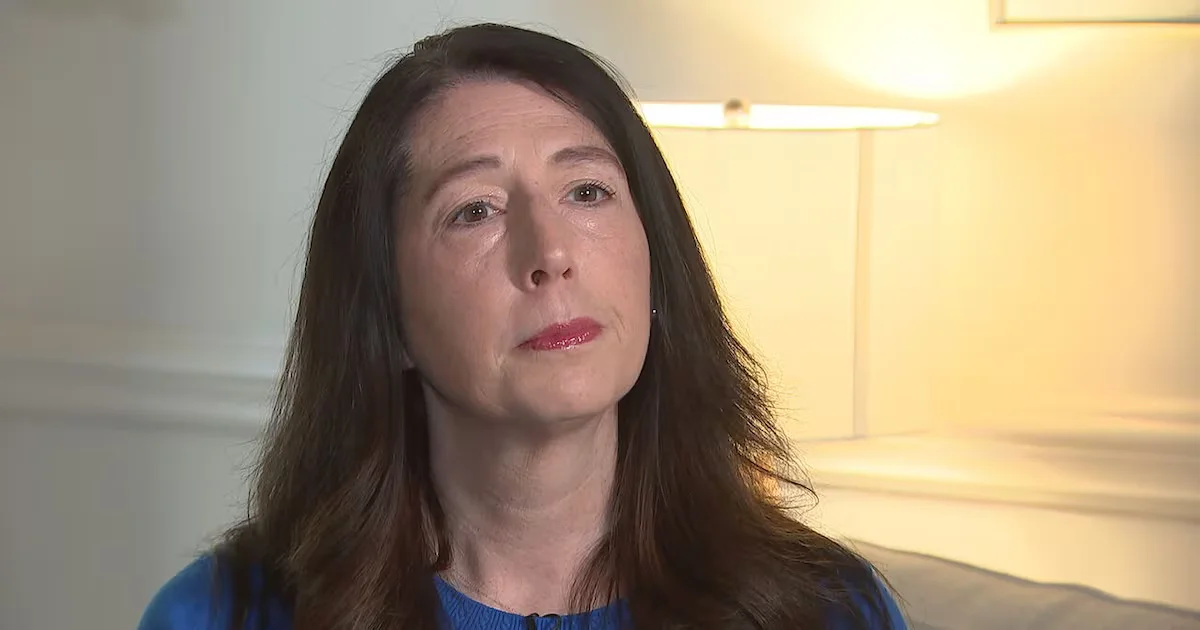
Marisa Peters, a mom in her 30s, experienced rectal bleeding and urgent changes in bowel habits that doctors attributed to postpartum effects. After six years she was diagnosed with stage 3 colorectal cancer and underwent extensive treatment; she is now cancer-free and cofounder of the Be Seen nonprofit, advocating for earlier screening as colorectal cancer increasingly affects younger people.

When Blood in the Toilet Went Unnoticed: A Young Mom's Rectal Cancer Diagnosis
health1 month ago

When Blood in the Toilet Went Unnoticed: A Young Mom's Rectal Cancer Diagnosis

A woman in her early 40s misattributed persistent bloody mucus to hemorrhoids during IVF/pregnancy, and it took over a year before a colonoscopy diagnosed stage 3b colorectal cancer. After radiation, chemotherapy, and surgery, she recovered and now emphasizes that colorectal cancer is increasingly seen in people under 50, urging earlier screening and open talk about toilet health.

Dual Polyp Types Raise Colorectal Cancer Risk, Study Finds
health1 month ago

Dual Polyp Types Raise Colorectal Cancer Risk, Study Finds

A large Australian study found that patients harboring both adenomas and serrated polyps detected during colonoscopy are up to five times more likely to develop advanced pre-cancerous changes than those with a single polyp type, indicating separate cancer pathways and the need for tailored, more vigilant screening—especially for people over 45 or with a family history.

A 37-Year-Old’s Colon Cancer Diagnosis Sparks Call for Early-Onset Awareness
health1 month ago

A 37-Year-Old’s Colon Cancer Diagnosis Sparks Call for Early-Onset Awareness

Allison Solomon was diagnosed with colon cancer at 37 in 2024 and is now in remission after surgery and chemotherapy; she’s advocating with the Colorectal Cancer Alliance as researchers note rising early-onset cases and explore factors like microbiome and birth year; a national survey shows many people are unsure when to start screening, with 45 the current guideline, highlighting the importance of listening to body signals and using colonoscopies to detect and remove premalignant polyps before cancer develops.

College Student Beats Stage 2 Colon Cancer After Months of Pain and Becomes a Young Advocate
health1 month ago

College Student Beats Stage 2 Colon Cancer After Months of Pain and Becomes a Young Advocate

A 20-year-old college student experienced intermittent upper abdominal pain and was initially thought to have an ovarian cyst. After worsening symptoms and imaging, she was diagnosed with stage 2 colon cancer, underwent surgery, and faced chemotherapy side effects including severe fatigue, neuropathy, and vision loss, leading to a switch to an oral chemo regimen. She completed treatment in mid-2025 and was declared cancer-free; now a senior and intern, she advocates for awareness of colon cancer symptoms in young people and stresses listening to one’s body, with plans for ongoing blood tests and annual colonoscopies.

Smartphone Use on the Toilet May Increase Hemorrhoid Risk
health1 month ago

Smartphone Use on the Toilet May Increase Hemorrhoid Risk

A study of 125 adults undergoing routine colonoscopies found smartphone use while on the toilet was linked to a 46 percent higher risk of hemorrhoids after adjusting for age, activity, and fiber intake; phone users also tended to stay on the toilet longer, suggesting extended seated time may raise venous pressure in the rectal area, though more research is needed and clinicians may advise limiting bathroom time and keeping phones out of the bathroom.

Colorectal cancer screening moves younger: why 45 is the new starting age and what to expect
health1 month ago

Colorectal cancer screening moves younger: why 45 is the new starting age and what to expect

The piece explains that colorectal cancer is increasingly affecting younger people, leading to guidelines that now start average-risk screening at age 45 with a colonoscopy every 10 years (or stool tests as alternatives), notes that a family or personal history can trigger earlier testing, and discusses symptoms, costs, and the role of noninvasive tests like Cologuard and FIT. It also highlights that lifestyle factors and access to care influence risk and screening uptake.

When Stool Changes Warn: A Hidden Sign of Colorectal Cancer
health2 months ago

When Stool Changes Warn: A Hidden Sign of Colorectal Cancer

Rising colorectal cancer rates in younger adults make awareness crucial: pencil-thin stools can be a rare but serious red flag when tumors narrow the end of the colon, alongside more common signs like blood in stool, abdominal pain, and weight loss; not all cases show symptoms. If you notice persistent changes in bowel habits, consult a doctor. Screening with colonoscopy or stool tests is the best way to catch cancer early, with most people starting screening at 45 (earlier if you have risk factors or a family history).

What to Do After Discovering Colon Polyps
health3 months ago

What to Do After Discovering Colon Polyps

Colon polyps are common, usually symptomless growths in the colon that can sometimes develop into cancer. Screening via colonoscopy is crucial for early detection and removal, significantly reducing colorectal cancer risk. Symptoms like bleeding or changes in bowel habits should prompt medical evaluation, especially after age 45 or with risk factors. Lifestyle changes and alternative screening methods can help lower risk, but regular screening remains the most effective prevention.

Lynch Syndrome Patient Faces Decision on Continuing Colonoscopies
health5 months ago

Lynch Syndrome Patient Faces Decision on Continuing Colonoscopies

A 79-year-old woman with Lynch syndrome is uncertain about continuing colonoscopies due to her age and cardiac risks. Dr. Roach explains that the decision to stop screening depends on individual health and risk factors, noting her lifetime colon cancer risk is about 20%, but her risk decreases with age. Both risks are low, so stopping is reasonable if she prefers, but continuing is also acceptable.