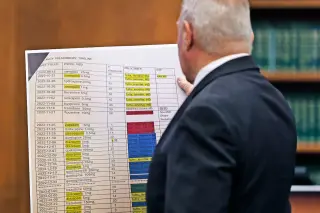
In his opening statements, Clancy’s defense outlined a lengthy medication history, noting more than 30 prescriptions and 13 different drugs used to treat postpartum mood disorders, including depression and psychosis, in the months leading up to the deaths of her children, underscoring the complexity of her mental-health treatment.
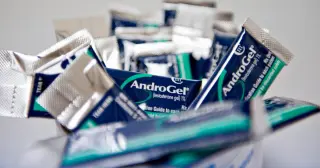
The Trump administration proposed relaxing some federal restrictions on testosterone prescriptions, aiming to help men with low testosterone—thought to contribute to various health issues—access a range of therapies, from nasal gels to injections, amid ongoing debate about whether boosting testosterone can truly address aging-related health problems.
After Mel Gibson cited ivermectin and fenbendazole on Joe Rogan's podcast, a JAMA Network Open study found cancer-related prescriptions for the ivermectin–benzimidazole combo nearly doubled in the month after, with larger increases among men, White patients, ages 18–64, and residents of southern states. The researchers caution that the study is observational and cannot prove causation, and they note there is no clinical evidence supporting the safety or effectiveness of this treatment for cancer; clinicians advise consulting qualified healthcare professionals and acknowledge the possibility some patients obtained the drugs without prescriptions.
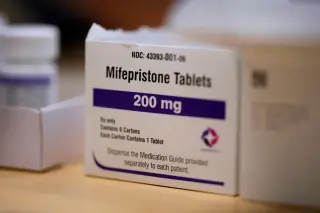
A federal court has blocked mailing prescriptions for mifepristone, a primary abortion drug, likely restricting access to medication abortions via mail and underscoring ongoing legal battles over abortion policy in the United States.
Postmaster General warns USPS could run out of cash in less than a year without congressional action, risking mail service and prescription deliveries. Amazon plans to cut the volume it ships through USPS by up to two-thirds by September after negotiations collapsed. Lawmakers debate fixes—higher stamp prices, fewer delivery days, closing post offices, or increased federal support—but any solution is likely to impact rural areas that rely on mail-order medications; the problem is seen as structural, not just cyclical, requiring congressional action to stabilize funding.
A Canadian CMAJ study finds adult ADHD stimulant prescriptions more than doubled since the start of the COVID-19 era, with a 2024 monthly rate of 10.4 per 1,000 people. The increase is strongest among 25–34-year-olds and women, and the time from first ADHD visit to prescription shortened, suggesting greater access via telehealth and primary-care prescribing. While this may reflect better treatment access, experts warn it could reflect overdiagnosis or rushed evaluations, underscoring the need for thorough assessment.
TRICARE's Express Scripts Pharmacy mobile app lets users locate pharmacies, order and track prescriptions, manage refills, update delivery addresses, set dose reminders, and pay for medications—including home delivery options and cost details for military beneficiaries.
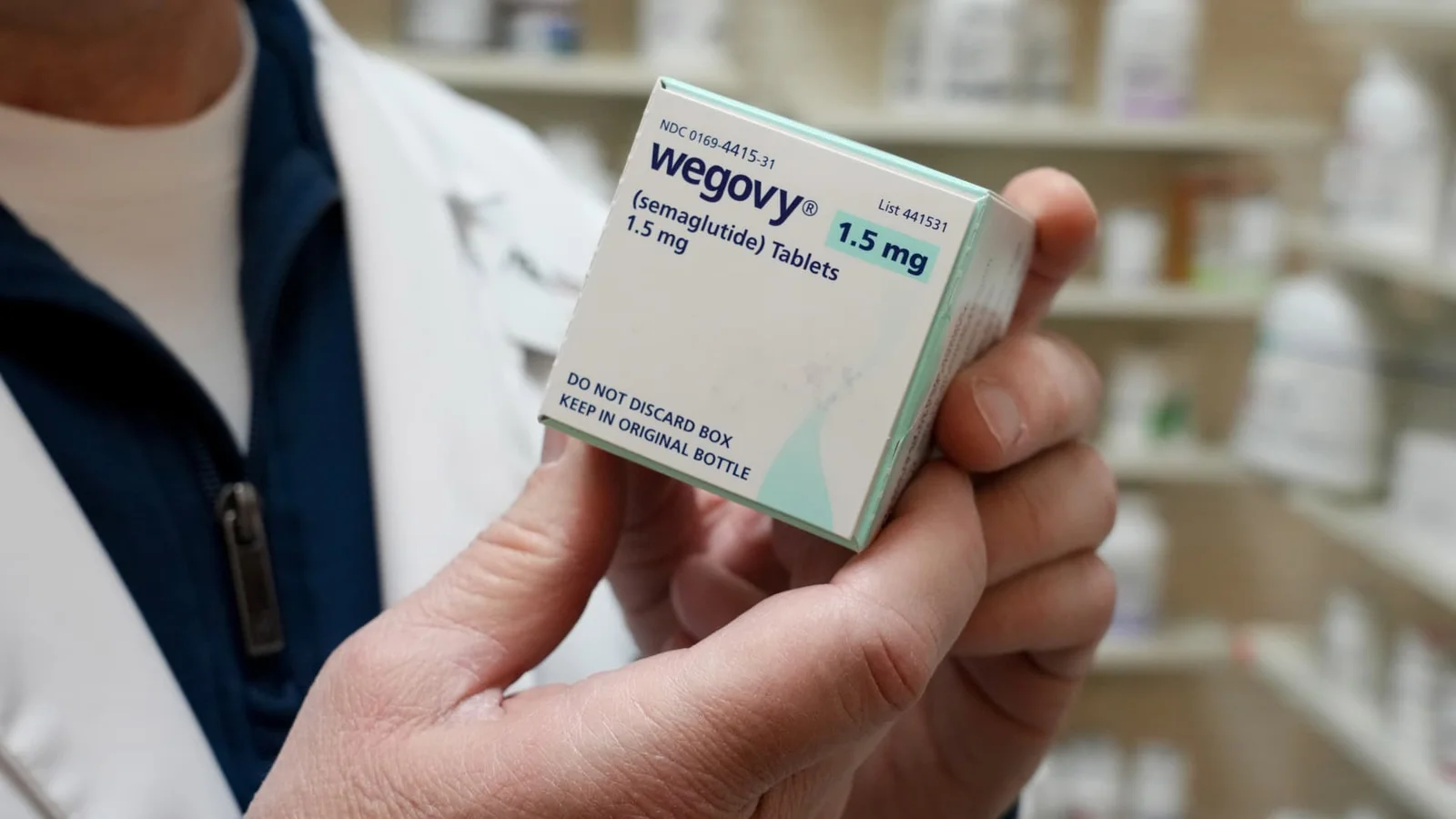
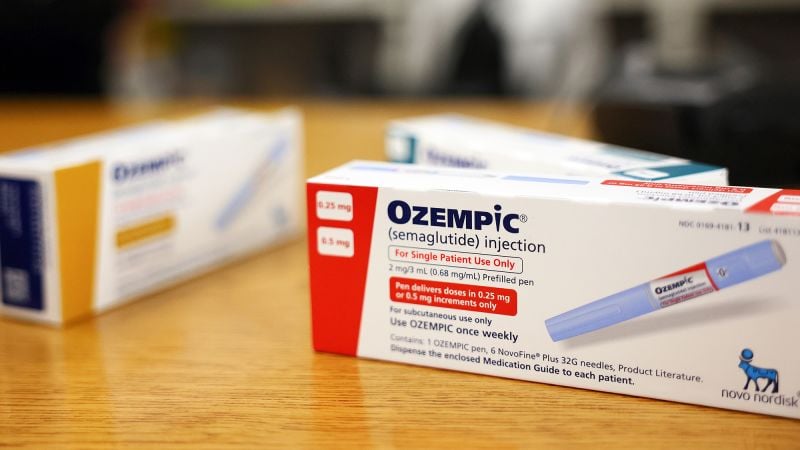
Novo Nordisk shares rose over 5% after early prescription data signaled solid initial demand for the company’s new oral GLP-1 Wegovy pill in the U.S.; analysts caution that one data point isn’t a trend, but early-week prescriptions—reported around 3,100 by Leerink and about 4,290 by Symphony—suggest the pill could outpace its injectable rivals at the same stage, even as competition from Eli Lilly’s Zepbound and the upcoming orforglipron enters the market and dosing restrictions may influence uptake.
Novo Nordisk's oral Wegovy pill drew 3,071 U.S. prescriptions in the first four days of its launch, according to Reuters via Barclays data, signaling early market uptake for the new GLP-1–based treatment.
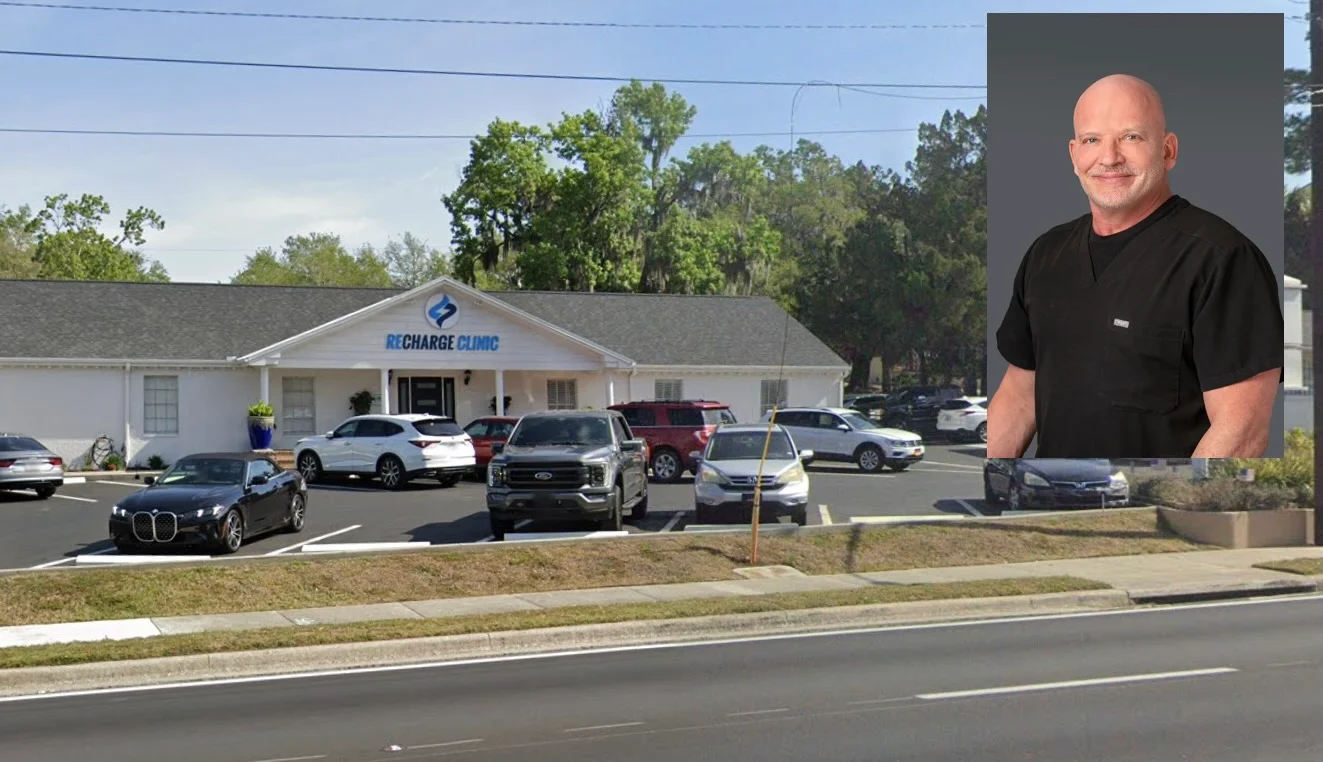
Dr. Steven Tieche of Recharge Clinic in Ocala was placed on one-year probation, fined $7,500, and ordered to complete CME after prescribing unnecessary thyroid medication that led to a patient's heart attack, violating standard care practices.
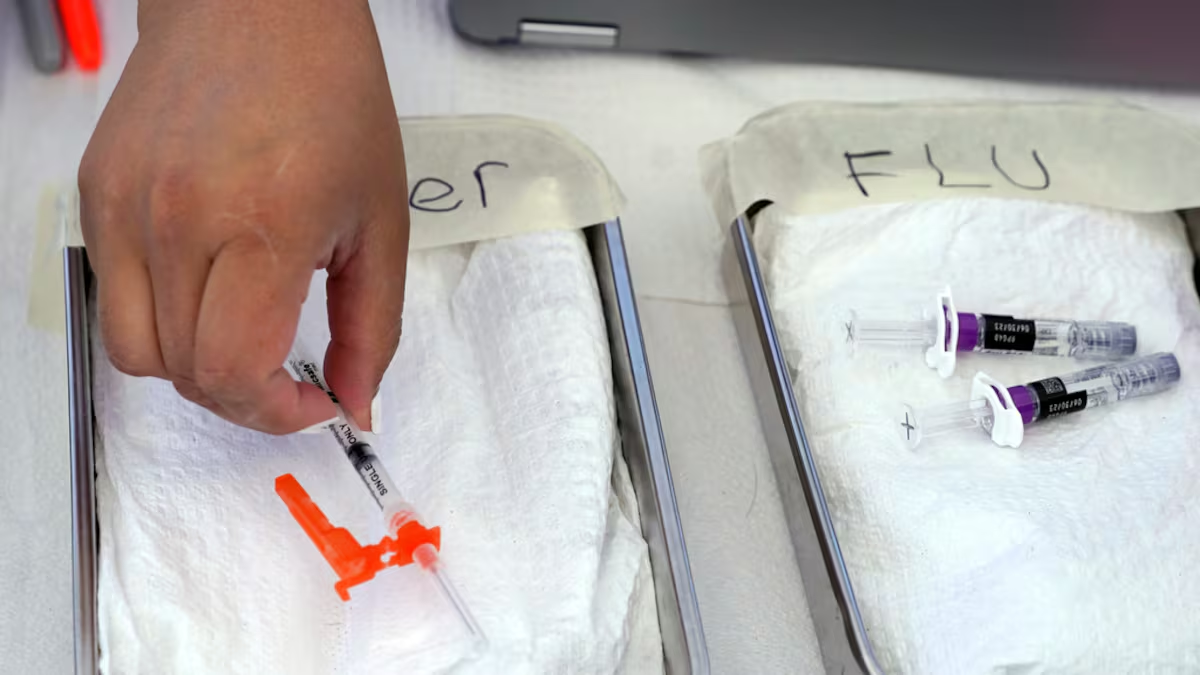
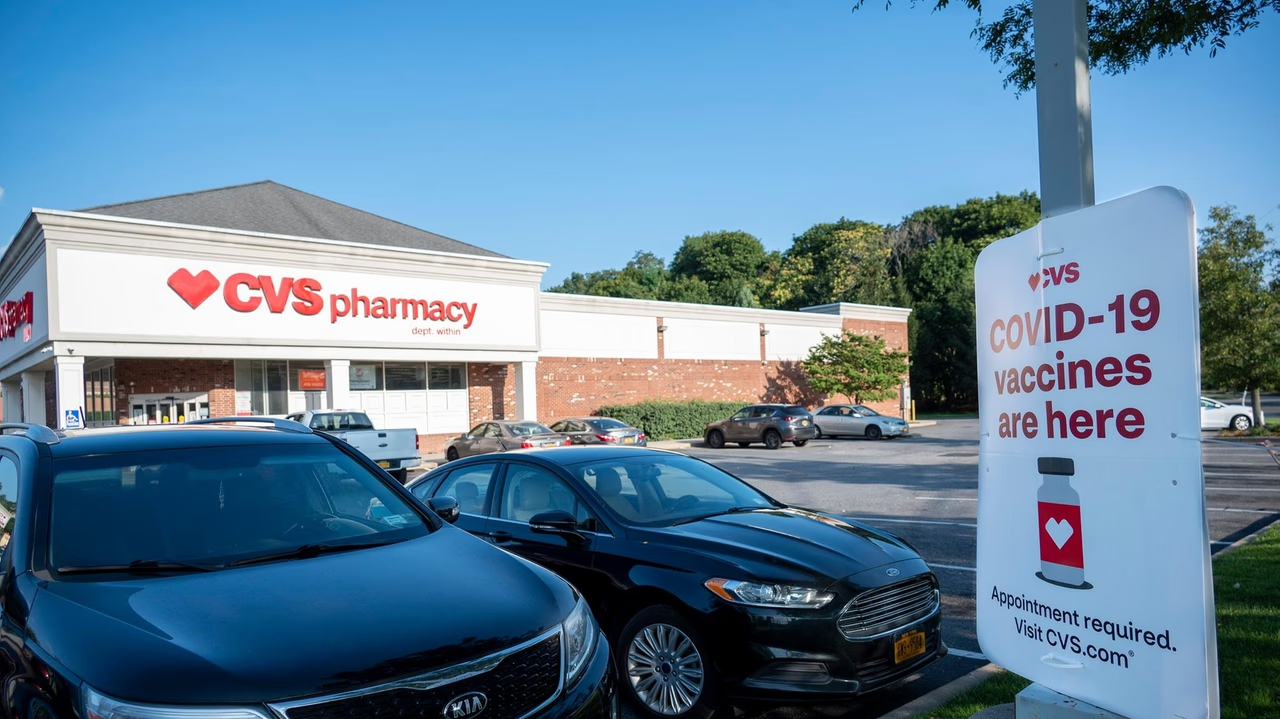
CVS has reversed its decision to offer COVID-19 vaccines without prescriptions in Oregon, citing recent federal guidance that restricts vaccine access to certain groups, and is now requiring prescriptions for vaccination appointments amid ongoing regulatory uncertainty.
New Yorkers seeking the updated COVID-19 vaccine at CVS will need a prescription, as federal health officials no longer recommend the vaccine for everyone over 6 months old without consultation. CVS will administer the vaccine in 14 states, including New York, until a federal advisory panel makes further recommendations next month. The FDA has authorized new vaccines for those 65 and older and individuals with certain health conditions, but broader recommendations are pending, with potential impacts from recent CDC leadership changes.
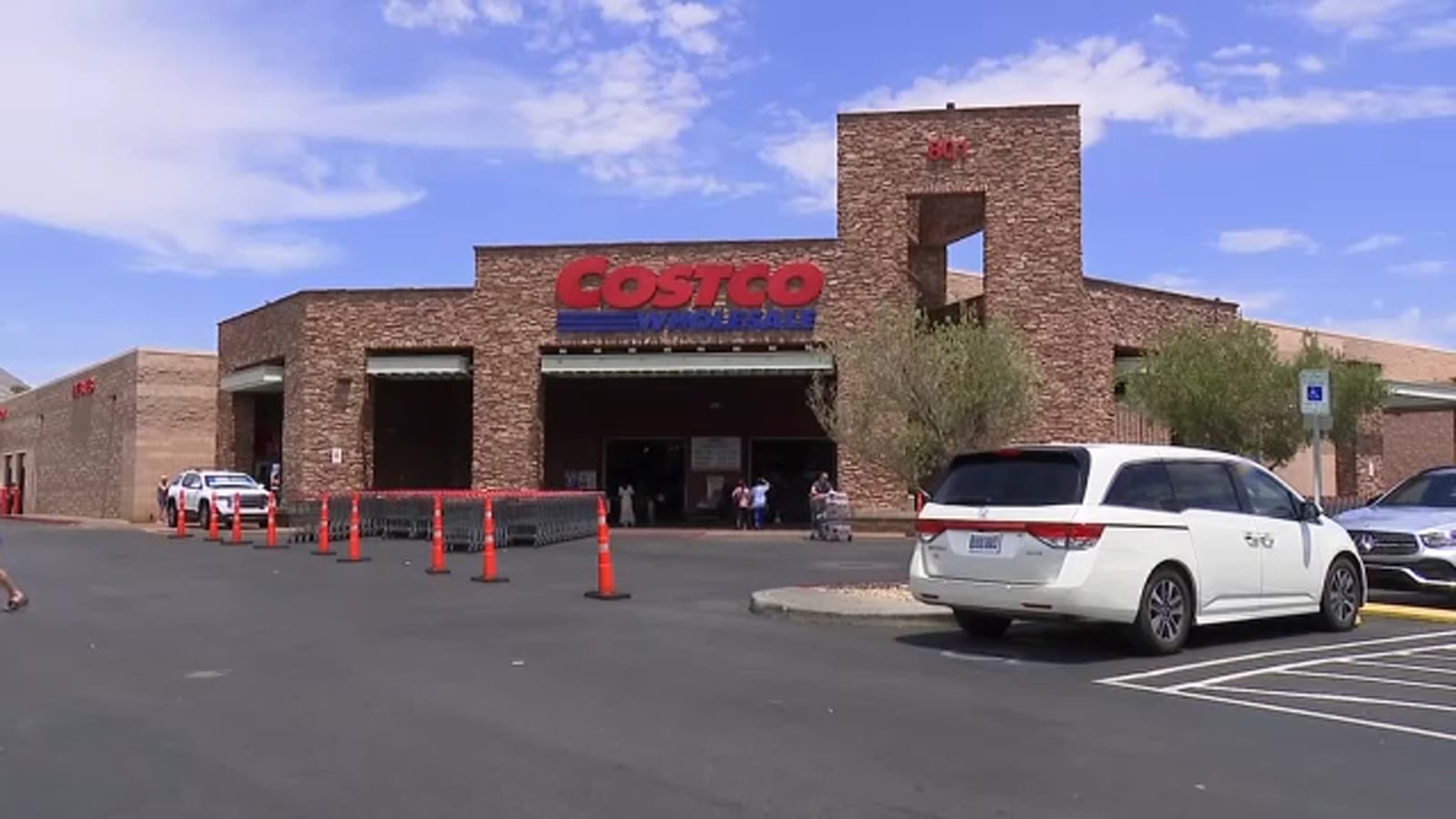
Costco is now offering its US members access to prescriptions for GLP-1 weight loss drugs through its healthcare partner Sesame, which includes a renewable three-month program with video consultations, prescriptions, and ongoing support. The cost of medication is not included in the $179 three-month plan, and without insurance, GLP-1s can cost between $950 and $1,600 per month. This move aims to address the growing interest in weight loss medications among various demographics, with other companies like WeightWatchers and luxury gyms also entering the space.
Costco is now offering its US members access to prescriptions for GLP-1 weight loss drugs through its health care partner Sesame, with a three-month program that includes a video consultation with a weight loss doctor or specialist, a GLP-1 or weight loss prescription, if appropriate, and ongoing support through unlimited messaging and guidance with a health care provider. The cost of medication is not included in the $179 three-month plan, and without insurance, GLP-1s can cost between $950 and $1,600 per month. This move comes as the use of GLP-1 drugs for weight loss is on the rise, with other companies and providers also entering the market to offer these medications and related services. JPMorgan researchers estimate that 30 million people may be taking GLP-1 drugs by 2030, or around 9% of the US population.
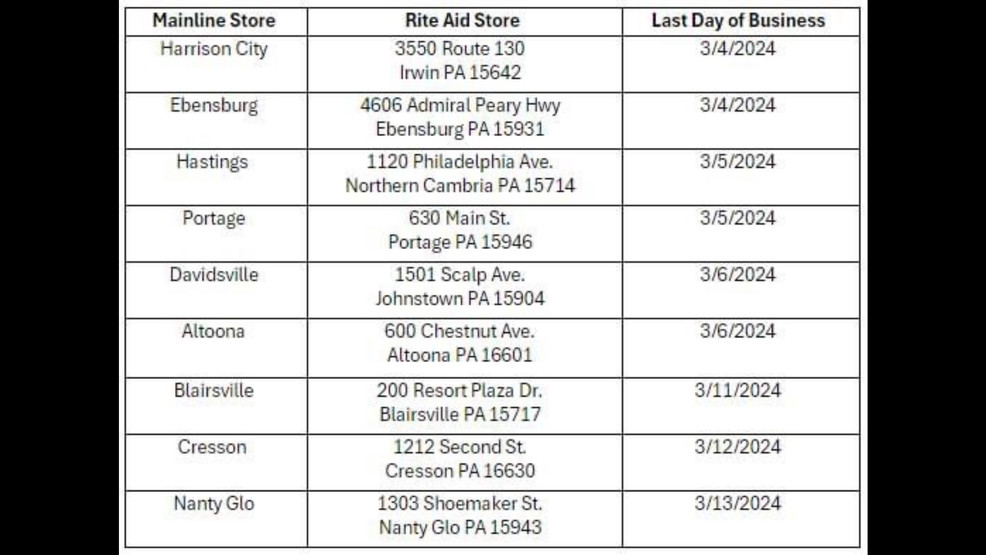
Mainline Pharmacy is closing most of its locations due to the high cost of medications versus low reimbursement from Pharmacy Benefit Managers, resulting in a loss of over $350,000 from filling over 17,500 prescriptions this year. Rite Aid will take over prescriptions for affected patients, with only the Somerset and LTC locations remaining open for now.