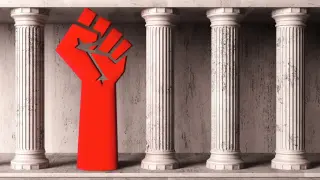
A wave of Democratic socialists in major U.S. cities is embracing a 'sewer socialism' approach—expanding public programs like affordable housing, childcare, and transit—to connect with voters on affordability and potentially win citywide offices.
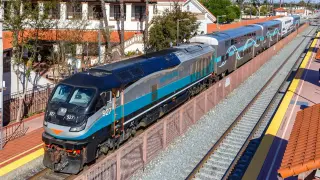
Rising gas costs have pushed more Americans to use public transit, with notable ridership gains in Los Angeles, San Diego, San Francisco, Washington, D.C., and Amtrak; yet transit agencies are financially strained and depend on public funding, prompting emergency loans and policy bills to prevent service cuts while continuing capital projects like the L.A. Metro D Line extension.
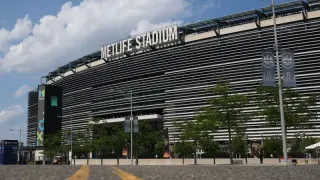
NJ Transit will charge about $150 for a round‑trip train to MetLife Stadium for World Cup matches, roughly 12 times the usual $12.90 fare for the 9‑mile ride from Manhattan, as officials say the price is needed to recoup hosting costs. About 40,000 fans per match are expected to use mass transit, with limited on‑site parking; alternatives like an $80 round‑trip Midtown Manhattan shuttle and $225 parking at the American Dream Mall are available. FIFA says it shouldn’t have to fund fan transport, while New York Governor Kathy Hochul criticized the high price; MetLife will host eight World Cup games including the final, and NJ Transit plans to spend tens of millions transporting fans, prompting criticism and reminders of past capacity challenges.
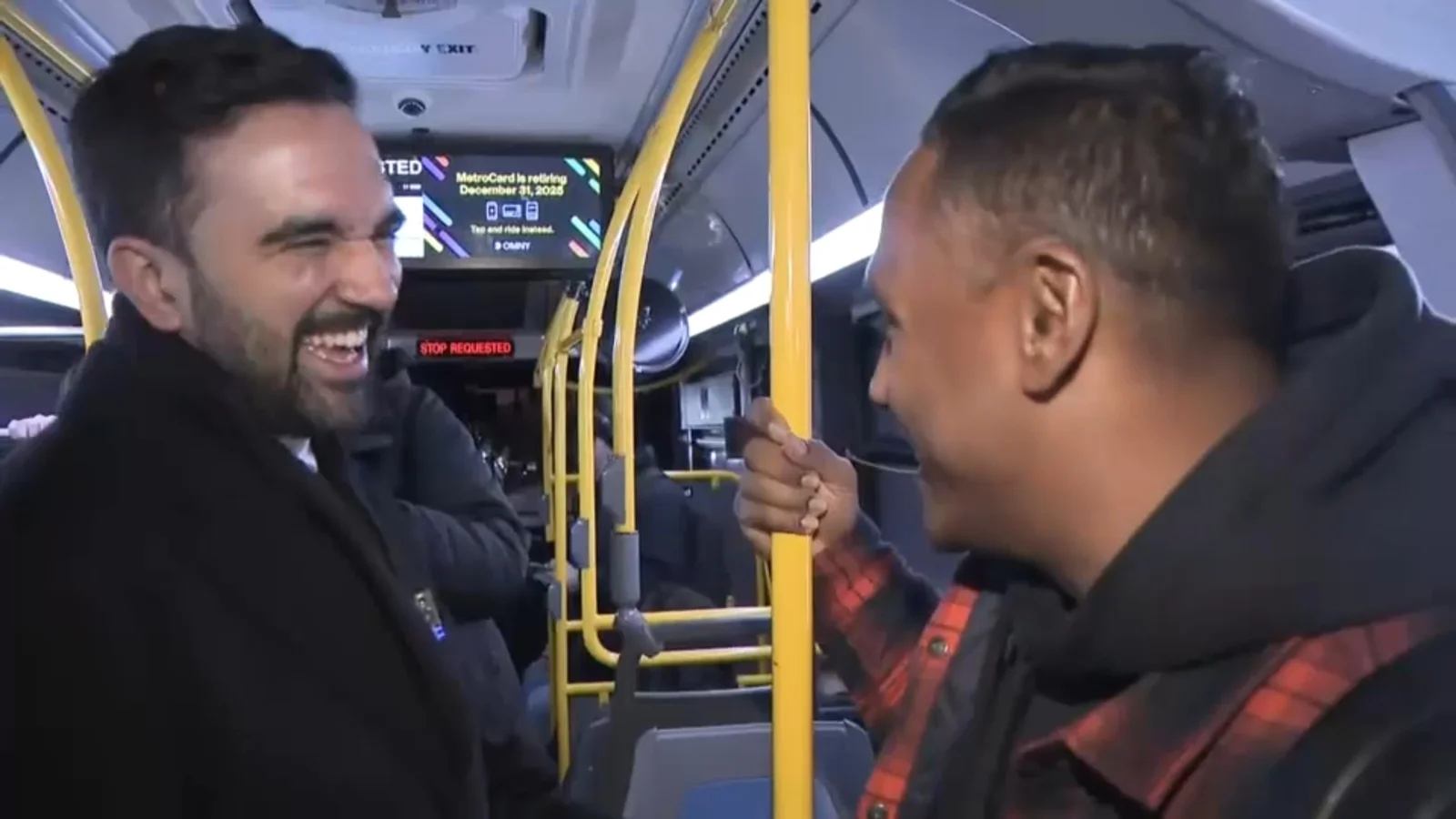
Queens Mayor Zohran Mamdani is advocating for expanding free bus service, inspired by the current free Q70 bus to LaGuardia Airport, and is actively engaging with riders to support his plans, while also addressing housing issues through new initiatives.
The subway fare in New York City increased to $3, sparking frustration among riders who feel the service quality does not justify the higher cost, amid ongoing transit improvements and fare hikes across regional transit systems.
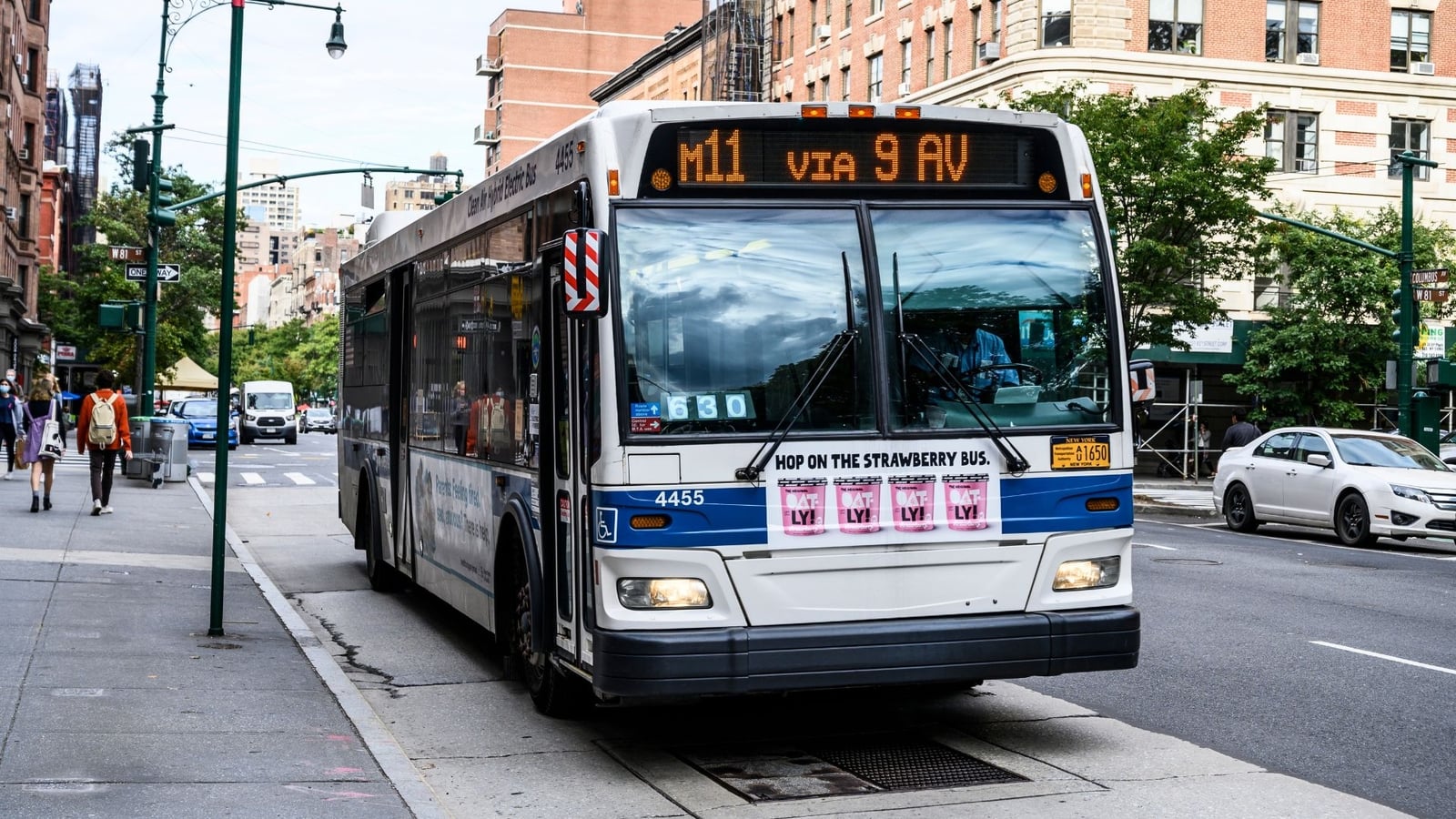
The MTA in New York City has increased fares to $3 for buses and subways, with additional fare hikes for express buses and commuter rails, coinciding with the transition from MetroCard to OMNY payment system and the removal of unlimited MetroCard passes.
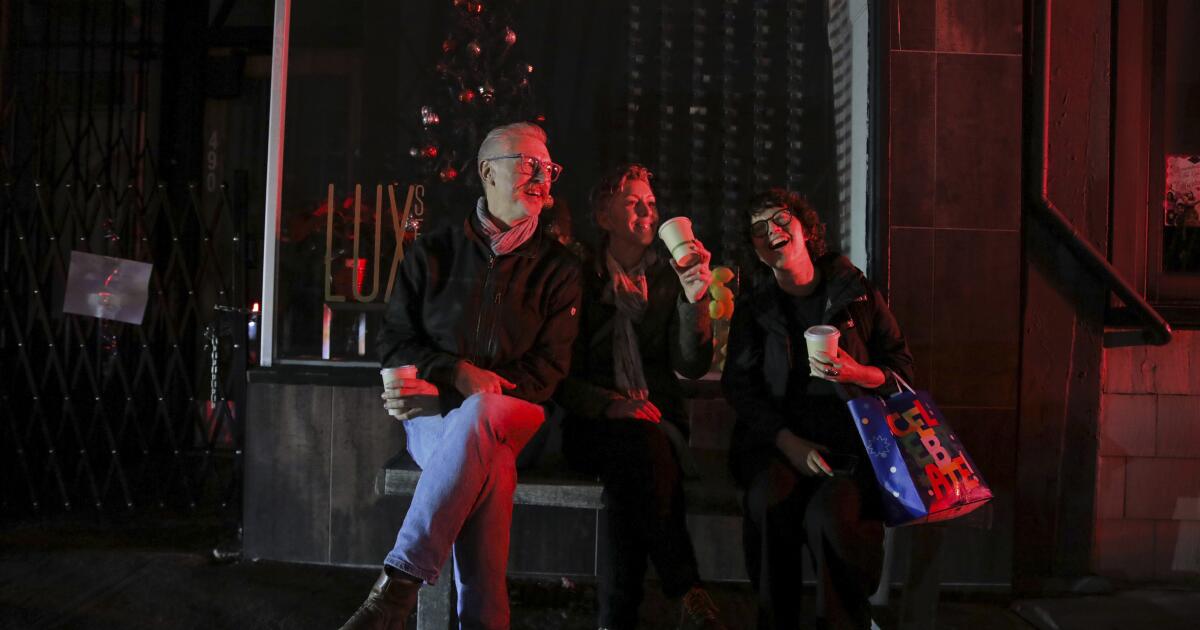
A major power outage in San Francisco affected 130,000 PG&E customers, caused by a fire at a substation, disrupting transportation and leaving streets dark during the holiday season. Power was mostly restored by evening, but the outage led to suspended services and stalled autonomous vehicles, prompting safety advisories from city officials. Weather forecasts predict more rain and potential outages as the holiday approaches.
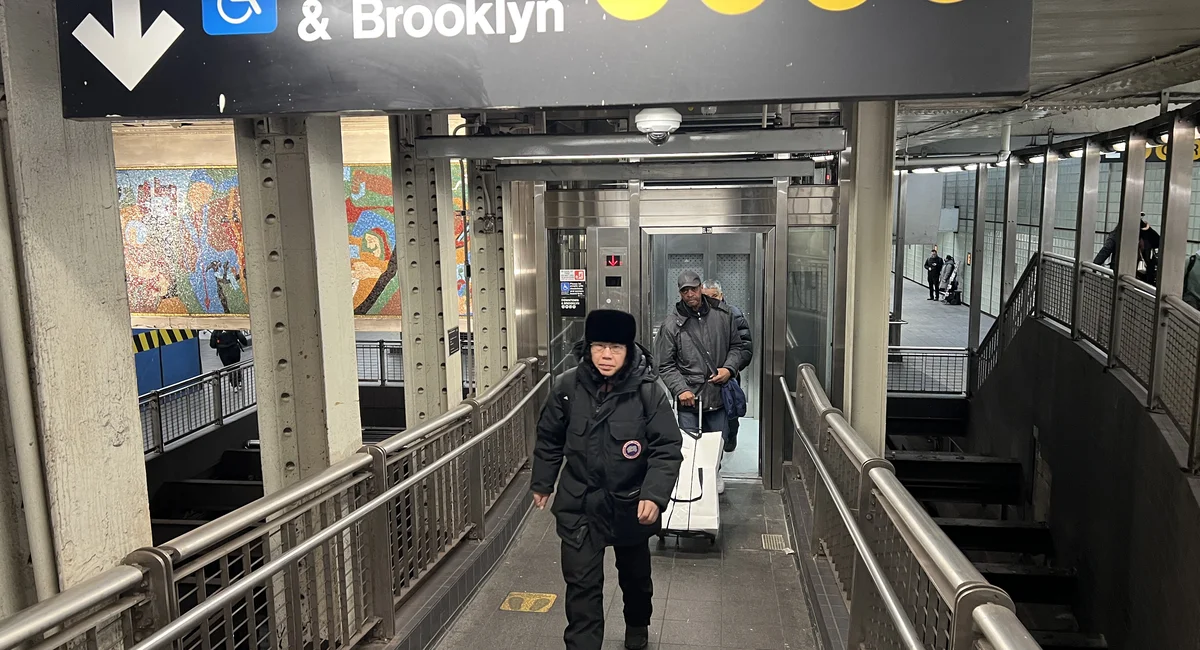
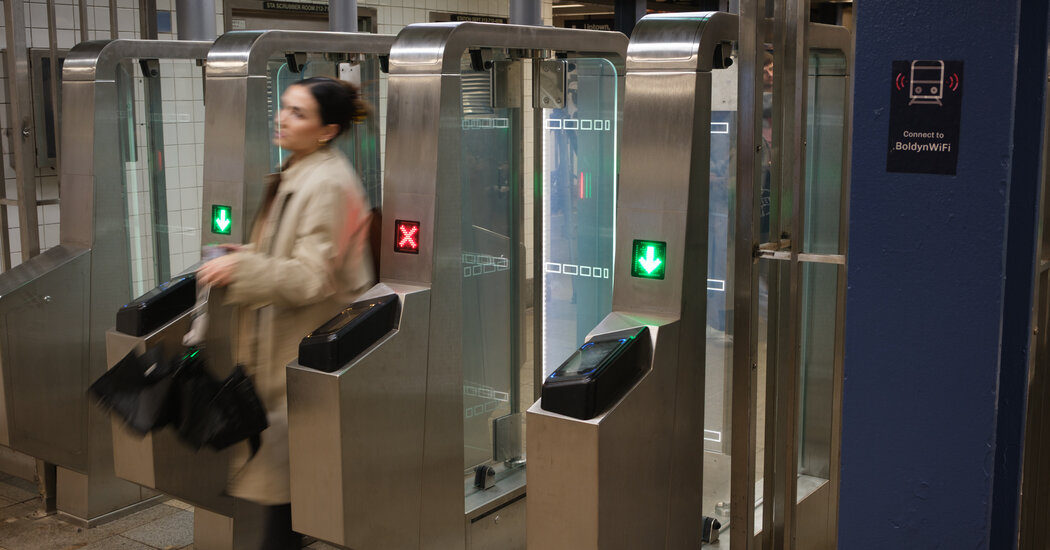
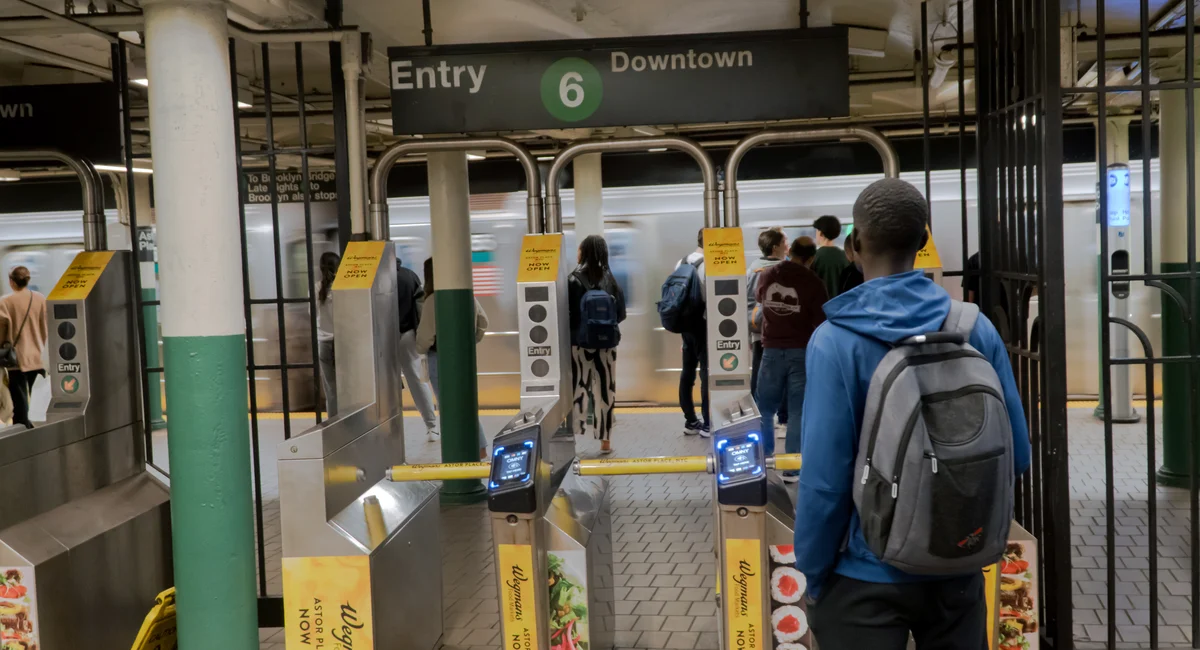
The Metropolitan Transportation Authority introduced new high-tech fare gates at the Broadway-Lafayette Street subway station to combat fare evasion, but the rollout has faced challenges including accidents and fare skippers.
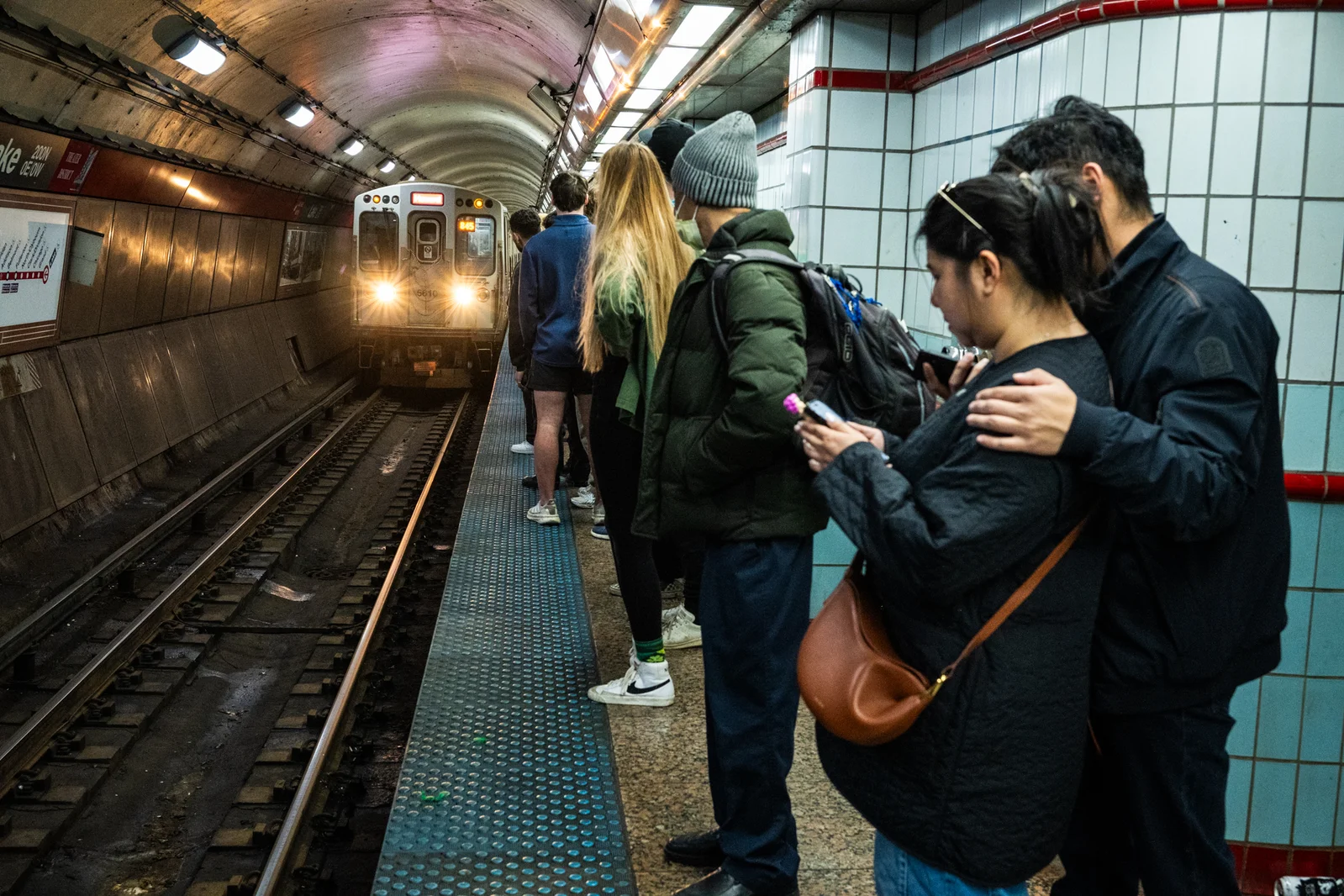
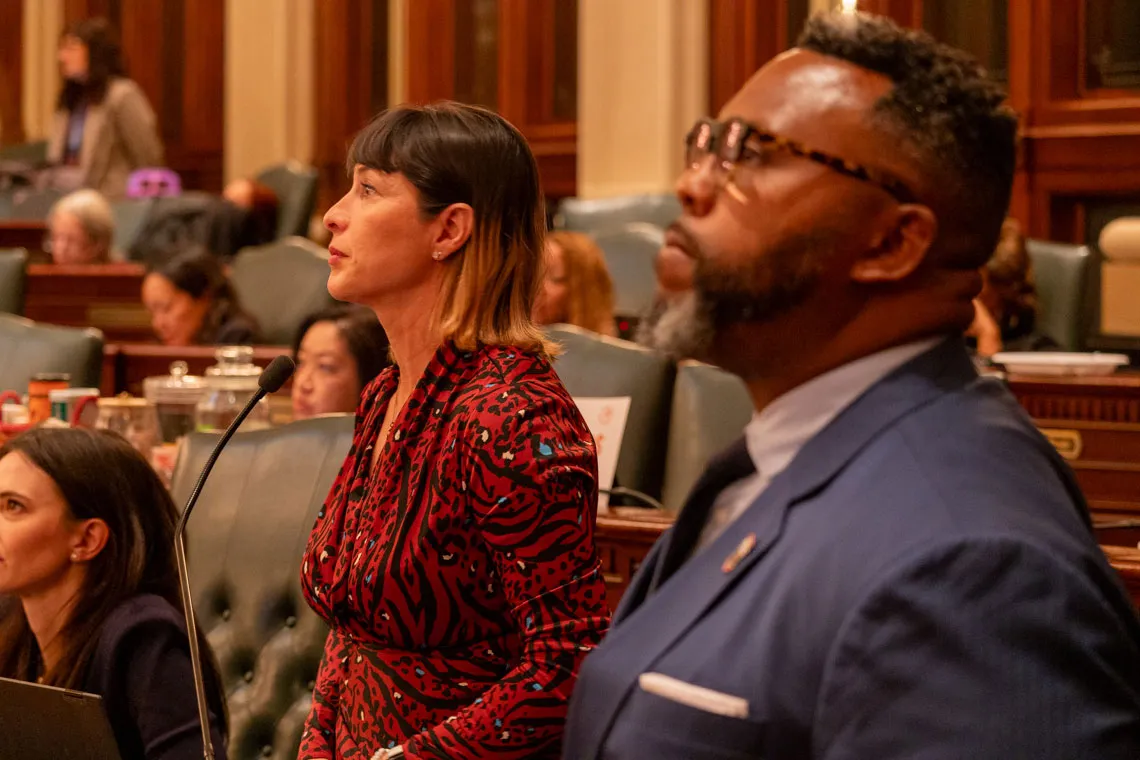
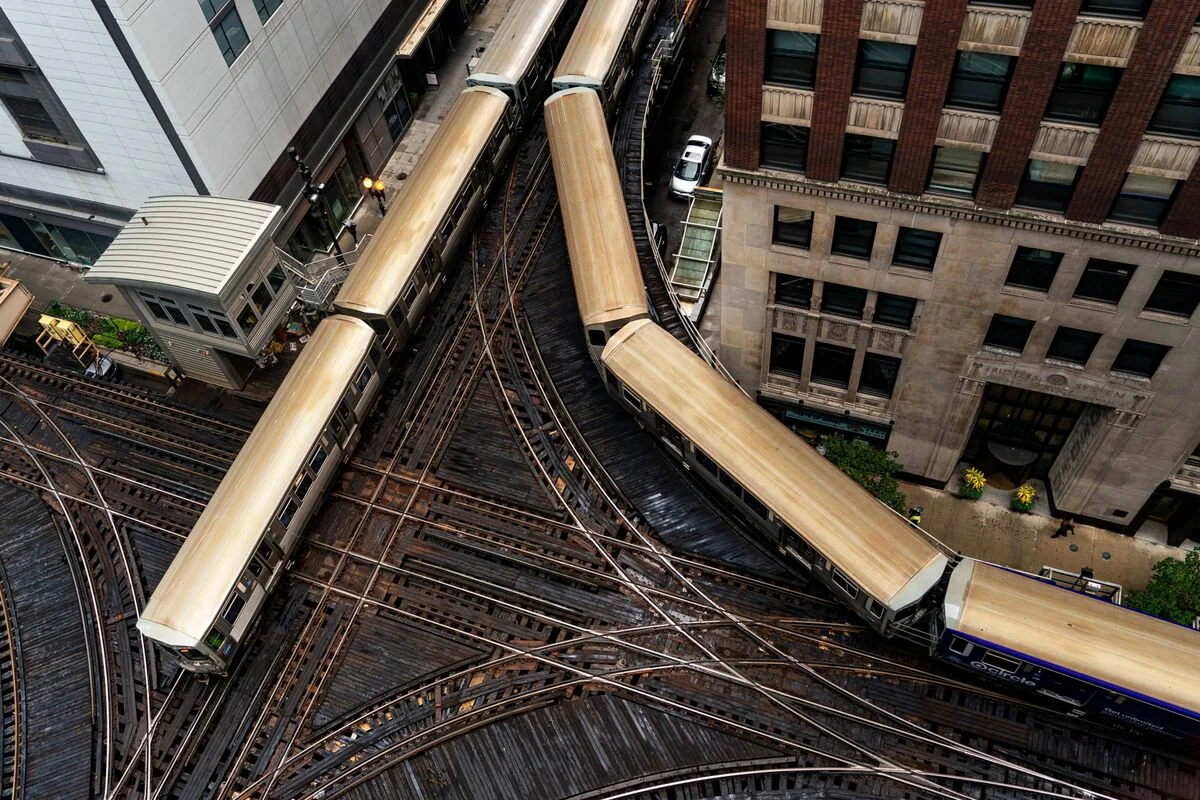
Illinois state lawmakers approved a $1.5 billion funding bill to prevent service cuts and layoffs at CTA, Metra, and Pace, replacing the RTA with the Northern Illinois Transit Authority, and making governance reforms to improve transit services across the region.
Illinois lawmakers approved a $1.5 billion transit funding package without broad statewide tax hikes, relying instead on reallocating existing revenue sources and targeted sales tax increases in the Chicago area, aiming to address a significant funding shortfall for transit agencies.
Illinois lawmakers approved a $1.5 billion transit funding package to prevent major service cuts in Chicago, including new revenue sources like sales tax redirects, toll increases, and no fare hikes for a year, while removing proposed taxes on streaming and luxury goods. The bill aims to address the transit agencies' financial struggles caused by pandemic-related ridership drops and federal grant reductions.
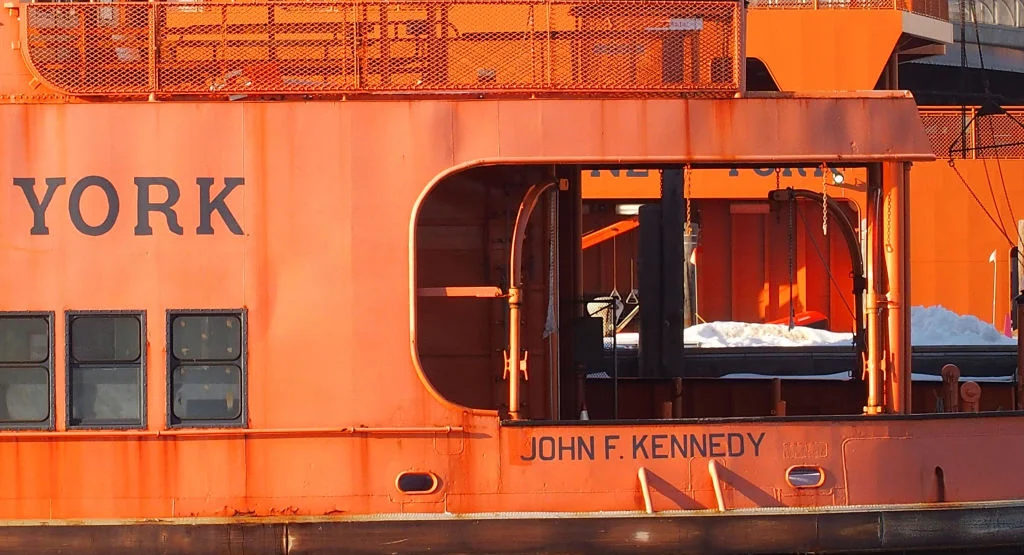
The article humorously suggests that Pete Davidson and Colin Jost might regret their purchase related to the Staten Island Ferry, amidst various NYC news updates including a crash on Eighth Avenue and sanitation efforts in Brooklyn.
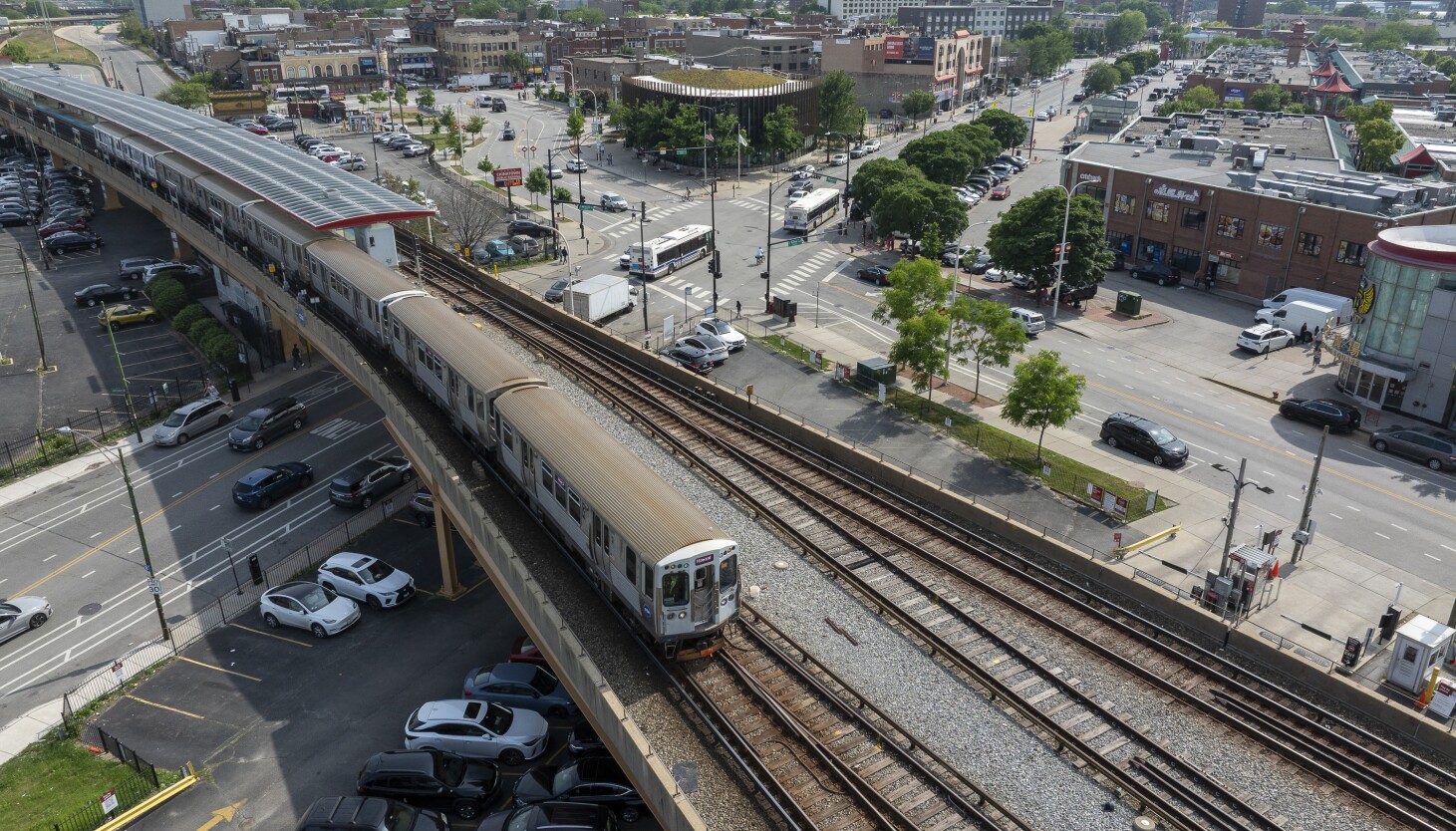
The Trump administration has halted over $2 billion in Chicago transit projects, including the Red Line Extension, as part of a broader effort to leverage the government shutdown to target Democratic-leaning areas, amid ongoing federal funding disputes and political tensions.
The MTA board approved a fare increase in NYC, raising the subway and bus fare to $3, along with a 4.5% increase in monthly tickets and a 7% toll hike, starting in January. The transition to the OMNY tap-to-pay system will eliminate coin payments and the 30-day unlimited ride option, but fare capping will continue to limit weekly spending to $35. The fare hike is part of a broader effort to balance the MTA's budget amid rising costs.
The Long Island Rail Road's largest union has authorized a potential strike, but a delay is now expected as unions request federal mediation, postponing job action by several months amid ongoing contract disputes over wages and negotiations. The situation has attracted political attention and prompted contingency plans from the MTA to mitigate service disruptions.