Tag

Quasicrystal

All articles tagged with #quasicrystal

Trinity Sand Reveals Two Rare Crystals From the First Nuclear Blast
science9 days ago

Trinity Sand Reveals Two Rare Crystals From the First Nuclear Blast

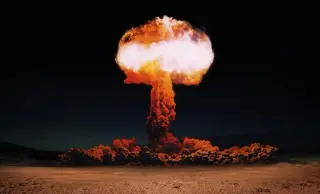
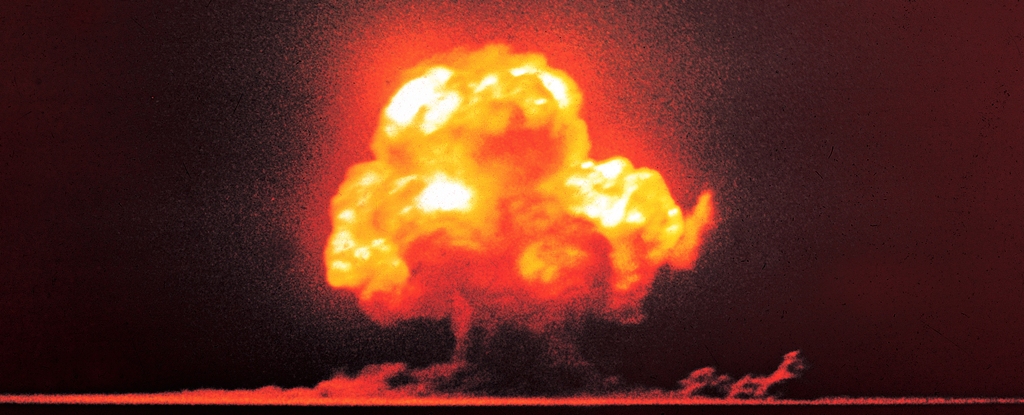
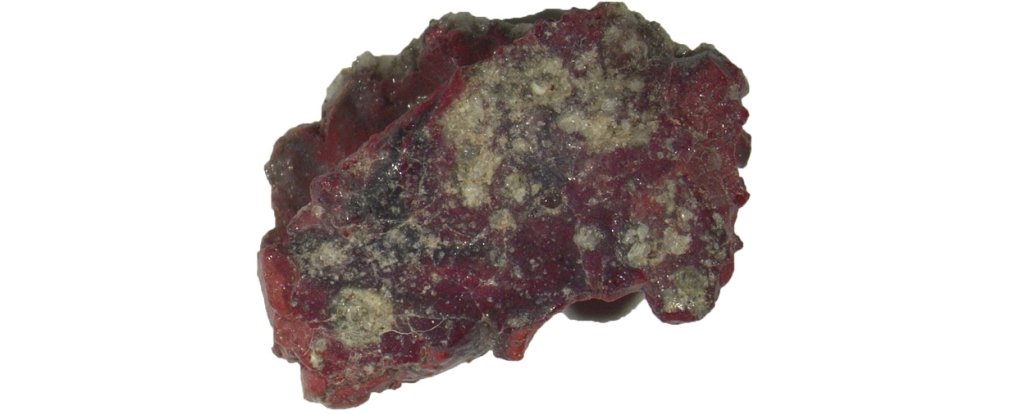
Researchers studying a Trinity test fragment of trinitite found two rare crystal structures formed by the explosion: a copper-rich red phase containing a quasicrystal and a silicon-based clathrate. Using nano-CT, electron microscopy, X-ray diffraction and modeling, they show both structures coalesced in the detonation, offering new insights into how extreme events produce unusual crystals.

Trinity Test Unleashed a Brand-New Material: Calcium–Copper–Silicon Clathrate
science11 days ago

Trinity Test Unleashed a Brand-New Material: Calcium–Copper–Silicon Clathrate

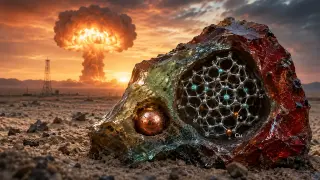
Researchers analyzing remnants from the 1945 Trinity nuclear test identified a novel calcium–copper–silicon clathrate formed spontaneously under extreme heat and pressure, a material not seen in nature or in labs, alongside a silicon-rich quasicrystal; the finding shows that catastrophic events can create new materials with potential for future technologies.

Trinity Glass Reveals a New Calcium-Copper-Silicon Clathrate
science15 days ago

Trinity Glass Reveals a New Calcium-Copper-Silicon Clathrate

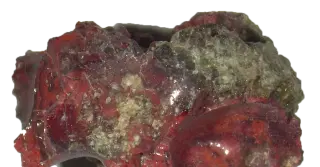
Analysis of red trinitite from the Trinity test uncovered a tiny copper-rich droplet containing a previously unknown calcium-copper-silicon clathrate crystal, a structure not seen in nature or in nuclear debris. Using single-crystal X-ray diffraction and density functional theory, researchers showed this clathrate, alongside a Trinity quasicrystal, formed under the blast’s extreme, non-equilibrium conditions. While scientifically intriguing for understanding metastable phases and extreme-material formation, the crystal is extremely rare and not practical for commercial use.

Trinity Blast Reveals Earth's First Clathrate Crystal in Trinitite
science16 days ago

Trinity Blast Reveals Earth's First Clathrate Crystal in Trinitite

Researchers analyzing red trinitite from the 1945 Trinity nuclear test identified a copper-rich cubic type-1 clathrate—the first clathrate found in nuclear-explosion products—alongside a quasicrystal in the same sample. The extreme, rapidly changing conditions of the blast created unusual crystalline phases, offering new forensic tools and insights into high-energy materials science.

World's First Nuclear Bomb Test Creates 'Impossible' Crystal
science-and-technology2 years ago

World's First Nuclear Bomb Test Creates 'Impossible' Crystal

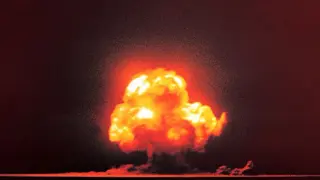
Scientists have discovered a quasicrystal, a rare form of matter once thought to be impossible, in a sample of red trinitite created during the world's first nuclear bomb test in 1945. Quasicrystals are formed in extreme environments that rarely exist on Earth and require traumatic events with extreme shock, temperature, and pressure. The discovery of this quasicrystal in trinitite could provide insights into nuclear explosions and help in understanding illicit nuclear tests. It also suggests that there may be other natural pathways for the formation of quasicrystals, such as lightning strikes and meteor impact sites. The thermodynamic properties of quasicrystals could be a valuable tool for nuclear forensics.

Magnetism and Quantum Computing: Exploring Unusual Electronic Order.
quantum-computing3 years ago

Magnetism and Quantum Computing: Exploring Unusual Electronic Order.

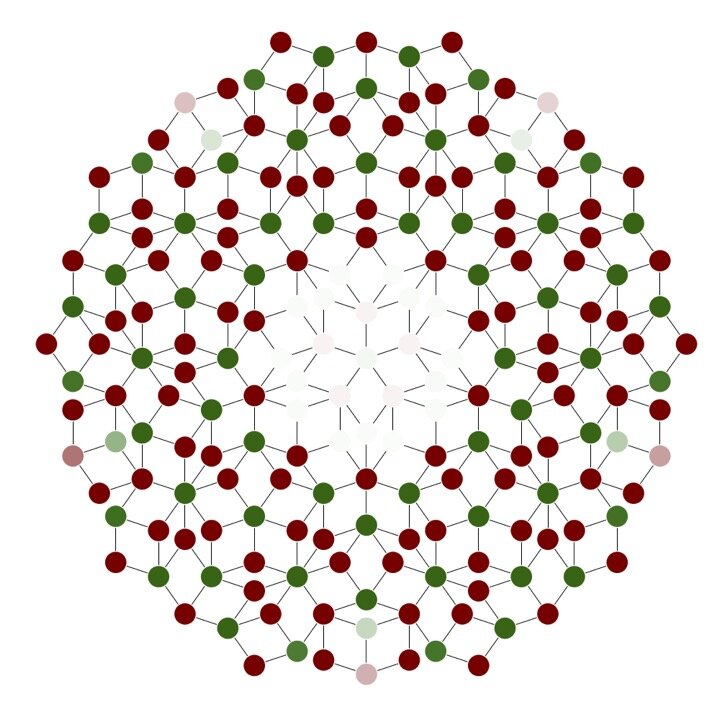
Researchers have used a D-Wave quantum annealer to design and characterize tailor-made magnetic objects using qubits, opening up a new approach to develop new materials and robust quantum computing. By applying a magnetic field to a finite set of spins, the magnetic landscape of a quasicrystal object can be morphed, offering the prospect of encoding more than one bit of information in a single object. The research demonstrated a new way to pattern magnetic states, showing that a magnetic quasicrystal lattice can host states that go beyond the zero and one bit states of classical information technology.