Tag

Quorum Sensing

All articles tagged with #quorum sensing

Disrupting Bacterial Communication Could Shift Oral Microbiomes Toward Health
science3 days ago

Disrupting Bacterial Communication Could Shift Oral Microbiomes Toward Health

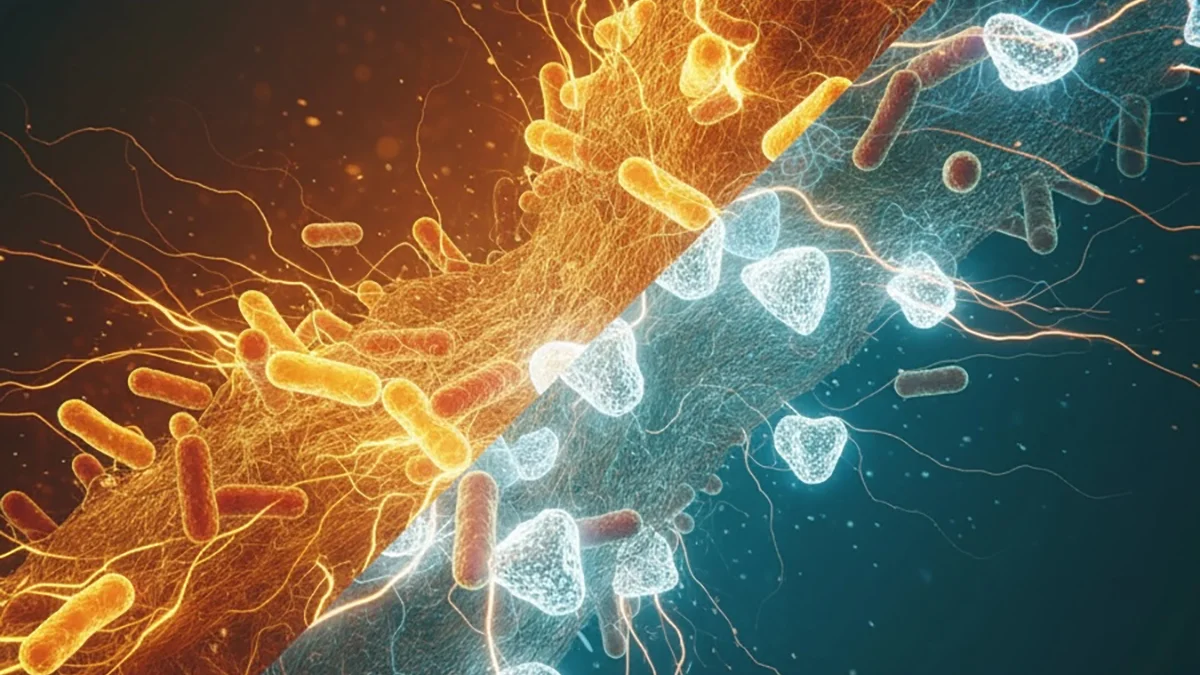
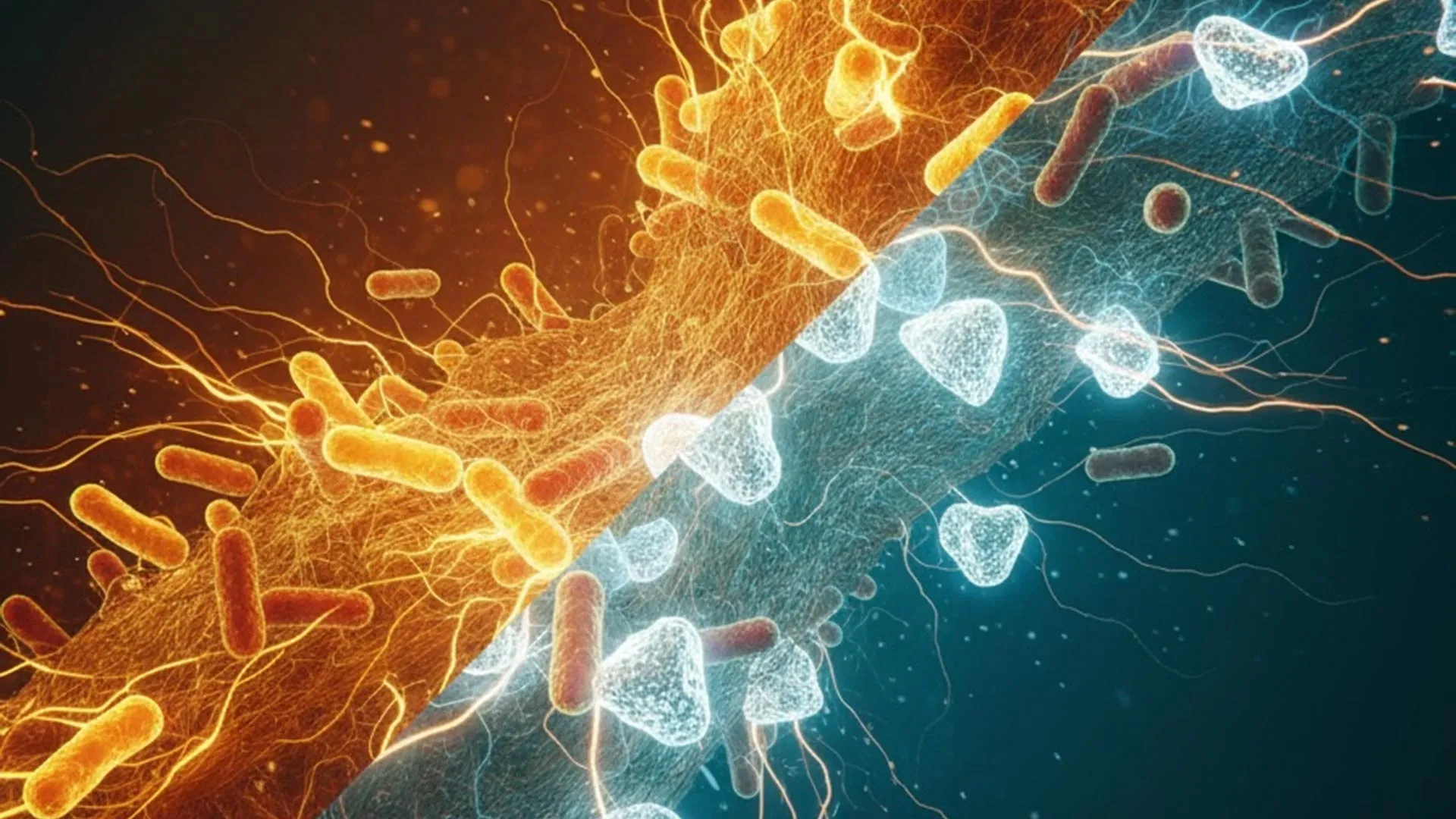
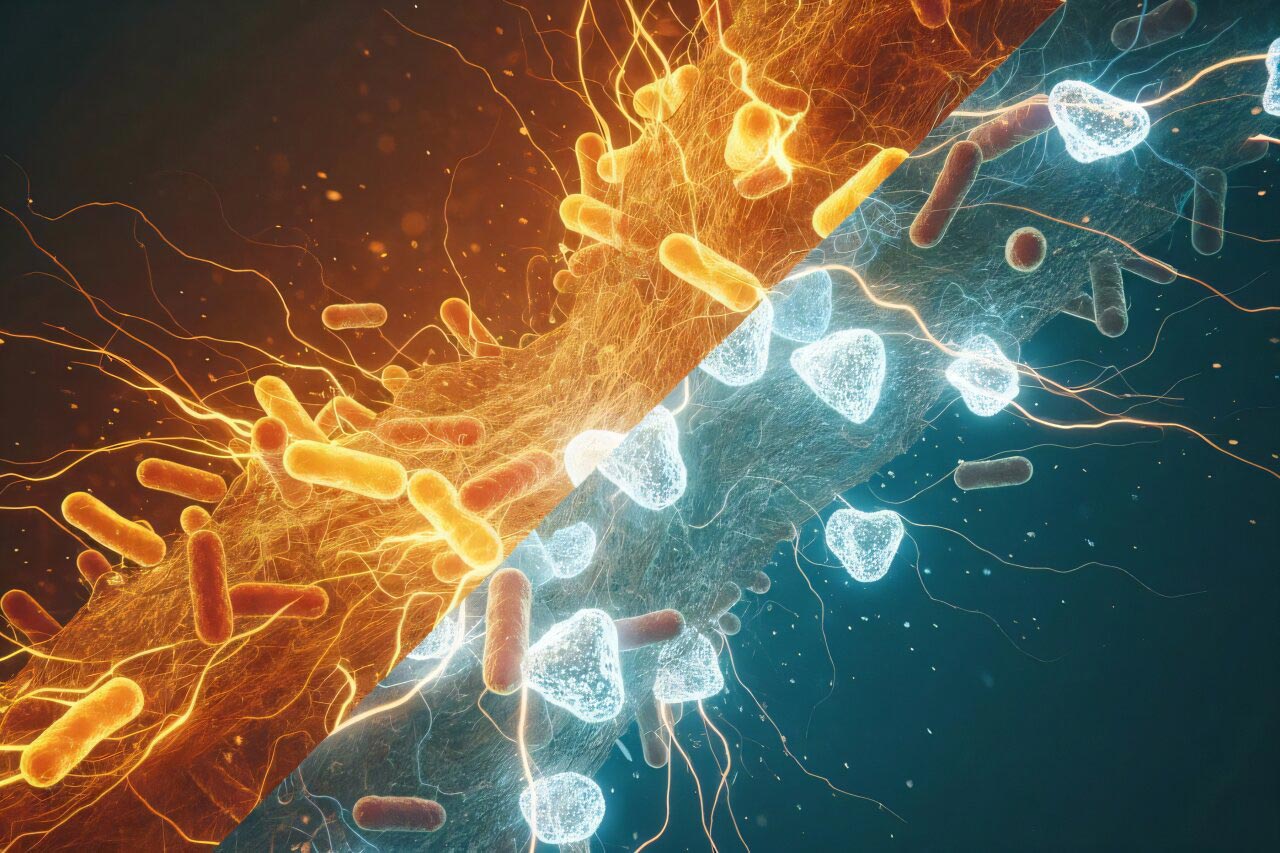
Researchers found that interfering with chemical signals used by bacteria in dental plaque can shift microbial communities toward healthier states. By using enzymes to break down specific communication molecules, scientists observed a reduction in disease-associated bacteria and an increase in beneficial species, particularly above the gumline. This approach offers a potential alternative to broad-spectrum antibiotics for managing gum disease.
Quorum Wisdom: How Scout Bees Steer a Swarm to the Best Nest
science3 months ago

Quorum Wisdom: How Scout Bees Steer a Swarm to the Best Nest

Bees decide where to relocate not by a vote but via a quorum-based process: scout bees explore multiple potential cavities, advertise promising sites with waggle dances that encode site quality, and once about 15 scouts cluster at a single site, the swarm mobilizes and leaves for the chosen nest—often the best option, though the process can take two to three days and costs energy for accuracy.

Blocking Bacterial Signals May Rebalance Mouth Microbes to Fight Gum Disease
science5 months ago

Blocking Bacterial Signals May Rebalance Mouth Microbes to Fight Gum Disease

Researchers found that interrupting quorum sensing in dental plaque using lactonases can shift the mouth’s microbial balance toward health-associated bacteria and reduce disease-linked microbes, with effects that depend on oxygen levels above and below the gums; this approach aims to preserve a healthy microbiome rather than kill all bacteria and could inform broader dysbiosis-related therapies.

Engineered Bacteria Poised to Infiltrate and Eat Tumors From Inside
science6 months ago

Engineered Bacteria Poised to Infiltrate and Eat Tumors From Inside

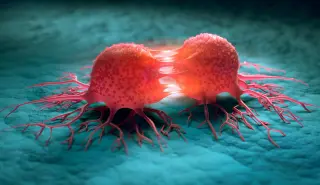
Researchers at the University of Waterloo are developing engineered Clostridium sporogenes that can colonize the oxygen-poor core of solid tumors and survive near the tumor’s outer layers by a quorum-sensing–controlled oxygen-tolerance gene, enabling tumor consumption from inside with GFP-based validation and plans for preclinical tumor testing.

Engineered Bacteria Eat Tumors from the Inside
science7 months ago

Engineered Bacteria Eat Tumors from the Inside

Researchers at the University of Waterloo engineered the soil bacterium Clostridium sporogenes to colonize oxygen-poor solid tumors and consume nutrients, effectively attacking tumors from within. They added oxygen-tolerance tweaks and quorum-sensing controls, plus a fluorescent signal, to signal successful tumor disruption. While promising, the approach is still in preclinical stages with the goal of combining traits into a single bacterium for upcoming preclinical testing in humans.

Scientists Find Way to Disrupt Bacterial Talks to Prevent Gum Disease
health10 months ago

Scientists Find Way to Disrupt Bacterial Talks to Prevent Gum Disease

Scientists at the University of Minnesota discovered that disrupting bacterial communication signals, specifically AHLs, in the mouth can promote healthier oral bacteria and potentially prevent gum disease by maintaining a balanced microbiome. The effectiveness of this approach varies with oxygen levels, offering new avenues for targeted periodontal therapies.

The Silent Battle: Viruses' Covert Tactics in Infecting Cells
science3 years ago

The Silent Battle: Viruses' Covert Tactics in Infecting Cells

Scientists at Princeton University have discovered a complex battle between eavesdropping viruses called bacteriophages and the bacteria they infect. These viruses can adopt different strategies, either remaining hidden within the host or launching a full-scale attack. The researchers found that one virus could "eavesdrop" on bacterial communication, listening for a chemical signal known as the "We have a quorum!" message. They also observed that when activating a kill signal, three subpopulations of bacteria responded differently to the phages. By manipulating the triggers, they were able to replicate only one phage at a time. This research provides insights into viral genes and could lead to new biological discoveries and medical innovations.