Tag

Ram Optimization

All articles tagged with #ram optimization

Windows 11 October Update Ends 24H2 Support and Boosts Performance
technology3 days ago

Windows 11 October Update Ends 24H2 Support and Boosts Performance

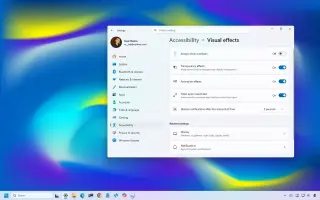
Microsoft’s October 2026 security update for Windows 11 arrives on October 13, marking the end of support for version 24H2. The release introduces File Explorer improvements, touchpad controls, and a new 'Open apps maximized' accessibility feature. While Microsoft did not officially announce it, users report significant RAM usage reductions and performance gains due to the Low Latency Profile, a feature that optimizes CPU usage for faster app launches.

Windows 11 26H2 Update Cuts Idle RAM Usage, But Extreme Optimization Requires Third-Party Tools
technology4 days ago

Windows 11 26H2 Update Cuts Idle RAM Usage, But Extreme Optimization Requires Third-Party Tools

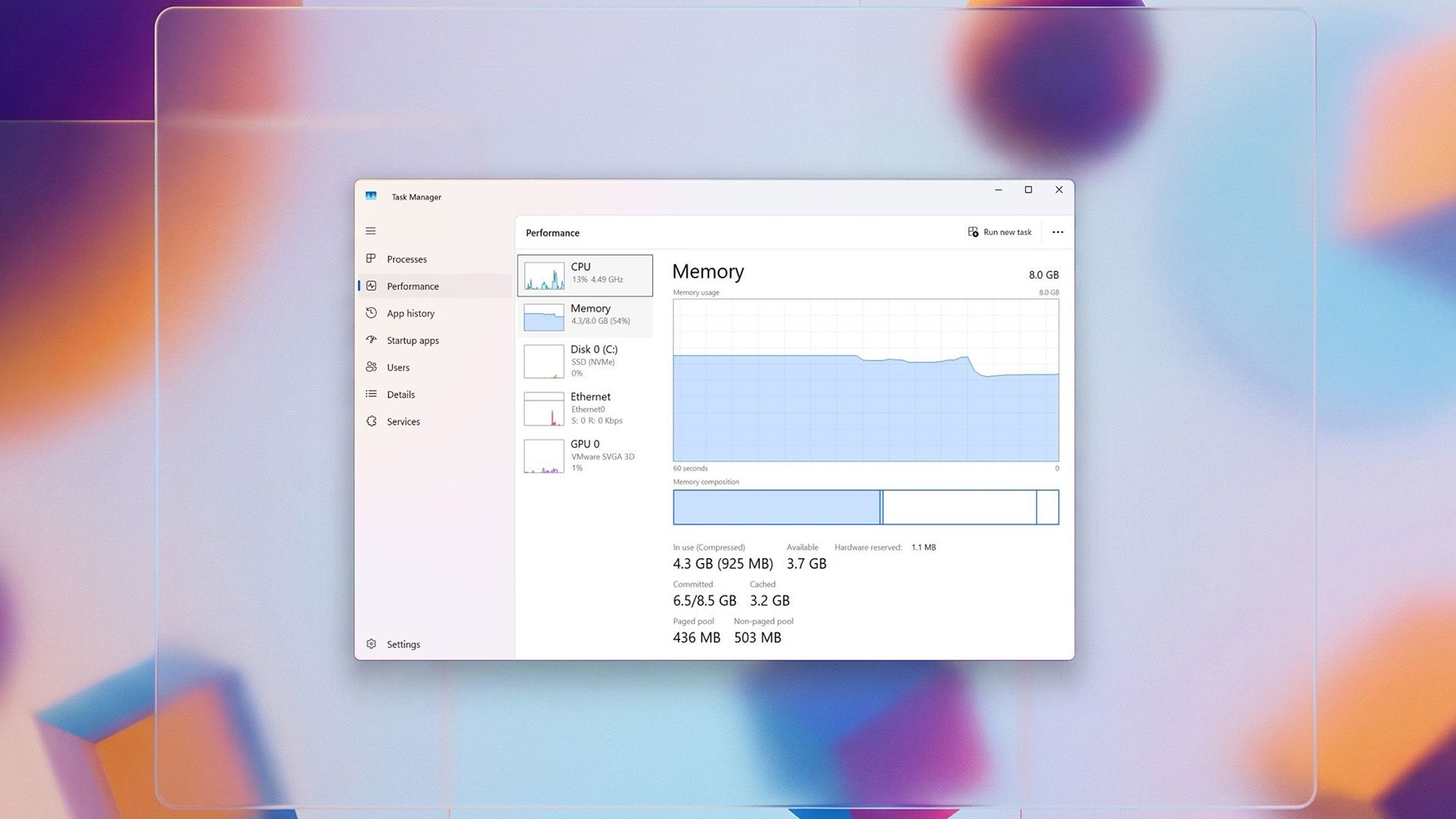
Microsoft's Windows 11 26H2 update has quietly improved memory efficiency, with users reporting idle RAM reductions of 2-3GB. While the update expands the 'Low Latency Profile' to speed up app launches, it primarily benefits systems with 16GB or more RAM. For users with 16GB systems, manual bloatware removal via tools like Rufus can further reduce usage to as low as 16%.

Windows 11 26H2 Delivers Unadvertised RAM Cuts and Faster App Launches
technology5 days ago

Windows 11 26H2 Delivers Unadvertised RAM Cuts and Faster App Launches

Microsoft’s Windows 11 26H2 update, released in late September 2026, has quietly improved system efficiency. While official documentation describes it as a low-disruption enablement package, independent testing reveals significant reductions in idle RAM usage and faster application launch times. The update is now available to eligible devices via Windows Update, marking a notable shift in the operating system’s resource management strategy.

technology5 days ago

Windows 11 26H2 Delivers Minimal New Features but Cuts RAM Usage by Up to 2GB

Microsoft's Windows 11 26H2 update, released in early October 2026, offers limited new features but significantly improves system performance. The update reduces idle RAM usage by up to 2GB on older hardware and expands the 'Low Latency Profile' to nearly all applications, speeding up app launches on underpowered devices. Delivered as a lightweight enablement package, it resets the support lifecycle for consumer and enterprise editions.

Windows 11 26H2 Launches as a 'Low-Disruption' Enablement Update Amidst Criticism
technology5 days ago

Windows 11 26H2 Launches as a 'Low-Disruption' Enablement Update Amidst Criticism

Microsoft has released Windows 11 version 26H2, marketed as a 'predictable and low-disruption' update delivered via a lightweight enablement package. While the official rollout emphasizes stability and security, independent testing suggests the update significantly reduces idle RAM consumption and improves app launch speeds. However, critics note that Microsoft has struggled to deliver consistent reliability in recent years, raising questions about whether this update truly resolves long-standing user frustrations.

Windows 11 26H2 Cuts Idle RAM Usage by Up to 3GB, Expands Low Latency Profile
technology5 days ago

Windows 11 26H2 Cuts Idle RAM Usage by Up to 3GB, Expands Low Latency Profile

Microsoft's Windows 11 26H2 update, released in late September 2026, delivers unadvertised performance improvements, primarily reducing idle RAM consumption by 2-3GB on some systems. The update also expands the 'Low Latency Profile' feature to nearly all applications, significantly speeding up app launches on older or lower-powered hardware. While Microsoft describes the update as low-disruption, user reports vary, with some noting no change or even increased memory usage on specific configurations.

Windows 11 26H2 Delivers Unannounced Performance Gains via Low Latency Profile
technology5 days ago

Windows 11 26H2 Delivers Unannounced Performance Gains via Low Latency Profile

Windows 11 version 26H2 has been released as a lightweight enablement package, activating features previously delivered through monthly updates. While Microsoft did not explicitly list performance improvements in its release notes, users report significant reductions in RAM usage and faster app launch times. These gains are attributed to the 'Low Latency Profile' feature, which optimizes CPU frequency for shell and application interactions, alongside broader memory management optimizations that have been rolling out gradually since mid-2026.

Microsoft speeds up Windows 11 with RAM-focused optimizations and reduced ads
technology2 months ago

Microsoft speeds up Windows 11 with RAM-focused optimizations and reduced ads

Microsoft says Windows 11 will be faster and leaner, with fixes already shipping: a Low Latency Profile boosts responsiveness, RAM usage is being reduced via WinUI 3 and cross‑component optimizations, and the OS is getting faster File Explorer, search, and UI elements while trimming ads in the home screen, Widgets, and related apps. The improvements target 8GB RAM PCs and above, though the mandatory Microsoft account setup remains, and a debunked rumor about a hidden tracker was clarified by Microsoft’s engineers as not impacting performance.

Microsoft tunes Windows 11 to run smoother on 8GB RAM PCs
technology2 months ago

Microsoft tunes Windows 11 to run smoother on 8GB RAM PCs

Microsoft is rolling out optimizations for Windows 11 aimed at improving performance on PCs with 8GB of RAM by reducing idle memory usage (notably from WebView2) and shifting components to a lighter WinUI framework. The company notes these updates will roll out gradually with broader improvements expected by the end of 2026, helping many users who rely on 8GB machines, while acknowledging that systems with more RAM will still perform better.

HarmonyOS Aims for Ultra-Low RAM: 64KB and a Year-Long Battery for IoT
technology4 months ago

HarmonyOS Aims for Ultra-Low RAM: 64KB and a Year-Long Battery for IoT

Huawei, at its 2026 Developer Conference, claimed HarmonyOS can be optimized to run on as little as 64KB of RAM (down from 128KB) and, with a sufficiently large battery, operate for a year on a single dry cell in IoT devices, signaling a push to ultra-efficient, ecosystem-wide deployments. The company also teased the LogicFolding chip architecture and plans to leverage existing DUV tooling to boost chip density and performance while expanding HarmonyOS beyond smartphones.