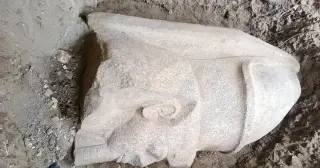
Farmer’s Discovery of Inscribed Stone Leads to Colossal Ramses II Statues in Egypt
A farmer in Egypt’s Nile Delta reported an unusual pink stone, leading archaeologists to uncover two colossal statues likely belonging to Ramses II.

All articles tagged with #ramses ii
A farmer in Egypt’s Nile Delta reported an unusual pink stone, leading archaeologists to uncover two colossal statues likely belonging to Ramses II.
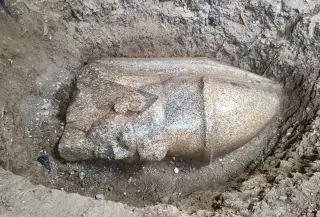
A farmer in Gharbia province, Egypt, accidentally uncovered a cache of colossal statues belonging to Pharaoh Ramses II while tilling land near his home. The discovery, confirmed by the Supreme Council of Antiquities, includes a massive head and a smaller royal figure, offering new insights into the Nile Delta’s ancient history.
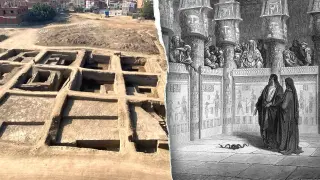
Archaeologists in Egypt uncovered a colossal statue likely depicting Ramses II at Tel Pharaoh in the Nile Delta, weighing about 5–6 tons and over seven feet long, in relatively poor condition; preliminary studies suggest it was moved from Pi-Ramesses in ancient times to be reused in a temple complex, and it has been transferred to museum storage for urgent restoration.
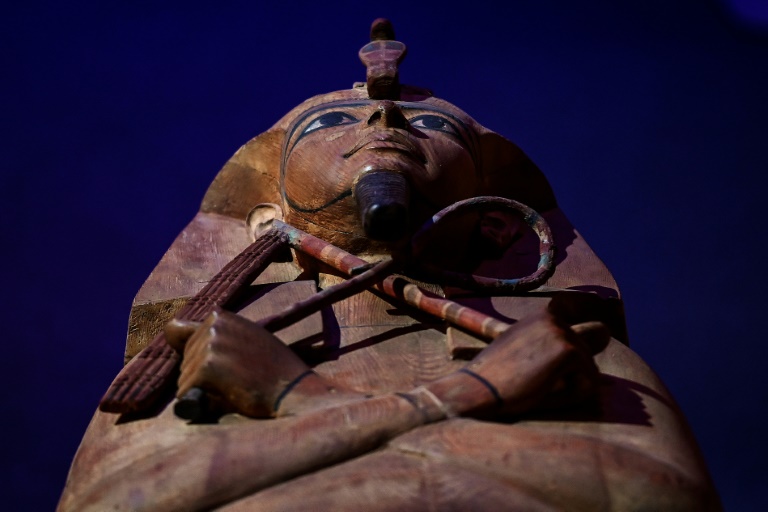
The sarcophagus of Ramses II, the ancient Egyptian pharaoh, has been unveiled in Paris as part of an exhibition that will run from April 7 to September 6. The coffin is on loan from Egypt and is being displayed in recognition of the assistance from French scientists who helped save the mummy from decay following a previous visit to Paris in 1976. The exhibition also features more than 180 objects from the period, including a 3D recreation of one of the king's battles against the Hittite empire.
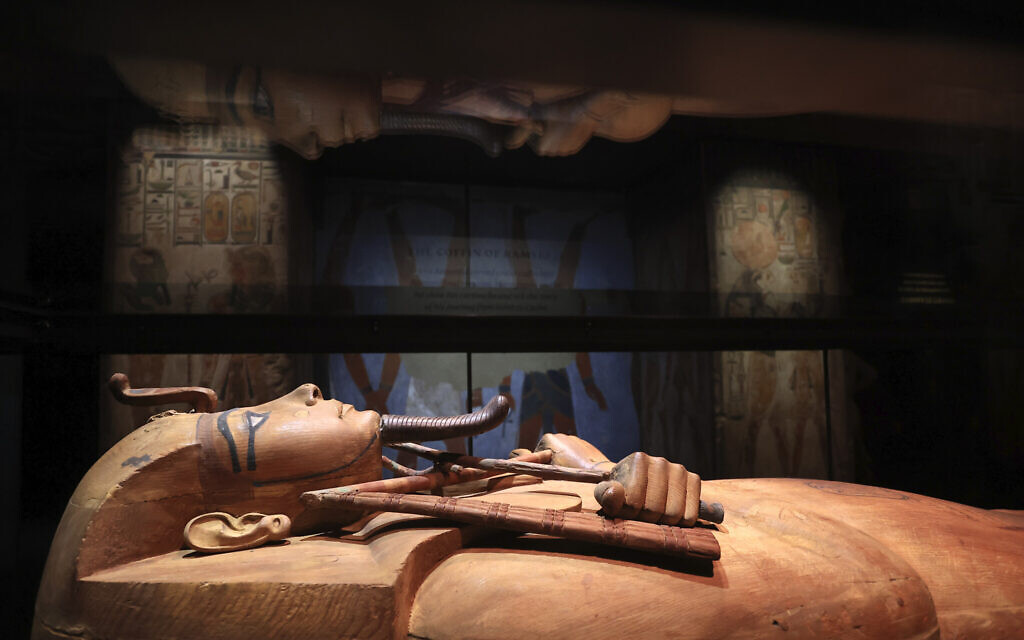
The sarcophagus of Ramses II, the ancient Egyptian pharaoh who ruled for over 60 years during the 13th century BC, has been unveiled in Paris as part of an exhibition that includes over 180 objects from the period. The ornate coffin will be on display to the public in the French capital from April 7 to September 6. The exhibition is on a tour that includes the United States and Australia this year, but only France is receiving the sarcophagus, in recognition of the assistance from French scientists who helped save the mummy from decay following a previous visit to Paris in 1976.