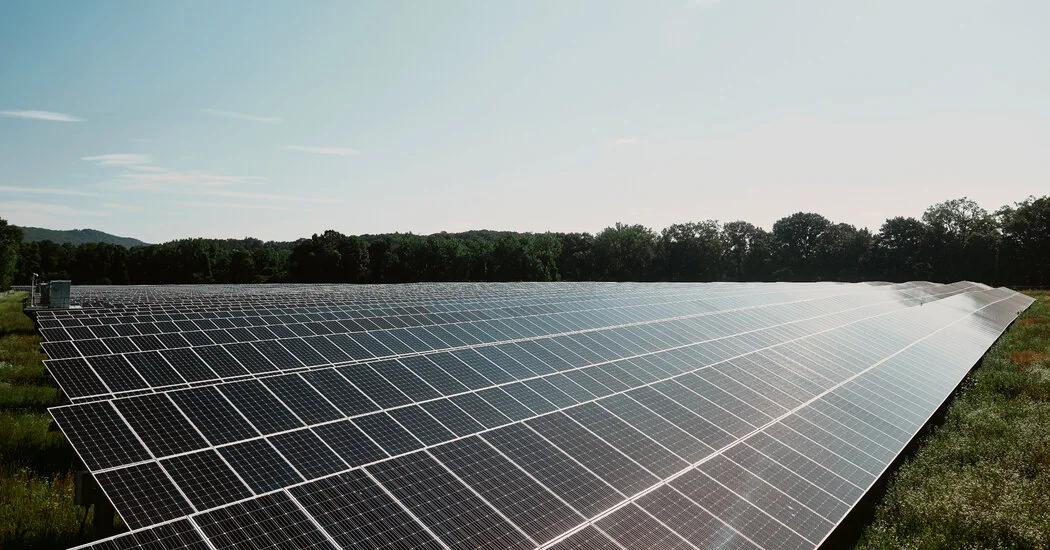
The Trump administration is delaying Pentagon reviews for more than 150 onshore wind projects, a tactic to curb wind power that has slowed development across private lands as reviews that were once routine have ground to a halt, with some meetings canceled and national-security concerns cited over radar and flight paths.
The Trump administration has slowed or halted federal approvals for hundreds of wind and solar projects on federal land and private property, delaying routine environmental reviews and stalling projects nationwide, including the Jackalope Wind farm in Wyoming, as electricity demand rises and critics say environmental safeguards are being used to curb clean-energy expansion.
Ripple's XRP experienced a significant 45% drop after October 10 due to geopolitical tensions and market shocks, but has since recovered to around $2.52. The future remains uncertain amid regulatory delays, macroeconomic risks, and potential liquidity crises, with the possibility of sharp rebounds if positive catalysts like ETF approvals materialize. Investors should remain cautious given XRP's high volatility and the broader economic environment.
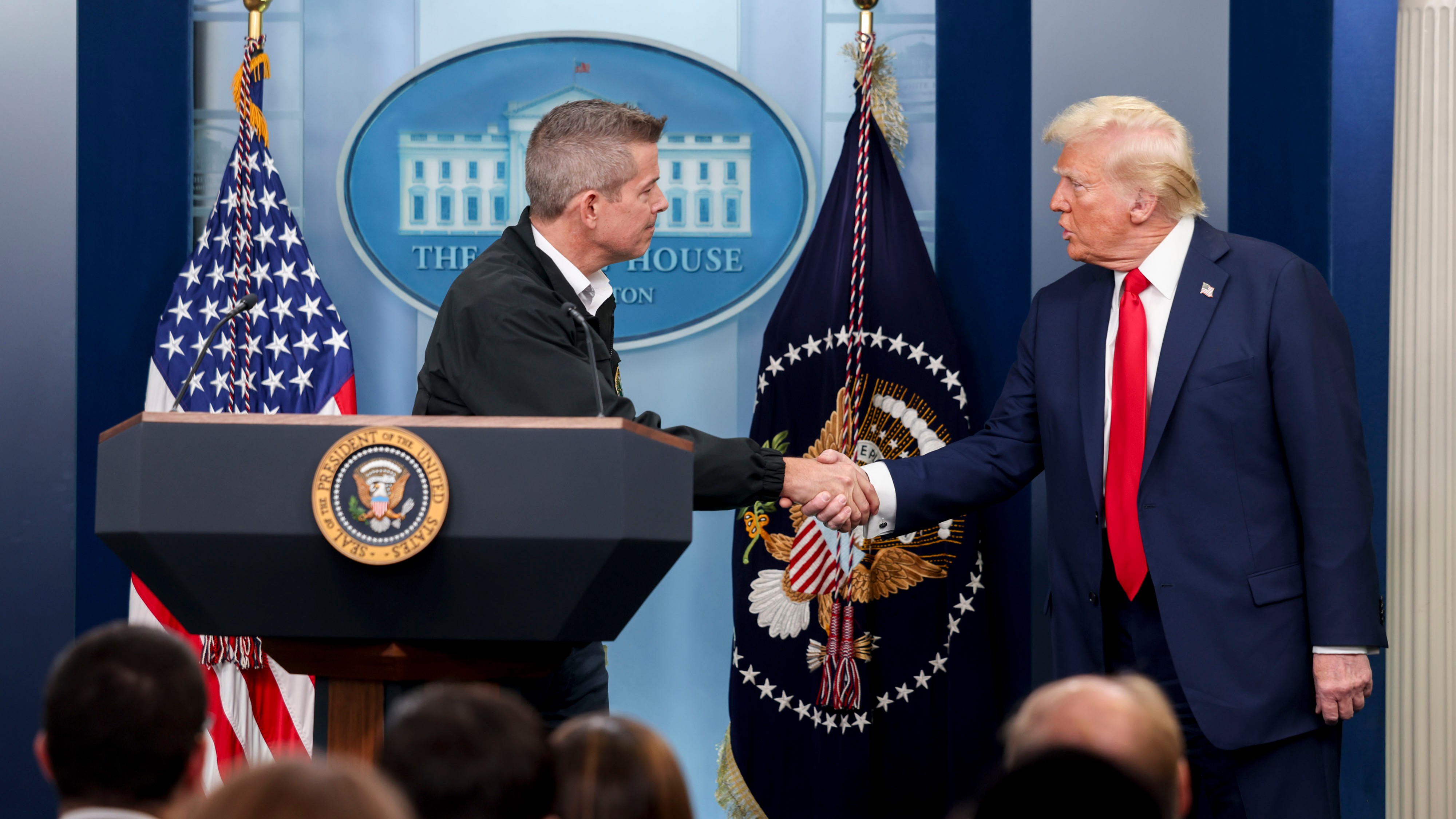
President Trump signed an executive order to accelerate U.S. commercial space activities by streamlining regulations, expanding launch infrastructure, and shifting some authority from NASA to other federal agencies, aiming to boost innovation and maintain American leadership in space, though it raises concerns about environmental impacts and NASA's authority.
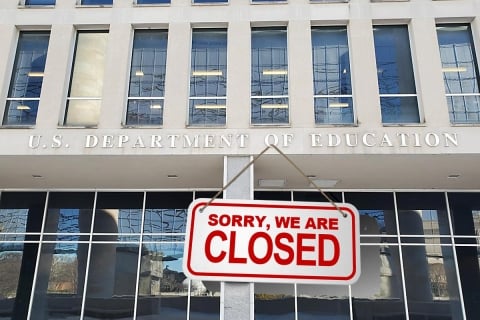
The looming government shutdown could disrupt the U.S. Education Department's fall plans, including negotiations for student loan forgiveness, finalizing rules on Title IX and gainful employment, and launching a new version of the Free Application for Federal Student Aid. The shutdown could also impact colleges and universities, while student loan servicers are concerned about the return to repayment becoming chaotic. The Education Department is planning to designate essential staff to continue work on overhauling the FAFSA, but a prolonged shutdown could disrupt long-term servicing support for borrowers. The department's ability to finalize regulations and meet deadlines may also be affected, potentially causing a year's delay in implementation.