Tag

Resting State

All articles tagged with #resting state

Rest Is The Brain's Hidden Engine: Why Pauses Boost Thinking
science6 days ago

Rest Is The Brain's Hidden Engine: Why Pauses Boost Thinking

Although the brain accounts for about 2% of body weight, it uses roughly 20% of daily energy, and new insights show that most of this occurs during resting states. Effortful, goal-directed tasks only raise energy use by about 5% above rest, so the bulk of 'work' happens in quiet, background brain activity. The takeaway is to embrace rest and off-task thinking as productive, letting the brain's quieter processes surface insights rather than forcing more strenuous sprinting of sentences.

Alcohol Reconfigures Brain Networks into Local Clusters
science4 months ago

Alcohol Reconfigures Brain Networks into Local Clusters

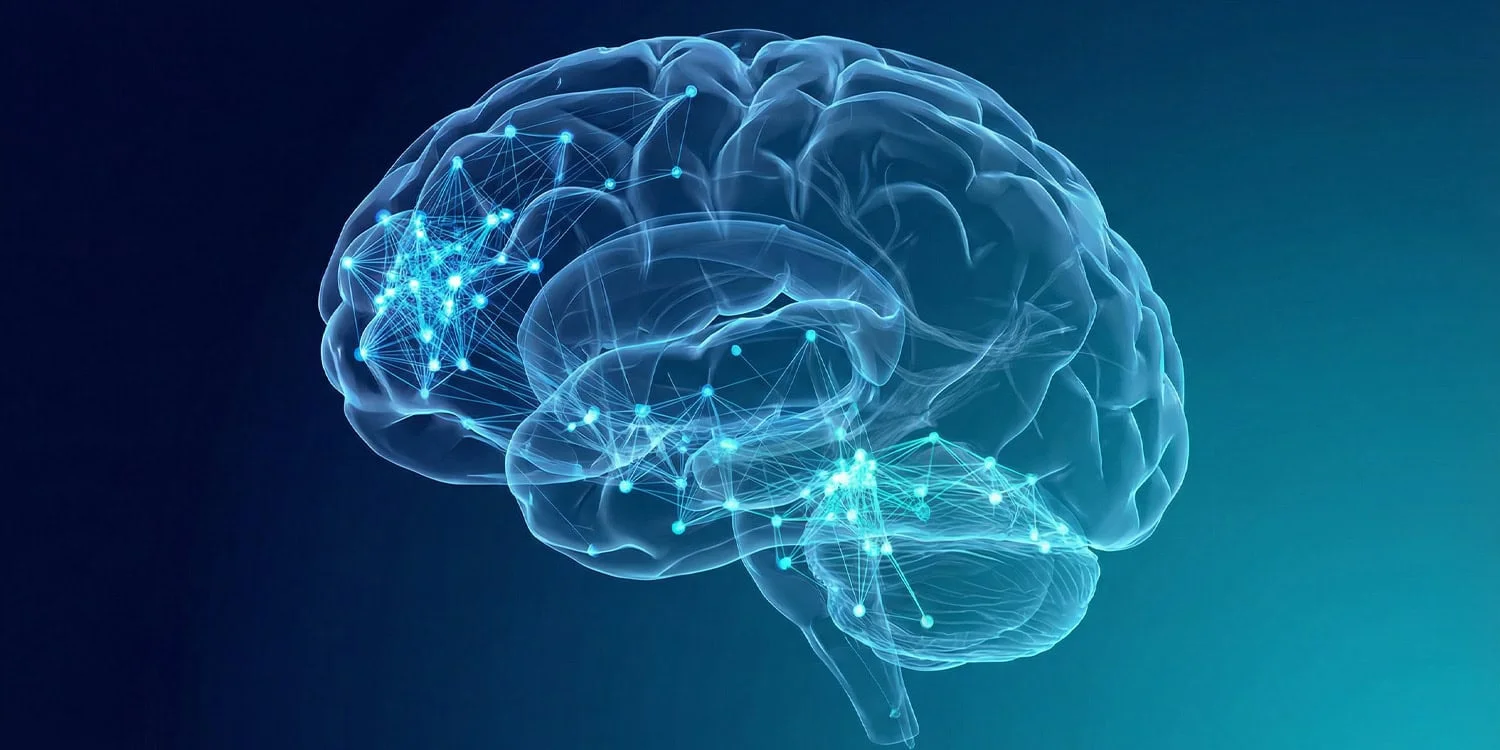
A double-blind, placebo-controlled study of 107 healthy social drinkers used resting-state fMRI and graph-theory analysis to show that acute alcohol intake (0.08 BAC) shifts the brain from a globally integrated network to a more fragmented, locally connected topology: global efficiency drops (notably in the occipital cortex) while local efficiency and clustering rise, effectively fracturing the brain into smaller communities. The insula also increases local connections, and these network changes correlate with how intoxicated participants felt. The findings offer a neural basis for alcohol-related sensory deficits and individual differences in intoxication, though limitations include incomplete cerebellum data and a young, healthy sample. Overall, intoxication appears to trade long-range integration for localized processing.

Childhood Theta Brainwave Activity Predicts IQ at Age 18
neuroscience2 years ago

Childhood Theta Brainwave Activity Predicts IQ at Age 18

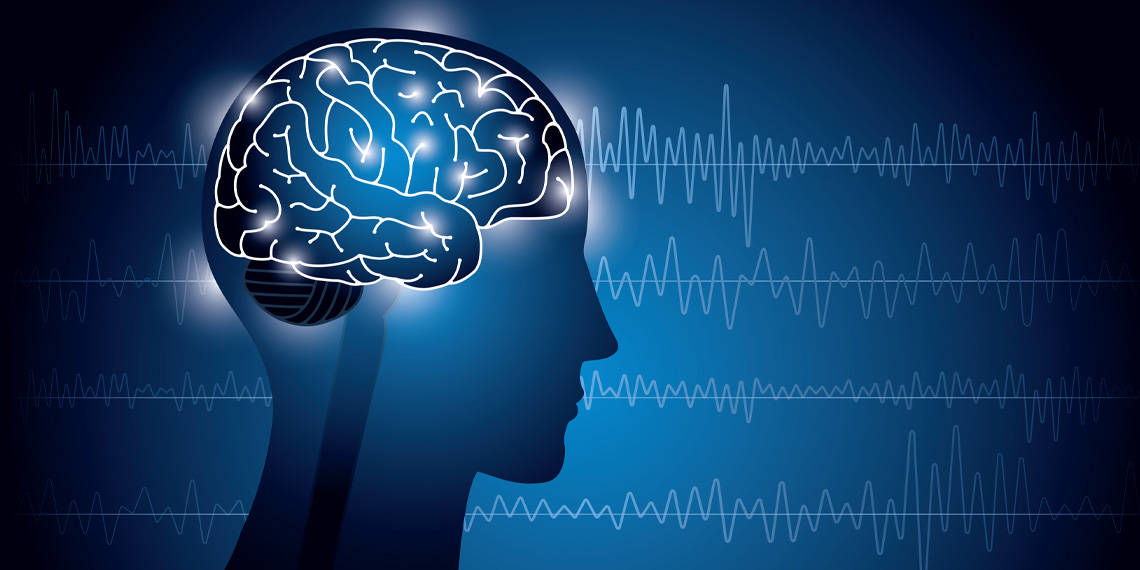
Resting brain activity observed during early childhood, specifically in the theta frequency band, has been found to predict cognitive outcomes and IQ at age 18, according to a study published in Developmental Cognitive Neuroscience. The research, conducted on a sample of 202 children, suggests that variations in resting brain activity during critical developmental periods can provide insights into long-term cognitive trajectories. The study also found that experiences like institutional rearing and the timing of foster care placement had significant effects on cognitive development, with resting theta power acting as a mediator between these experiences and long-term cognitive outcomes. However, further research is needed to understand the underlying mechanisms behind these associations.