Tag

Brain Energy

All articles tagged with #brain energy

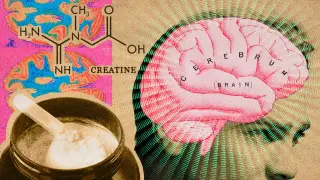
Creatine Could Boost Brain Power When Sleep Is Low
health17 days ago

Creatine Could Boost Brain Power When Sleep Is Low

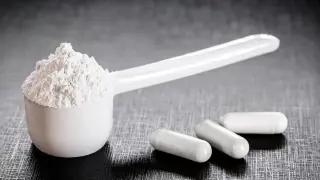
Emerging research suggests higher doses of creatine can increase brain energy and improve cognitive functions like processing speed and working memory when sleep is lacking or under stress; typical muscle-dosing (5 g/day) may not maximize brain benefits, with studies often using 10–25 g daily in short-term trials split across the day. Safety is generally good, but high-dose use should be medically supervised and limited to periods of heightened stress or sleep loss.


Creatine Shows Promising Yet Inconclusive Link to Depression
health1 month ago

Creatine Shows Promising Yet Inconclusive Link to Depression

A review of five existing randomized trials (238 participants) suggests creatine monohydrate might help depressive symptoms in some cases (notably major depressive disorder, sometimes when added to an antidepressant or cognitive-behavioral therapy), but results are inconsistent across studies and populations. In bipolar depression, six-gram daily creatine showed no clear benefit and even rare mood activation in some cases. The evidence is preliminary, with small sample sizes and imbalanced sex distribution, so larger, rigorous trials are still needed before clinical recommendations can be made.

Creatine Shows Early Hints for Depression Treatment, but Evidence Is Not Conclusive
health1 month ago

Creatine Shows Early Hints for Depression Treatment, but Evidence Is Not Conclusive

A Brain Medicine review of five randomized trials (n=238) finds mixed evidence that creatine helps depression: two trials in women with major depressive disorder showed meaningful improvement when creatine was added to antidepressants or cognitive behavioral therapy, while other studies in non-responders, adolescent girls, and bipolar depression showed no benefit. Safety concerns emerged in bipolar patients who developed hypomania/mania. The researchers caution that small sample sizes, mostly female participants, and varying study quality limit conclusions and call for larger, longer trials to determine efficacy, optimal dosing, and potential synergy with exercise; the findings suggest creatine is an intriguing possibility, not a proven treatment yet.

Creatine's Emerging Link to Depression: Encouraging Signals, Uncertain Proof
health1 month ago

Creatine's Emerging Link to Depression: Encouraging Signals, Uncertain Proof

A Brain Medicine review of five randomized trials (238 participants) found mixed results: two studies in women with major depressive disorder showed added benefits when creatine was used with antidepressants or with cognitive behavioral therapy, while three other trials found no significant improvement. Bipolar patients showed possible safety concerns with hypomania/mania. Due to small sizes and methodological differences, the evidence is not strong enough to recommend creatine for depression, highlighting the need for larger, longer trials and exploration of dosing and combination with exercise.

Rest Is The Brain's Hidden Engine: Why Pauses Boost Thinking
science3 months ago

Rest Is The Brain's Hidden Engine: Why Pauses Boost Thinking

Although the brain accounts for about 2% of body weight, it uses roughly 20% of daily energy, and new insights show that most of this occurs during resting states. Effortful, goal-directed tasks only raise energy use by about 5% above rest, so the bulk of 'work' happens in quiet, background brain activity. The takeaway is to embrace rest and off-task thinking as productive, letting the brain's quieter processes surface insights rather than forcing more strenuous sprinting of sentences.

NAD+-Driven Therapy Reverses Alzheimer’s Memory Loss in Mouse Models
science5 months ago

NAD+-Driven Therapy Reverses Alzheimer’s Memory Loss in Mouse Models

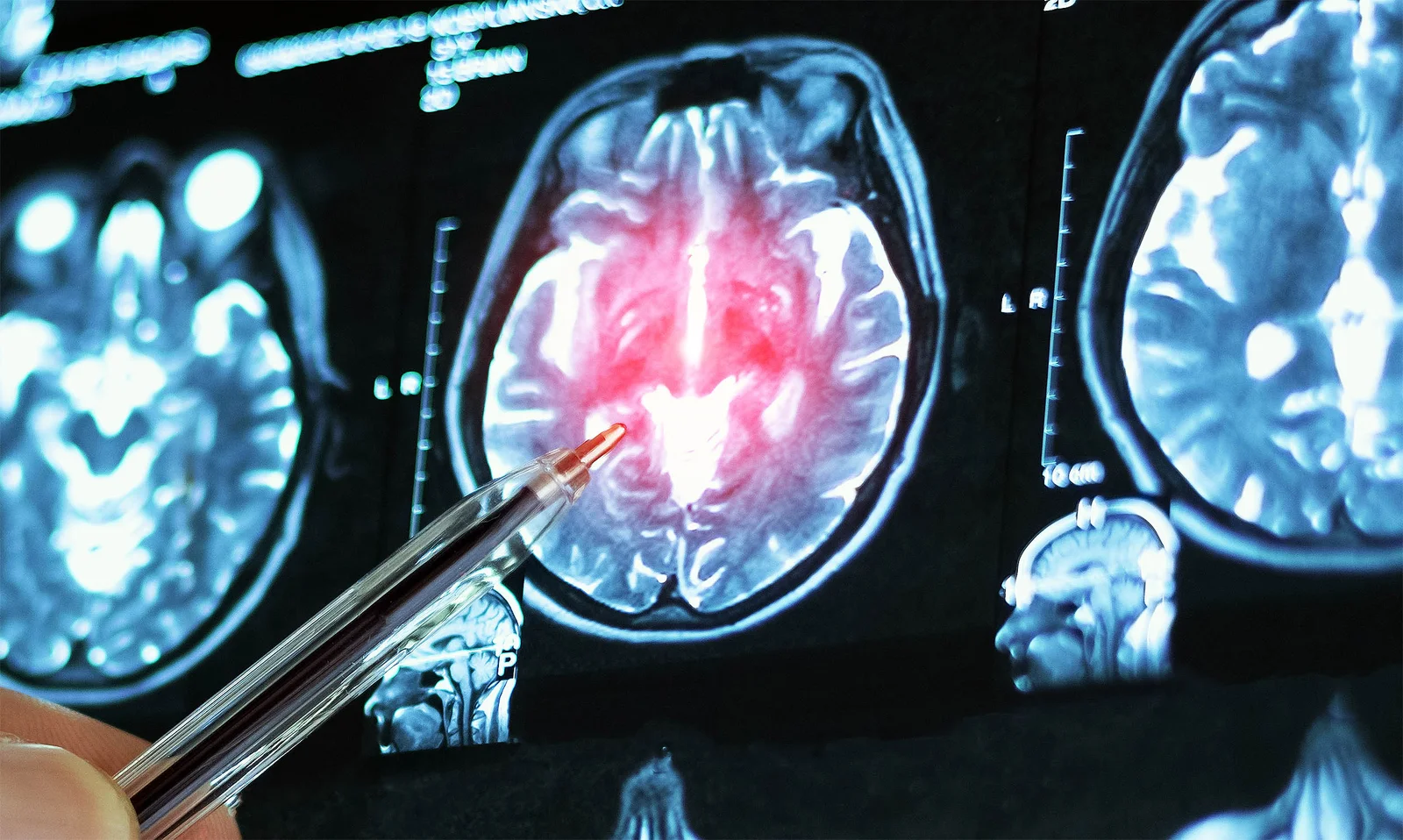
Scientists reversed Alzheimer’s-related memory loss in two mouse models by restoring the brain’s energy balance with an experimental drug (P7C3-A20) that supports NAD+. Treated mice regrew cognitive function, showed fewer markers of brain damage, and had a repaired blood-brain barrier; human brain tissue data similarly linked NAD+ imbalance to disease. Researchers plan carefully designed human trials using blood-based biomarkers to monitor brain changes, while cautioning against DIY NAD+ boosting.

health7 months ago

NAD+ Boost Could Rewind Alzheimer’s Signs in Mice, Early Study Says

A Cell Reports Medicine study in two Alzheimer’s mouse models shows that restoring NAD+ balance can reverse key disease features and restore memory, with human brain tissue from severe cases showing similar NAD+ disruptions. While not a human trial and NAD+-targeted therapies aren’t approved, the findings suggest Alzheimer’s progression may stem from reversible cellular energy/repair failures and highlight NAD+ as a promising upstream target and lifestyle factor to support brain resilience.