
Tag

Royal Society Open Science

All articles tagged with #royal society open science

UK Researchers Propose Light-Based Method to Detect Hypothetical 'Mirror Life' Threats
science8 days ago

UK Researchers Propose Light-Based Method to Detect Hypothetical 'Mirror Life' Threats

Scientists from the University of Strathclyde and Durham University have proposed a new detection method for 'mirror life,' hypothetical organisms with reversed molecular chirality. Published in Royal Society Open Science, the study suggests using circularly polarized luminescence (CPL) and fluorescent probes to identify these potential biohazards. While mirror life has not been discovered, researchers warn it could bypass natural biological defenses and render existing drugs ineffective. The proposed assay aims to serve as a first-line screening tool for bio-surveillance, though no experimental tests were conducted in this initial paper.

Titanosaur Eggshells in Southern Argentina Reveal Cold-Climate Incubation Strategy
science2 months ago

Titanosaur Eggshells in Southern Argentina Reveal Cold-Climate Incubation Strategy

Fossilized eggshells from titanosaurs, among the largest dinosaurs, have been discovered in the Chorrillo Formation of southern Argentina, indicating these giants reproduced in cool, high-latitude environments. Published in Royal Society Open Science, the study by researchers from Japan, Argentina, and Canada shows that titanosaurs could not sit on their eggs due to their massive size. Instead, microscopic analysis of the porous eggshells suggests they used a crocodile-like strategy: burying eggs in mounds of rotting vegetation to generate heat through microbial decay, ensuring successful hatching in climates comparable to modern-day Vancouver.

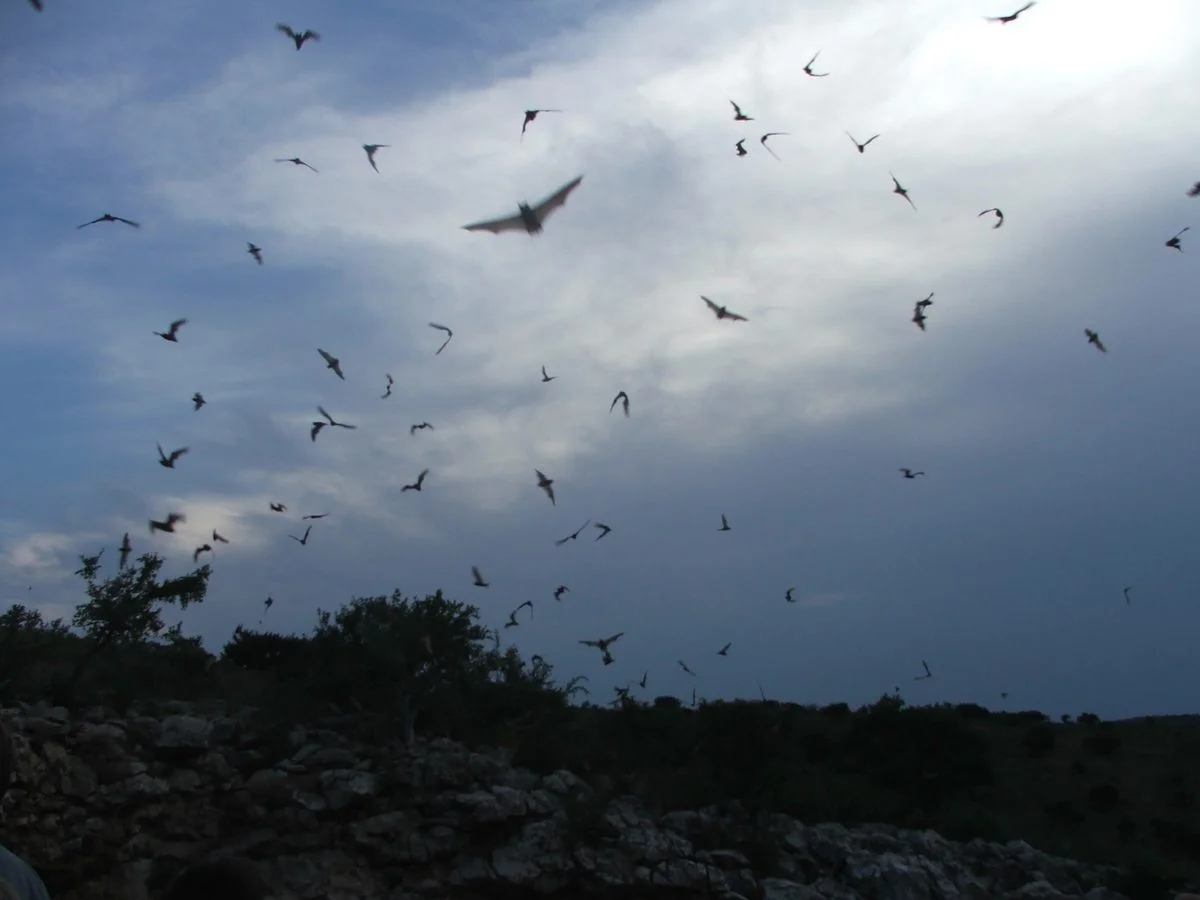
Texas Bat Breaks Level-Flight Speed Record at 100 mph
science9 months ago

Texas Bat Breaks Level-Flight Speed Record at 100 mph

Researchers tracking a Brazilian free-tailed bat in Texas found it can reach up to 100 mph in level flight, making it the fastest flying mammal and faster than swift or albatross in straight-line flight. Using a radio tag and a Cessna following the bat, they observed wind-driven speed adjustments and pauses that indicate occasional gliding, challenging the view that bats are aerodynamically inferior.