Tag

Dinosaur Eggs

All articles tagged with #dinosaur eggs

Titans' eggs hatched with compost heat, not parental brooding
science23 days ago

Titans' eggs hatched with compost heat, not parental brooding

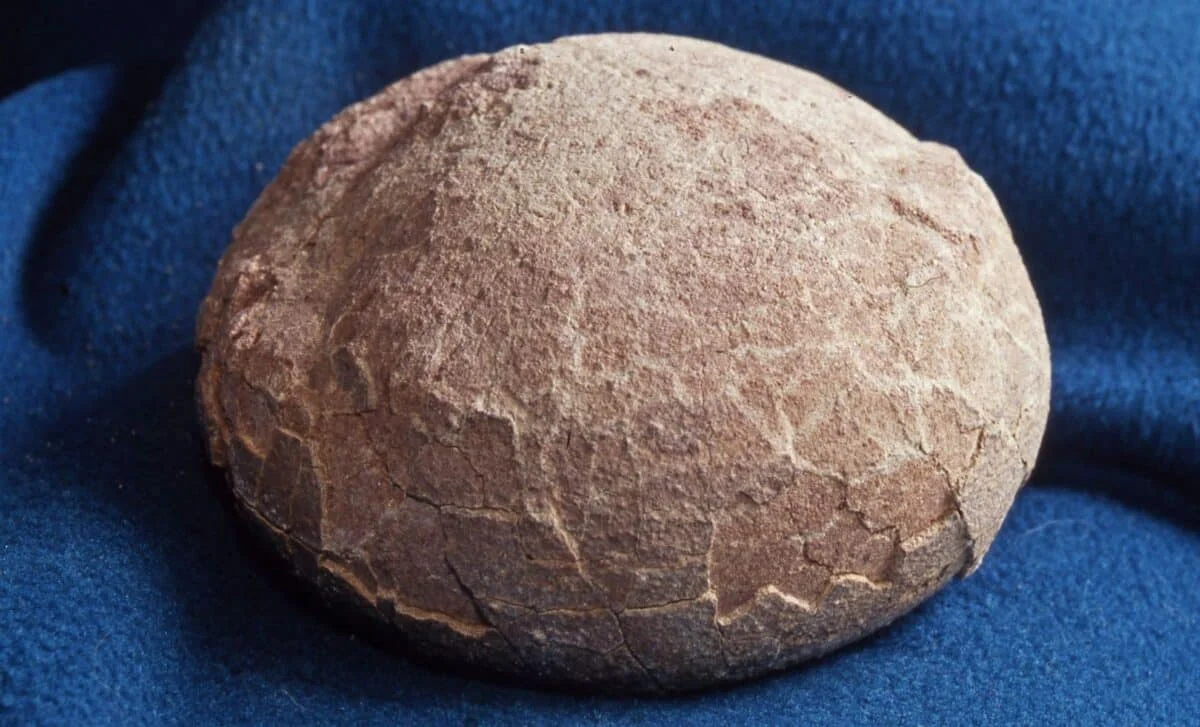
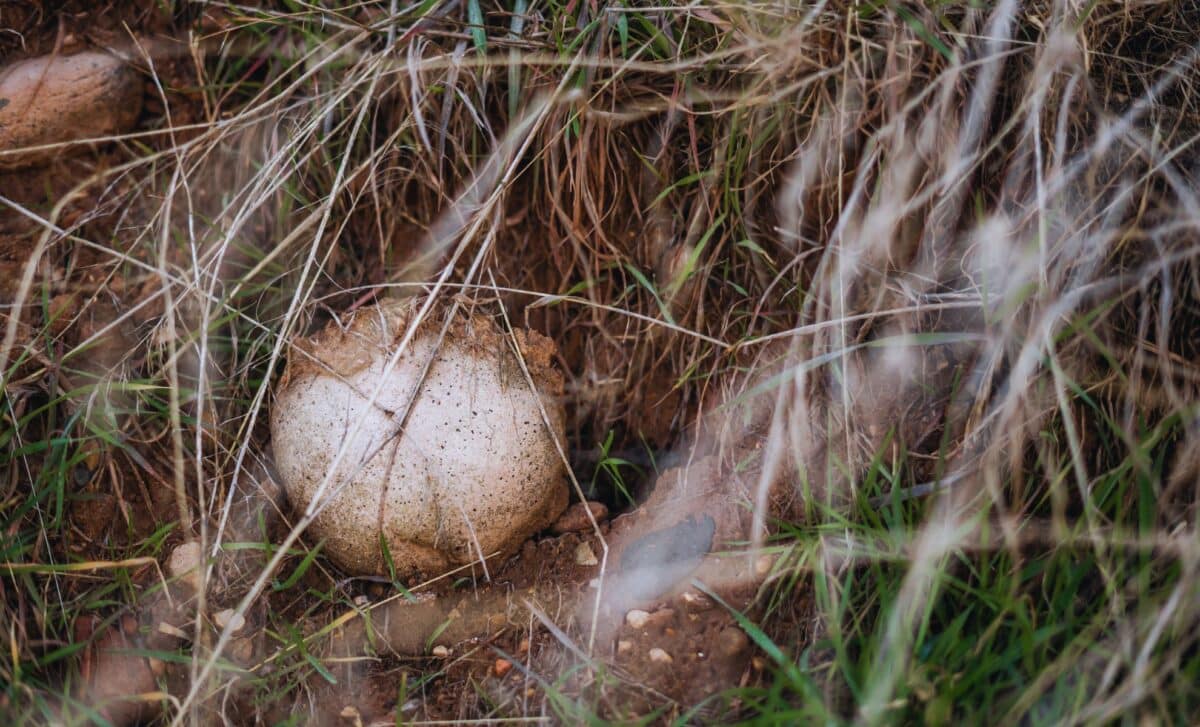
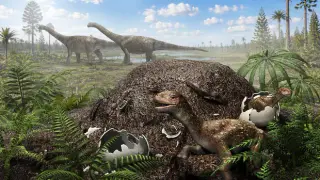
Researchers examining titanosaur eggshells from the Late Cretaceous Chorrillo Formation in southern Argentina found high porosity indicating the enormous dinosaurs buried their volleyball-sized eggs in warm piles of rotting vegetation to incubate, rather than sitting on them. This crocodile-like incubation allowed giant titanosaurs to reproduce in cooler, high-latitude environments (roughly as far from the equator as Red Deer, Alberta, with a climate similar to modern New York City), expanding our understanding of their nesting strategies and global distribution. The study cites Fusioolithus eggs and adds to evidence that dinosaurs used diverse methods to hatch their offspring.
Titanosaurs nested at high southern latitudes, study finds
science1 month ago

Titanosaurs nested at high southern latitudes, study finds

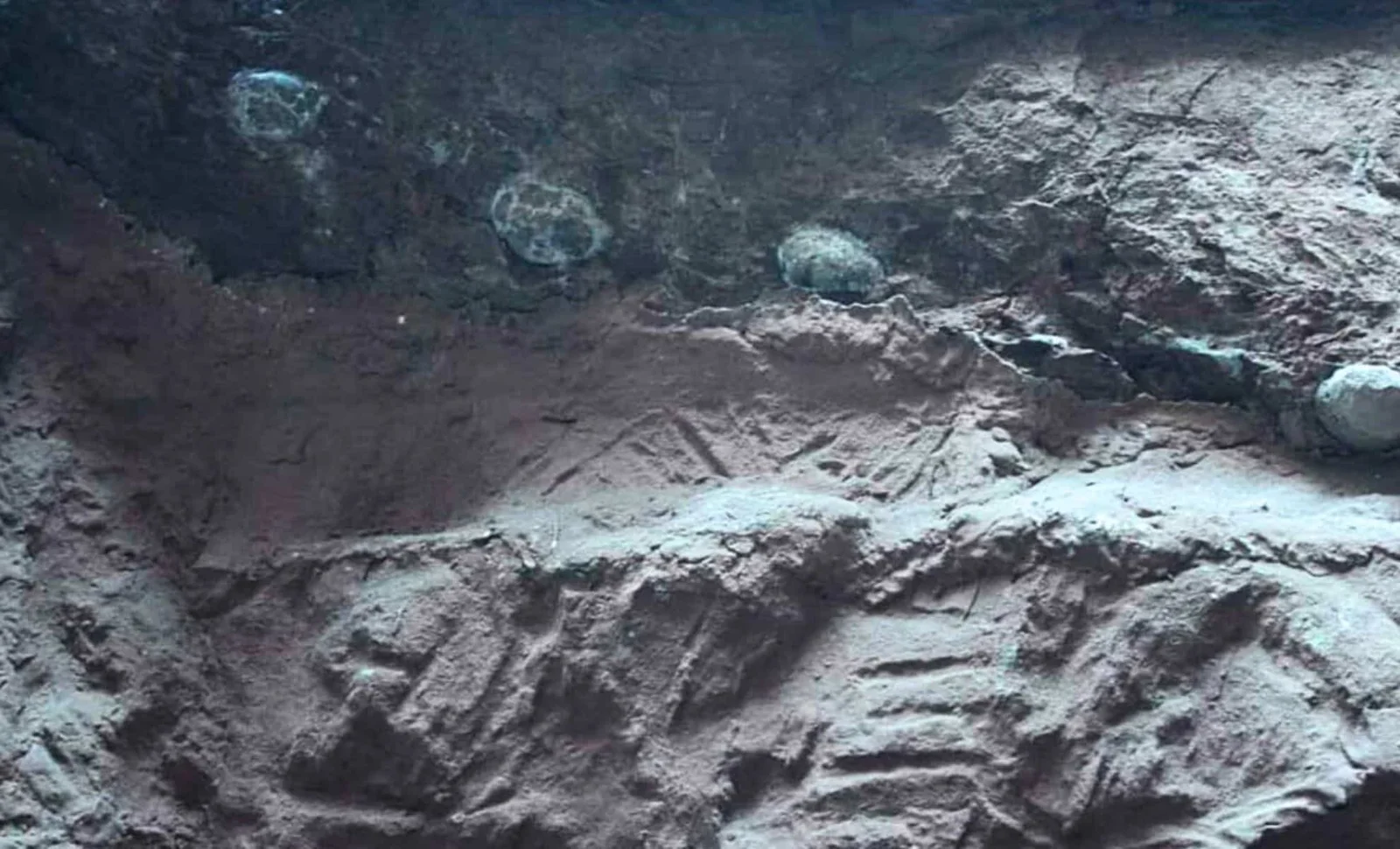
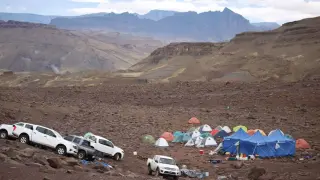
Researchers analyzing 68-million-year-old eggshell fragments from Argentina’s Chorrillo Formation uncovered 255 titanosaur eggs, indicating these giant dinosaurs nested far from the equator by relying on mound nests with vegetation-derived heat to incubate eggs, suggesting they reproduced at high latitudes (and possibly year‑round) despite cooler southern climates.

Giant titanosaurs nested far from the equator, eggs found in southern Argentina
science1 month ago

Giant titanosaurs nested far from the equator, eggs found in southern Argentina

Scientists uncovered 255 titanosaur eggshell fragments in Argentina’s Chorrillo Formation dating to about 68 million years ago at roughly 55–60°S, the highest-latitude nesting evidence for sauropods. The eggs were tiny compared with the giants—about 4 liters per clutch, with hatchlings around 4 kilograms—and likely hatched in mound nests warmed by decaying vegetation, suggesting titanosaurs nested far from the equator and possibly stayed at high latitudes seasonally or year‑round.

France’s Ancient Nest: Hundreds of Dinosaur Eggs Unearthed in One Bed
science4 months ago

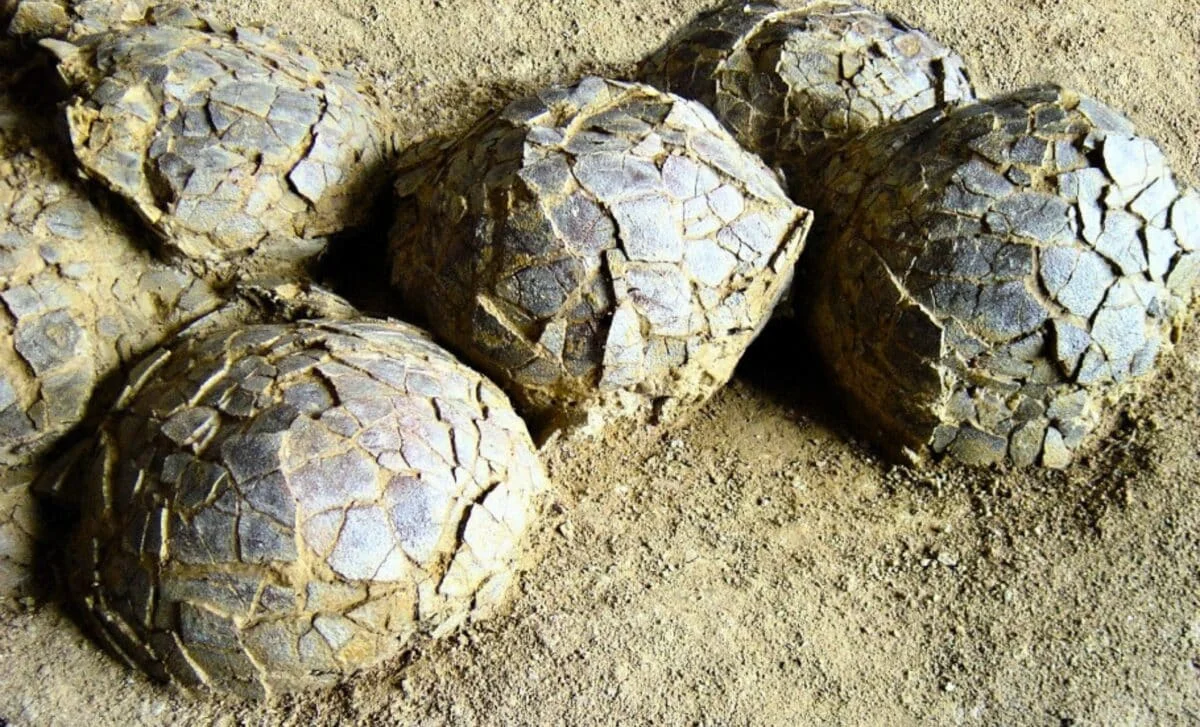
France’s Ancient Nest: Hundreds of Dinosaur Eggs Unearthed in One Bed

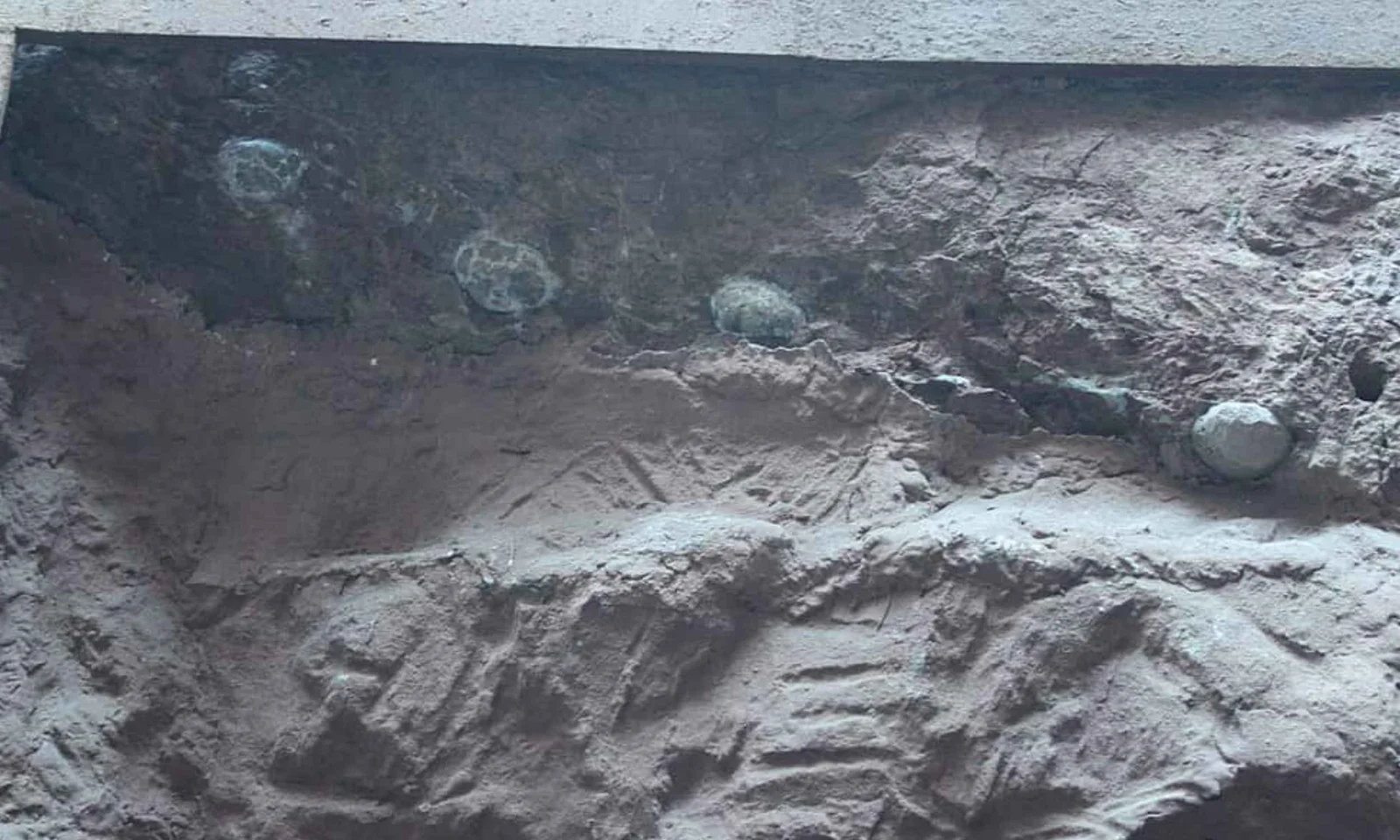
Paleontologists in Mèze, southern France, uncovered a late-Cretaceous fossil bed packed with hundreds of dinosaur eggs from multiple species—titanosaurs, Rhabdodon priscus, and Prismatoolithus caboti—indicating a communal nesting ground; rapid burial preserved many eggs, with excavations continuing to reveal more across an extended layer, potentially including embryos and insights into incubation.

India’s Massive Titanosaur Nesting Site Uncovered with 256 Eggs Across 92 Nests
science5 months ago

India’s Massive Titanosaur Nesting Site Uncovered with 256 Eggs Across 92 Nests

Researchers in central India uncovered a Late Cretaceous nesting site with 92 nests and 256 titanosaurs’ eggs, possibly used by multiple species; six egg types suggest diverse populations; no adult or hatchling bones found, indicating minimal parental care and incubation likely driven by sun and sediment; one ovum-in-ovo egg hints at bird-like reproductive traits.

Hundreds of Dinosaur Eggs Unearthed From One Ancient French Nesting Ground
science6 months ago

Hundreds of Dinosaur Eggs Unearthed From One Ancient French Nesting Ground

In southern France’s Mèze area, paleontologists uncovered a fossil-rich horizon containing more than 100 dinosaur eggs dating to about 70–72 million years ago, indicating multiple species used the site for nesting, including titanosaurs and smaller dinosaurs such as ankylosaurs or theropods; exceptional preservation in clay marls and flood deposits allowed eggs to fossilize, and the museum on site now protects and showcases these discoveries.

Portugal's Coastal Cliff Uncovers Intact 150-Million-Year Jurassic Egg Nest
science7 months ago

Portugal's Coastal Cliff Uncovers Intact 150-Million-Year Jurassic Egg Nest

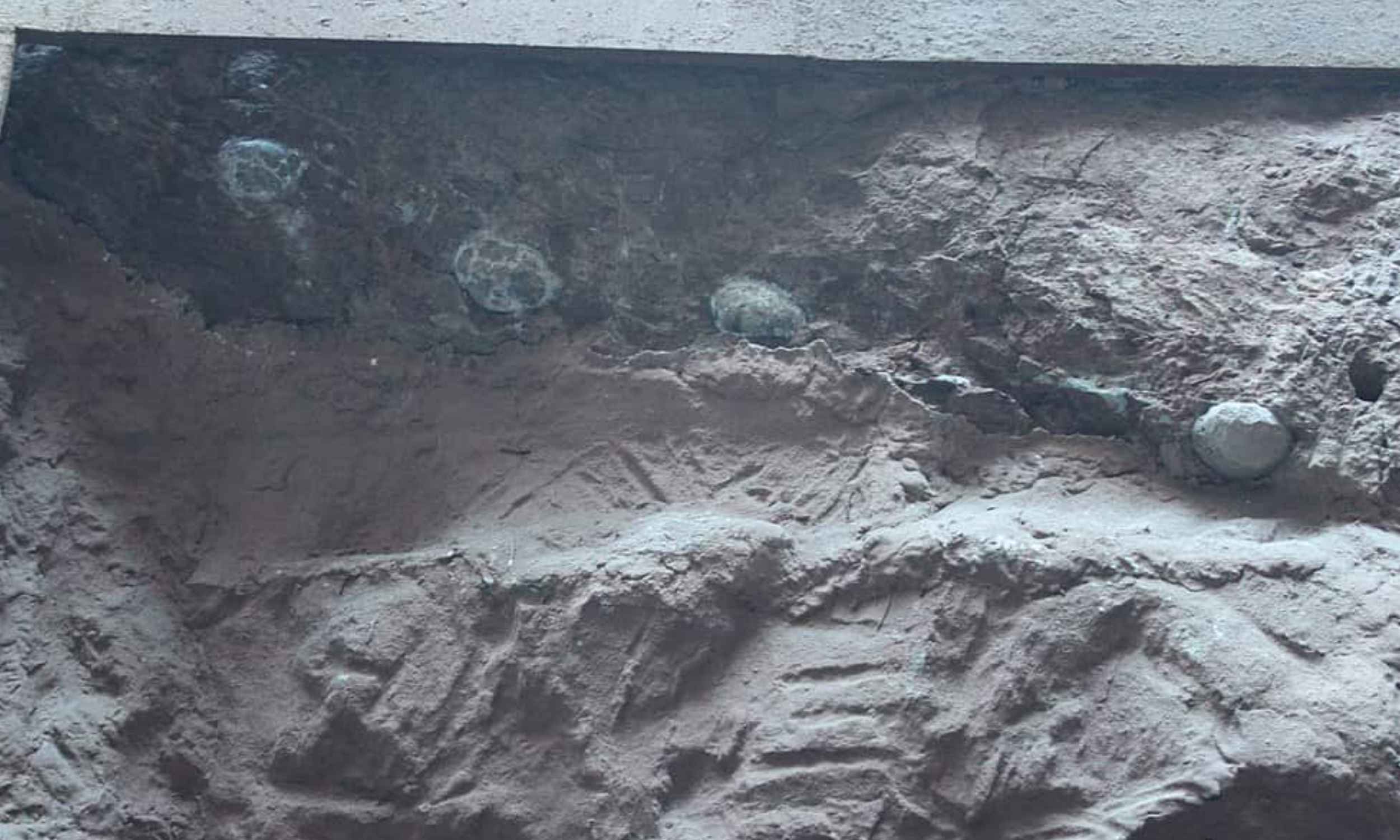
At a coastal cliff in Santa Cruz, Portugal, researchers uncovered a block containing 10 Upper Jurassic dinosaur eggs (~150 million years old) preserved in three dimensions within granular sandstone, arranged in a natural nest pattern that suggests a genuine nesting site and limited disturbance. The team suspects carnivorous dinosaurs may have laid them, with potential embryonic remains to be confirmed by planned CT scans and microscopic analyses.

Crystal-filled dinosaur eggs rewrite fossilisation stories in China
science8 months ago

Crystal-filled dinosaur eggs rewrite fossilisation stories in China

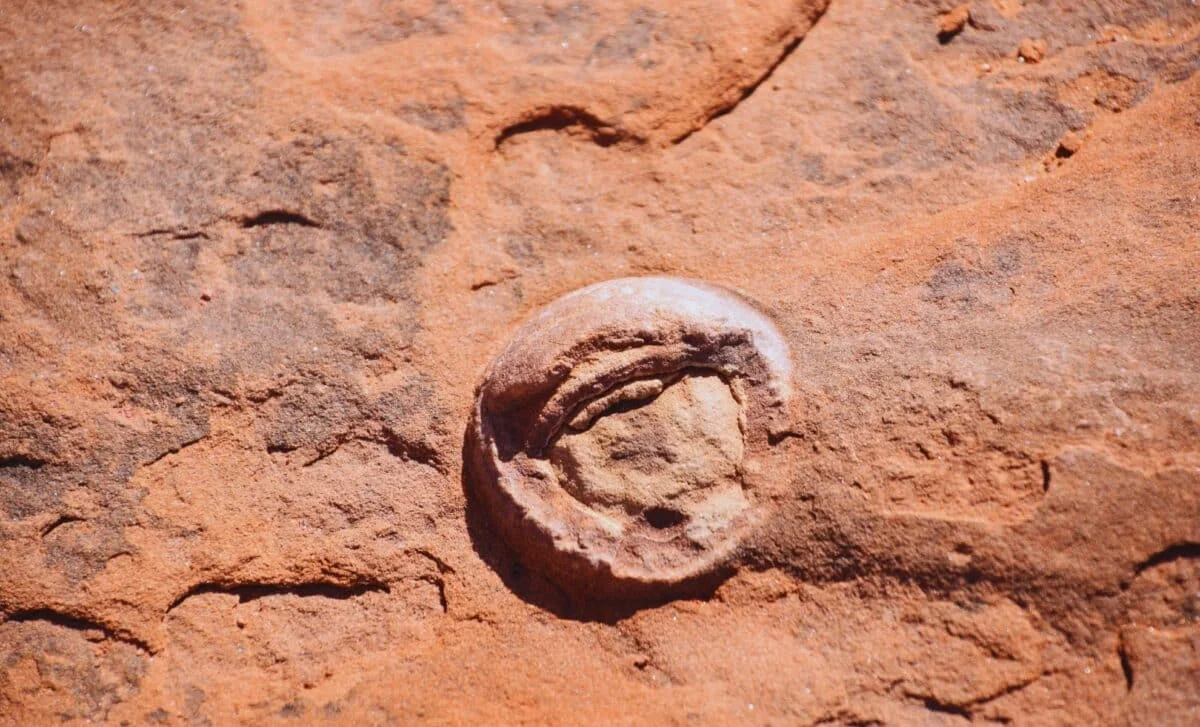
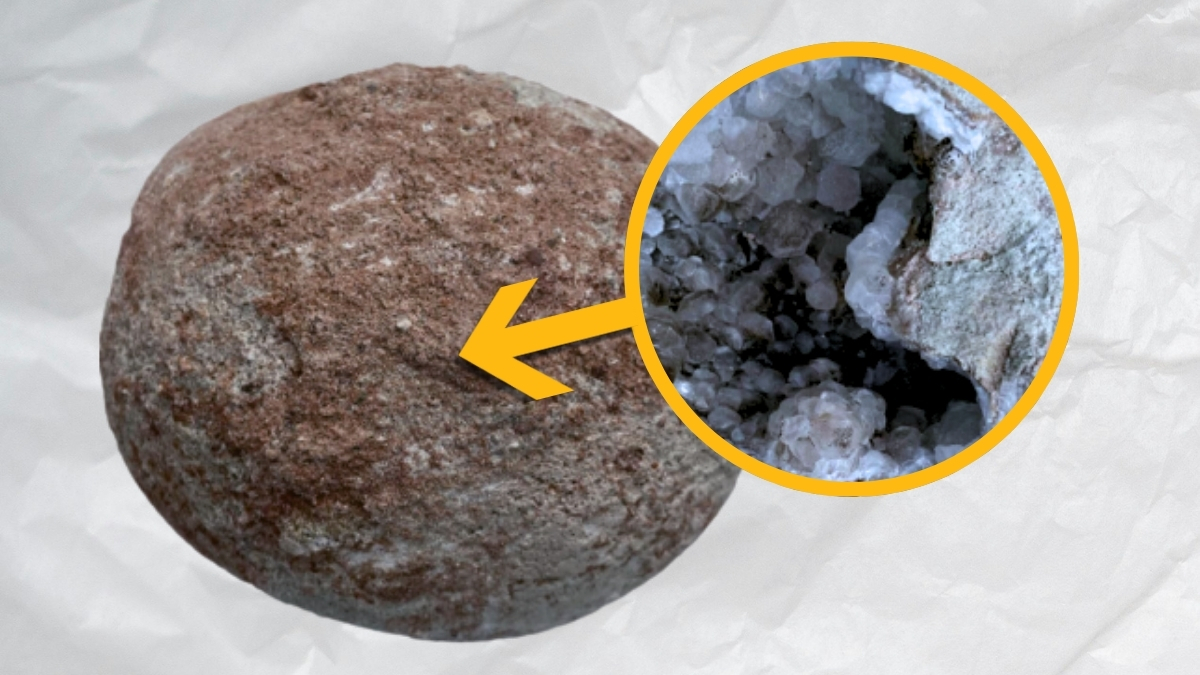
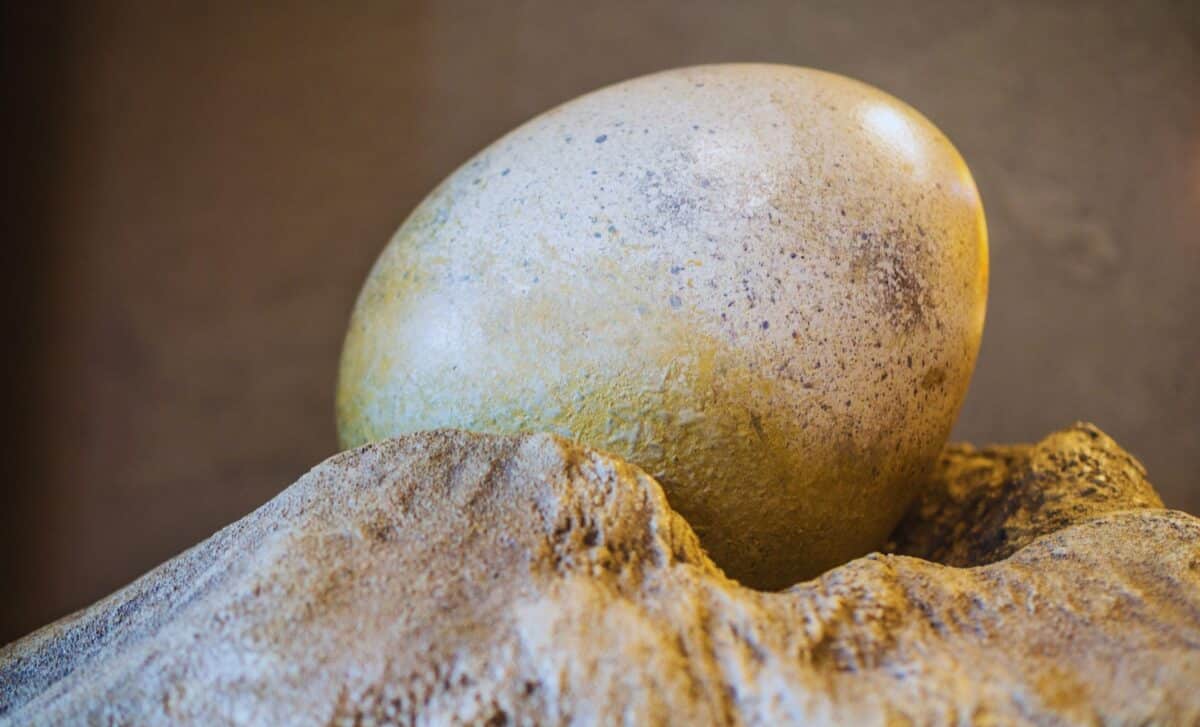
Two spherical dinosaur eggs from eastern China were found with interiors filled by calcite crystals rather than bones, a rare mineral replacement that preserves internal voids as geometric crystal patterns. The Anhui eggs belong to a new oogenus, Shixingoolithus qianshanensis, while a Ganzhou Basin find yielded hadrosauroid embryos, offering clues about late Cretaceous reproduction and the environmental conditions that drive such preservation near the Cretaceous–Paleogene extinction.

Giant Crystal-Filled Dinosaur Eggs Discovered
science9 months ago

Giant Crystal-Filled Dinosaur Eggs Discovered

Scientists in China discovered two nearly spherical dinosaur eggs filled with mineral crystals, representing a new species and providing insights into dinosaur reproduction and embryonic development, despite lacking identifiable parent species. These findings, along with embryo fossils of duck-billed dinosaurs, enhance understanding of dinosaur nesting behaviors and evolution, especially in well-preserved Chinese fossil sites.

Researchers Uncover Dinosaur Egg Mystery in Surprising Location
science11 months ago

Researchers Uncover Dinosaur Egg Mystery in Surprising Location

Researchers have discovered that many dinosaurs, including Protoceratops, likely laid soft-shelled eggs, which are less likely to fossilize, explaining their rarity in the fossil record. This finding, supported by chemical analysis, suggests soft eggshells were common even late in the dinosaur era and may have been used by marine predators like mosasaurs, indicating diverse reproductive strategies among prehistoric creatures.