A new open-source Linux tool called GPU Unlock removes artificial performance limits on NVIDIA’s RTX 30 series cards, boosting AI compute speeds by up to 80% without modifying drivers or hardware.
Community developers have successfully ported NVIDIA's native DLSS Multi-Frame Generation (MFG) technology to older GeForce RTX 20, 30, and 40 series GPUs. While officially restricted to the RTX 50 'Blackwell' series, these mods utilize custom backends to run NVIDIA's own runtime on Turing, Ampere, and Ada Lovelace architectures. Results vary significantly by generation, with RTX 40 series showing the most stability and RTX 20 series experiencing severe artifacts and performance drops compared to AMD's FSR alternatives.
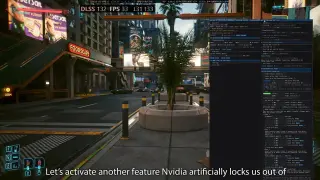
Modders have released a tool called DLSSG SM86 that enables Nvidia's Multi-Frame Generation on RTX 30-series GPUs, a feature officially reserved for the RTX 50 series. The mod allows 2x, 3x, and 4x frame multipliers, significantly boosting frame rates in titles like Cyberpunk 2077. While Nvidia cites hardware limitations for excluding older cards, this workaround suggests the restrictions may be software-based. The development follows recent modding efforts to bring DLSS 5 neural rendering to older hardware, highlighting ongoing tensions between Nvidia's official support roadmap and the modding community's ability to bypass generational limits.
A new community mod enables DLSS Multi-Frame Generation on RTX 30-series GPUs, a feature NVIDIA officially restricts to RTX 50-series cards. The mod uses a proxy backend to bypass hardware limitations, showing significant frame rate gains in titles like Black Myth: Wukong, though stability and latency remain unverified.
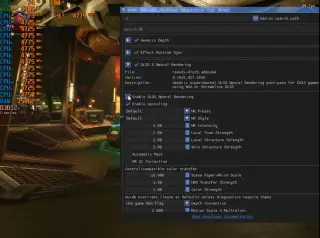
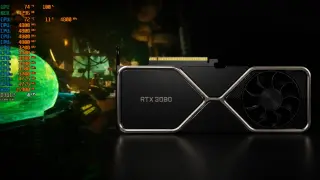
Modders have successfully ported NVIDIA's leaked DLSS 5 neural rendering technology to RTX 30-series 'Ampere' GPUs, but the results are catastrophic for performance. While the feature officially supports only RTX 50-series 'Blackwell' cards, community patches allow it to run on older hardware, causing frame rates to plummet to single digits. The core issue is that Ampere architecture lacks native FP8 support, which DLSS 5 relies on, leading to severe latency and stuttering. This follows a recent trend where modders also enabled the feature on RTX 40-series 'Ada Lovelace' cards, which performed better but still suffered significant drops. The unofficial modding effort highlights the technical limitations of older GPUs when forced to handle next-generation AI workloads, despite NVIDIA's official stance that DLSS 5 is exclusive to the latest generation.
Unofficial DLSS 5 Neural Rendering mods on older RTX 30-series GPUs cause catastrophic performance drops, with frame rates plummeting from 138 to 4 FPS in some titles. While the technology works on Ampere cards, the massive overhead makes gameplay unplayable, contrasting with the more moderate performance hits seen on newer RTX 40 and 50-series hardware.
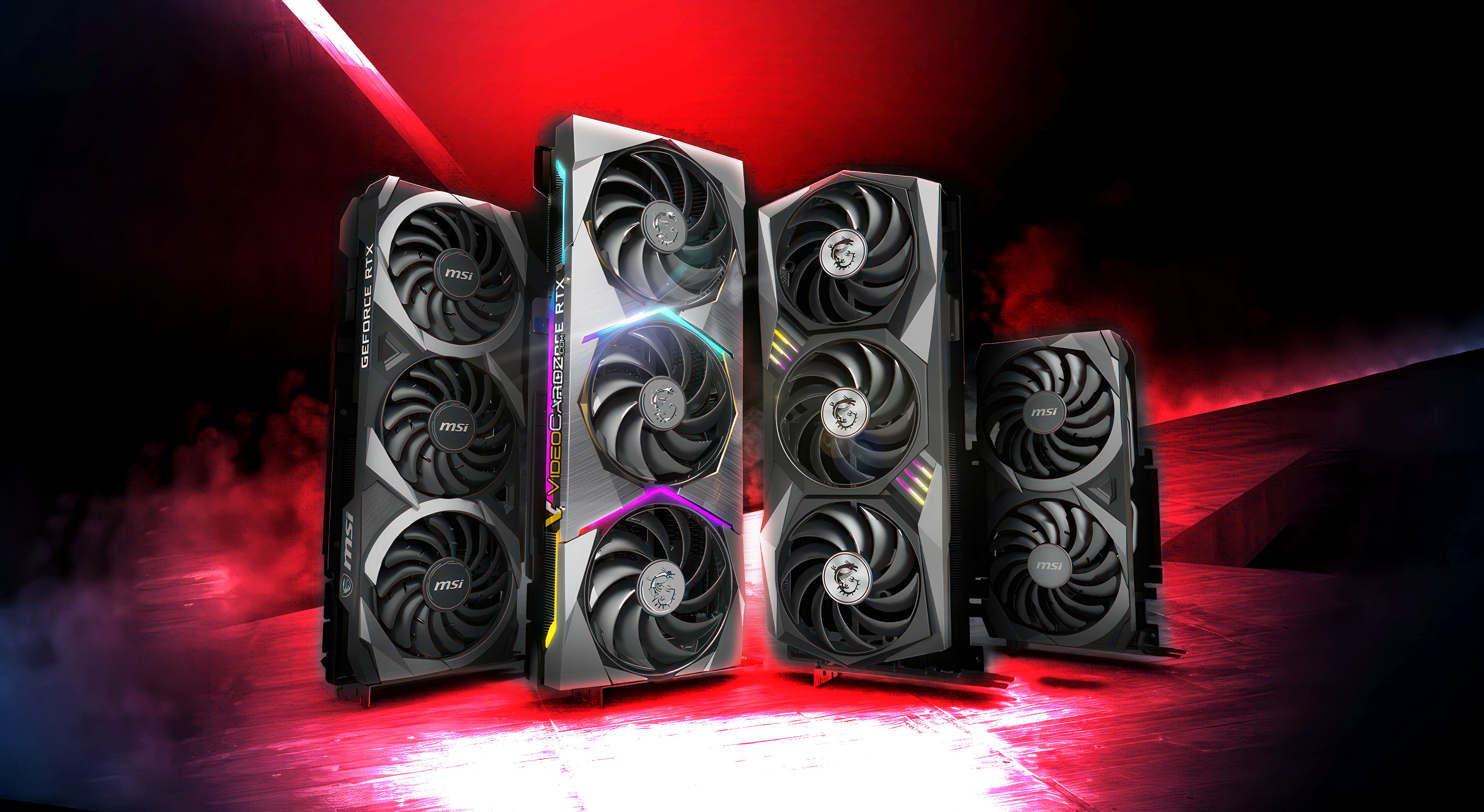
MSI has lowered the prices on their most popular mid-range RTX 30 series graphics cards, with the RTX 3060 12GB now listed at $279.99 and the RTX 3060 8GB at $259.99. The discounts are not available on all brands or SKUs, but it is a positive sign for gamers. Other models are available for slightly higher prices, and there are currently no price cuts from Gigabyte or ASUS. The move may indicate NVIDIA adjusting margins, and MSI is adjusting prices accordingly.