Tag

Sargassum

All articles tagged with #sargassum

Miami Faces a Seaweed Surge as Sargassum Washes Ashore in Record Volumes
environment16 days ago

Miami Faces a Seaweed Surge as Sargassum Washes Ashore in Record Volumes

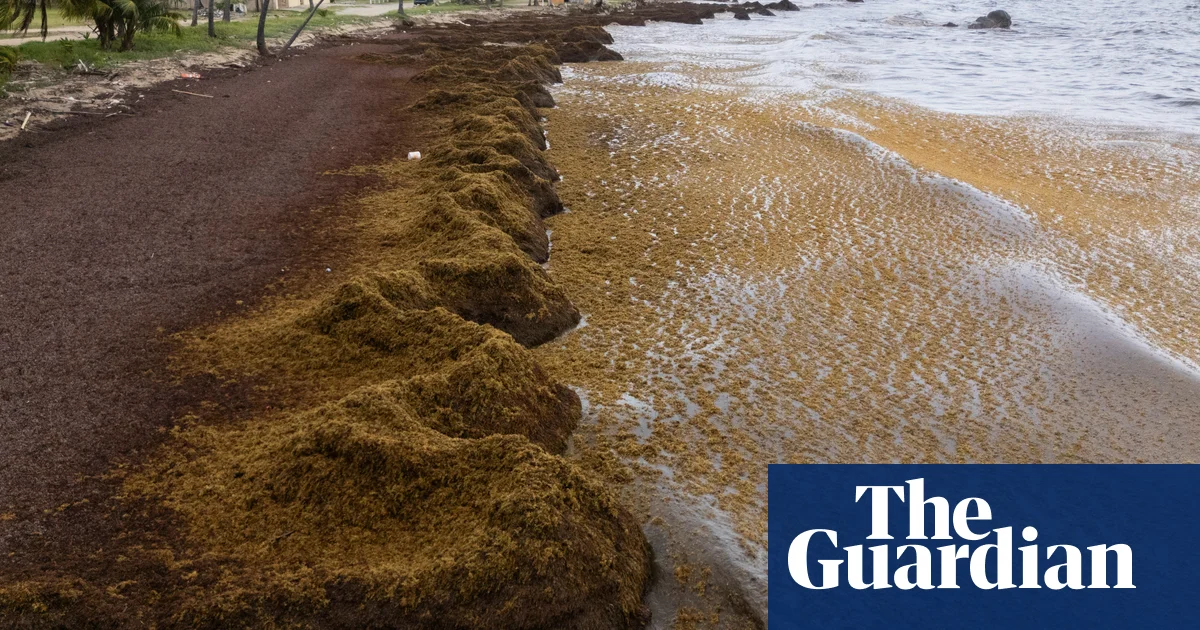
Miami-Dade spends about $3 million annually to remove sargassum from 17 miles of beaches as record blooms wash ashore; July alone yielded around 9,000 tons. The surge is linked to the Great Atlantic Sargassum Belt, nutrient runoff from rivers, and warmer oceans. Cleanup uses heavy equipment and is restricted during sea turtle nesting hours, with about 700 nests this season. Scientists say the blooms are the ‘new normal’ and stress the need to curb land-based nutrient sources, as the belt totals reach tens of millions of tons (33.5m this summer, 38m in 2025).

Mexico rolls out comprehensive plan to curb record sargassum bloom
weather-and-climate1 month ago

Mexico rolls out comprehensive plan to curb record sargassum bloom

President Claudia Sheinbaum said Mexico will present a comprehensive sargassum management agreement after talks with Quintana Roo's tourism sector to tackle a record-season bloom that has already produced over 92,000 tons and is projected to reach 119,000 by year’s end. Eight coastal municipalities are on alert as beaches close or cost of cleanup rises (hotels alone spend about $150 million annually; sargassum management may amount to ~11% of the state’s GDP). The plan includes more offshore vessels to intercept seaweed, expanded processing and recycling, and a coordinated rollout to position Mexico as an international benchmark; details are set to be announced at the Mañanera.

Self-sustaining Sargassum Belt Could Make Beach Blooms a Permanent Challenge and a New Resource
environment1 month ago

Self-sustaining Sargassum Belt Could Make Beach Blooms a Permanent Challenge and a New Resource

A new analysis of the Great Atlantic Sargassum Belt argues that vast floating mats of sargassum have created a self-sustaining ecosystem that fuels continued blooms along the Caribbean, Gulf of Mexico, and tropical Atlantic. Wind-driven upwelling and nutrient recycling within the mats may keep the belt going for years, making it a chronic coastal challenge rather than a transient nuisance. Improved forecasting could give communities time to adapt, while researchers also see potential to turn sargassum into valuable resources such as biofuel, soil amendments, and construction materials, transforming a failing beach season into economic opportunity.

Unprecedented Winter Sargassum Surge Threatens Mexican Beach Resorts
travel7 months ago

Unprecedented Winter Sargassum Surge Threatens Mexican Beach Resorts

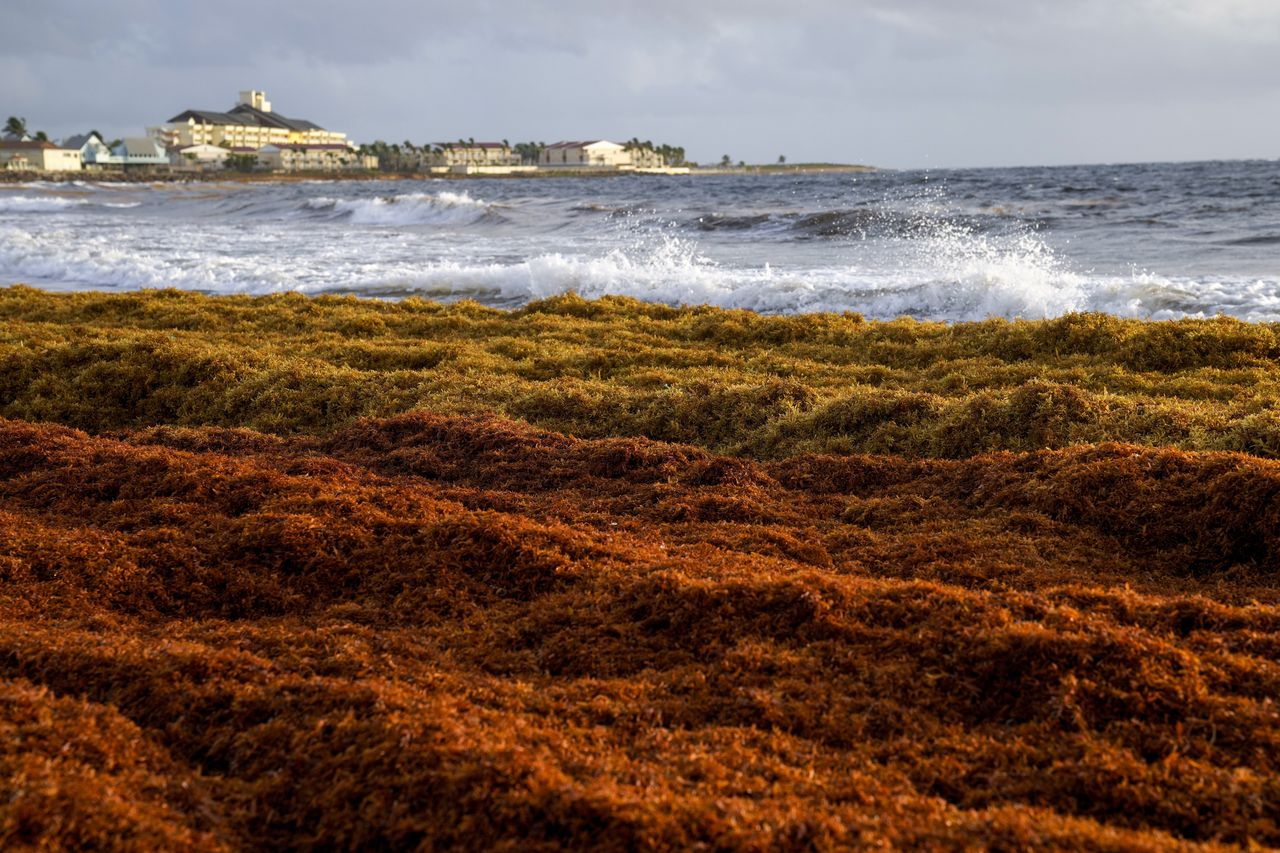
A rare winter surge of Sargassum seaweed has hit top Mexican Caribbean beaches like Playa del Carmen and Tulum, disrupting the usual clear water season and raising concerns about year-round seaweed blooms due to changing ocean conditions. Travelers are advised to adapt by using pools, checking live beach cams, and exploring inland attractions like cenotes to enjoy their trips despite the seaweed invasion.

Barbados Innovates: Turning Seaweed and Rum Waste into Car Fuel
environment1 year ago

Barbados Innovates: Turning Seaweed and Rum Waste into Car Fuel

Caribbean scientists have developed a method to convert invasive sargassum seaweed into biofuel, potentially transforming a regional environmental crisis into an economic opportunity. The project, led by Dr. Legena Henry at the University of the West Indies, uses sargassum, wastewater from rum distilleries, and sheep dung to produce bio-compressed natural gas. This innovation could help reduce reliance on fossil fuels and mitigate the negative impacts of sargassum on tourism and health. The team is seeking funding to scale up the project, which could benefit other regions affected by sargassum.

Nutrients Identified as Key Driver of Great Atlantic Sargassum Belt
environment2 years ago

Nutrients Identified as Key Driver of Great Atlantic Sargassum Belt

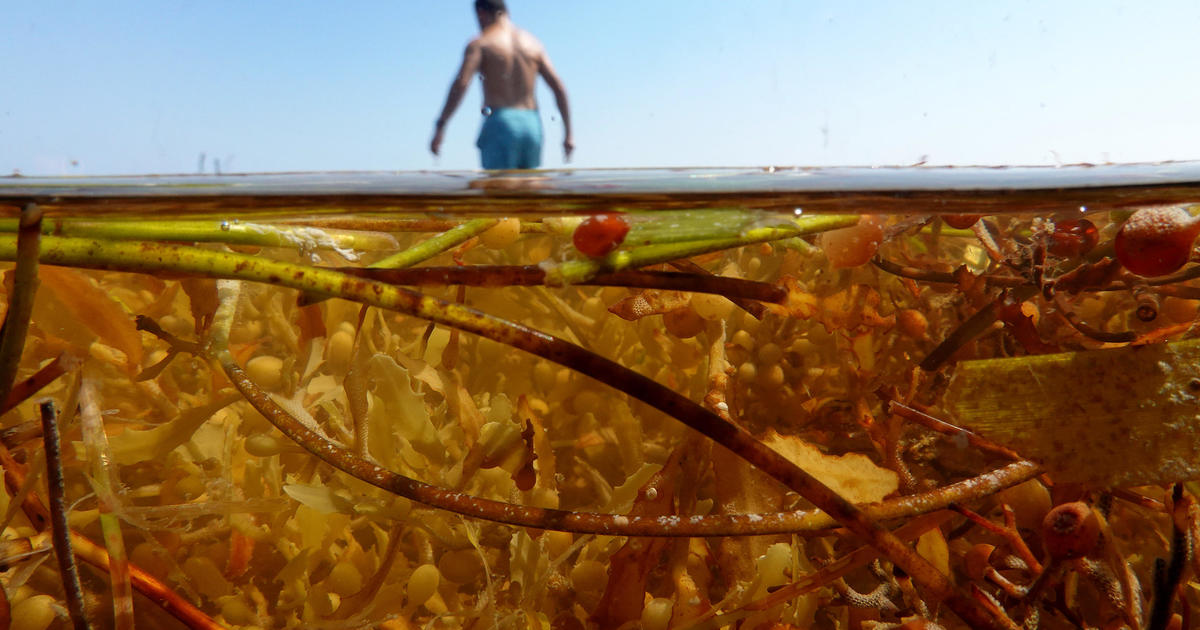
A study published in Nature Communications has identified nutrients, specifically nitrogen and phosphorus, as the driving force behind the proliferation of the Great Atlantic Sargassum Belt (GASB). The research found that Sargassum in the GASB has higher nutrient content compared to populations in its traditional Sargasso Sea habitat. The study suggests that understanding the sources of these nutrients could help improve predictions and management efforts for Sargassum blooms, which have had harmful effects on ecosystems, economies, and human health. The study also highlights the presence of arsenic in Sargassum tissue, which poses constraints on its utilization and should be considered in plans to deal with seasonal inundations.

"Atlantic Seaweed Study Reveals Nitrogen Fixation Hotspots"
science3 years ago

"Atlantic Seaweed Study Reveals Nitrogen Fixation Hotspots"

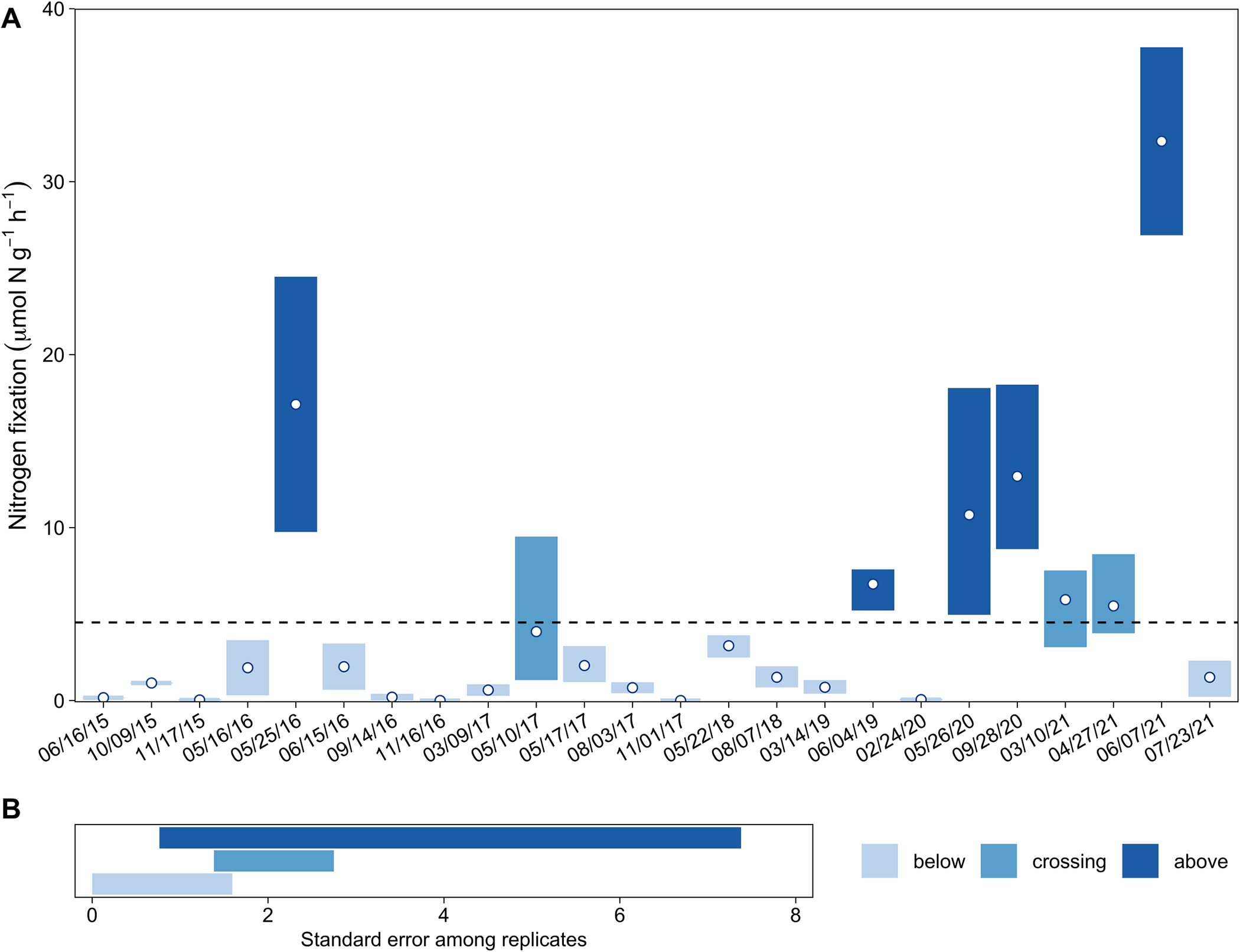
A long-term study conducted by researchers at the University of North Carolina at Chapel Hill has found significant nitrogen fixation hot spots in sargassum, a brown macroalgae in the seaweed family that floats on the surface of the open ocean. Nitrogen fixation, the process by which microorganisms convert nitrogen into a usable form for other plants and animals, was found to be significant in sargassum communities, potentially contributing to sargassum blooms and supporting marine productivity. The study highlights the importance of sargassum in the marine nitrogen cycle and suggests that previous studies may have underestimated nitrogen fixation in the Atlantic nitrogen budget.

"Florida's Sargassum Seaweed Problem Shrinks, Bringing Relief"
environment3 years ago

"Florida's Sargassum Seaweed Problem Shrinks, Bringing Relief"

The giant blob of sargassum seaweed that has been washing up on Florida beaches and emitting a foul odor has unexpectedly shrunk beyond expectations, according to researchers from the University of South Florida. The Great Atlantic Sargassum Belt, which extends from West Africa to the Gulf of Mexico, has decreased in size, with a total weight of about 9 million metric tons. The amount of sargassum in the Gulf of Mexico has decreased by 75%, and there is now very little seaweed found in the Straits of Florida and along the state's East Coast. The seaweed is predicted to continue decreasing in the Gulf and the Caribbean Sea, providing relief to residents in those areas.

Study reveals flesh-eating bacteria in Sargassum bloom.
health3 years ago

Study reveals flesh-eating bacteria in Sargassum bloom.

A study by Florida Atlantic University has found that the sargassum bloom, which is making its way towards Florida and possibly Alabama beaches, contains the Vibrio bacteria and plastic marine debris, creating a "perfect pathogen storm" with significant health risks to both humans and marine life. The Vibrio bacteria can cause life-threatening illnesses from seafood consumption, as well as disease and death from open wound infections. The sargassum bloom is also expected to impact Florida's eastern coast, with some of it making its way into the northern Gulf of Mexico.

Florida Beachgoers at Risk as Deadly Bacteria Adapts to Plastic and Seaweed Blooms
environment3 years ago

Florida Beachgoers at Risk as Deadly Bacteria Adapts to Plastic and Seaweed Blooms

The combination of sargassum, vibrio bacteria, and man-made plastics in the ocean is creating a "perfect pathogen storm" that poses a threat to marine life and human health. Vibrio has evolved to attach to and thrive on plastic, and its numbers increase as it sits on the beach. People are advised to wash themselves off after coming in contact with sargassum, especially if they have open cuts.

The Deadly Combination: Bacteria Adapting to Plastic and Sargassum Debris
health-and-environment3 years ago

The Deadly Combination: Bacteria Adapting to Plastic and Sargassum Debris

Vibrio bacteria, which can cause deadly human diseases, can quickly stick to and potentially adapt to plastic marine debris and Sargassum, a rapidly expanding type of seaweed found in the Sargasso Sea and beyond. This study emphasizes the potential health risks associated with increased human interaction with Sargassum and plastic marine debris, and the researchers urge caution regarding the harvest and processing of Sargassum biomass until the risks are thoroughly investigated. Vibrio bacteria are the leading cause of marine-related human fatalities, and the study highlights the potential for these bacteria to infect humans through plastic and Sargassum.

Sargassum and plastic debris create deadly pathogen storm.
environment3 years ago

Sargassum and plastic debris create deadly pathogen storm.

A new study led by Florida Atlantic University has found that Vibrio bacteria, which are the main cause of death in humans from marine environments, can interact with Sargassum spp. and plastic marine debris to create a “perfect pathogen storm” that threatens both marine life and public health. Vibrio pathogens have a unique ability to adapt and “stick” to both Sargassum and microplastics, thus considerably expanding their range. The study highlights the need for caution regarding the harvest and processing of Sargassum biomass until the risks are explored more thoroughly.