Tag

Seiche

All articles tagged with #seiche

Greenland fjord seiche finally confirms the source of the 2023 planetary hum
science1 month ago

Greenland fjord seiche finally confirms the source of the 2023 planetary hum

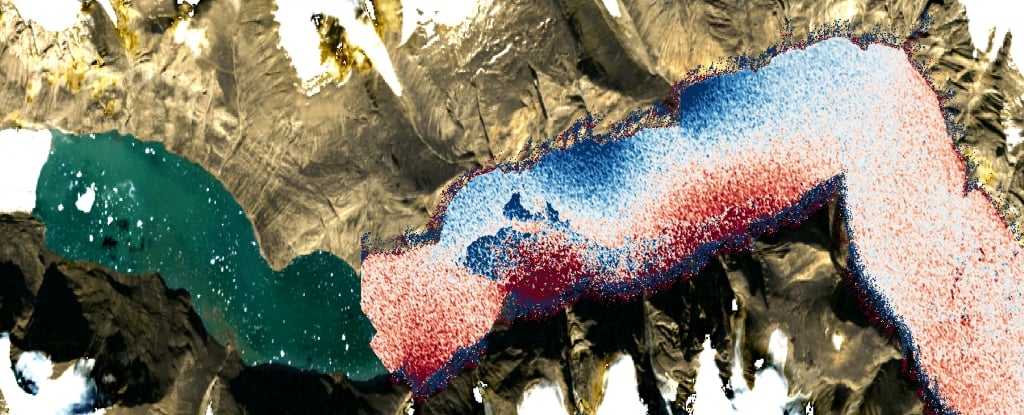
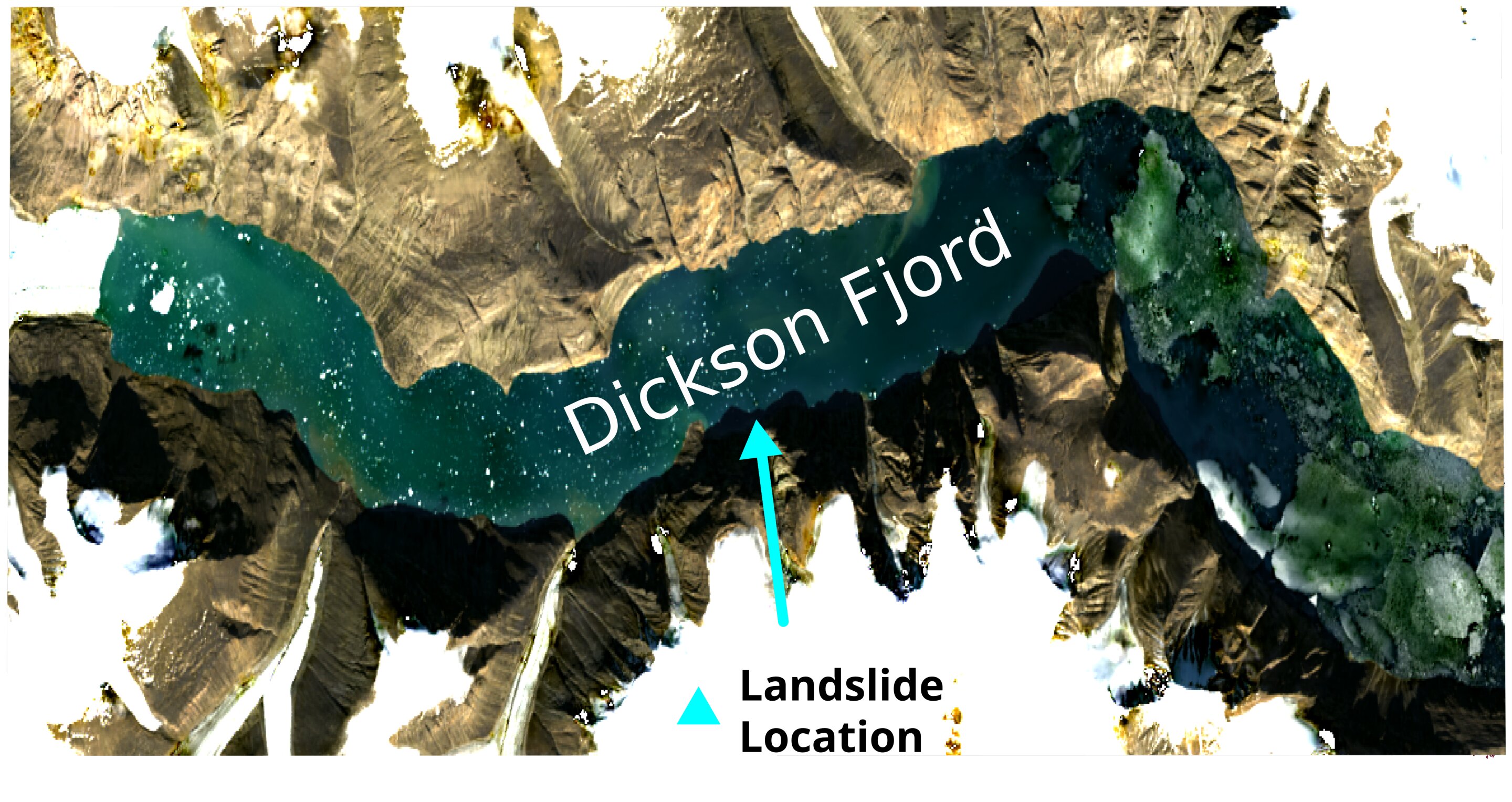
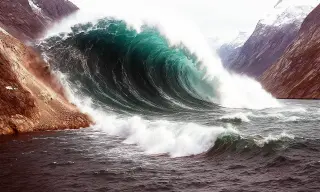
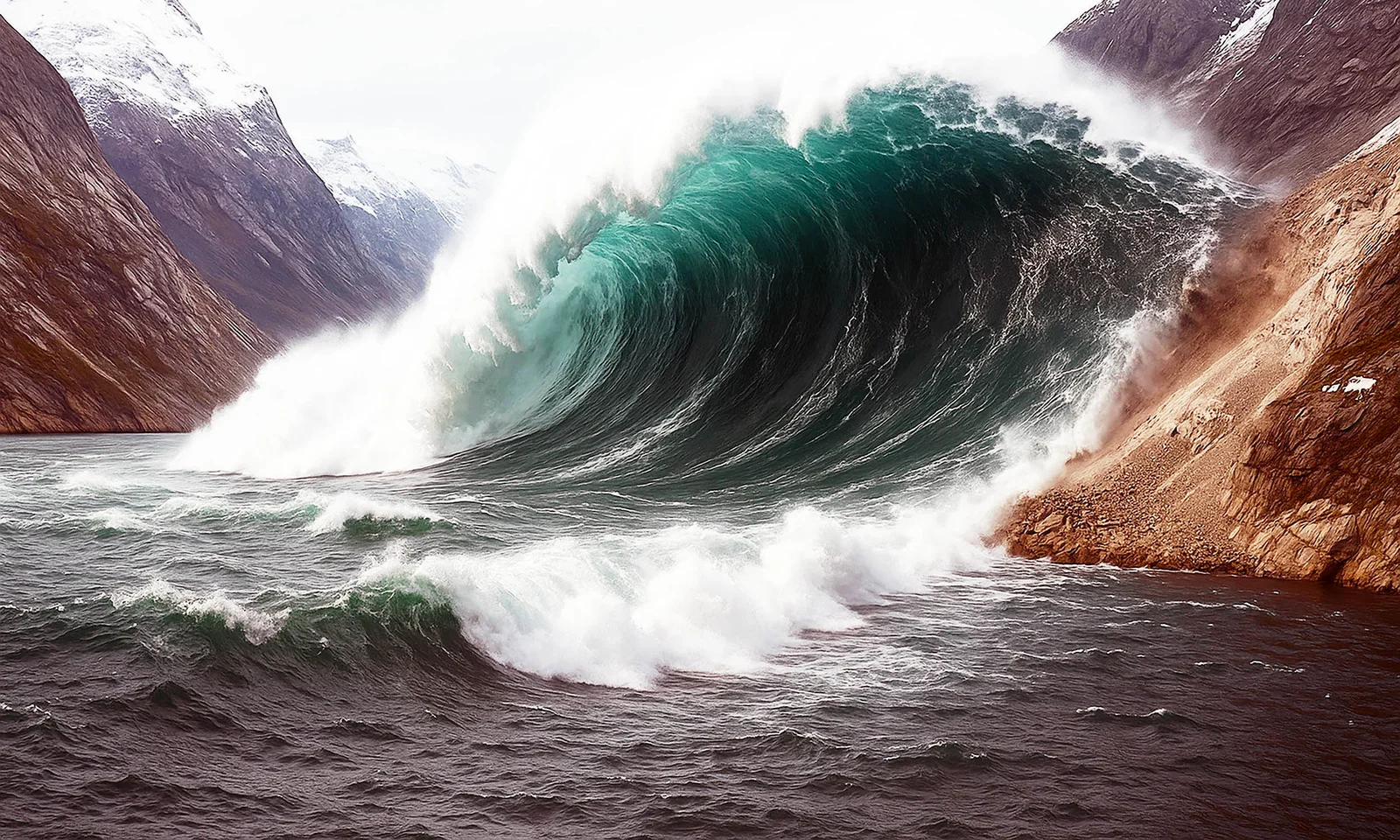
Global seismometers detected a 90-second, nine-day oscillation in September 2023 that was later traced to a standing water wave (seiche) inside East Greenland’s Dickson Fjord, triggered by a landslide that spawned a ~200 m mega-tsunami. After initial modelling in 2024, a 2025 Oxford-led study used SWOT/KaRIn satellite data to map cross-channel water-height differences of up to ~2 metres and linked them to distant seismic signals, providing the first direct observational confirmation of the seiche mechanism and underscoring how fjord geometry and satellite monitoring can reveal planetary-scale effects from local events.
Greenland’s 650-foot tsunami leaves a nine-day global seismic footprint
environment2 months ago

Greenland’s 650-foot tsunami leaves a nine-day global seismic footprint

A September 2023 landslide into Greenland’s Dickson Fjord spawned a 650-foot mega-tsunami that roared through a two‑mile fjord and, unusually, set off a global seiche. Seismic sensors worldwide recorded a steady cadence of 92-second pulses for about two weeks, tracing the signal back to the fjord and the landslide-driven wave. Researchers used field measurements, computer modeling, and SWOT satellite data to map the fjord’s geometry and the wave’s behavior, highlight climate‑change–driven glacier melt as a contributing factor, and suggest improved early-warning options for Arctic shipping and communities.

Giant Greenland landslide spawns 650-foot mega-tsunami that rattled global seismographs for days
environment4 months ago

Giant Greenland landslide spawns 650-foot mega-tsunami that rattled global seismographs for days

A September 2023 landslide in Greenland’s Dickson Fjord unleashed a 650-foot mega-tsunami that produced a nine‑day, worldwide seismic pulse detected across oceans; satellite data and models linked the event to fjord geometry and ice loss, highlighting how next‑gen satellites like SWOT can improve Arctic warning systems.