Tag

Seismic Imaging

All articles tagged with #seismic imaging

Ancient North Sea asteroid sparked a colossal 100-meter tsunami
science28 days ago

Ancient North Sea asteroid sparked a colossal 100-meter tsunami

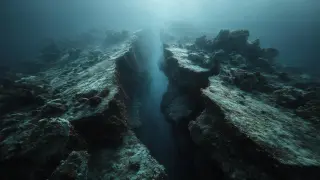
Researchers confirm that the Silverpit Crater beneath the North Sea was formed by a 160-meter-wide asteroid about 43–46 million years ago, triggering a tsunami over 100 meters tall and blasting a 1.5-km-high plume of rock and water. Using advanced seismic imaging and analyses of shocked minerals, the study resolves the crater’s origin as an asteroid impact and highlights the rare preservation of an oceanic impact site.

Ancient North Sea asteroid crash unleashed a 100m tsunami, study says
science1 month ago

Ancient North Sea asteroid crash unleashed a 100m tsunami, study says

New seismic data and rock fragments confirm the Silverpit feature beneath the southern North Sea is an impact crater formed by a ~160-meter asteroid striking at a shallow angle about 43–46 million years ago, which generated a tsunami over 100 meters high. The findings resolve a long-running debate and place Silverpit among Earth's rare preserved submerged craters, alongside Chicxulub and Nadir.

Mantle Drip Carved the Green River Through Utah's Uinta Mountains
science2 months ago

Mantle Drip Carved the Green River Through Utah's Uinta Mountains

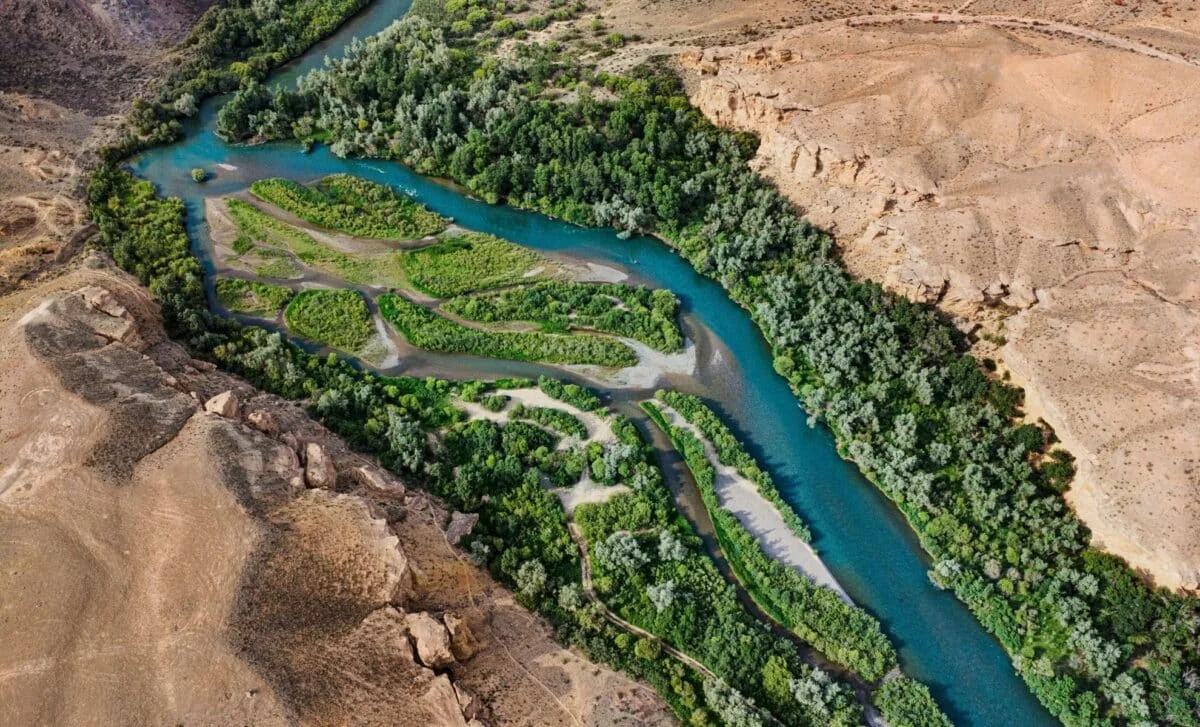
Geologists say a lithospheric drip—dense lower-crust material sinking into the mantle—pulled the land downward beneath Utah's Uinta Mountains, creating a temporary depression that let the Green River punch a 700-meter canyon through the range around 8 million years ago; as the drip broke off and the crust rebounded, the river remained entrenched, reshaping North America’s hydrology and the continental divide, with seismic imaging and river-network modeling supporting the scenario.

Scientists Discover Enigmatic 20-Kilometer Structure Beneath Bermuda Triangle
science3 months ago

Scientists Discover Enigmatic 20-Kilometer Structure Beneath Bermuda Triangle

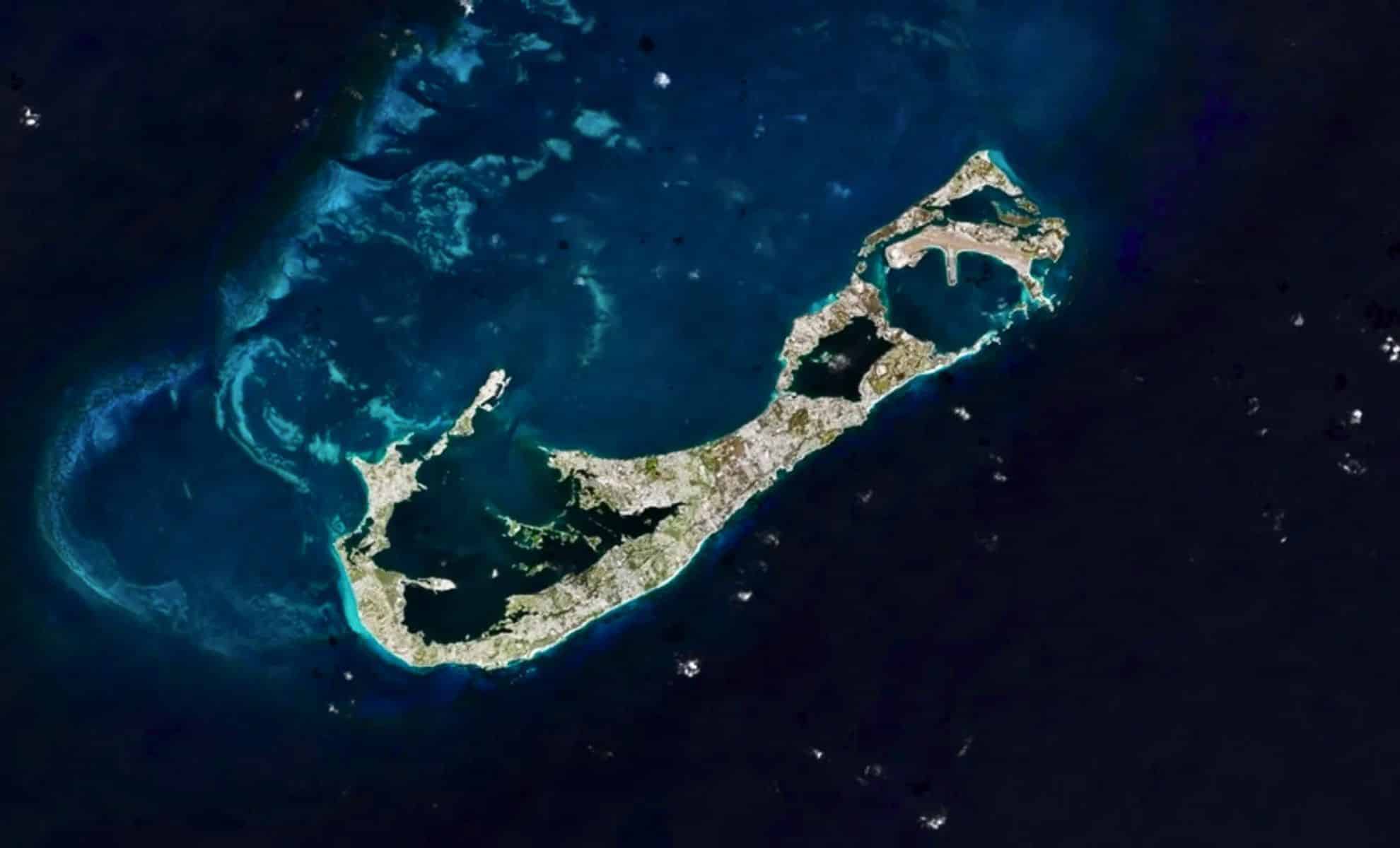
Scientists discovered a massive, 20-kilometer-thick, low-density rock formation beneath Bermuda, challenging traditional island formation theories by suggesting a deep mantle origin linked to ancient volcanic activity and deep carbon-rich mantle processes, which helps explain Bermuda's persistent elevation and unique geological history.

New Research Challenges Dinosaur Extinction Theories and Reveals Hidden Oceanic Asteroid Crater
science5 months ago

New Research Challenges Dinosaur Extinction Theories and Reveals Hidden Oceanic Asteroid Crater

Scientists have confirmed the existence of the Nadir Crater, a 9 km wide impact crater beneath the Atlantic Ocean floor, formed 66 million years ago by an asteroid likely responsible for the extinction of the dinosaurs. Using advanced seismic imaging, they reconstructed the impact's aftermath, including tsunamis and liquefied sediments, and plan to drill cores to further study this well-preserved site, offering new insights into asteroid impacts and mass extinctions.

Earth's Crust Rifting Deep Beneath the Pacific Ocean
science5 months ago

Earth's Crust Rifting Deep Beneath the Pacific Ocean

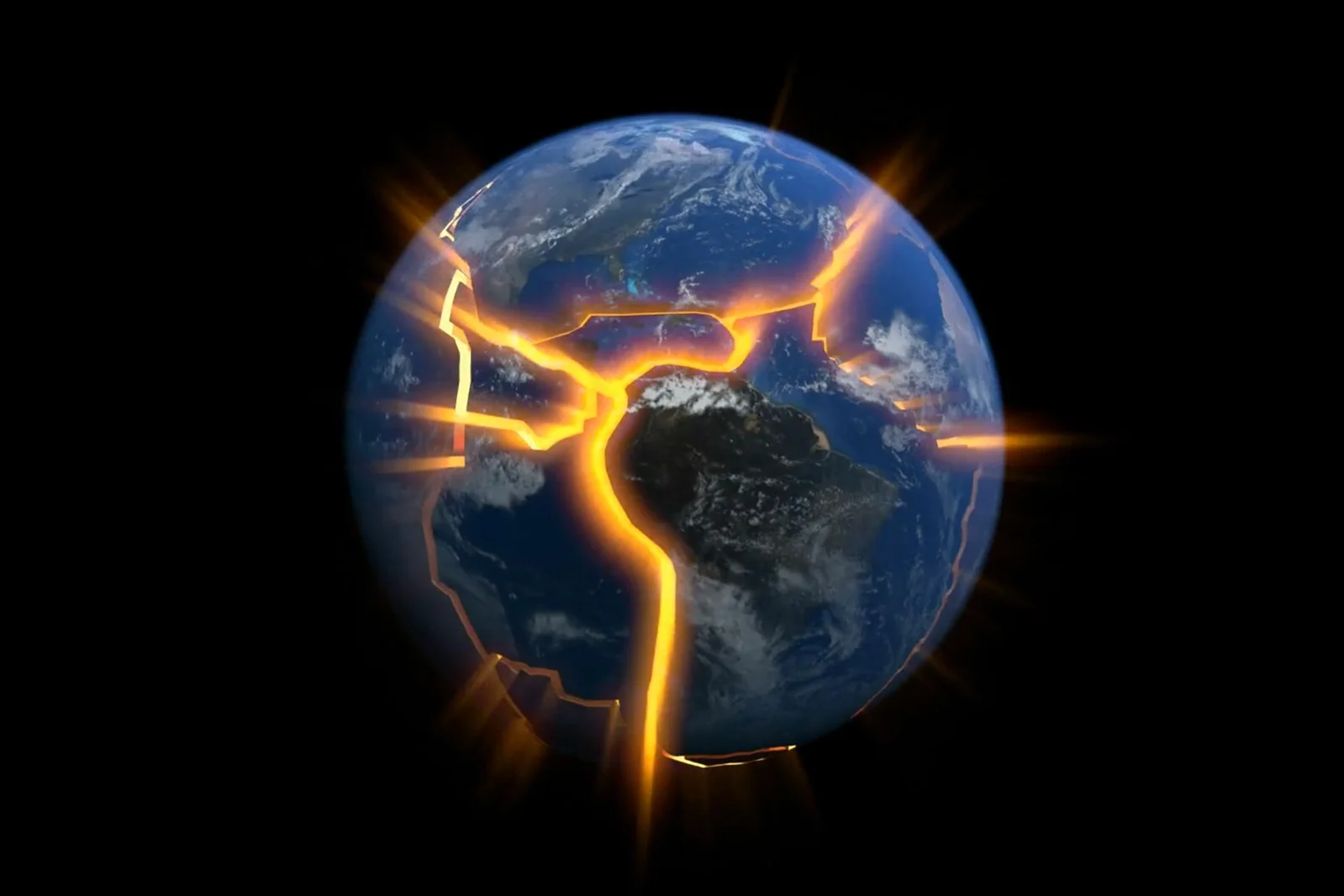
New analysis of the Cascadia subduction zone reveals that one of the tectonic plates is tearing itself apart, indicating a gradual end to this subduction process, which is part of Earth's natural geological cycle. Using seismic imaging, scientists observed faults and fractures suggesting the plate is slowly breaking into smaller microplates, akin to a train derailing gradually, rather than a sudden catastrophe.

Massive Sections of North Sea Seafloor Discovered Upside Down, Shaking Earth Science
science7 months ago

Massive Sections of North Sea Seafloor Discovered Upside Down, Shaking Earth Science

Scientists have discovered large sections of the North Sea seafloor are flipped upside down due to a rare geological process called stratigraphic inversion, involving dense sand layers sinking into lighter sediments, which could impact understanding of subsurface stability and fluid migration. The process, estimated to have occurred around 5.3 million years ago, was revealed through seismic imaging and may influence future geological and climate-related engineering projects.