Tag

Cascadia Subduction Zone

All articles tagged with #cascadia subduction zone

Cascadia Subduction Zone Found to Be Fracturing in Stages
science1 month ago

Cascadia Subduction Zone Found to Be Fracturing in Stages

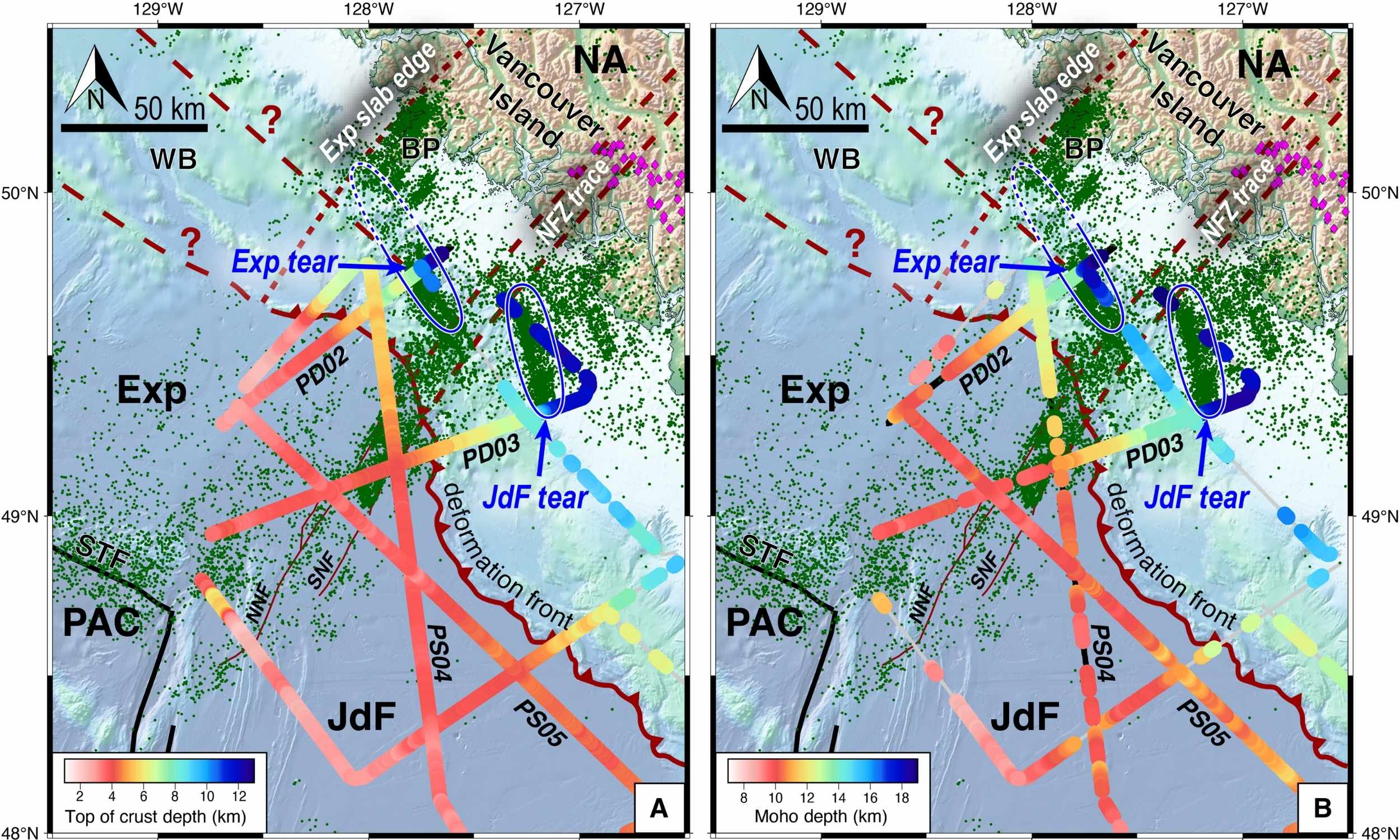
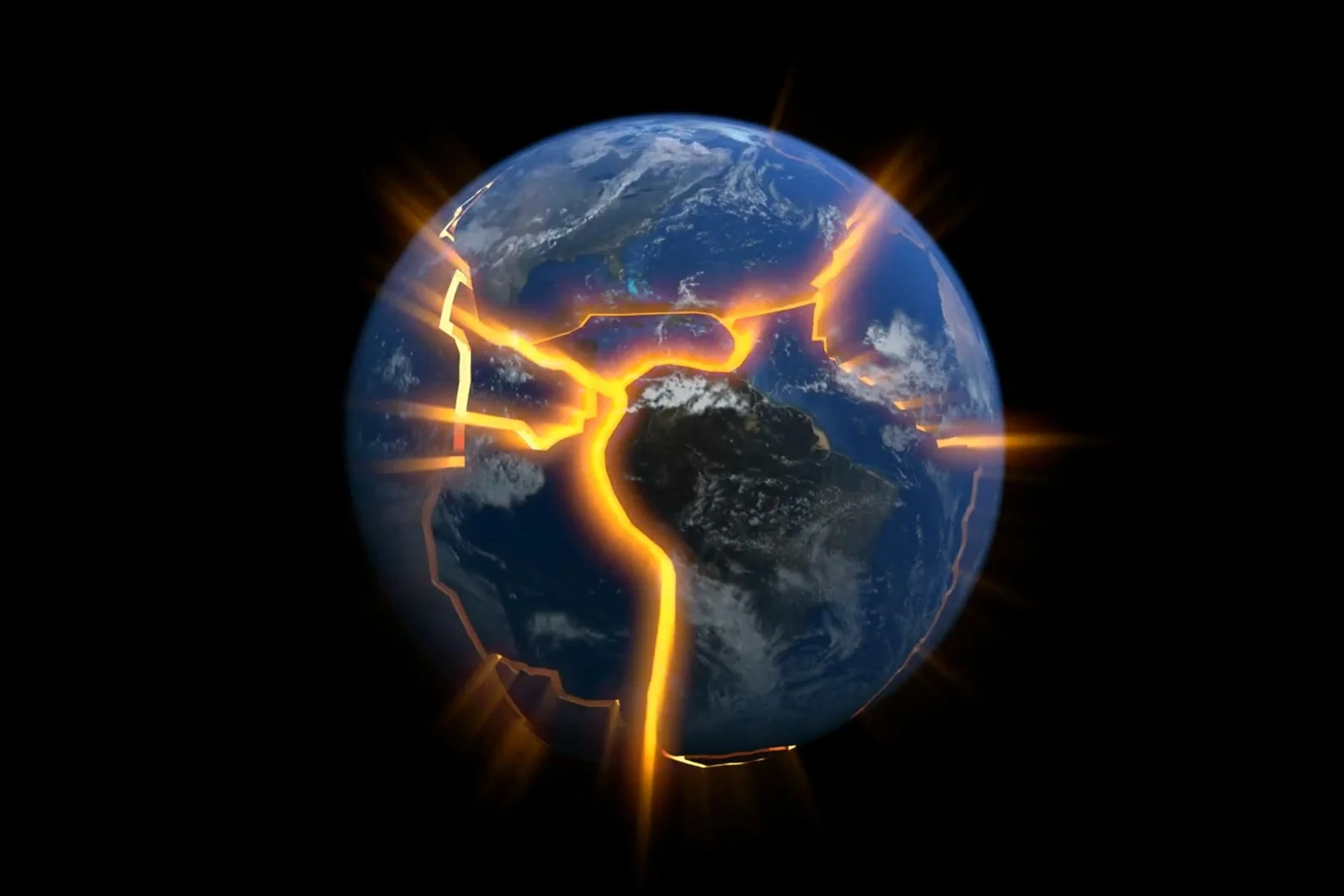
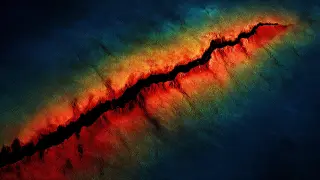
Researchers have identified active fractures in the Juan de Fuca and Explorer plates beneath the Pacific Northwest, indicating the Cascadia subduction zone is dismantling in stages rather than failing all at once. This gradual breakup, captured via seismic imaging, offers insights into how tectonic systems die and may influence future earthquake behavior, though it does not alter immediate regional hazard levels.
New Seismic Data Reveals Deeper Risks for Northern Oregon in Cascadia Quakes
science2 months ago

New Seismic Data Reveals Deeper Risks for Northern Oregon in Cascadia Quakes

Recent seismic imaging indicates the Juan de Fuca plate lies significantly shallower beneath northern Oregon than previously modeled, potentially increasing ground shaking intensity by 9 to 17 percent. Researchers also identified a sedimentary basin under Tillamook that could trap and amplify seismic waves. While the broader subduction zone is slowly fragmenting, these findings suggest future megathrust earthquakes may cause more severe damage to structures in the region.

Hidden fault puzzle revealed by whisper-quiet quakes off Northern California
science10 months ago

Hidden fault puzzle revealed by whisper-quiet quakes off Northern California

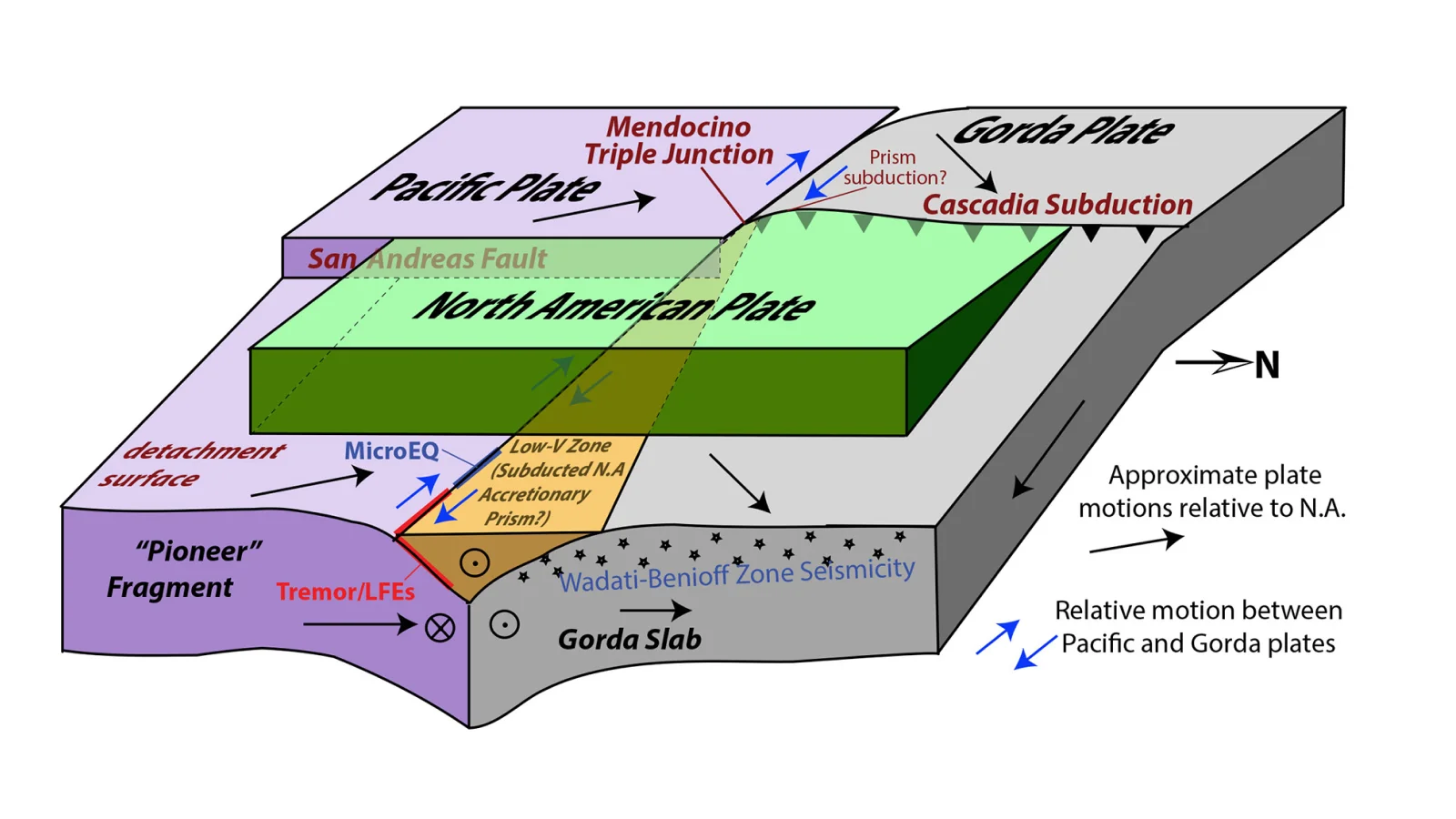
Scientists using a dense seismometer network tracked ultra-small, low-frequency earthquakes offshore to map a five-piece fault system where the San Andreas fault meets the Cascadia subduction zone, including a deep Pioneer fragment from the Farallon plate, which helps explain the unusually shallow 1992 quake and challenges prior boundary models; the work, published in Science, improves understanding of seismic hazards in this complex region.

Tiny Quakes Reveal a Hidden Five-Piece Subduction Puzzle Under Northern California
science10 months ago

Tiny Quakes Reveal a Hidden Five-Piece Subduction Puzzle Under Northern California

Scientists using a dense array of seismometers tracked tiny, often imperceptible earthquakes to map five moving tectonic pieces beneath Northern California, including hidden fragments of the North American and Pioneer/Farallon blocks. The study refines the subduction-zone model around the Mendocino Triple Junction, explains a shallower-than-expected 1992 earthquake, and has implications for seismic hazard assessment along the Cascadia and San Andreas regions.

Hidden plate fragment shifts quake risk at Mendocino junction
planet-earth10 months ago

Hidden plate fragment shifts quake risk at Mendocino junction

A long-lost oceanic plate fragment called the Pioneer Fragment is now stuck to the Pacific Plate at the Mendocino triple junction, moving northwest under North America and interacting with the Gorda Plate, increasing contact with the Cascadia subduction zone and potentially adding a previously unmodeled fault to regional earthquake risk models.

Pacific Ocean Crust Splitting Sparks Tectonic Shift and Seismic Concerns
science1 year ago

Pacific Ocean Crust Splitting Sparks Tectonic Shift and Seismic Concerns

Scientists have discovered that a section of the oceanic crust beneath Vancouver Island is gradually breaking apart, providing direct evidence that subduction zones can disintegrate progressively rather than collapsing suddenly, which may influence future seismic risk assessments and our understanding of Earth's geological processes.

"Tsunami Sands Enhance Accuracy of Cascadia Earthquake Models"
science2 years ago

"Tsunami Sands Enhance Accuracy of Cascadia Earthquake Models"

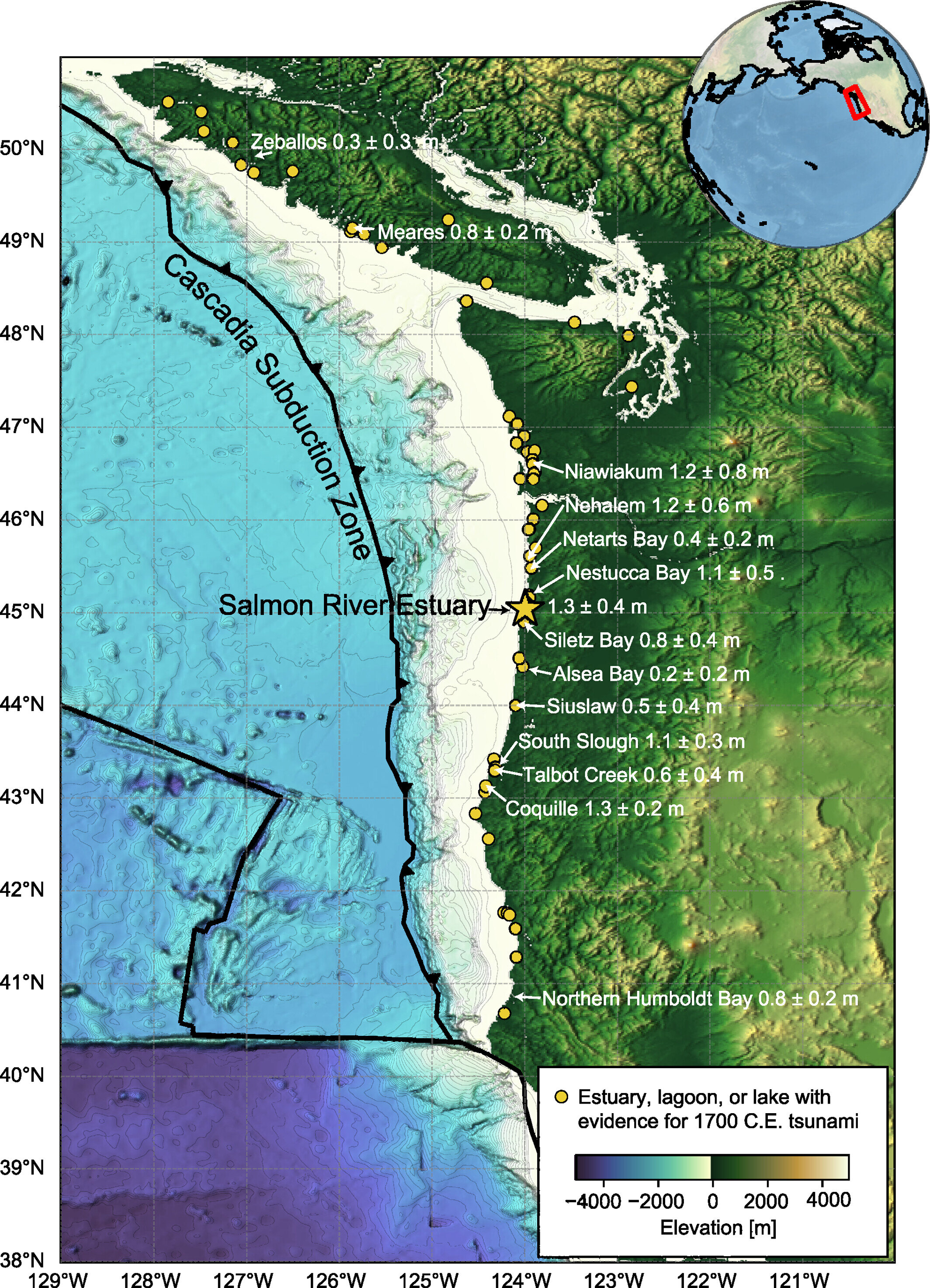
Scientists have used sediment cores and the Delft3D-FLOW model to test various earthquake models of the 1700 Cascadia event, finding that the earthquake likely caused at least 0.8 meters of subsidence and about 12 meters of fault slip. This study provides new constraints on the earthquake's size and offers insights into using tsunami deposit mapping and sediment transport models to better understand past and future seismic events.

"FEMA's Oversight: Neglecting Northwest's Tsunami Risk Analysis"
natural-disasters2 years ago

"FEMA's Oversight: Neglecting Northwest's Tsunami Risk Analysis"

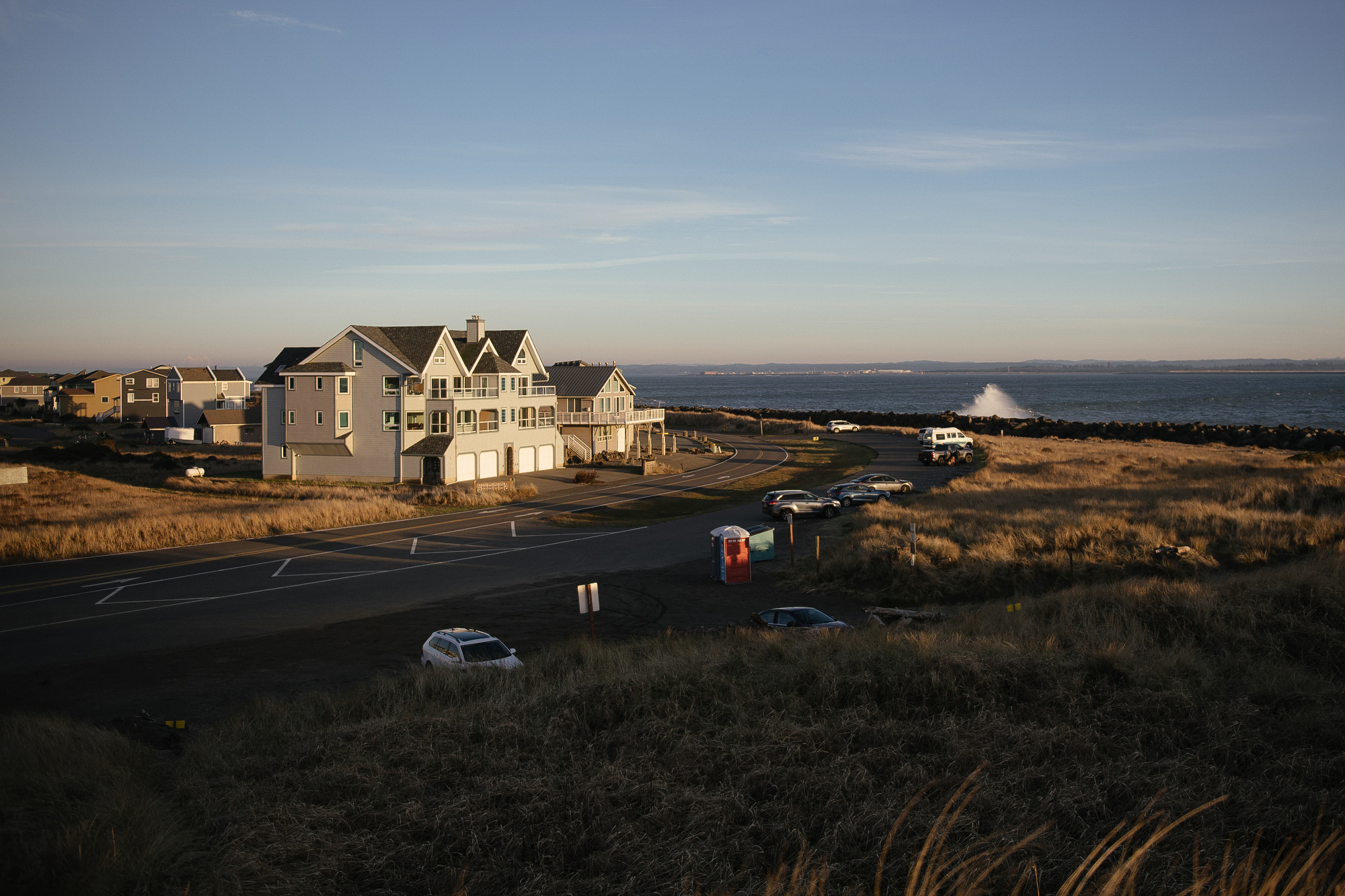
The National Risk Index (NRI), a federal tool used to assess disaster risks and allocate funding, is failing to accurately account for the tsunami threat along the Cascadia Subduction Zone in the Pacific Northwest. The NRI assigns low or moderate tsunami risk ratings to areas that are projected to be severely impacted by tsunamis, putting vulnerable communities at risk. The index's flawed designations and data gaps have raised concerns among emergency managers and planners who rely on accurate risk assessments to prioritize disaster preparation and mitigation efforts. The discrepancies in the NRI's ratings highlight the need for improved tools and localized risk assessments to protect communities from the devastating impact of natural disasters.

Uncovering the Cascadia Fault's Potential for Deadly Quakes.
science3 years ago

Uncovering the Cascadia Fault's Potential for Deadly Quakes.

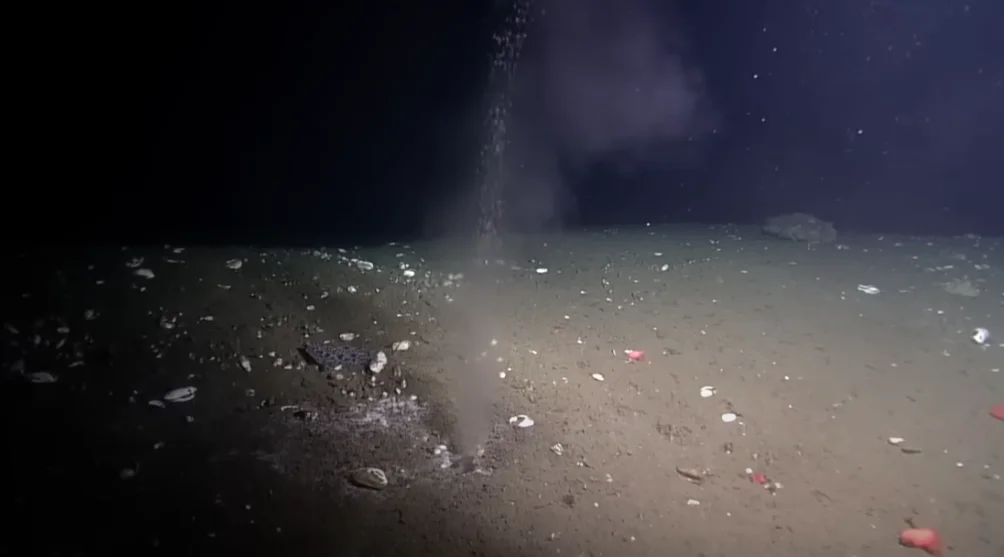
Scientists have discovered warm liquid bubbling up from the seafloor about 50 miles off the Oregon coast, providing insight into the Cascadia Subduction Zone, a fault line known for producing massive quakes every several hundred years. The discovery gives scientists a better idea of how tectonic plates lock into place between large earthquakes and could improve earthquake forecasting down the line. The last major quake to strike the fault was on Jan. 27, 1700, and scientists determined entire forests died across hundreds of miles when the coasts of what are today Washington, Oregon and northern California suddenly dropped 4–6 feet, flooding the coastline with seawater amid an incredible tsunami.

Uncovering the Cascadia Fault's Potential for Deadly Quakes.
science3 years ago

Uncovering the Cascadia Fault's Potential for Deadly Quakes.

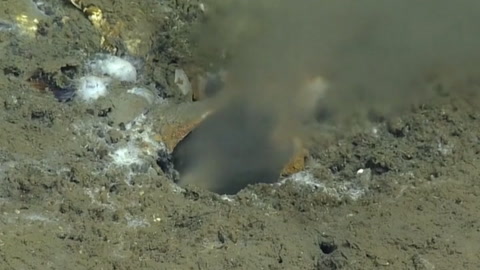
Scientists have discovered warm liquid bubbling up from the seafloor about 50 miles off the Oregon coast, providing insight into the Cascadia Subduction Zone, a fault line known for producing massive quakes every several hundred years. The discovery gives scientists a better idea of how tectonic plates lock into place between large earthquakes and could improve earthquake forecasting down the line. While the discovery doesn't forebode an imminent quake, experts warn that the Pacific Coast could experience similar destructive impacts as the 9.0 quake that struck off the coast of Japan in 2011.

Mysterious Ocean Floor Leak off Oregon Raises Concerns for 'The Big One'
science3 years ago

Mysterious Ocean Floor Leak off Oregon Raises Concerns for 'The Big One'

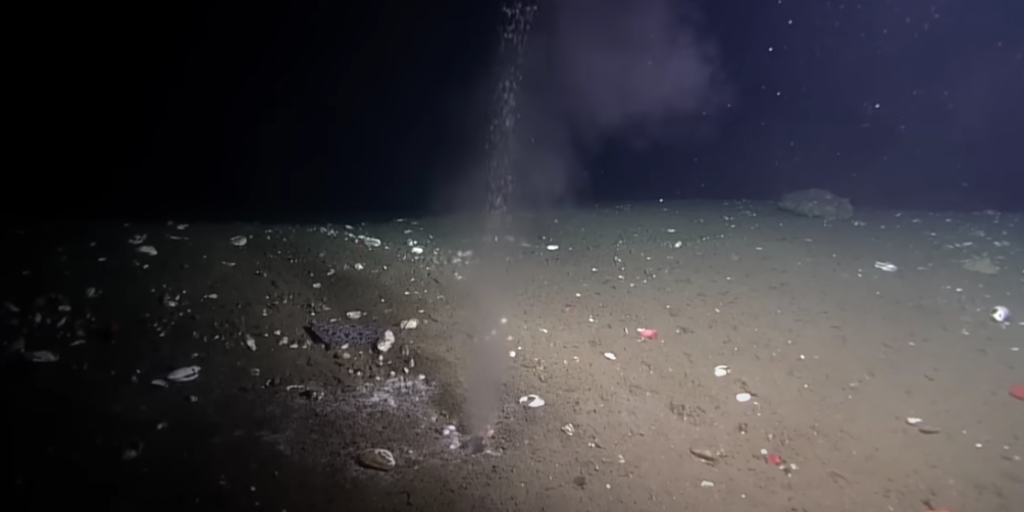
A warm liquid leak, called Pythia's Oasis, has been discovered by researchers from the University of Washington off the coast of Oregon in the Cascadia Subduction Zone, an area known for earthquakes and tsunamis. The fluid released from the fault zone is like a leaking lubricant, which could increase the chance of a damaging quake. However, the discovery could give researchers more insight into this unstable region.