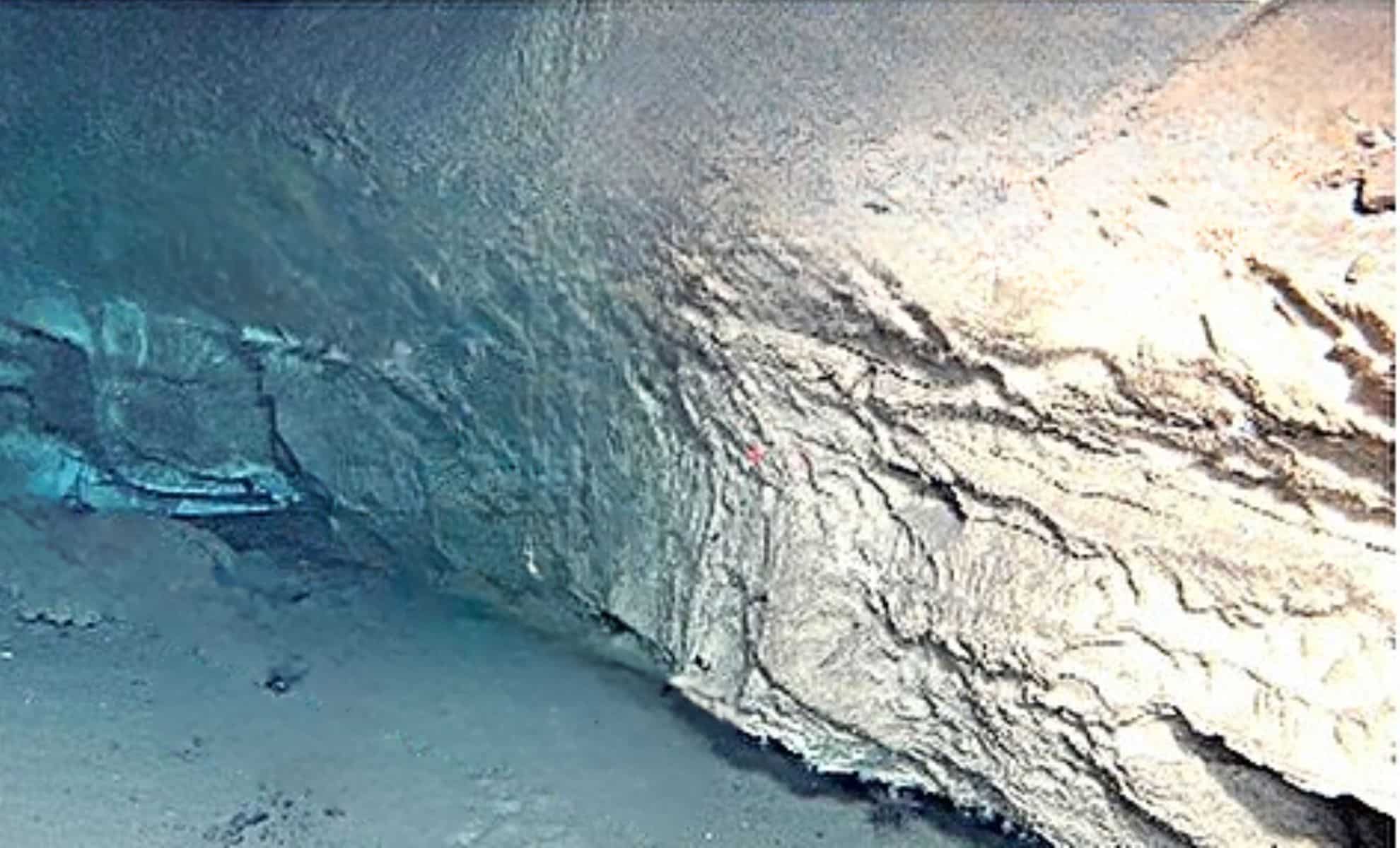
New sonar data confirms that large faults, not just volcanic magma, build parts of the ocean floor by pulling mantle rock to the surface, creating structures known as oceanic core complexes.
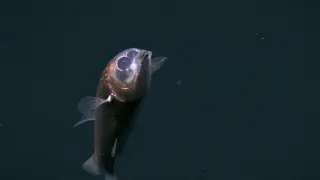
Researchers using the ROV SuBastian and AUV The Childlike Empress aboard the Falkor captured the first in-situ footage of the twilight-zone barreleye Winteria telescopa at 710 m depth in the Atlantic's Doldrums region, and documented two new serpentinization-linked hydrothermal fields around 4,000 m, revealing active deep-sea life and offering clues about life in extreme environments and on other worlds; findings to be published.
Scientists mapped a global network of hydrogen-rich waters trapped deep in Precambrian shield rocks and identified two reactions— radiolytic breakdown of water and serpentinization—that generate hydrogen, providing a long-lasting energy source for microbes isolated from the surface. Studied across 19 mines in Canada, South Africa, and Scandinavia, the hydrogen output may rival marine systems, suggesting a vast, enduring subsurface biosphere and reshaping ideas about Earth's habitable volume and the search for life on Mars.
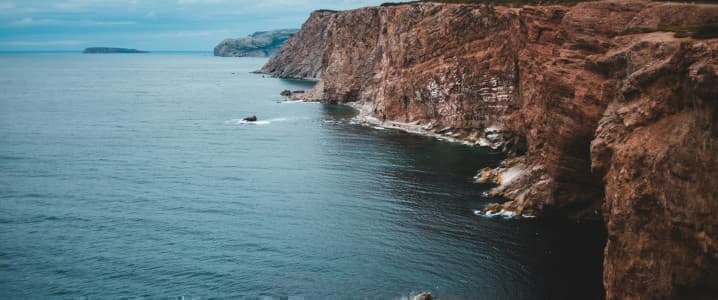
The article discusses how Newfoundland's ophiolite formations could be harnessed to produce low-cost 'white' hydrogen and permanently sequester CO2 through natural geological processes like serpentinization, offering a promising and scalable decarbonization solution for heavy industry, supported by growing markets and technological advancements.
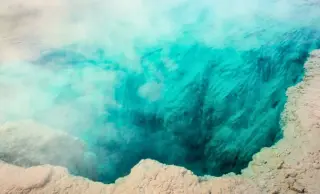
Scientists discovered a massive hydrogen-producing hydrothermal system beneath the Pacific Ocean's seafloor, called the Kunlun hydrothermal field, which challenges traditional views on hydrogen generation and offers insights into deep-sea ecosystems, Earth's internal processes, and potential sustainable energy sources.