Tag

Single Atom Catalysts

All articles tagged with #single atom catalysts

Copper Single-Atom Catalyst Enables Recyclable, Selective N-Demethylation Under Visible Light
science-and-technology3 months ago

Copper Single-Atom Catalyst Enables Recyclable, Selective N-Demethylation Under Visible Light

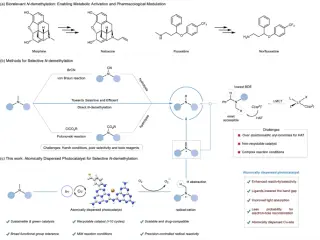
Researchers have developed a noble-metal-free, recyclable photocatalyst consisting of atomically dispersed copper sites on functionalized graphitic carbon nitride (Cu@f-gC3N4). This system enables the selective N-demethylation and N-dealkylation of tertiary amines under 390 nm light and an oxygen atmosphere. The catalyst achieves high yields for pharmaceutically relevant substrates, is scalable to 10 mmol, and retains activity over more than ten reuse cycles. Mechanistic studies confirm a photoredox pathway involving amine oxidation, superoxide formation, and hydrolysis, offering a sustainable alternative to traditional methods that rely on toxic reagents or precious metals.
Single-Atom Indium Catalyst Enables Efficient CO2-to-Methanol Conversion
science-and-technology8 months ago

Single-Atom Indium Catalyst Enables Efficient CO2-to-Methanol Conversion

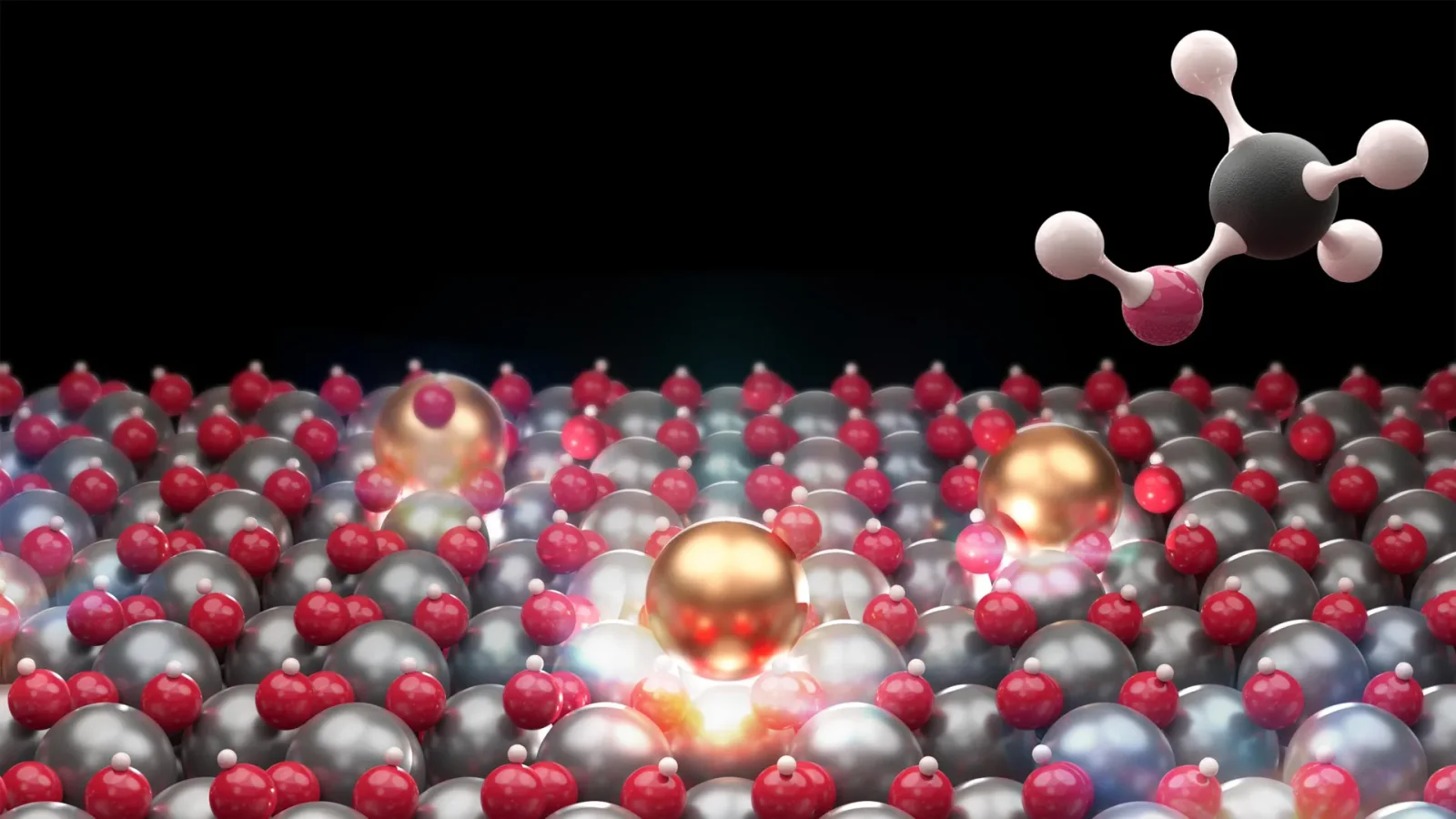
ETH Zurich researchers engineered a hafnium oxide-supported single-atom indium catalyst that dramatically lowers the energy required to convert CO2 and hydrogen into methanol, with each indium atom acting as an active site. This design offers clearer insight into reaction mechanisms, improved efficiency over nanoparticle catalysts, and durability under industrial conditions, potentially accelerating climate-friendly methanol production if powered by renewables.

Revolutionizing Cross-Coupling: Geminal-Atom Catalysis Unleashed
chemistry3 years ago

Revolutionizing Cross-Coupling: Geminal-Atom Catalysis Unleashed

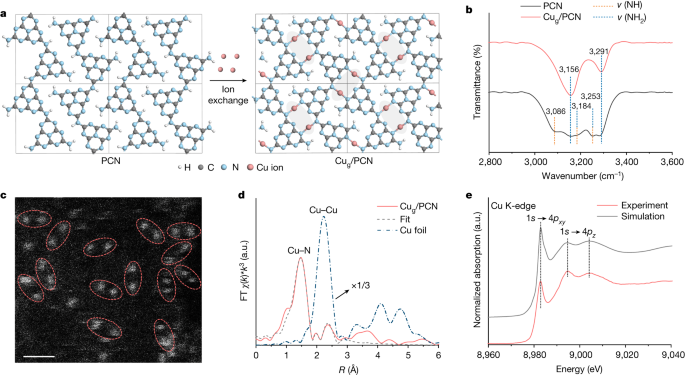
Researchers have developed geminal-atom catalysis, a new approach for cross-coupling reactions in organic synthesis. This method bridges the gap between homogeneous and heterogeneous catalysis by utilizing heterogeneous single-metal-site catalysts. Geminal-atom catalysis offers potential advantages such as improved selectivity, recyclability, and scalability, making it a promising tool for sustainable organic synthesis. The data for this study are available in the manuscript and supplementary information, as well as in the Zenodo repository.