Tag

Skin Biology

All articles tagged with #skin biology

Male Hormones Accelerate Skin Stem Cell Differentiation, Slowing Wound Healing Compared to Females
science1 month ago

Male Hormones Accelerate Skin Stem Cell Differentiation, Slowing Wound Healing Compared to Females

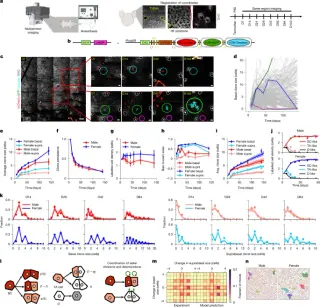
Researchers at Nature have identified a fundamental sexual dimorphism in the dynamics of epidermal stem cells, revealing that male and female skin operate under distinct regulatory mechanisms. Using long-term intravital time-lapse imaging of mouse ear skin, the study confirms a two-compartment model where stem cells and transit-amplifying cells function hierarchically. Crucially, female mice exhibit highly synchronized cell division and delamination, leading to faster wound closure. In contrast, male skin shows less coordination, driven by androgens that promote rapid differentiation and loss of basal cells. Castration in males restores female-like coordination, while ovariectomy in females eliminates it, proving that sex hormones, not just chromosomal factors, dictate these differences. This discovery resolves previous conflicts in epidermal biology models and highlights why female skin heals wounds more rapidly than male skin.
"Vitamin A's Crucial Role in Stem Cell Biology, Wound Healing, and Cancer Development"
health2 years ago

"Vitamin A's Crucial Role in Stem Cell Biology, Wound Healing, and Cancer Development"

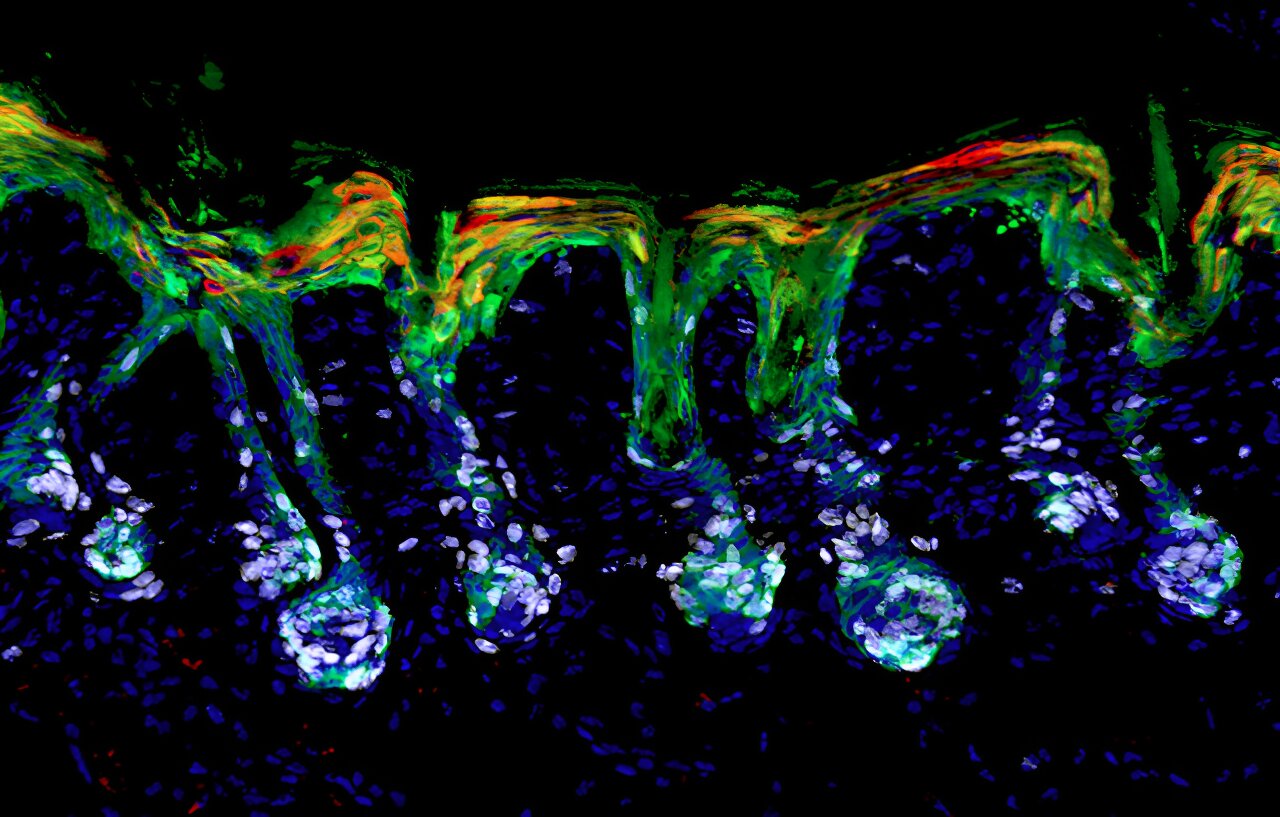
New research suggests that retinoic acid, the biologically active form of Vitamin A, plays a crucial role in regulating lineage plasticity in stem cells, particularly in the context of wound repair and hair regeneration. The study found that retinoic acid is essential for stem cells to exit lineage plasticity and differentiate into hair or epidermal cells, with implications for understanding skin and hair disorders, as well as potential applications in cancer treatment. The findings shed light on the complex role of Vitamin A in orchestrating stem cell lineage choices and have the potential to transform the study of hair biology and improve prognoses for certain types of cancer.