
Skip the Squeeze: Home Blackhead Removal Risks Skin Damage
Popping blackheads can trigger a dopamine release, but dermatologists warn against at‑home extractions because they can damage the skin; the article advises avoiding DIY popping.

All articles tagged with #skin damage
Popping blackheads can trigger a dopamine release, but dermatologists warn against at‑home extractions because they can damage the skin; the article advises avoiding DIY popping.

A US woman who slept on a heating pad for years developed Toasted Skin Syndrome, a mottled red-brown skin pattern caused by prolonged low-grade heat. Doctors warn ongoing heat exposure can alter skin cells, sometimes lasting after the heat is removed and, in rare cases, may raise cancer risk; the piece also highlights safer winter heating practices.
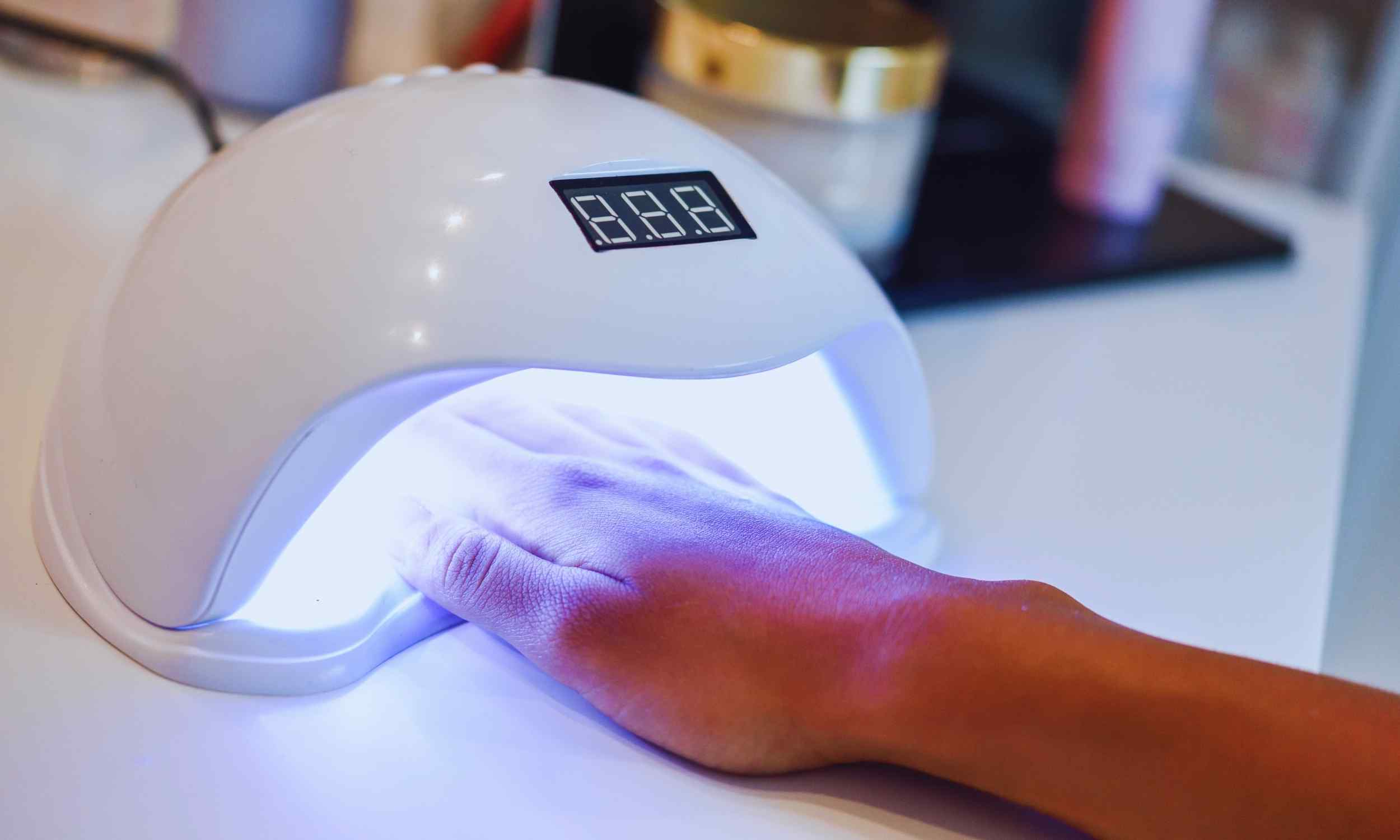
A recent study reveals that UV and near-UV lamps used in gel manicures can chemically damage skin molecules, including enzymes like tyrosinase, leading to increased oxidative stress, potential skin aging, and higher skin cancer risk. The lamps emit UVA radiation comparable to sunlight, and repeated exposure may cause cumulative skin damage, emphasizing the need for protective measures and regulatory standards.
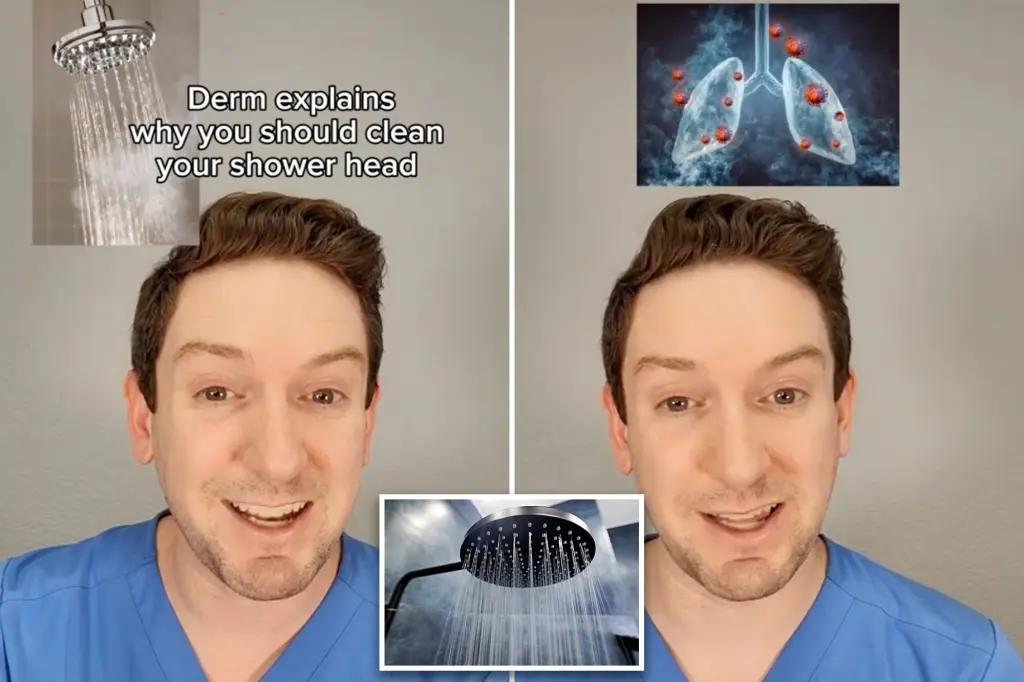
Dr. Scott Walter, a dermatologist, warns that unclean shower heads can harbor biofilms, which are bacterial colonies that can cause skin conditions and respiratory issues. These biofilms cannot be removed with gentle rinsing and can be aerosolized during showers, potentially affecting the lungs and skin. Immune-compromised individuals should be particularly cautious. Walter recommends cleaning shower heads regularly with white vinegar to eliminate bacteria. The revelation has shocked many TikTok users, who now have another item to add to their cleaning routine.
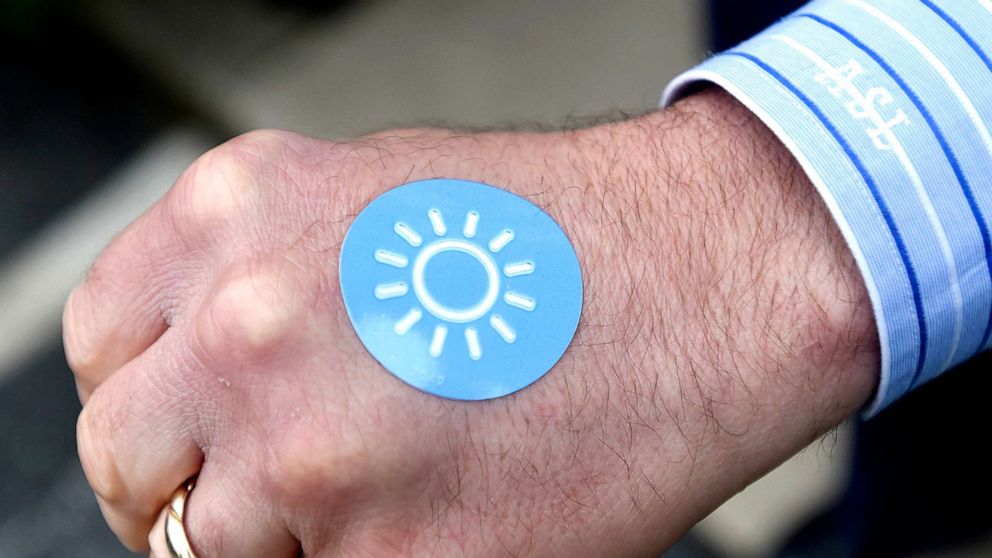
UV detection stickers are trending as a tool to encourage sunscreen reapplication, but research shows mixed results. While users are more likely to reapply sunscreen when using these wearable sensors, the stickers do not reduce overall sunburn rates. Studies have found that the use of UV sensors increases sunscreen usage but may discourage wearing long-sleeved sun protective clothing. Dermatologists recommend using UV stickers as a reminder to reapply sunscreen but not as a substitute for other sun protection measures like UPF 50+ fabrics.

Sunscreen is not only effective in preventing sunburns and skin cancer, but it is also the best skincare product for slowing signs of aging caused by the sun's ultraviolet rays. UV rays damage the skin by causing DNA mutations, hyperpigmentation, and breakdown of collagen and elastin. By consistently using sunscreen, it may be possible to diminish the appearance of wrinkles over time and reduce skin aging. Sunscreen works by blocking UV rays from reaching and penetrating the skin, and it is important to choose a broad-spectrum sunscreen with SPF 50 or higher that is applied daily.

A Massachusetts dermatologist emphasizes that there is no such thing as a healthy tan, as tanning is a result of DNA damage to skin cells. While a little bit of sun is safe, it is crucial to always wear sunscreen and practice sun protection. Spray tans using DHA (dihydroxyacetone) are considered a safer option, but caution should be taken to avoid inhalation or contact with the eyes, nose, and mouth. The most important factor in sunscreen is the active ingredients and broad spectrum, with SPF 50 being sufficient. Regular reapplication every couple of hours is necessary.
Wearing sunscreen indoors is recommended as UV rays can still penetrate glass windows and cause skin damage and premature aging. Opt for a sunscreen that’s at least SPF 30 and apply it to all areas of exposed skin including your neck and hands. Reapply every two hours and definitely re-apply sunscreen if you sweat, wash your face, or wipe your face for any reason.