Tag

Skywatching Tips

All articles tagged with #skywatching tips

NH Skies Set for Partial Solar Eclipse and Peak Perseid Show
science2 hours ago

NH Skies Set for Partial Solar Eclipse and Peak Perseid Show

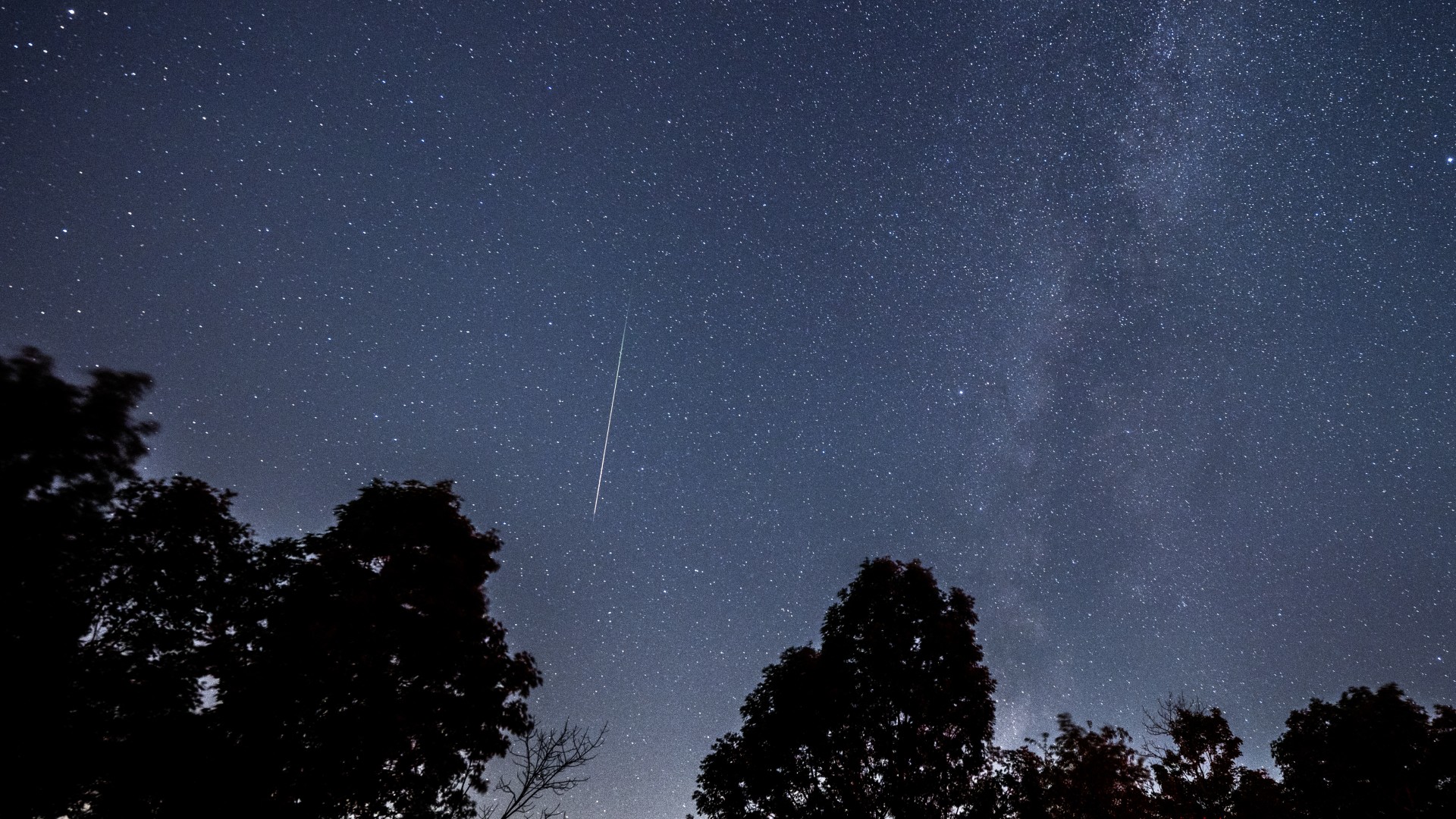
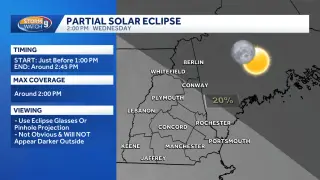
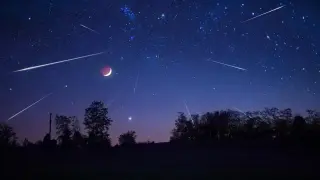
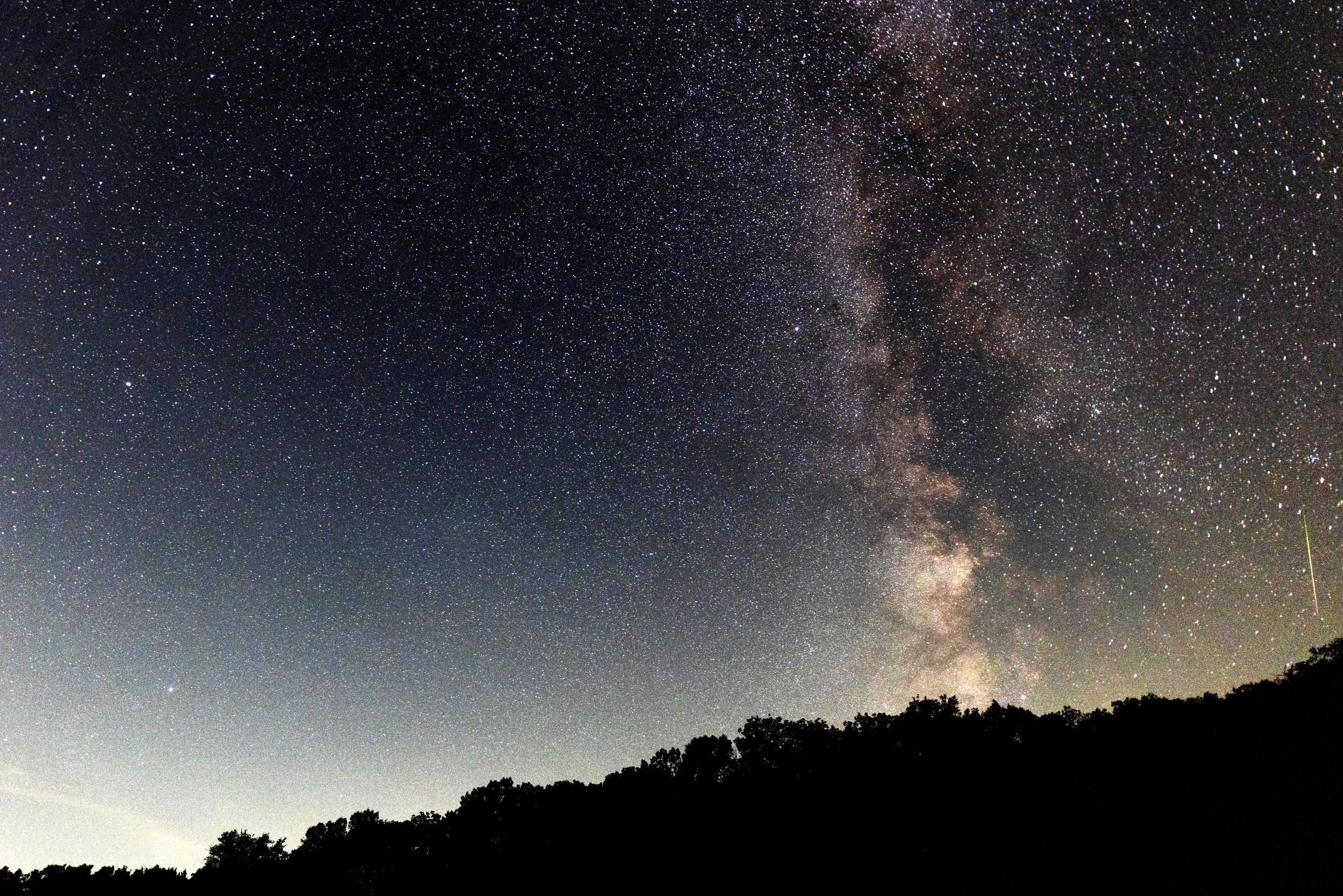
New Hampshire will see a partial solar eclipse (about 16–20% of the sun obscured) Wednesday afternoon, with viewing and eye-safety reminders. The Perseid meteor shower peaks overnight Wednesday into Thursday, aided by a new moon for darker skies and potentially dozens of meteors per hour, best viewed from a dark, open location away from city lights; clouds could affect viewing, especially around late evening to early morning.
August Skywatch Delivers Eclipses, Perseids, and Venus Glow
science5 days ago

August Skywatch Delivers Eclipses, Perseids, and Venus Glow

August offers a busy celestial lineup: a total solar eclipse visible from northern Russia, Greenland, Iceland, and northern Spain with a partial view in parts of the United States; the Perseid meteor shower peaks Aug. 12–13 under unusually dark skies due to the New Moon; Venus shines in the western sky Aug. 14–16 at its greatest eastern elongation; and a deep partial lunar eclipse occurs the night of Aug. 27–28 across the Americas, Europe, and Africa. The guide also includes safety tips for solar viewing and tips for watching the Perseids.

Perseid Meteor Shower Peaks Tonight: Viewing Tips and Highlights
science1 year ago

Perseid Meteor Shower Peaks Tonight: Viewing Tips and Highlights

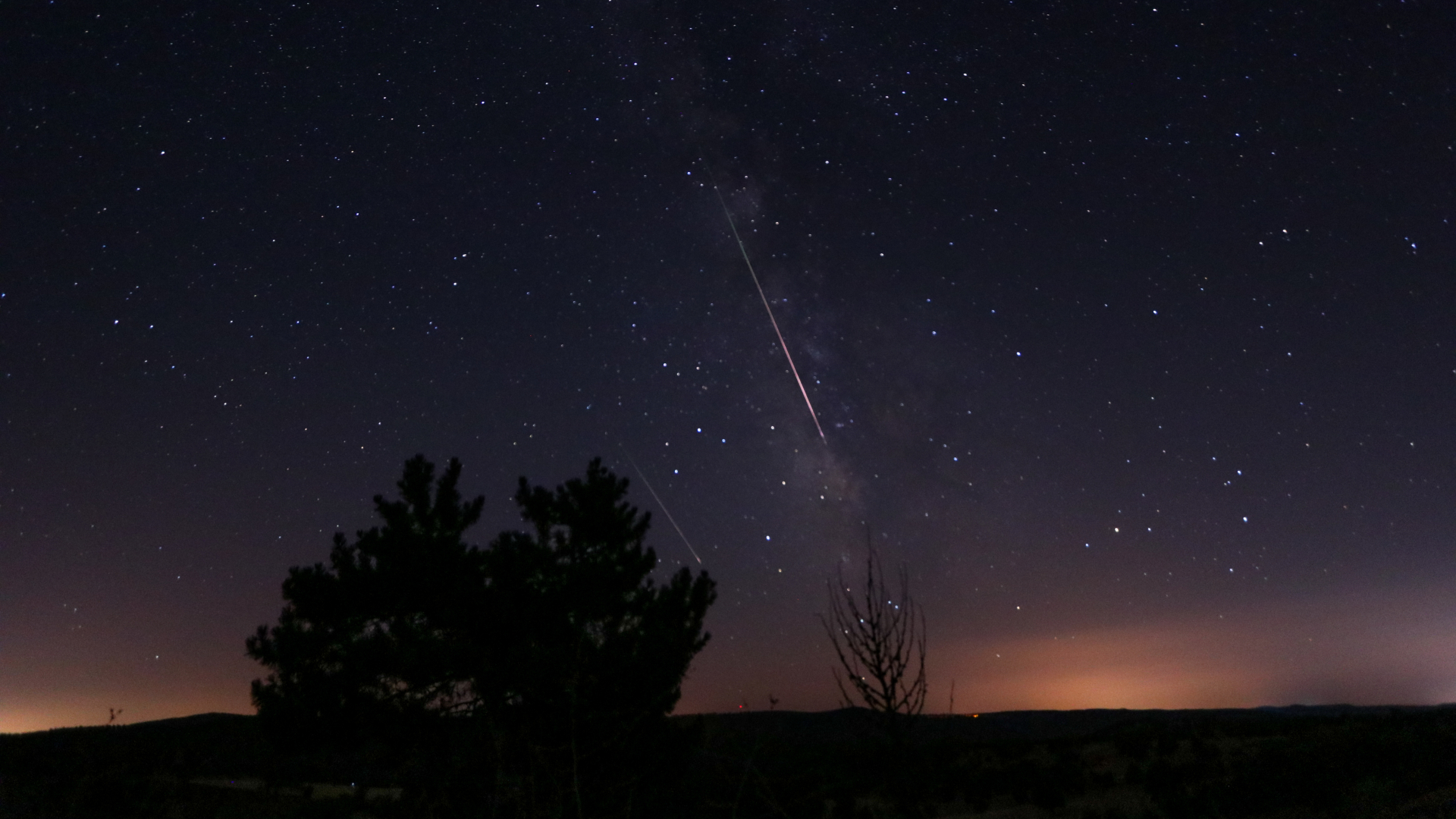
The Perseid meteor shower peaks overnight August 12-13, offering a spectacular display of up to 100 meteors per hour, visible to the naked eye or via a free online livestream by the Virtual Telescope Project. Best viewing occurs between 2 a.m. and 4 a.m. local time in dark, open skies, despite the bright moon, with bright fireballs still visible. The shower originates from debris left by Comet Swift-Tuttle, which poses no threat to Earth in the foreseeable future.

Perseid Meteor Shower Peak Approaching Amid Moonlight Challenges
science1 year ago

Perseid Meteor Shower Peak Approaching Amid Moonlight Challenges

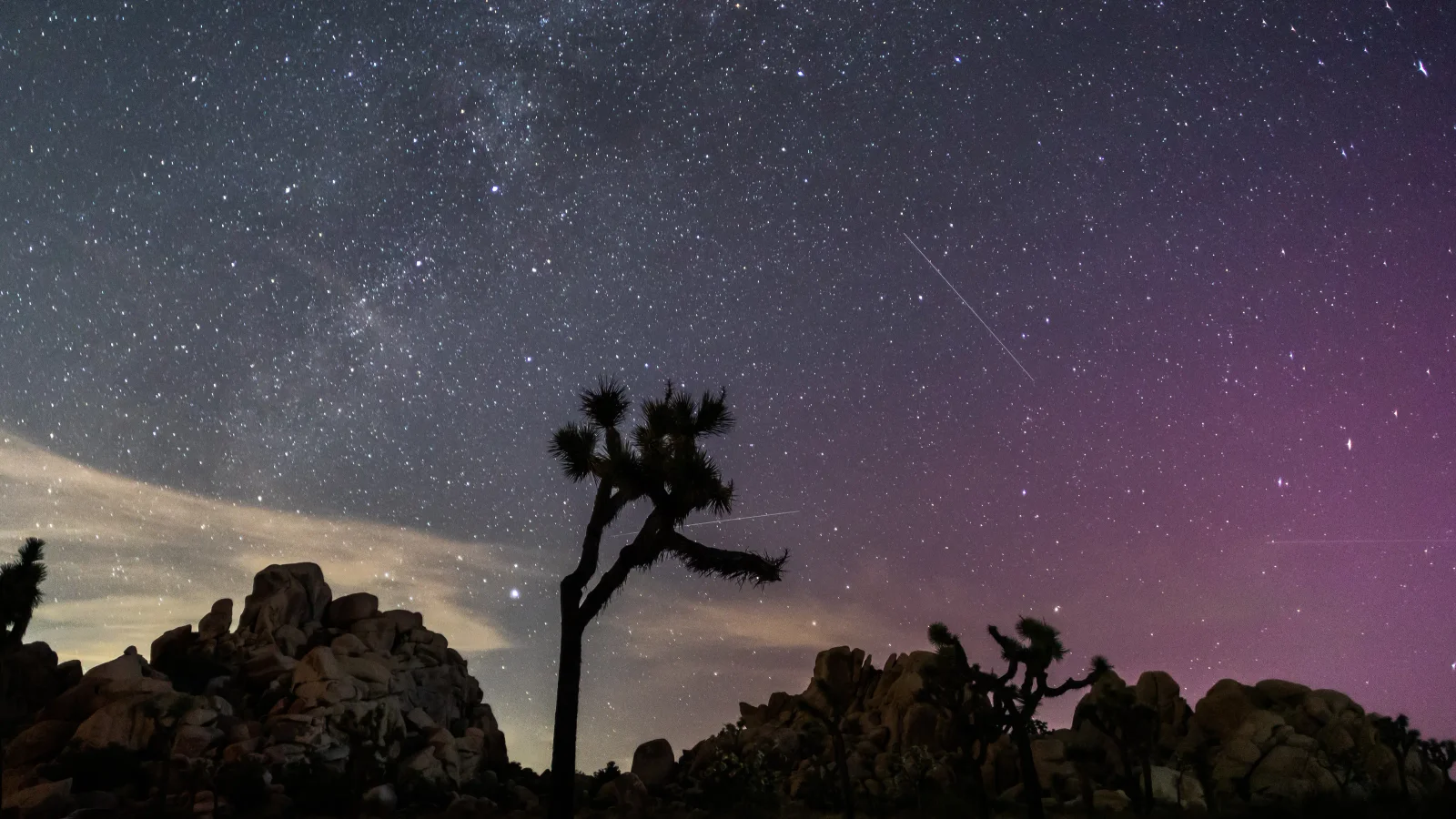
The Perseid meteor shower, considered the best of the year with up to 100 meteors per hour, is peaking around August 12-13, but viewing may be hampered by an almost full moon and cloud cover, making only the brightest meteors visible. Tips for viewing include finding dark, high-altitude locations and minimizing light pollution. The meteors originate from comet Swift-Tuttle and are named after the constellation Perseus.

Perseid Meteor Shower: Your Guide to the Best Viewing This Summer
science1 year ago

Perseid Meteor Shower: Your Guide to the Best Viewing This Summer

The Perseid meteor shower, a highlight of summer skywatching, is hampered this year by the moon, but observers can still enjoy four other minor meteor showers (Delta Aquarids, Alpha Capricornids, Eta Eridanids, Kappa Cygnids) between July 29 and August 16, with the best viewing conditions before midnight and in dark skies. These showers offer a variety of meteors in different colors and speeds, providing a rewarding experience for sky enthusiasts.