Tag

Eye Safety

All articles tagged with #eye safety

When glasses run out: safe DIY eclipse viewing tricks
health9 days ago

When glasses run out: safe DIY eclipse viewing tricks

With eclipse glasses scarce, the article outlines safe DIY projection methods to view the Sun: poke a pinhole in cardboard to project an image on paper, or create a simple box with a foil aperture, and even use tree leaves' dappled light or a kitchen colander to cast Sun images. These tricks let you watch the eclipse safely without looking directly at the Sun, and have NASA approval; avoid unfiltered filters, CDs/DVDs, or stacking sunglasses, and remember to keep your back to the Sun.

2026 Solar Eclipse: Moon Blots the Sun Across Europe and North America
science12 days ago

2026 Solar Eclipse: Moon Blots the Sun Across Europe and North America

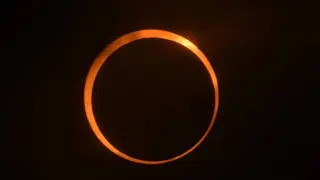
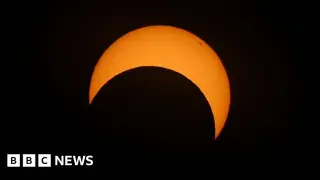
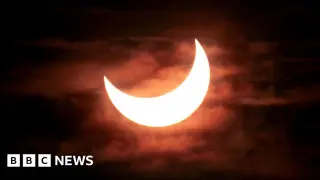
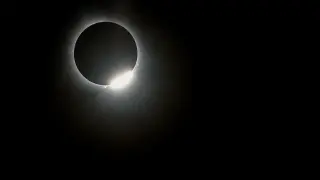
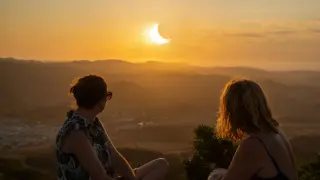
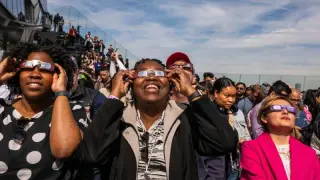
Photo-rich coverage of the August 12, 2026 total solar eclipse shows the Moon blotting the Sun in Greenland, Iceland, northern Russia, Spain and parts of Portugal, while a partial eclipse shaded the northern US, Canada and much of Europe; spectators used protective glasses and viewing devices as photographers captured moments like the diamond ring at totality.

Partial eclipse arrives for Michigan as totality shadows distant skies
local13 days ago

Partial eclipse arrives for Michigan as totality shadows distant skies

Michigan will see a partial solar eclipse on Wednesday, while totality will be visible in far-northern regions like parts of Russia, Greenland, Iceland, Spain and Portugal. In Detroit, the partial event runs 1:03–2:08 p.m. with a peak around 3% coverage at 1:36 p.m. Viewers should use proper eye protection; NASA will stream the eclipse live starting at 1:15 p.m. ET at nasa.gov/live.

Detroit to catch a brief partial solar eclipse Wednesday
science13 days ago

Detroit to catch a brief partial solar eclipse Wednesday

Metro Detroit and nearby Michigan cities will see a partial solar eclipse Wednesday afternoon, with Detroit at about 3% sun coverage from roughly 1:03 to 2:08 p.m. ET (peak near 1:36 p.m.). Alaska will have the highest U.S. coverage, while viewers are reminded not to look directly at the sun and to use solar filters or certified eclipse glasses. NASA will stream the event starting at 1:15 p.m. ET.

UK partial eclipse draws crowds as astronomers chase totality abroad
science13 days ago

UK partial eclipse draws crowds as astronomers chase totality abroad

Eastern England will experience a partial solar eclipse with up to about 90% of the Sun obscured, prompting watch parties from Northampton to Suffolk as observers seek clear skies; some Cambridge astronomers are traveling to Spain or the Faroe Islands to see totality. The event runs roughly 18:15–20:00 BST, peaking around 19:12, and viewers are urged to wear certified eclipse glasses or use safe alternatives like a pinhole projector. The UK will have ESA livestream coverage on YouTube, and after sunset the Perseid meteor shower may be visible; total solar eclipse in the UK won’t occur again until 2090.

Space Mirrors May Light Up Nights, Prompting Eye-Safety Alarm
science13 days ago

Space Mirrors May Light Up Nights, Prompting Eye-Safety Alarm

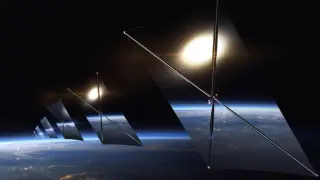
A California startup, Reflect Orbital, won FCC approval to test Earendil-1, a prototype satellite that deploys a large reflector to bounce sunlight onto a designated area up to about 3 miles (5 km) across. While the project aims to demonstrate space-based lighting, experts warn the reflected light could damage eyes and disrupt astronomical viewing, prompting environmental groups to call for transparency and environmental review before any broader deployment.

NH Skies Set for Partial Solar Eclipse and Peak Perseid Show
science14 days ago

NH Skies Set for Partial Solar Eclipse and Peak Perseid Show

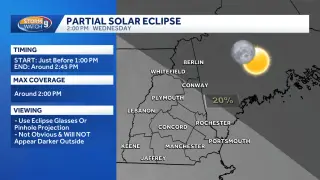
New Hampshire will see a partial solar eclipse (about 16–20% of the sun obscured) Wednesday afternoon, with viewing and eye-safety reminders. The Perseid meteor shower peaks overnight Wednesday into Thursday, aided by a new moon for darker skies and potentially dozens of meteors per hour, best viewed from a dark, open location away from city lights; clouds could affect viewing, especially around late evening to early morning.

Wales Gears Up for a Spectacular Partial Solar Eclipse
science14 days ago

Wales Gears Up for a Spectacular Partial Solar Eclipse

Wales will have a prime view of a dramatic partial solar eclipse on Wednesday, with more than 90% of the Sun obscured across much of the country. The event runs from about 18:10 BST to 20:06 BST, peaking around 19:13 in Cardiff, and Pembrokeshire and other spots offer excellent views with clear western horizons. Observers are urged to wear eclipse glasses or use indirect viewing methods, as looking directly at the Sun can cause eye damage. The next full UK eclipse isn't due for another 66 years.

UK set for its strongest partial solar eclipse since 1999
science14 days ago

UK set for its strongest partial solar eclipse since 1999

Britons will witness their strongest partial solar eclipse since 1999, with up to 96% of the Sun obscured and peak viewing around 18:58–19:15 BST depending on location; totality will be visible in parts of Spain and other regions, while UK weather may bring cloud cover; viewers should use certified solar glasses or safe viewing methods, and note the next UK total eclipse isn’t until 2081.

August 12: Mainland Europe’s first total solar eclipse since 1999 lights up Spain
science19 days ago

August 12: Mainland Europe’s first total solar eclipse since 1999 lights up Spain

A total solar eclipse will darken parts of northern Spain on August 12—the first time mainland Europe sees such an event since 1999. The Moon will completely cover the Sun along the path of totality (stretching from northern Russia through Greenland and Iceland to Spain and northeastern Portugal), with Spain’s total phase lasting under two minutes (about 1:48 in Burgos). Partial eclipses will be visible across much of Europe. Viewers should use ISO‑approved eclipse glasses to protect their eyes, as looking at the Sun directly can cause serious damage.

Catch the 2026 Total Solar Eclipse: Best Views in Iceland and Spain
space23 days ago

Catch the 2026 Total Solar Eclipse: Best Views in Iceland and Spain

The August 12, 2026 total solar eclipse will be best viewed from western Iceland (notably Látrabjarg) or northern Spain, where the path of totality covers more land and the weather is typically warmer; other viable spots include portions of Portugal, Russia, and Greenland, though they’re remote. North America will see only a partial eclipse, with visibility varying by location. For eye safety, look directly at the Sun only during totality using certified eclipse glasses or solar viewers, or use indirect viewing methods like a pinhole projector for the rest of the event.

Watch August’s Total Solar Eclipse Safely: Eye Protection and Viewing Tips
science25 days ago

Watch August’s Total Solar Eclipse Safely: Eye Protection and Viewing Tips

A total solar eclipse will be visible in parts of Greenland, Iceland, northern Russia, Spain, and Portugal on August 12. Safe viewing hinges on timing and proper protection: you may view directly only during totality; use ISO 12312-2 certified eclipse glasses or a handheld solar viewer (regular sunglasses won’t protect you); if you lack glasses, observe indirectly with a pinhole projector or other devices that have proper solar filters (never look through unfiltered lenses or optics); welding filters (shade 12–14) can also work, but auto-darkening helmets aren’t recommended. Glasses don’t expire if certified and should be stored safely; inspect them for damage and supervise children. Never clean with water or wipes and always put glasses on before looking at the Sun.

GLP-1 Receptor Agonists: Eye Safety Generally Reassuring Despite Rare Risks
health1 month ago

GLP-1 Receptor Agonists: Eye Safety Generally Reassuring Despite Rare Risks

A Medscape commentary from ADA 2026 reviews eye safety of GLP-1 receptor agonists, noting rare associations with nonarteritic anterior ischemic optic neuropathy (NAION) and concerns about rapid worsening of diabetic retinopathy (EWDR). Real-world data and EMA updates suggest the overall benefits of GLP-1s outweigh these small ocular risks, but clinicians should ensure up-to-date retinal screening and advise patients to report visual changes; ongoing trials (eg, FOCUS) and mixed studies on neovascular AMD yield no definitive risk signal. Clinicians are encouraged to individualize care and monitor ocular health when initiating GLP-1 therapy.