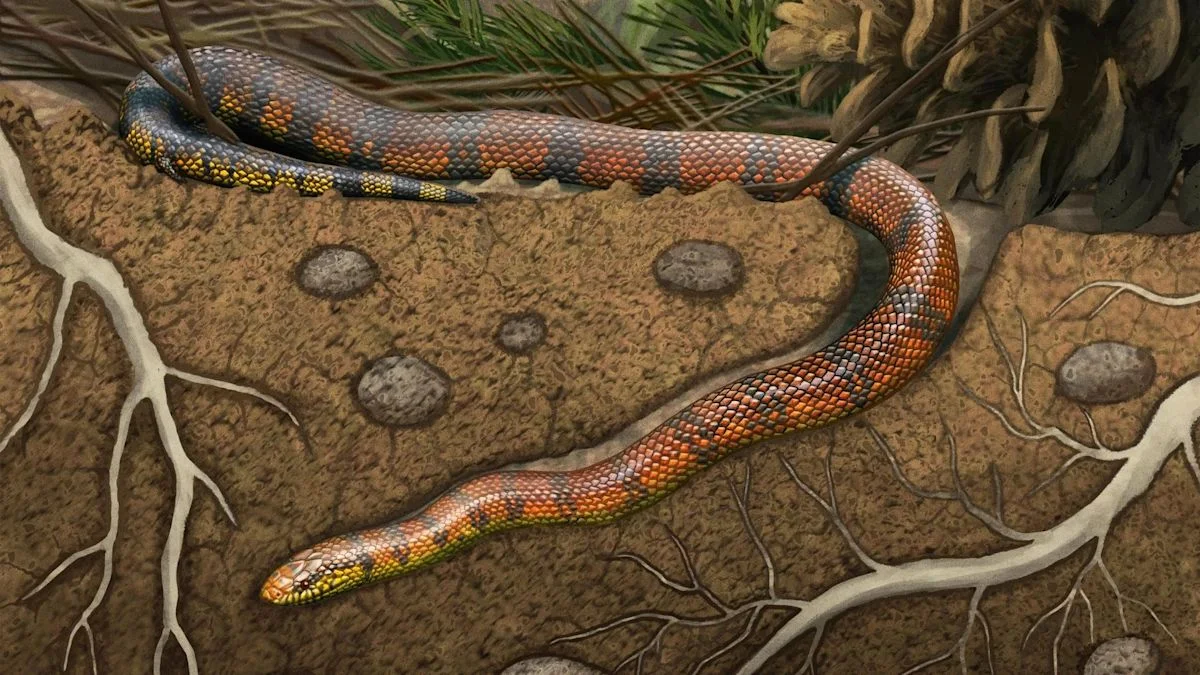
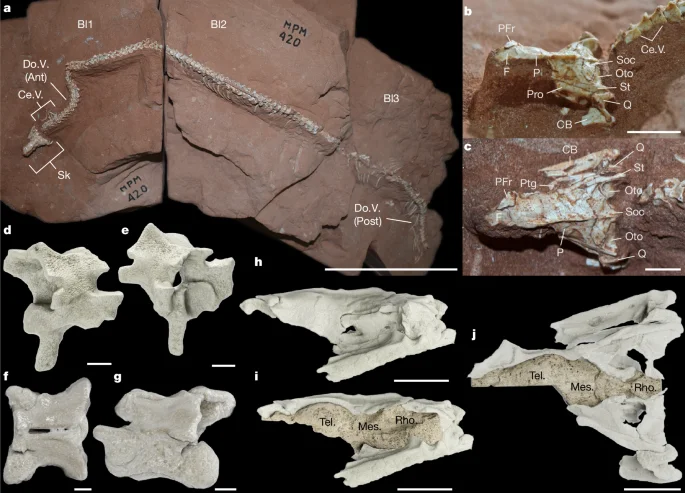
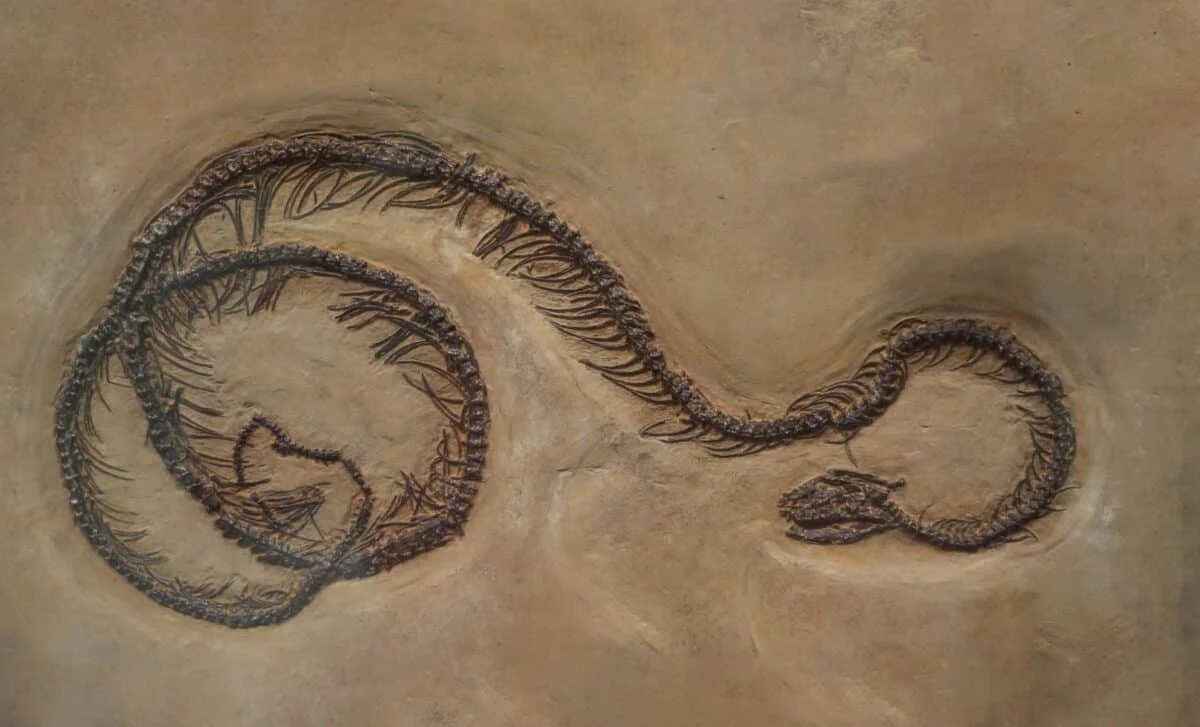
An 80-million-year-old snake fossil from Brazil, Tametara mirim, is unusually well-preserved and, with skull and brain evidence from micro-CT, indicates early snakes diversified into multiple habitats (including underground) soon after their origin, challenging a single linear narrative of snake evolution.
Researchers describe Tametara mirim, a well-preserved Late Cretaceous stem snake from Brazil, whose high‑resolution CT scans reveal a distinct brain and inner-ear morphology consistent with fossorial life. Its endocast shows mildly enlarged cerebral hemispheres and a prominent pituitary, while the inner ear exhibits features typical of burrowing snakes, contrasting with coeval Dinilysia, a non‑fossorial stem snake. Phylogenetic analyses place Tametara among the earliest snakes, closely related to Najash, supporting a Middle Jurassic origin for snakes and a Late Cretaceous crown-snake radiation. The study, integrating geometric morphometrics of brain endocasts and bone microstructure, shows substantial early neuroanatomical and ecological disparity, indicating that multiple habitat shifts (fossorial and non‑fossorial) occurred in stem and crown snakes, and that ancestral snakes were ecologically diverse rather than uniform.
A 100-million-year-old Patagonian fossil Najash rionegrina reveals that early snakes retained hind limbs for a long period and corrects a 160-year misidentification of the jugal bone, prompting researchers to rethink snake origins as stemming from large-bodied relatives rather than small burrowers and reshaping the timeline of skull and limb evolution.
A 37-million-year-old snake fossil found at England’s Hordle Cliff sat in the Natural History Museum collection for more than four decades before researchers led by Dr. Georgios Georgalis identified it as a new species, Paradoxophidion richardoweni. The tiny vertebrae suggest an early caenophidian with possible aquatic adaptations and may be the oldest known relative of elephant trunk snakes, offering fresh insight into snake evolution in the British Isles.
A set of 37-million-year-old vertebrae found in England has been identified as a new snake species, Paradoxophidion richardoweni, offering new insights into snake evolution and raising questions about its aquatic or terrestrial lifestyle, with advanced technology playing a key role in this discovery.
A new study using advanced high-speed video techniques reveals detailed differences in how various venomous snake species deliver their bites, showing that vipers strike the fastest, while elapids and colubrids have distinct striking behaviors, highlighting the evolutionary adaptations of these reptiles.
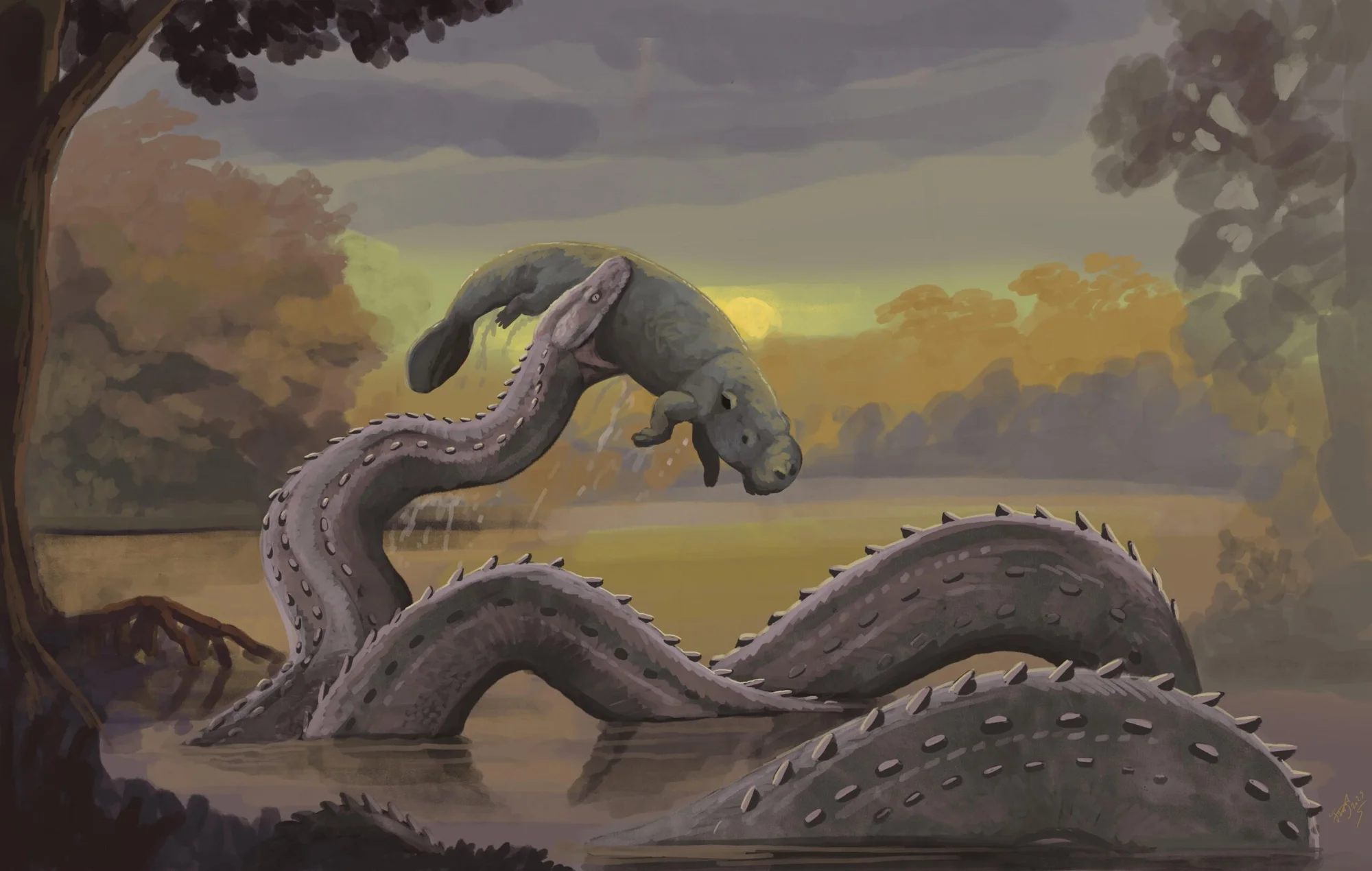
Scientists in India discovered a 50-foot-long prehistoric snake named Vasuki indicus from 47 million years ago, making it one of the largest snakes ever found and providing new insights into ancient ecosystems and snake evolution.
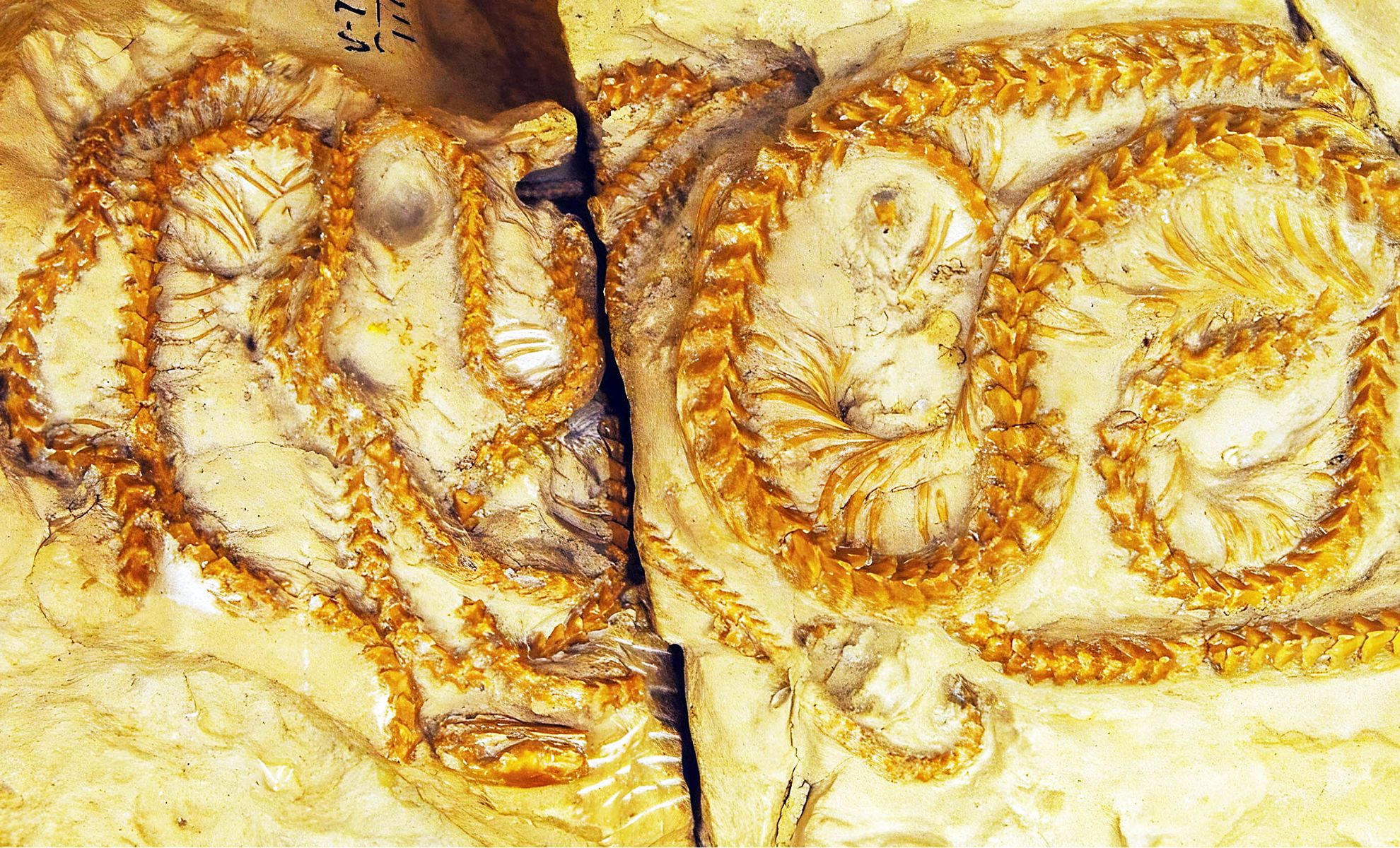
Paleontologists discovered nearly complete fossils of a 34-million-year-old snake, Hibernophis breithaupti, in Wyoming, revealing new insights into snake evolution, social behavior, and communal hibernation, with implications for understanding modern boas' origins.