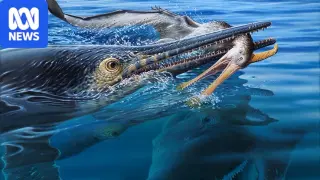
In Queensland's north-west, researchers uncovered a 100-million-year-old fossil site where a kronosaurus likely ripped into an ichthyosaur, leaving more than 30 bite marks while the ichthyosaur's stomach preserved remains of a pterosaur, forming what scientists call a marine reptile crime scene—the most complete snapshot yet of a three-species interaction in the Eromanga Sea.
Researchers describe Tametara mirim, a well-preserved Late Cretaceous stem snake from Brazil, whose high‑resolution CT scans reveal a distinct brain and inner-ear morphology consistent with fossorial life. Its endocast shows mildly enlarged cerebral hemispheres and a prominent pituitary, while the inner ear exhibits features typical of burrowing snakes, contrasting with coeval Dinilysia, a non‑fossorial stem snake. Phylogenetic analyses place Tametara among the earliest snakes, closely related to Najash, supporting a Middle Jurassic origin for snakes and a Late Cretaceous crown-snake radiation. The study, integrating geometric morphometrics of brain endocasts and bone microstructure, shows substantial early neuroanatomical and ecological disparity, indicating that multiple habitat shifts (fossorial and non‑fossorial) occurred in stem and crown snakes, and that ancestral snakes were ecologically diverse rather than uniform.
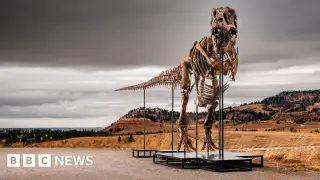
Gus, one of the most complete T. rex fossils ever found in South Dakota, goes to Sotheby’s with a $30 million pre-sale value and a $19 million starting bid, potentially becoming the most expensive dinosaur ever sold. The auction reignites a debate over whether scientifically important fossils should stay in museums or be privately owned, since private specimens are harder for researchers to access and many journals won’t publish work on them. Excavation and recovery spanned years, and while collectors help fund finds, scientists stress public accessibility and rigorous study as essential for understanding dinosaur biology and our past.
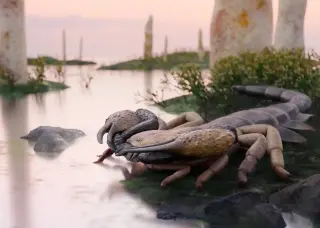
Scientists have uncovered evidence of a prehistoric scorpion in Britain roughly Labrador-sized, suggesting ancient arthropods reached impressive sizes and offering new clues about Britain’s ancient ecosystems.
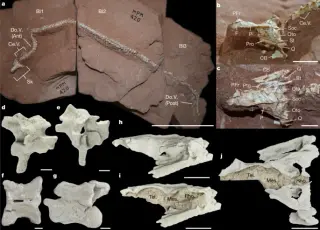
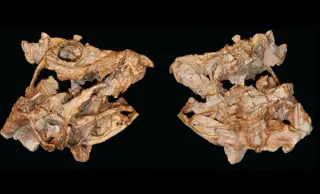
A long-forgotten Ghost Ranch fossil, long misidentified as an early crocodile relative, is re-examined with microCT imaging to reveal Eosphorosuchus lacrimosa, a 200-million-year-old crocodylomorph with a powerful bite and unique skull features, suggesting early crocodylomorphs were more diverse and ecologically varied than previously believed.
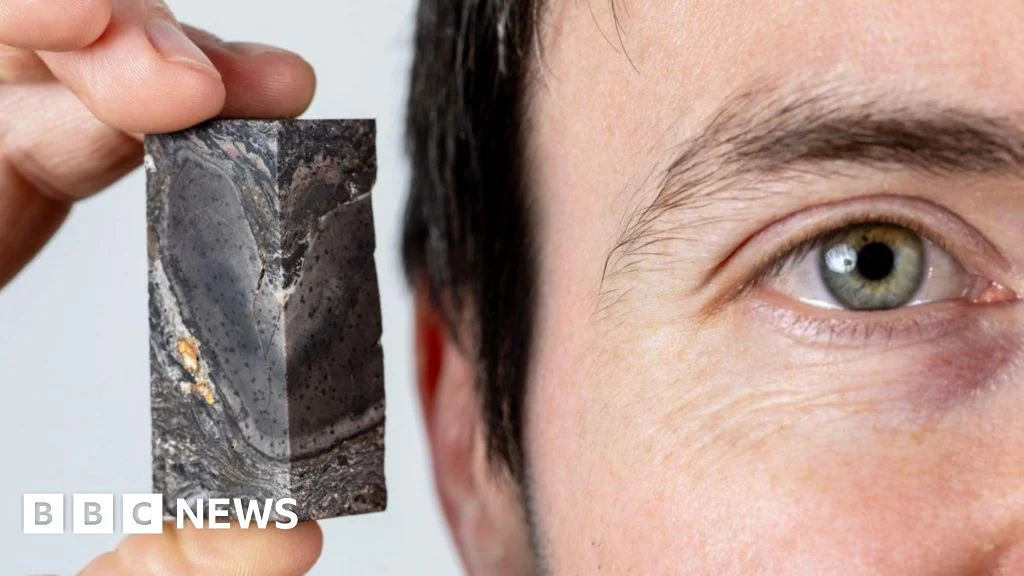
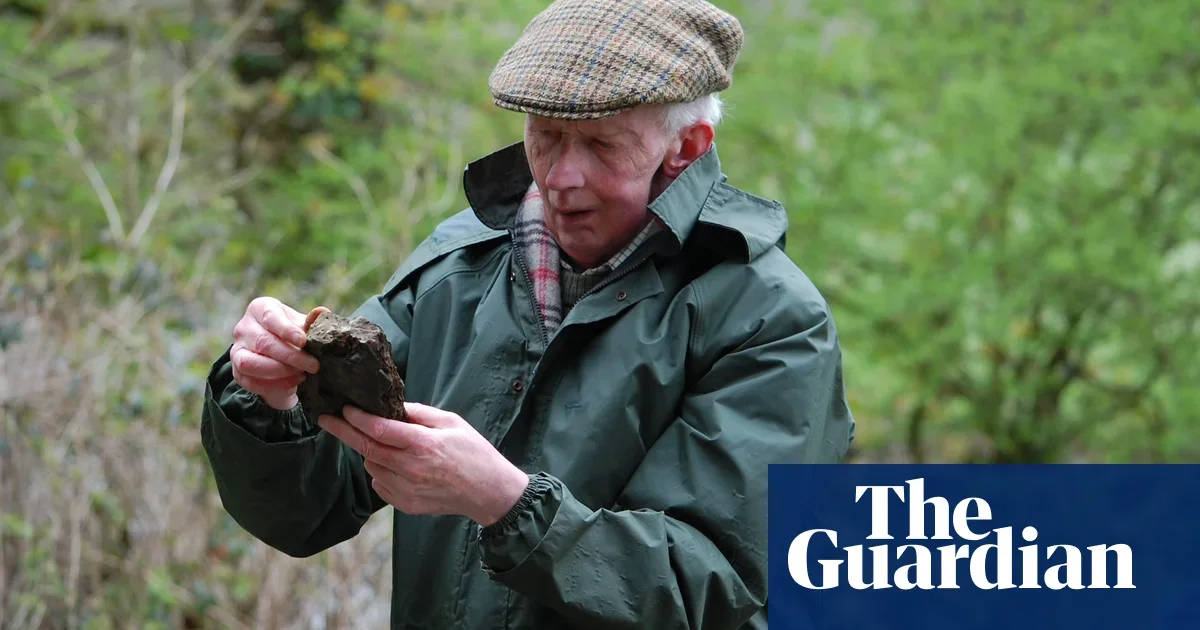
A 410-million-year-old Prototaxites fossil discovered near Rhynie in Aberdeenshire, towering about 8 meters, has been added to National Museums Scotland. Long thought to be a fungus, it is now considered part of a distinct extinct lineage, and the specimen will be kept at the museum's Edinburgh collection centre, illustrating the ongoing value of museum collections for paleontological research.
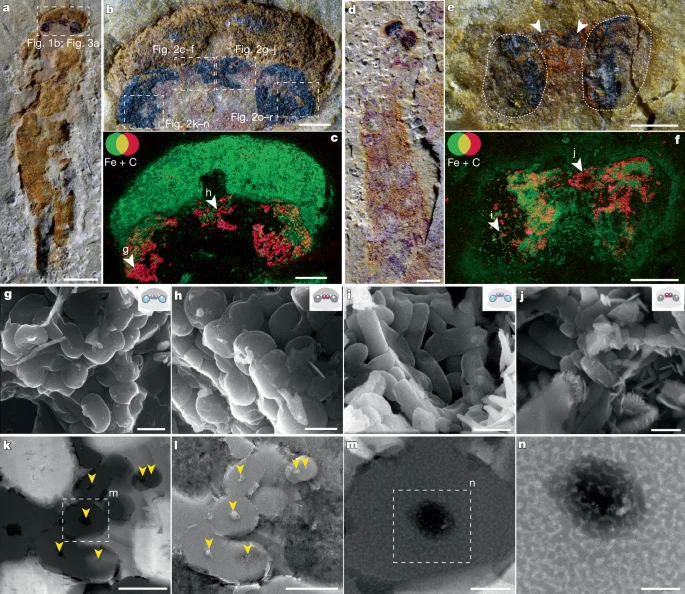
New fossils from Cambrian myllokunmingids reveal pineal/parapineal organs with lens-like structures and melanosomes identical to retinal pigment epithelium, implying these ancient vertebrates had four camera-type eyes and supporting deep homology between eyes and the pineal complex.
Scientists are calling for an overhaul of the current dinosaur naming system, which they believe is antiquated and lacks inclusivity. Some researchers argue that dinosaur names should be more representative of where and how fossils are discovered, and less likely to be offensive or controversial. While the International Commission on Zoological Nomenclature (ICZN) is against renaming species, some palaeontologists are pushing for change within the community, aiming to credit overlooked figures and ensure that issues of patrimony are addressed.
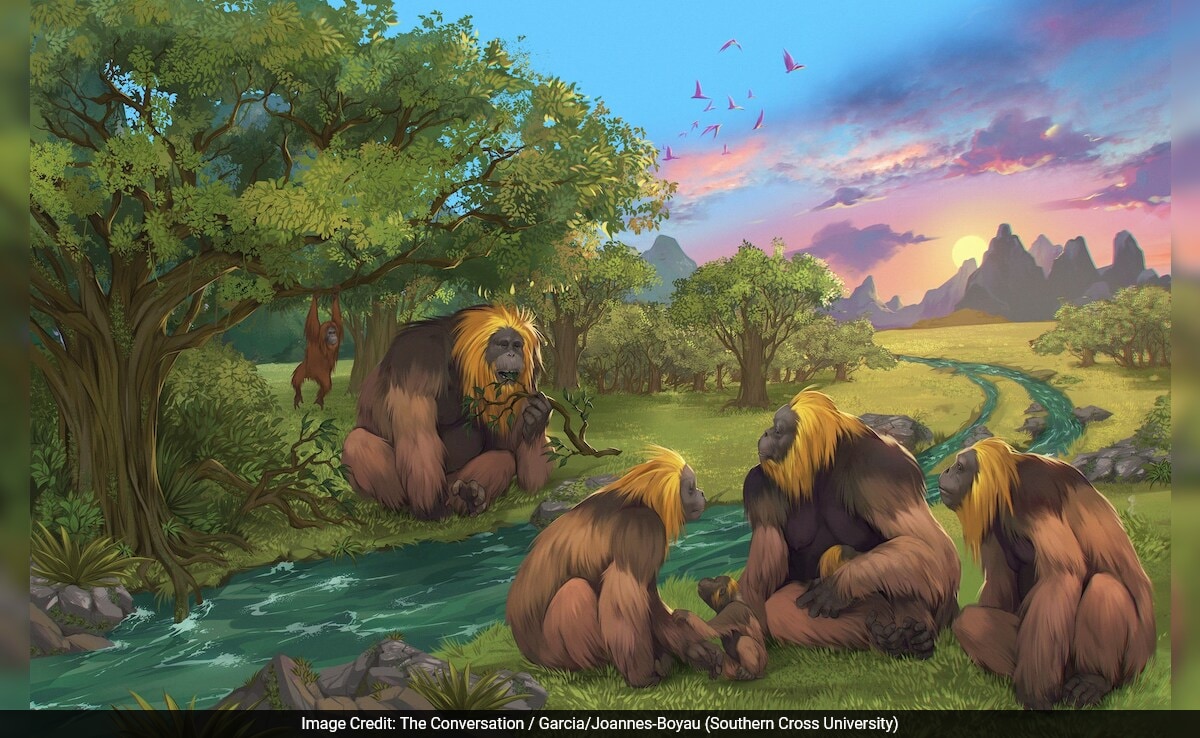
The mystery of the extinction of Gigantopithecus blacki, the largest primate to have ever lived, has been solved by a team of Chinese, Australian, and US scientists. Through extensive exploration and excavations in southern China, the team discovered that the giant ape went extinct between 295,000 and 215,000 years ago due to environmental changes that led to a decrease in its food sources and chronic stress. Unlike its close relative, the orangutans, Gigantopithecus blacki was unable to adapt to the changing environment, ultimately leading to its demise. This study provides valuable insights into primate resilience and the vulnerability of certain species to environmental changes.
The second season of Prehistoric Planet on Apple TV+ shows a scene where a Tyrannosaurus rex backs down from a Quetzalcoatlus, a giant pterosaur predator. Palaeontologist Darren Naish, the series’ lead consultant, explains that every predator behaves conservatively to minimise the risk of injury and death to itself. The answer is based on published research, particularly their anatomy and the behaviour of living animals similar to these extinct ones. The appearance of the Quetzalcoatlus was based on research from 2008 and 2015, which showed that their narrow build, with foldable 9m wings on a leggy body, made them incredibly competent terrestrial predators with the ability to fly.
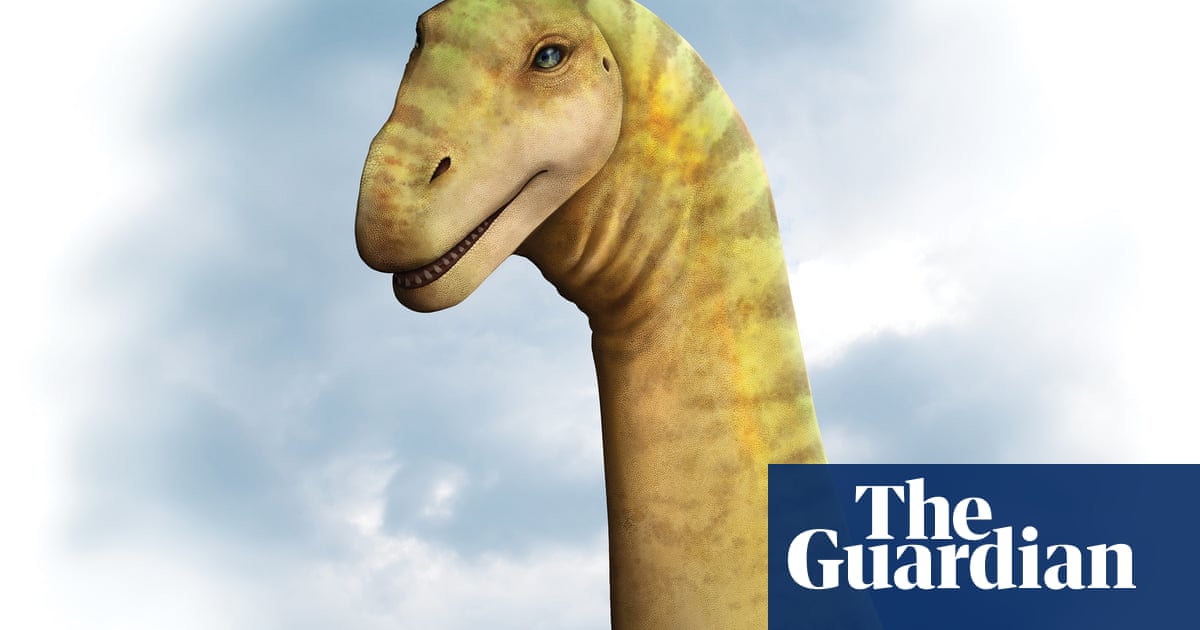
A 95-million-year-old dinosaur skull discovered in Winton, Queensland, has been identified as the first nearly complete sauropod skull ever found in Australia. The skull belongs to a Diamantinasaurus matildae dinosaur, nicknamed Ann, that lived between 95m and 98m years ago. It is only the fourth specimen of this species ever discovered. The discovery of the Diamantinasaurus skull enables scientists to recreate for the first time what the dinosaur’s face may have looked like.
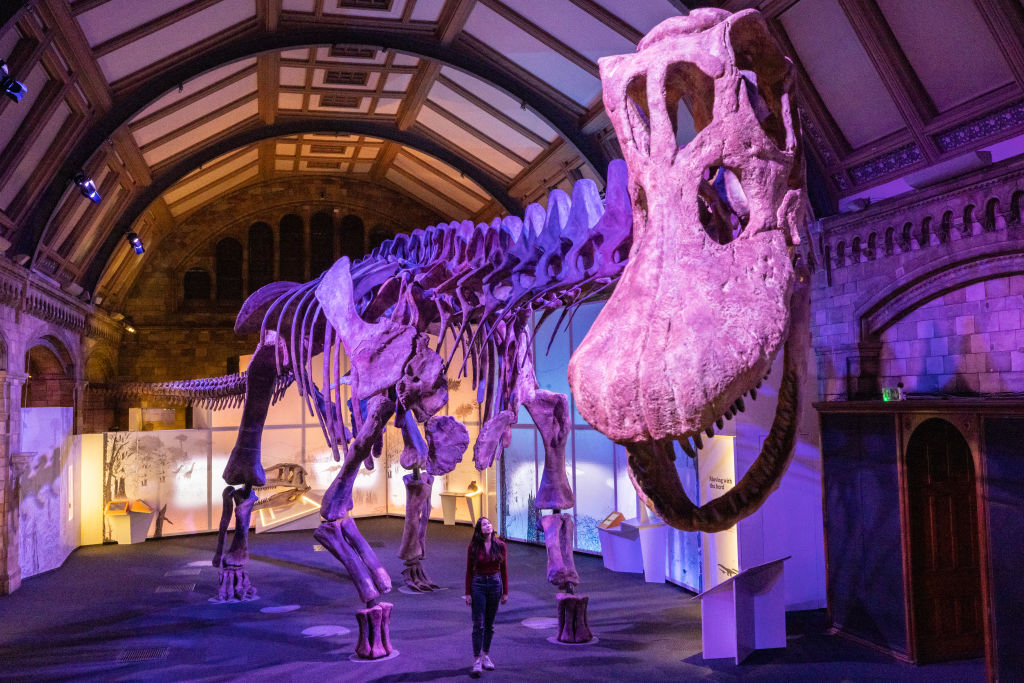
The Natural History Museum in London is showcasing a full-scale cast of an adult Patagotitan, the largest dinosaur ever known to have walked the earth. The titanosaur was discovered in Patagonia in 2014 and is estimated to have weighed 60 tonnes and measured 35 metres from snout to tail-tip. The museum's exhibition, Titanosaur: Life as the Biggest Dinosaur, also features a titanosaur egg, the first dinosaur egg ever exhibited in a museum. The show runs until 2 May.
Robin Cocks, a distinguished student of brachiopods and former keeper of palaeontology at the Natural History Museum, has died at the age of 84. He was an expert on Ordovician and Silurian brachiopods and named a new genus for every letter of the alphabet. He was also president of several geological societies and received numerous awards for his contributions to science. Cocks is survived by his wife, children, and grandchildren.
A 67-million-year-old Tyrannosaurus-Rex skeleton called Trinity, made up of bones from three different dinosaurs, is set to be auctioned in Switzerland next month. Palaeontologist Thomas Holtz has criticized the sale, stating that it is "misleading" and "inappropriate" to combine multiple real bones from different individuals to create a single skeleton. The Swiss T-Rex is expected to fetch between $6.5-8.7 million, but experts have warned that such trade could be harmful to science by putting the specimens in private hands and out of the reach of researchers.
Fossils of a dinosaur, Mamenchisaurus sinocanadorum, found in China in 1987, have revealed that it had a neck 15 metres long, making it a contender for the animal with the longest neck ever known. The dinosaur was a herbivorous sauropod that grew to 50 metres from snout to tail and weighed more than 70 tonnes. The lightweight, hollow bones of the sauropod's neck were stiffened by rod-like neck ribs, which improved its stability. The sauropods' lifestyle was impressively successful, evolving early in dinosaur history and lasting until the final days of their reign during the mass extinction event triggered by an asteroid impact 66m years ago.