Several illnesses are currently circulating, including COVID-19, respiratory syncytial virus (RSV), strep throat, flu, and gastroenteritis. Medical professionals in various clinics are reporting cases of these illnesses, with some patients requiring hospitalization for RSV.
As summer gets underway, doctors warn that strep symptoms may not always be obvious. While the typical season for strep might be in winter months, when children experience strep throat, there are other presentations the infection can take, particularly in warmer weather. Symptoms for this type of infection could include "red, itchy sores that break open and leak a clear fluid or pus for a few days" and "a crusty yellow or 'honey-colored' scab forms over the sore." To prevent group A strep infections, the CDC recommends covering your mouth and nose with a tissue when you cough or sneeze, washing your hands often with soap and water for at least 20 seconds, and taking antibiotics if prescribed.
Carbon monoxide poisoning cases are on the rise, with a recent incident nearly killing a 21-year-old man in Utah. Meanwhile, a Boston-based medical data company has developed an AI-based platform to help physicians track depression and suicide risks. A study has found that as many as 80% of aging adults in America lack the financial resources to pay for nursing home care or assisted living. Additionally, doctors warn of a spike in strep cases due to weakened immune systems, while new research suggests that sleeping pills could help stave off signs of Alzheimer's disease in the brain.
Health officials warn that strep-throat season could be prolonged due to an antibiotic shortage and increased rates of severe infections. Strep, a common infection in the throat and tonsils, can occur at any time of year, but most cases occur in late fall to early spring. While serious complications are rare, health officials urge caution and proper treatment.
The US is experiencing a shortage of penicillin as cases of syphilis and strep throat rise. The shortage is due to manufacturing issues and increased demand for the antibiotic. Experts are urging healthcare providers to use alternative antibiotics when possible to conserve penicillin for serious infections.
A first-grader from Kentucky was rushed to the hospital after contracting invasive strep infections that led to bacterial meningitis. The child was immediately put on a ventilator and underwent surgery to remove the fluid that had built up in her brain. The mother is now urging parents to be aware of the symptoms and act quickly if they notice any differences in their children. The CDC says most people do recover from bacterial meningitis.
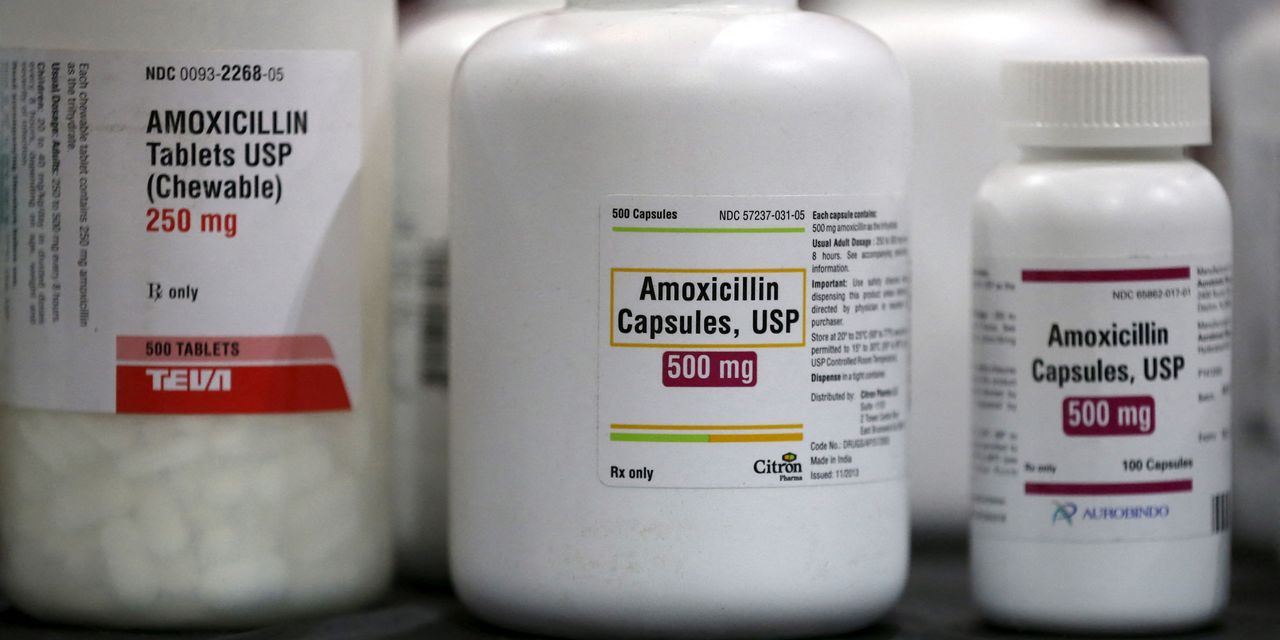
A nationwide shortage of pediatric versions of amoxicillin, a popular antibiotic used to treat strep throat, is making it difficult for parents to find the medication their children need. The shortage is due to a demand issue rather than a quality issue, with more people needing the drug than what's available. While drugmakers don't have to disclose the reason for a shortage, it doesn't seem to be a problem with the manufacturing of the drug. Parents may need to call around to find the medication, but pharmacists should be able to share information on which other pharmacies have it in stock.
Austin Public Health officials are monitoring for any possible spikes in invasive group A strep (iGAS) locally, as numerous states have seen an increase in iGAS cases. iGAS can lead to severe side effects, including sepsis and toxic shock syndrome. Strep cases require prompt antibiotic treatment, with specific IV-based antibiotics required for iGAS disease. Good hand hygiene is critical to prevent contracting or passing along the illness, and those who are immunocompromised are advised to be mindful of their handwashing techniques and to monitor any possible conditions.
The Virginia Department of Health reports that the number of strep visits across the state last week was the highest in the last five years, with children showing less common symptoms such as congestion, a runny nose, and cough. Medical officials advise practicing healthy habits, such as washing hands often and getting recommended vaccines, to reduce the chances of getting sick. Health officials recommend taking children to see a doctor and get tested if they have persistent cold symptoms, usual strep symptoms, or exposure to strep.
Experts are warning of an explosion in strep infections, with many presenting with few or atypical symptoms, making it more difficult to diagnose and treat the highly contagious infection before it can spread to others or cause complications. Strep throat, caused by the bacteria Group A streptococcus, is common in children and teens and can cause sore or scratchy throat, fever, pain when swallowing, red or swollen tonsils, headaches, and body aches. The COVID-19 pandemic likely played a role in the surge, as children's reduced exposure to Group A strep bacteria during the pandemic may have predisposed them to invasive strep A infection when pandemic restrictions were lifted. Testing and early treatment with antibiotics are key to preventing complications.
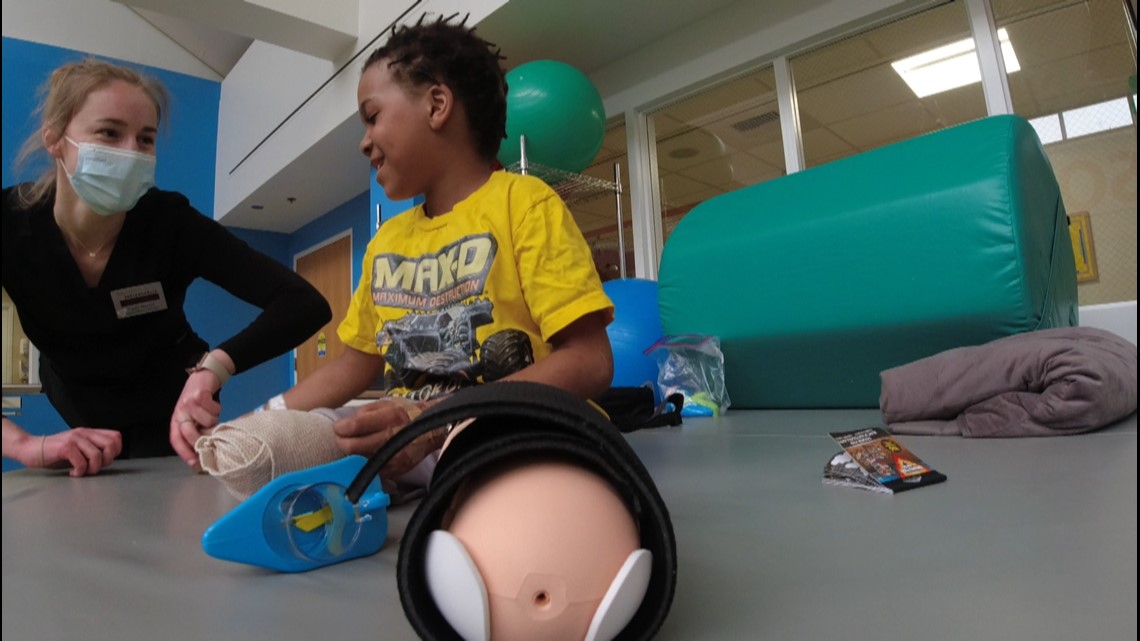
Kaden Stevenson, a Michigan boy, had both of his legs amputated after his infection from influenza A and strep moved to his blood, causing him to go into toxic shock. He spent nearly two weeks in the pediatric intensive care unit and weeks in rehabilitation. Amputations stemming from infections like influenza or strep are rare, but do happen. Stevenson's mother is glad she listened to her intuition and took Kaden to the emergency room.