Eye doctors warn that three common contact-lens habits can raise infection risk and even cause rare serious eye problems, so wearers should avoid certain activities, practice proper handling, and follow recommended replacement and cleaning routines to protect long-term eye health.
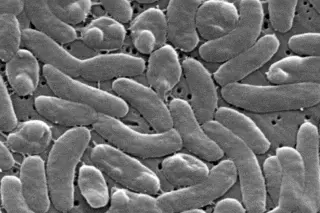
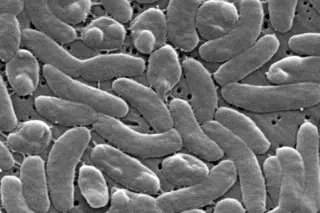
Five Floridians have contracted Vibrio vulnificus as Vibrio season peaks in warm coastal waters, underscoring the ongoing risk from seawater exposure and raw shellfish. Infections can be severe, ranging from wound infections to life‑threatening septicemia, particularly for people with liver disease or weakened immune systems. Health officials urge avoiding raw oysters, ensuring shellfish is fully cooked, and protecting any open wounds from seawater, while seeking urgent medical care for fever, swelling, or rapidly spreading redness.
A health-focused piece warns that beach outings can carry six common rashes and infections from ocean water or sand, caused by bacteria, fungi, parasites, or fecal contamination; it recommends practical prevention steps such as rinsing off after swimming, wearing sandals on sand, avoiding barefoot exposure in polluted areas, covering wounds, showering after beach time, washing hands, and heeding local beach advisories to minimize risk.
A roundup of 13 popular home remedies shows that some, like cranberry juice, may help prevent urinary tract infections and boost antibiotic effectiveness, while ginger can ease nausea, vitamin C can shorten cold duration, and apples may lower dementia risk and cholesterol. Chicken soup may aid recovery from respiratory infections; honey with lemon can soothe coughs; and warm baths or a relaxing bedtime ritual can improve sleep. The piece also notes caveats: the evidence for hot drinks cooling the body is nuanced; looser underwear may modestly boost male fertility; cycling can cause temporary genital numbness that improves with proper saddle fit; and weather can influence joint pain. Overall, several familiar remedies have measurable benefits, but many claims are modest or condition-dependent.
The CDC warns about XDR shigella, a drug-resistant Shigella strain causing shigellosis in the US, with infections up 8.5% from 2011 to 2023 and about 450,000 cases annually; the strain is resistant to most common antibiotics, leaving few oral treatments and sometimes requiring hospitalization for IV antibiotics; antimicrobial-resistant infections cost roughly $93 million in direct medical costs. Transmission is fecal-oral, via contaminated food/water and, increasingly, sexual activity; prevention centers on handwashing, safe food and water, and abstaining from sex during/after illness. Most infections resolve in 5–7 days, but young children, the elderly, and immunocompromised individuals remain higher risk.
A Finnish study of over 65,000 dementia patients found that certain infections, notably cystitis and other bacterial infections treated in hospital, occurred years before dementia and were associated with about a 19% higher rate of late-onset dementia. Even after adjusting for other pre-diagnosis diseases, the link persisted, suggesting severe infections may accelerate cognitive decline, typically appearing about 5 to 6.5 years before diagnosis. The study is observational and cannot prove causation; authors note vaccination and infection prevention might help, but intervention trials are needed.
A Finnish nationwide registry study of 62,555 dementia patients and 312,772 controls found two severe infections—cystitis and a bacterial infection of an unspecified site—were linked to higher dementia risk years before diagnosis, with infections appearing to independently raise risk even after accounting for other dementia-related diseases; the study is observational, and generalizability may be limited.
A Finnish study of 62,555 people aged 65+ with late-onset dementia (2017–2020) and 312,772 matched controls found 29 risk factors for dementia. Among infections, only urinary tract infections (UTIs) and bacterial infections were linked to dementia, with severe infections—especially UTIs—associated with a 19% higher risk after adjusting for other conditions. The time between infection and dementia diagnosis averaged five to six years. While this suggests infections may contribute to dementia risk, it does not prove causality, and the researchers call for intervention studies. Non-infectious risks included alcohol-related disorders, Parkinson’s disease, and brain disease.
A mouse study found that polystyrene microplastics can accumulate in macrophages and disrupt their ability to engulf dead cells and pathogens, impairing infection clearance in the lungs. While microplastics are detected in many tissues, there is not yet clear evidence of direct human health effects; researchers caution about potential links to inflammation and cardiovascular issues and plan further human studies to assess relevance to human health.
A Nature Medicine paper led by WHO's IARC estimates that more than one-third of cancers are attributable to preventable risks, with smoking, infections, and alcohol identified as leading causes.
Unusual taste changes can be early signs of underlying health issues like infections, sinus problems, or immune responses, with recent research highlighting the role of inflammation and immune cytokines such as TNF in altering taste perception, especially bitter flavors. These symptoms often precede other symptoms and can be caused by respiratory illnesses, oral infections, medications, or neurological conditions, emphasizing the importance of investigating persistent taste disturbances.
AIIMS-trained neurologist Dr. Priyanka Sehrawat warns that consuming gol gappa from unhygienic sources can lead to serious infections like Hepatitis A, especially in children, and advises caution and awareness of symptoms such as jaundice and fever. She emphasizes the importance of food safety and hygiene, particularly during outdoor gatherings, to prevent health risks associated with contaminated street food.
The CDC warns of a significant rise in infections caused by highly antibiotic-resistant bacteria, specifically NDM-CRE, which increased by over 460% in the U.S. from 2019 to 2023.
Louisiana has reported its fifth death this year from Vibrio vulnificus, a flesh-eating bacteria found in coastal waters, with 26 cases so far—significantly higher than the annual average—mainly affecting individuals with open wounds or seafood exposure, and most patients having underlying health conditions.
Health officials in Florida warn residents about an increase in flesh-eating bacterial infections caused by Vibrio vulnificus, with 25 cases and five fatalities reported this summer, primarily in coastal areas where warm seawater promotes bacterial growth. Precautions are advised for those in affected regions.