Tag

Tap Water

All articles tagged with #tap water

Tap water for all: why posh restaurants should offer free water
opinion3 hours ago

Tap water for all: why posh restaurants should offer free water

In this Financial Times Opinion, Henry Mance argues that no restaurant should be too posh to serve tap water and that establishments should provide free tap water rather than pushing pricey bottled options. He cites Italy’s high bottled-water consumption, a court case in which a hotel was allowed to offer only bottled water, and broader critiques of bottled-water culture (including Fiji Water). The piece suggests tap water is a basic amenity and reflects on how market forces and luxury hospitality intersect with everyday comforts.


Europe’s Patchwork of Tap Water Rules Meets Italy’s Court Ruling
travel23 hours ago

Europe’s Patchwork of Tap Water Rules Meets Italy’s Court Ruling

A recent Italian Supreme Court ruling found hotels/restaurants aren’t legally obligated to provide tap water, highlighted by a Dolomites hotel case where bottled water was the only option. The piece contrasts this with Europe’s diverse rules: Spain and Portugal push for free tap water in hospitality venues; France maintains the traditional “carafe d’eau” free with meals; the UK requires free water on request where alcohol is served; in Germany, Belgium and the Netherlands water is typically treated as a paid product. Amid a heatwave, hydration remains a public health concern, but access to free tap water varies by country.

Nitrates in Tap Water Put 1 in 5 Americans at Risk, New Report Finds
health1 month ago

Nitrates in Tap Water Put 1 in 5 Americans at Risk, New Report Finds

EWG’s 2021–2023 analysis of nearly 50,000 public water systems finds about 62 million Americans (roughly 1 in 5) may drink tap water with nitrate levels linked to health risks; millions exceed 3 mg/L and thousands exceed 5 mg/L, with some wells reaching much higher levels. Nitrates largely come from agricultural fertilizers and manure, and private wells aren’t covered by EPA rules. Mitigation includes home reverse-osmosis filters, but tighter regulations and consumer awareness are urged, as bottled water is not a guaranteed fix.

Better water for peace lilies: avoid tap water and use rain or filtered options
home3 months ago

Better water for peace lilies: avoid tap water and use rain or filtered options

Peace lilies are sensitive to chemicals in tap water (chlorine and fluoride), which can brown leaf tips. To prevent harm, water with room‑temperature rainwater or filtered/distilled water, or let tap water sit 24–48 hours to dechlorinate. Water the plant just enough to keep the topsoil moist, not soggy, and consider a simple routine like “Thirsty Thursday” for regular care. The piece also notes peace lilies can tolerate dry spells and don’t need frequent watering; it weaves in affiliate deals and tips throughout.

Nitrates in water and processed foods tied to dementia risk, veggie nitrates may offer protection
health4 months ago

Nitrates in water and processed foods tied to dementia risk, veggie nitrates may offer protection

A Danish–Australian study followed about 55,000 adults for nearly 27 years and found higher nitrate intake from tap water and processed meats is associated with increased dementia risk, while nitrate from vegetables is linked to a ~10% lower risk. Antioxidants in vegetables may boost beneficial nitric oxide formation and block harmful N-nitrosamines, explaining the opposite effects. The research highlights a first-ever link between drinking-water nitrates and dementia, notes EU groundwater limits of 50 mg/L, and cites UK dementia figures around 900,000 and rising toward 1.4 million by 2040.

Texas Woman Dies from Brain-Eating Amoeba After Using Tap Water
health1 year ago

Texas Woman Dies from Brain-Eating Amoeba After Using Tap Water

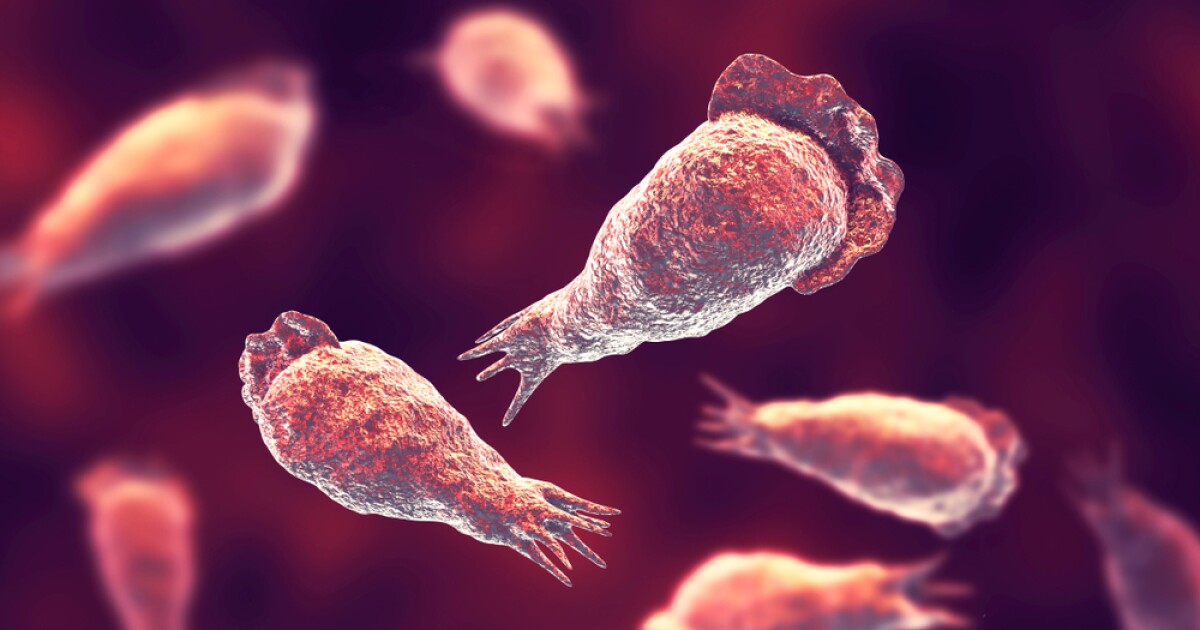
A 71-year-old woman in Texas died from a brain-eating infection caused by Naegleria fowleri, likely contracted from rinsing her sinuses with tap water from an RV at a campground. The amoeba, which is rare and only infects through the nose, causes a deadly brain infection with symptoms progressing rapidly. Experts warn against nasal rinsing with unboiled water and highlight the importance of water safety, especially in warm freshwater environments where the amoeba thrives.

Tap Water Contaminant Linked to Rising Cancer Cases in 40 Million Americans
health1 year ago

Tap Water Contaminant Linked to Rising Cancer Cases in 40 Million Americans

A study by Texas A&M University suggests that arsenic in tap water, consumed by up to 40 million Americans, may increase the risk of kidney cancer. The research found that even low arsenic levels, considered safe by the FDA, were linked to a higher cancer risk. Arsenic, a toxic mineral found in groundwater, can damage DNA and increase cancer risk. The study highlights the vulnerability of those using private wells, particularly in states like Nevada, Washington, and California, where arsenic levels are higher. Kidney cancer rates in the U.S. have been rising, with arsenic exposure being a potential contributing factor.

Scientists Uncover Potentially Toxic 'Phantom Chemical' in U.S. Tap Water
science1 year ago

Scientists Uncover Potentially Toxic 'Phantom Chemical' in U.S. Tap Water

Researchers have identified a mysterious chemical byproduct found in the tap water of about one-third of Americans, stemming from a disinfectant used in water treatment. The study, published in Science, calls for a rapid assessment of the byproduct's potential toxicity, though it does not suggest that the water is currently unsafe to drink.

"EPA Sets National Standard to Remove 'Forever Chemicals' from Drinking Water"
environment2 years ago

"EPA Sets National Standard to Remove 'Forever Chemicals' from Drinking Water"

The Environmental Protection Agency (EPA) has mandated that municipal water systems must reduce perfluoroalkyl and polyfluoroalkyl substances (PFAS) to near-zero levels in tap water, marking the first federal requirement to remove these "forever chemicals" linked to cancer and other health issues. PFAS, found in various everyday products, are known for their persistence in the environment and the human body. The EPA's new regulation aims to prevent thousands of deaths and reduce serious illnesses associated with PFAS exposure, representing a significant step in addressing the widespread presence of these chemicals in drinking water.